‘Zero lessons learned’: Iran FM says US maximalism blocked progress at Islamabad talks
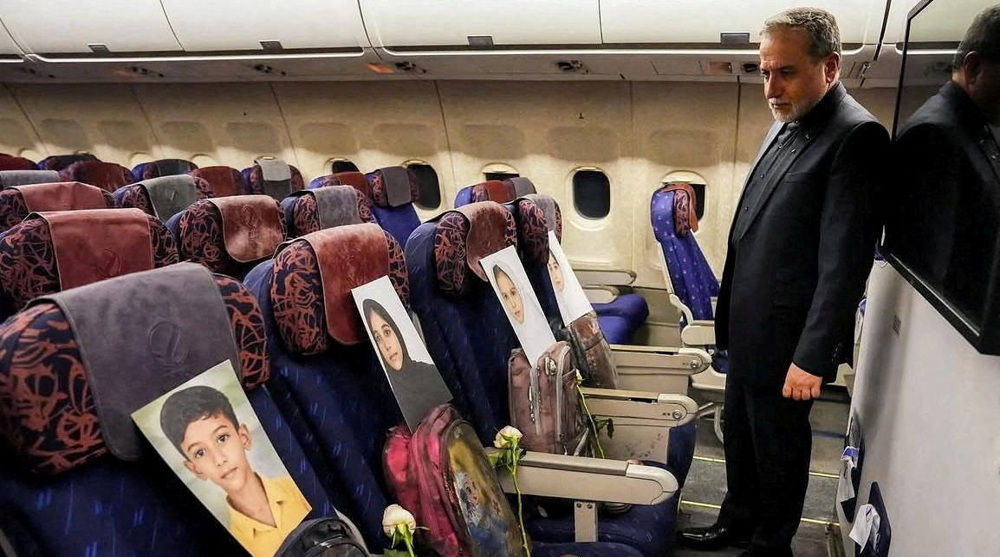
Iran’s foreign minister said the United States’ “maximalism, shifting goalposts, and blockade” derailed what was just inches away from becoming the “Islamabad MoU,” as high-level talks between the two countries failed to produce a breakthrough after 21 hours of intensive negotiations.
“In intensive talks at highest level in 47 years, Iran engaged with U.S. in good faith to end war,” the foreign minister wrote on social media.
“But when just inches away from ‘Islamabad MoU’, we encountered maximalism, shifting goalposts, and blockade.”
“Zero lessons learned,” the foreign minister said, implying that Washington had learned nothing from decades of failed confrontations with Iran.
The talks, held Monday in Pakistan’s capital, were the first direct high-level negotiations between Tehran and Washington since the outbreak of the US-Israeli war on Iran on February 28.
‘Good will begets good will’
The Iranian diplomat concluded his post with a clear warning.
“Good will begets good will. Enmity begets enmity.”
The statement suggested that Iran had demonstrated flexibility and constructive engagement, but Washington failed to reciprocate.
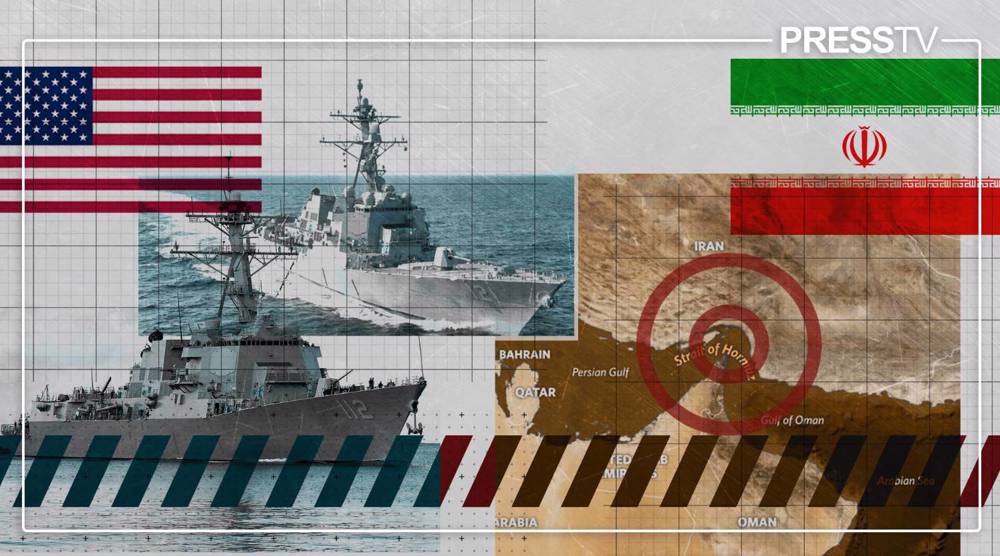
The negotiations focused on resolving tensions over the Strait of Hormuz, sanctions relief and Iran’s peaceful nuclear program, among other issues.
US Vice President JD Vance, who led the American delegation, said after the talks that it was now up to Iran to accept what he called the “final, best” offer from the United States.
But Iranian officials rejected the framing, accusing Washington of imposing excessive demands and failing to show the necessary flexibility to reach an agreement.
Pakistan hosted the talks as part of its ongoing mediation efforts between Iran and the United States.
Prime Minister Shehbaz Sharif had earlier announced that a ceasefire understanding between Iran and the US would also apply to Lebanon.
However, Israeli attacks on Lebanon continued, killing dozens of civilians and undermining trust in Washington’s ability to enforce a truce.
The United States and Israel launched their unprovoked war of aggression on Iran on February 28, assassinating the Leader of the Islamic Revolution Ayatollah Seyyed Ali Khamenei and striking nuclear facilities, schools and hospitals.
Iran’s armed forces responded with 100 waves of retaliatory strikes under Operation True Promise 4.
Oman meeting a 'key step' toward regional stability and security: Iran
Iran working to remove obstacles to joining BRICS New Development Bank: Araghchi
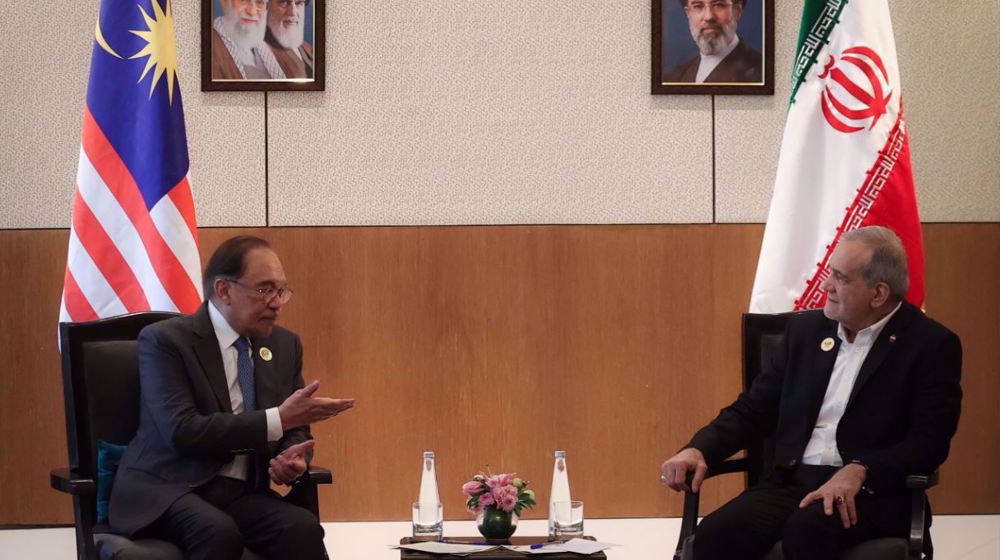
Pezeshkian: US seeks to turn brotherly Muslim nations against each other



VIDEO | News Review: Yemen’s Armed Forces make rapid coastal advance
Yemen stages large-scale missile-and-drone strikes against Saudi base in retaliation for aggression
BRICS declaration reflects Iran’s principled positions on major intl. issues: Senior diplomat
VIDEO | BRICS Summit: No to unilateralism, sanctions
Israeli police officer found dead on Haifa beach
Yemen warns Saudi airstrikes will not go unanswered
Israeli forces raid West Bank communities as settler attacks intensify
VIDEO | Press TV's news headlines


 PressTV NEWSLETTER
now
PressTV NEWSLETTER
now
 This makes it easy to access the Press TV website
