Military ships approaching Hormuz Strait ‘a violation of ceasefire’, IRGC warns
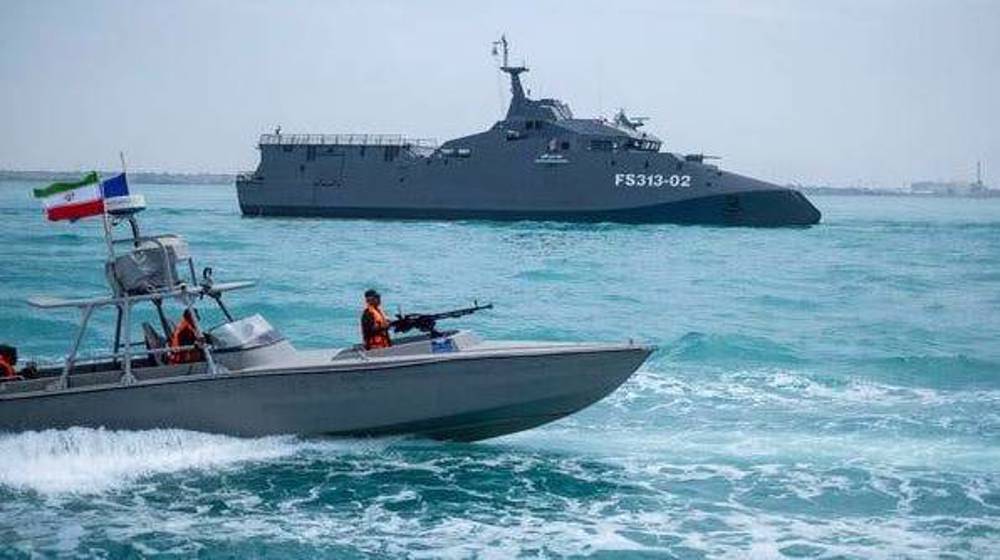
The Islamic Revolution Guards Corps (IRGC) warns that any attempt by military vessels to transit the Strait of Hormuz will be deemed a violation of the two-week ceasefire with the United States.
In a statement on Sunday, the IRGC said it would give a firm and decisive response to such a violation.
“The Naval Force of the Islamic Revolution Guards Corps declares that, contrary to the false claims by some enemy officials, the Strait of Hormuz remains open under intelligent control and management,” it said.
The IRGC said that civilian vessels can transit the strategic waterway under “specific regulations.”
However, the statement emphasized, “for military vessels that, under any title or pretext, intend to approach the Strait of Hormuz, [such action] will be regarded as a violation of the ceasefire and will be met with a severe response.”
The warning came after US Central Command claimed that two American warships, the USS Frank Peterson and USS Michael Murphy, transited the Strait of Hormuz “as part of a broader mission to ensure the strait is fully clear of sea mines.”
“Today, we began the process of establishing a new passage and we will share this safe pathway with the maritime industry soon to encourage the free flow of commerce,” Admiral Brad Cooper, the head of Central Command, said in a statement.
Press TV Exclusive: US destroyers' Strait of Hormuz transit stunt failed, came close to destructionhttps://t.co/zVeCCKGJlO https://t.co/m348SyV1uz pic.twitter.com/KhKXTTwWA5
— Press TV 🔻 (@PressTV) April 12, 2026
Iran denied any American military vessels transited the Strait of Hormuz.
Iran and the US agreed to a ceasefire on Tuesday, 40 days after the launch of the US-Israeli aggression against the Islamic Republic.
During the war, Iranian Armed Forces unleashed 100 waves of successful retaliatory strikes against sensitive and strategic American and Israeli targets throughout the region.
They also blocked the Strait of Hormuz to oil and gas tankers affiliated with the adversaries and those cooperating with them in an attempt to maintain security at the strategic waterway.
Traffic through the narrow Strait has since slowed to a trickle, affecting about one-fifth of the world’s oil and liquefied natural gas shipments and sending shock waves through the global energy market.
Iran has allowed a handful of vessels from friendly countries to pass through the Strait of Hormuz. Iranian officials have also discussed setting up a toll system, under which tankers would pay Iran a fee to cross the Strait.
Earlier on Sunday, the IRGC Navy warned the United States and its allies against any miscalculation in the Persian Gulf, as US President Donald Trump renewed his threats against the Strait of Hormuz.
In a post on X, it said any wrong move by the US and its allies will plunge them “into a deadly whirlpool of destruction in the Strait.”
President Trump, who was hoping to secure an agreement with Iran over the energy lifeline, is growing more frustrated after a marathon 21-hour diplomatic effort failed to produce a deal in Islamabad.
In a post on his Truth Social, the US president said that American naval forces will impose a full naval blockade of the Strait of Hormuz.
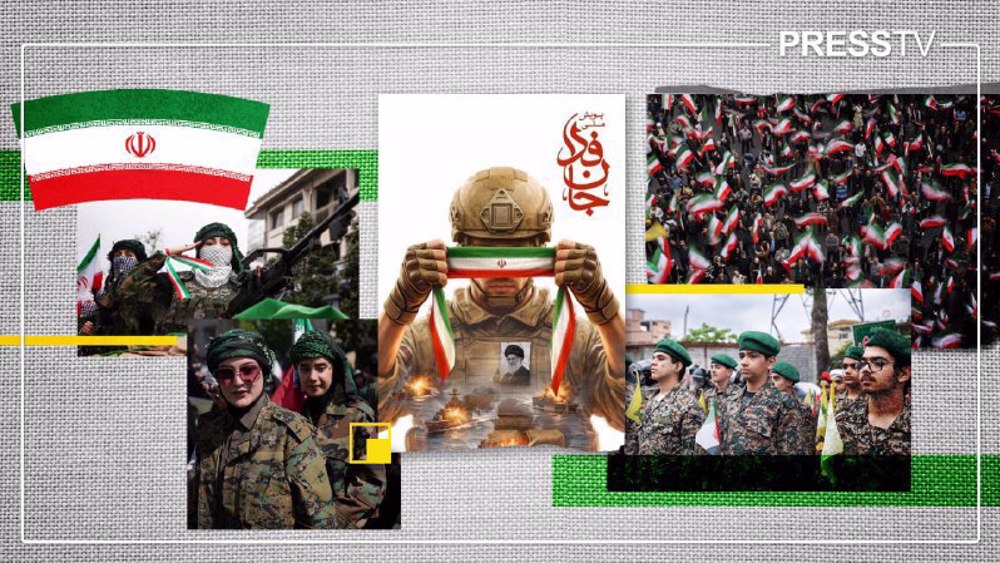
313,000-strong ‘Jan-Fada’ drill signifies Iran’s popular mobilization and social readiness amid war
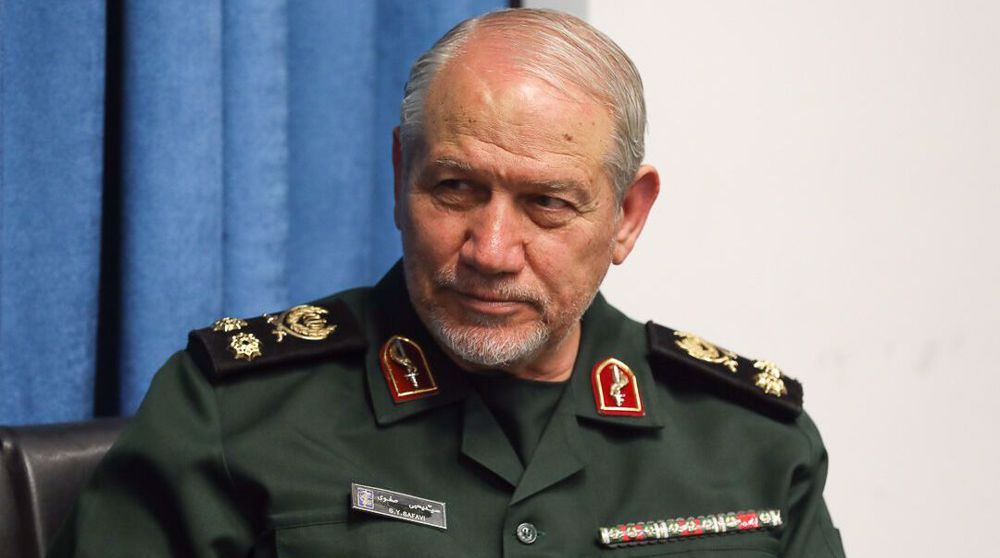
Leader’s advisor: Any foreign forces attempting to land in Iran ‘will certainly be destroyed’
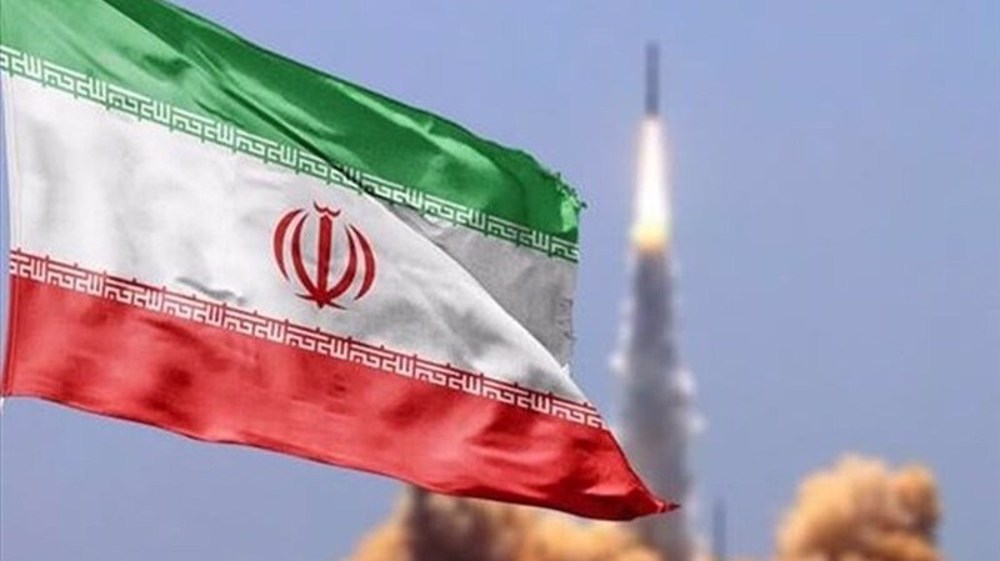
Iran’s military warns of ‘unpredictable blows’ in response to US threats



Yemen warns Arab, Muslim states against joining renewed Saudi war
Jordan: The Kingdom of Compromise (Part 3)
Over 124,000 schools reopen across Iran for new academic year
Iran restores half of damaged South Pars production capacity
Iran issues indictment against Israeli figures over Hezbollah pager explosions
Mahmoud Nemati delivers another karate gold for Iran at 2026 Asian Games
Russia’s Rosatom increases workforce at Iran’s Bushehr Nuclear Plant
Yemen shoots down Saudi UAV after deadly airstrikes by Riyadh




 PressTV NEWSLETTER now
  This makes it easy to access the Press TV website