After victory in war, Iran seeks to consolidate gains, not compromise, in Islamabad talks
By Press TV Strategic Analysis Desk
The high-stakes negotiations in Islamabad between Iranian and American delegations are unlike any diplomatic engagement between the two sides in decades. This time, the balance of power has fundamentally shifted following the 40-day war against the Islamic Republic.
Negotiations are no longer about managing tensions or avoiding confrontation. They are about consolidating Iran's military and political power after the thumping victory in the recent war, which ended with the American side accepting Iran’s 10-point proposal.
The talks, under the Pakistani mediation in Islamabad, are meant to reap the fruits of people’s resistance and the country's growing power and influence across multiple domains, including security, strategy, and economics.
From Tehran's perspective, the outcome of these talks must include the consolidation of Iran's legitimate authority over the Strait of Hormuz, the receipt of war reparations, the release of its frozen assets, and the lifting of illegal primary and secondary sanctions.
These are not negotiating positions. They are the fruits of resistance that must now be harvested at the negotiating table as the two sides reconvene in the Pakistani capital.
Washington forced to join negotiations
The United States was compelled to enter these negotiations after a crushing military and strategic defeat in the 40-day war. The options that Washington had held over Iran for decades – military threats, economic strangulation, political isolation – have lost their effectiveness. They have been tried, and they have produced no results.
Moreover, the trajectory of shifting equations in the region and the world continues to worsen for the United States. Had Iran continued its retaliatory attacks on oil and energy infrastructure in the region, the resulting global energy crisis would have created serious problems for Washington and its close allies.
The Americans, in other words, did not choose to talk. They were left with no other choice.
✍️ Viewpoint - Islamabad talks: US must abandon 'forever war' logic and 'Israel First' posture for any real breakthrough
— Press TV 🔻 (@PressTV) April 11, 2026
By Alireza Hashemihttps://t.co/H0GemjvvvB pic.twitter.com/pVneiy2lld
The victor's posture
Iran decided to participate in these negotiations as the victorious side. The enemy achieved none of its declared objectives. Iran did not collapse. It was not dismembered. It emerged stronger and more assertive, with military victory and the people’s overwhelming support.
The enemy did not gain access to Iran's uranium. It could not destroy Iran's missile capability. No rift was created between the people and the government. And the enemy was not successful in engineering an internal coup, such as the one in January.
On the contrary, new costs were imposed on the US war machinery. These include deepening divisions with Europe, intensifying distrust among Arab countries allied with Washington, a crisis with public opinion inside the United States, widespread global opposition to America, and a severe reputational defeat for the world's so-called “most powerful military” at the hands of the Iranian nation.
The closure of the Strait of Hormuz for US and allied vessels and greater cohesion within the Axis of Resistance in the region further compounds the enemy's troubles.
Two specific failures stand out. The first was the severe and humiliating failure of the infiltration operation in Isfahan, which aimed to access Iran's nuclear sites and materials and ended up in the repeat of the infamous 1980 Tabas disaster.
The second was the major defeat in the United Nations Security Council, where an anti-Iranian resolution pushed by Bahrain to force open the Strait of Hormuz was effectively vetoed by Russia and China.
Iran not only did not lose on the battlefield but demonstrated its high capability for sustained and successful military engagement and by adding new and more effective capabilities, it shifted the military battlefield in its favor.
In demonstrating popular solidarity with the government, Leader of the Islamic Revolution and the armed forces, in exercising authority and control over the Strait of Hormuz, and in successfully managing public opinion both domestically and internationally, Iran emerged as the victorious side in the view of all international observers.
✍️ Viewpoint - Forty days that shook the Empire: How Iran turned the tables on US and prevailed
— Press TV 🔻 (@PressTV) April 8, 2026
By Sarwar Abbashttps://t.co/i51LGERkDt
The silence on the battlefield
Meanwhile, the war continues. What has occurred, in the words of the Leader of the Islamic Revolution, Ayatollah Seyyed Mojtaba Khamenei, is that for now, silence has prevailed over the military battlefield. But silence is not peace. And a ceasefire is not the end.
For Iran, as the victorious side in the war, negotiation is a continuation of the war by other means – specifically, to consolidate its gains. No war can continue forever, because it is costly and damages infrastructure. But the assessment draws a clear red line: if the gains of the war are not realized through negotiations, there will be no choice but to continue the war.
What makes these talks different
The difference between these negotiations in Islamabad and those of previous years in Oman, Geneva and other places with the Americans lies entirely in Iran's thumping victory.
In the past, if negotiations failed to yield results, it was because of the looming threat of the military option. The Americans could always fall back on the threat of force. But now, that option has been discredited. It has effectively been removed from the table.
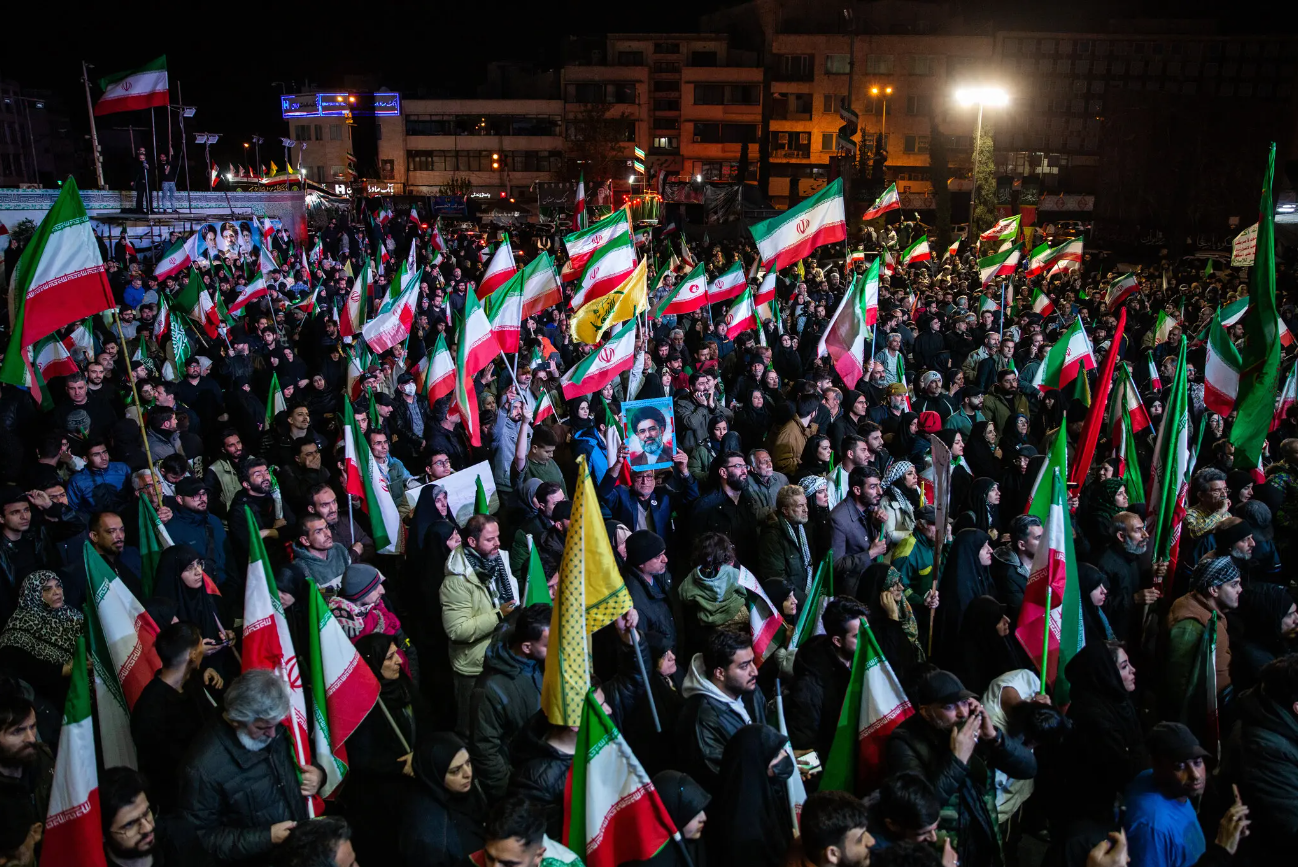
The enemy has realized two things simultaneously. First, its ultimate option – the military option – is no longer credible. Second, it has recognized the popular strength of the Islamic Republic with massive daily demonstrations across the country. These two realizations have fundamentally altered the nature of the diplomatic encounter.
If conditions are not accepted
The question is: what if Iran's conditions are not accepted in the Islamabad talks? In that case, Iran's hand will be freer to pursue its objectives.
Given Iran's upper hand on the battlefield, naturally, if the aggression resumes, Iran will be able to inflict heavier blows on the enemy and increase the enemy's costs, like it did in the past six weeks in ways that the enemy had not anticipated.
Given that the United States' options have been exhausted, continuing the war would mean increasing Iran's leverage in future negotiations and securing greater concessions.
Failure at the table, in other words, would not lead to a weaker Iranian position. It would lead to a stronger one.
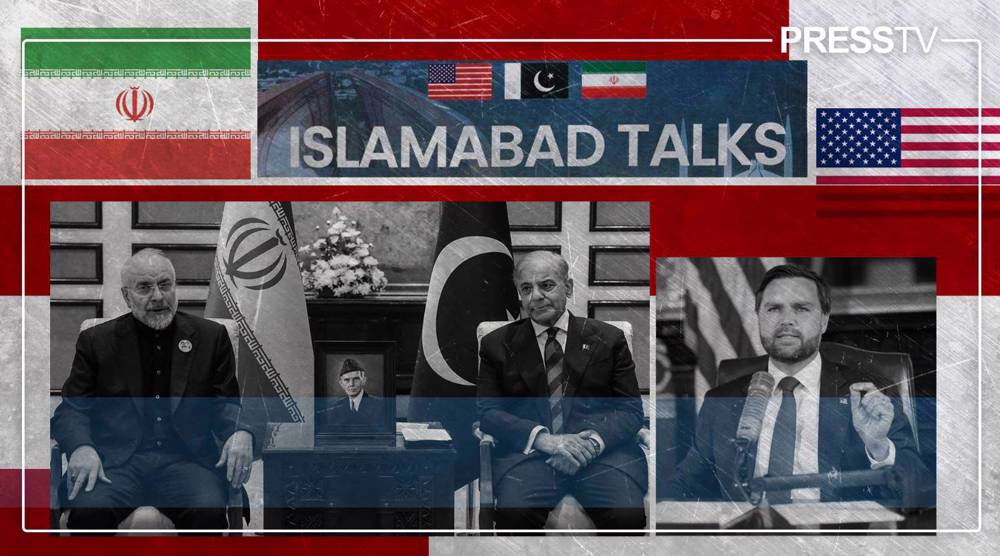
Iran's Speaker of Parliament Mohammad Bagher Ghalibaf and the Iranian delegation met with Pakistani Prime Minister Shehbaz Sharif ahead of Iran-US peace talks in Islamabad.
— Press TV 🔻 (@PressTV) April 11, 2026
Follow Press TV on Telegram: https://t.co/LWoNSpkc2J pic.twitter.com/dBUpArscWj
The question of Lebanon
As the talks are set to begin in Islamabad, the Israeli regime continues to bomb Lebanon, in blatant breach of the ceasefire agreement, as clearly outlined in the 10-point proposal.
So, why is Iran not striking Israel as it continues its aggression against Lebanon?
The answer is twofold. First, the precondition for starting negotiations is the cessation of Israeli attacks on Lebanon, and so far, because this condition has not been met fully, the talks have not yet begun. The negotiations themselves have been conditioned on a halt to Israeli military actions against the people and resistance in Lebanon.
Second, and more strategically, securing a lasting halt to the regime's attacks on Lebanon holds greater value than an Iranian missile strike.
A single military blow, however powerful, cannot match the strategic weight of a durable ceasefire that protects Lebanon and consolidates the resistance's position.
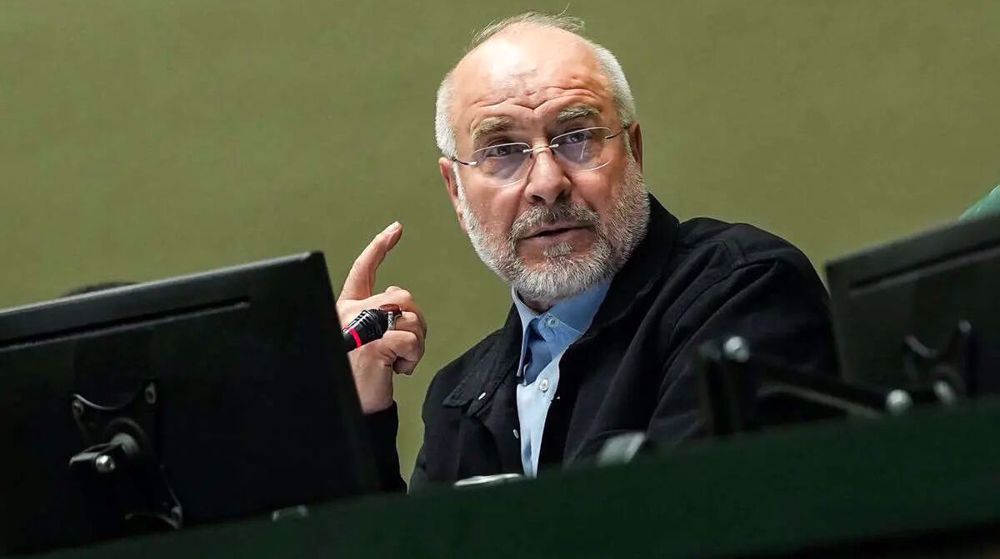
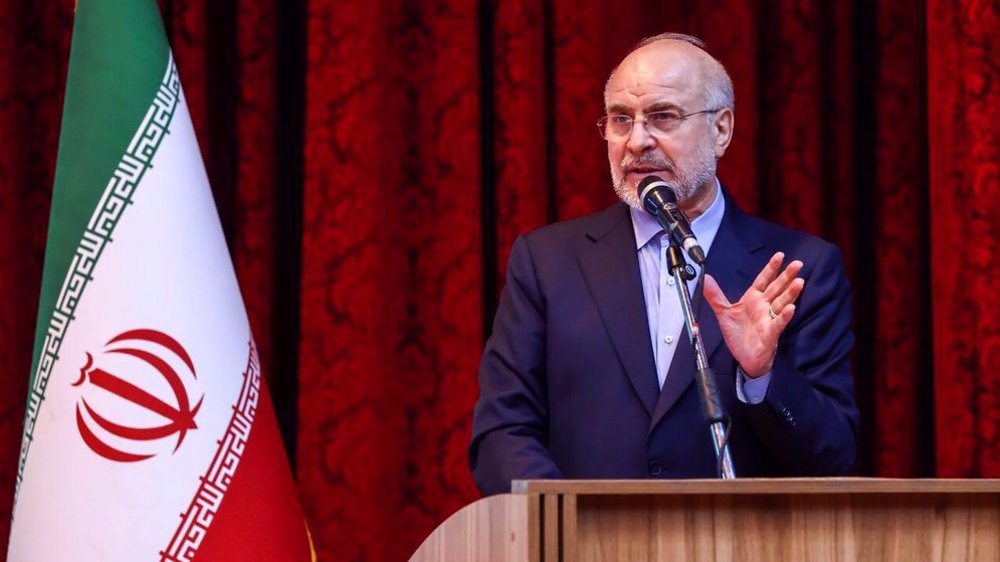
So, as the two delegations meet in Islamabad, the Iranian assessment offers a clear picture of how it views these talks, in which the high-profile Iranian side is led by Parliament Speaker Mohammad Baqer Qalibaf and includes, among others, Foreign Minister Abbas Araghchi.
This is not a negotiation between equals seeking a compromise. It is a negotiation in which one side arrives as the victor, seeking to consolidate the gains of a war it won.
The preconditions are set. The red lines are drawn. And if the fruits of resistance are not delivered at the table, the war will continue – again on Iranian terms.
Iran will send Netanyahu ‘to hell’: Rezaei
IRGC: US, Israel resort to economic war after failing to defeat Iran
Iran will not tolerate any hostile activity in Iraq’s Kurdistan: IRGC commander



Gaza Civil Defense teams recover bodies of 233 Palestinians from destroyed buildings
Intelligence forces arrest 30 mercenaries involved in foreign-backed riots in Markazi Province
Trump needs treatment for ‘delusions’ about Strait of Hormuz: Iran deputy FM
VIDEO | US escalation for bigger failure (Part 2)
VIDEO | US escalation for a bigger failure (Part 1)
Islamic Unity Conference in Tehran urges Muslim resistance against Israel, US
Islamabad MoU: US signature, hollow from the start
Iran warns states not to become complicit in US ‘economic terrorism’


 PressTV NEWSLETTER
now
PressTV NEWSLETTER
now
 This makes it easy to access the Press TV website
