American families skipping meals due to ‘Israel First’ policy: Qalibaf
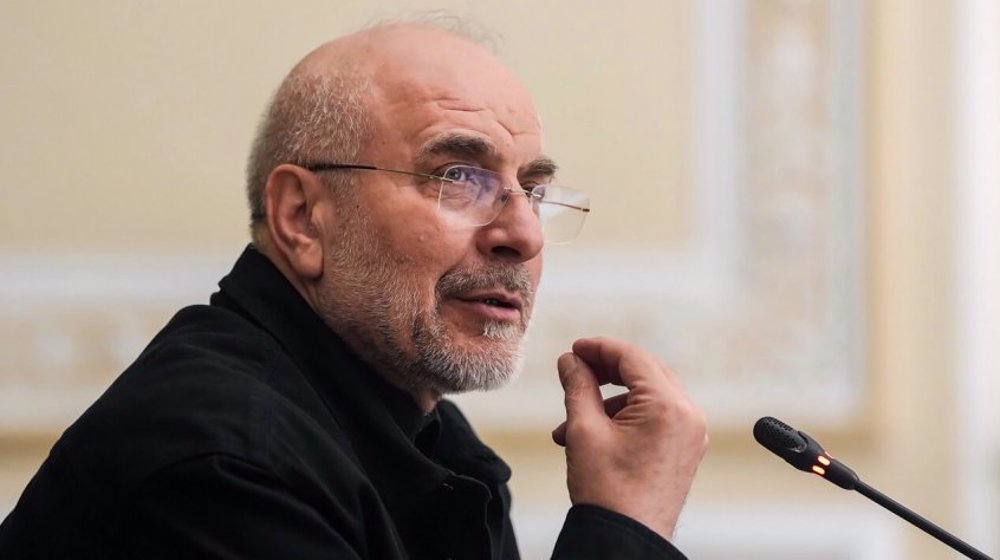
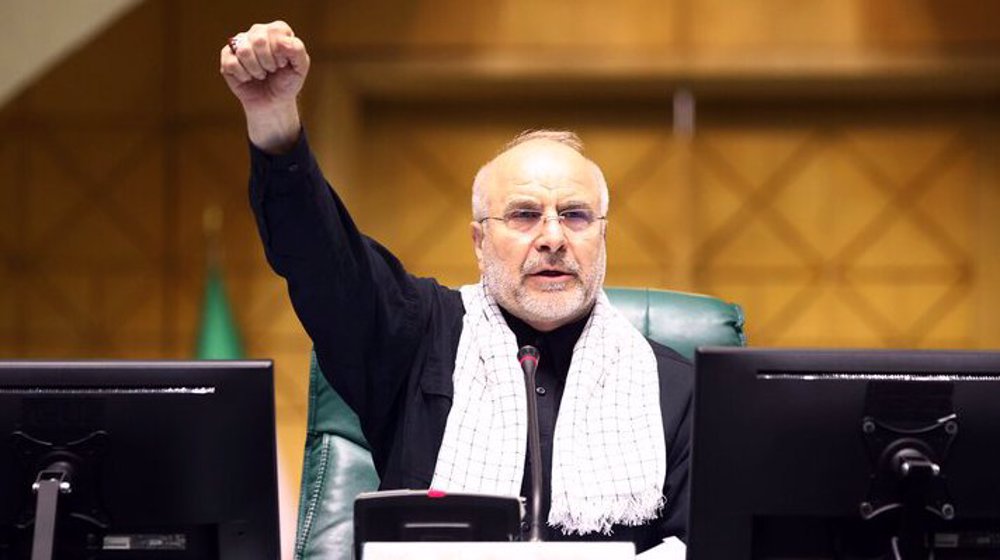
Iran’s Parliament Speaker Mohammad Baqer Qalibaf has criticized US foreign policy after a CNN report revealed that American families are skipping meals to afford skyrocketing gas prices triggered by the US-Israeli war on Iran.
“Just read about Sarah and others in the U.S. skipping meals because gas prices keep climbing,” Qalibaf wrote in a social media post. “Sad, but this is what happens when your leaders put others ahead of hard-working and ordinary Americans. It’s not America First anymore… it’s Israel First.”
Qalibaf was referring to the CNN report detailing the struggles of Americans like Sarah Lawhun, a 31-year-old environmental scientist from Albany, New York, who now skips lunch at work to offset the rising cost of gasoline.
Lawhun has spent nearly $70 more at the pump this month and drives 50 miles round-trip to her job.
“I’m trying to offset the increase by skipping lunch at work, saving about $30 a week in homemade sandwiches and salads but leaving her feeling tired and hungry,” the CNN report stated.
Lawhun has also cut back on fresh vegetables and meats, shopping more at discount grocers to salvage her ability to save money and pay down medical debt.
Hundreds of Americans wrote to CNN describing similar hardships, with many forced to cut back on essentials, trips, entertainment, and other items that help fuel the economy.
The economic pain extends far beyond individual stories.
#Israelfirst https://t.co/VDQlJsWOg9 pic.twitter.com/yUTw0DxT3T
— محمدباقر قالیباف | MB Ghalibaf (@mb_ghalibaf) March 31, 2026
According to an AFP report citing The Conference Board, US consumers’ inflation expectations surged in March to levels last seen around seven months ago, driven by rocketing energy prices due to the war on Iran.
The Conference Board reported that “consumers’ average and median 12-month inflation expectations surged in March to levels last seen in August 2025”, a period when households were already grappling with tariff uncertainty.
The percentage of consumers who believe interest rates will rise over the next 12 months skyrocketed from 34.9 percent to 42.4 percent.
The price surge stems directly from the US-Israeli war of aggression against Iran, which began on February 28.
In response to the attacks, Iran effectively restricted access to the Strait of Hormuz, a critical shipping route through which approximately 20 percent of the world’s oil supply transits.
Oil prices have jumped sharply as fighting entered its fifth week.

Leader makes new appointments to top military posts; Vahidi named IRGC commander
US must submit to new order in Persian Gulf: Iran deputy Parliament speaker

Parents of Minab boy killed in US strike visit Hiroshima on US atomic bombing anniversary



Yemeni forces strike Saudi-backed mercenaries for second straight day
US must submit to new order in Persian Gulf: Iran deputy Parliament speaker
Who’s who: Meet Iran’s new top military officials appointed by Leader
Parents of Minab boy killed in US strike visit Hiroshima on US atomic bombing anniversary
Leader makes new appointments to top military posts; Vahidi named IRGC commander
Israeli forces, settlers intensify attacks across occupied West Bank
VIDEO | News Review: Iran says reopening Hormuz Strait hinges on US halting aggression
VIDEO | Hormozgan tragedy: Two brothers martyred in US bridge strike



 PressTV NEWSLETTER
now
PressTV NEWSLETTER
now
 This makes it easy to access the Press TV website
