Behind the riots: Spy games, media spin, discarded monarchists and lessons from history
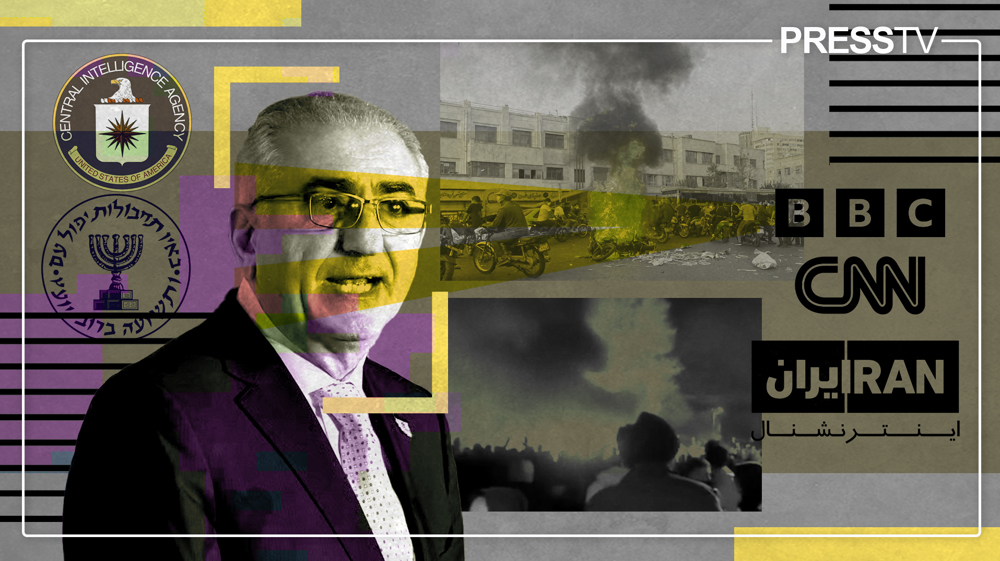
By Hamed Khosroshahi
In recent weeks, Iran has once again been the focus of regional and international media. The sharp depreciation of the national currency against the US dollar, compounded by the economic strain caused by unilateral and unjust US sanctions, sparked peaceful protests.
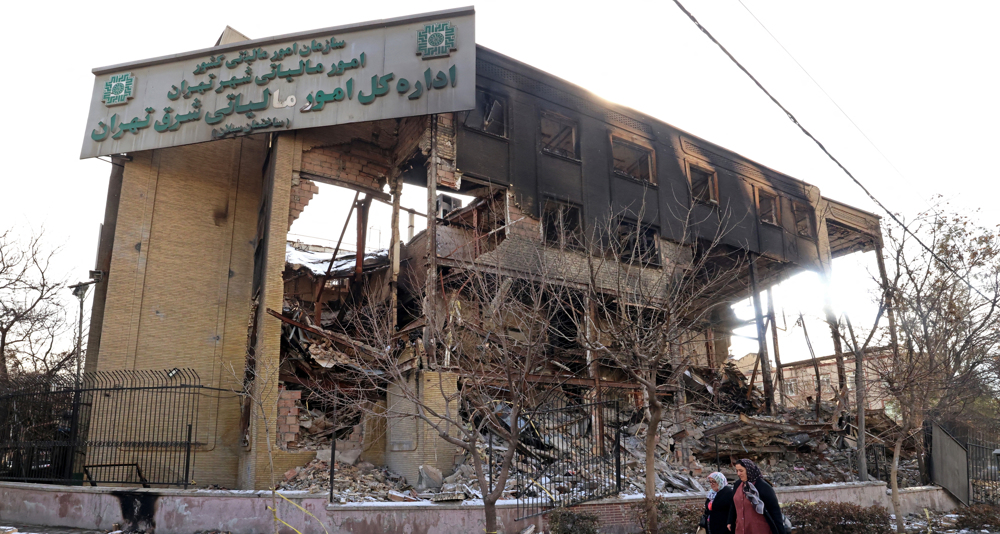
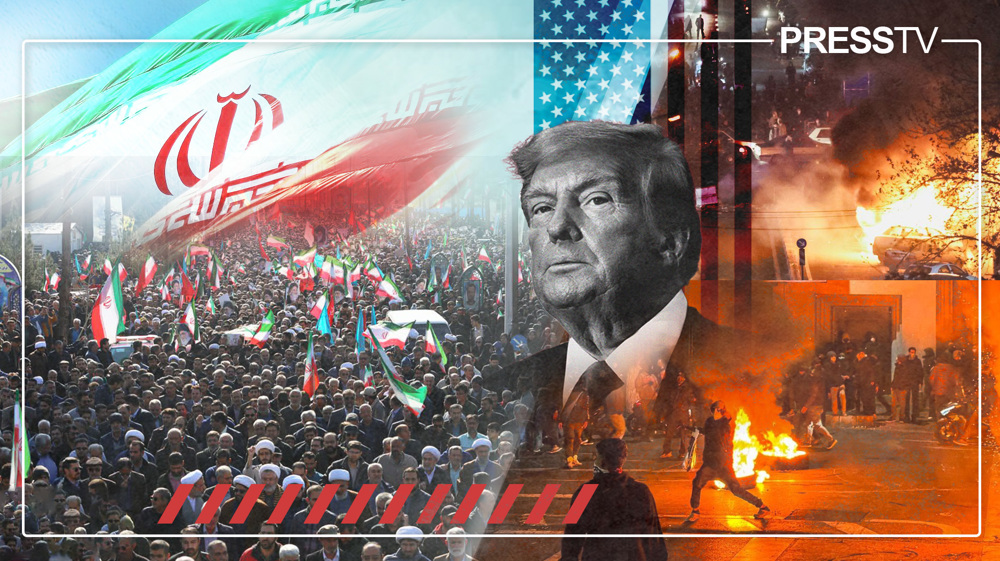
The peaceful protests over legitimate economic concerns soon devolved into street unrest and deadly riots in some cities, including the capital, Tehran.
However, a significant part of mainstream global media chose to portray these events with evident bias, openly siding with rioters and, in some cases, even terrorist elements.
Some media outlets went as far as labeling the unrest a “revolution” and insinuating that Iran’s political system was teetering on the brink of collapse.
This lop-sided narrative sharply contrasts with the available evidence and even statements from some former and current US and Israeli regime officials, who implicitly or explicitly acknowledged the presence of foreign intelligence elements, particularly operatives linked to Mossad, in the unrest that gripped the country on January 8.
Public remarks, interviews, and social-media statements by well-known American and Israeli figures pointed to the active role of Israeli intelligence networks on the ground, reinforcing warnings long issued by the Islamic Republic about foreign interference.
To fully understand the current situation, one must revisit a crucial recent episode: the 12-day war imposed on the Islamic Republic by Israel in June last year. This war began with Israeli aggression, including the assassination of senior military commanders, nuclear scientists, and attacks on sensitive military and nuclear facilities inside Iran.
✍️ Viewpoint - Manufacturing consent: How foreign-backed Iran riots were reframed for Western consumption
— Press TV 🔻 (@PressTV) January 21, 2026
By @richardsudan https://t.co/RFtdysadbW pic.twitter.com/0c9Qcl3rFL
Following the initial and unprovoked aggression, Iran’s missile retaliation, particularly the heavy blows inflicted by the Iranian armed forces during the final two days of the imposed war, shifted the balance in Iran’s favor. According to multiple reports, it was after these decisive strikes that the Tel Aviv regime moved to request a ceasefire.
Within this context, Thursday, January 8, when the streets of Tehran and several other cities witnessed coordinated actions by terrorist elements linked to Mossad, can justifiably be described as the “thirteenth day” of the war: a day when the confrontation transitioned from overt military engagement to a hybrid phase combining military attacks, media warfare, and urban unrest.
Alongside these developments, certain Western and Israeli media outlets, as well as officials in Washington and Tel Aviv, promoted Reza Pahlavi, the son of Iran’s deposed monarch, overthrown during the 1979 Islamic Revolution, as a supposed “future leader” of Iran.
This media project deliberately ignores the collective historical memory of the Iranian people, who have not forgotten the reasons behind their popular revolution: widespread financial corruption within the Pahlavi family, extreme centralization of power, dictatorship, systematic repression, and subservience to the West.
In recent weeks, amid the street riots and terrorism, US President Donald Trump repeatedly issued messages suggesting readiness to attack Iran under the pretext of “supporting the Iranian people.” Wednesday, January 14, was widely described by major international media as “zero hour” for a potential US-Israeli military strike against Iran.
Yet in a sudden and revealing reversal, Trump announced that he had no intention to carry out the attack. In the days that followed, many analysts concluded that Iran’s full military readiness and clear deterrent posture were the primary reasons behind Trump’s retreat.
✍️ Feature - Behind the riots: Israel-Pahlavi nexus and the delusion of ‘regime change’ in Iranhttps://t.co/ws0vTnSxN4 pic.twitter.com/Ngm14Qi7Dp
— Press TV 🔻 (@PressTV) January 21, 2026
Notably, on that same night, Reza Pahlavi and his supporters abroad reacted with visible frustration and disappointment at Trump’s decision –a reaction that further exposed the extent to which the “Pahlavi project” remains dependent on foreign intervention.
Iran is a mosaic of ethnicities and cultures. Its various ethnic groups have not forgotten the racism and discrimination they experienced during the Pahlavi era.
Contrary to hostile propaganda, over the past two weeks, cities like Tabriz and other Turkic-speaking regions, Ahvaz – with the country’s largest Arab population – and Kurdistan province have experienced the least unrest.
In public speeches, mass gatherings condemning the riots, and even in football stadiums, especially during matches of the popular Tractor Tabriz team, a unified slogan was repeatedly heard, carrying a clear political and historical message: “Azerbaijan is honorable; Pahlavi is dishonorable.”
This chant is not merely a reaction to recent events. It is a reaffirmation of the living historical memory of Iran’s ethnic communities, communities that have no desire to return to a past defined by dictatorship, exclusion, and foreign dependence.
Hamed Khosroshahi is a Tehran-based writer and analyst.
(The views expressed in this article do not necessarily reflect those of Press TV)
Iran’s resistance against US aggression echoes China’s Korean War, signaling end of Western hegemony
Arbaeen: The eternal journey of remembrance, resistance and revival of the message of Karbala

Ceuta's migration crisis exposes hidden price of Spain's defiance against US-Israel-Morocco axis



Fire at factory in Riyadh kills16 Bangladeshi migrant workers
Israeli forces, settlers carried out 108 attacks on Palestinian journalists in July
Rights group urges disclosure of Gaza detainees’ fate, probe into Israeli abuses
Judiciary chief congratulates new secretary of Supreme National Security Council
One year on, Gaza journalist Anas Al-Sharif remembered as brave chronicler of Israel’s genocidal war
Mecca defense pact not directed against any country, open to others: Pakistan
Greenland escalates warning to Trump-linked oil firm over unauthorized drilling equipment
Haj Qassem boosters meet Kheybar Shekan, Fattah warheads: Iran’s new hybrid missile configuration


 PressTV NEWSLETTER now
  This makes it easy to access the Press TV website