US threatens to block Iraq’s oil revenues if pro-Iran parties join new government: Report
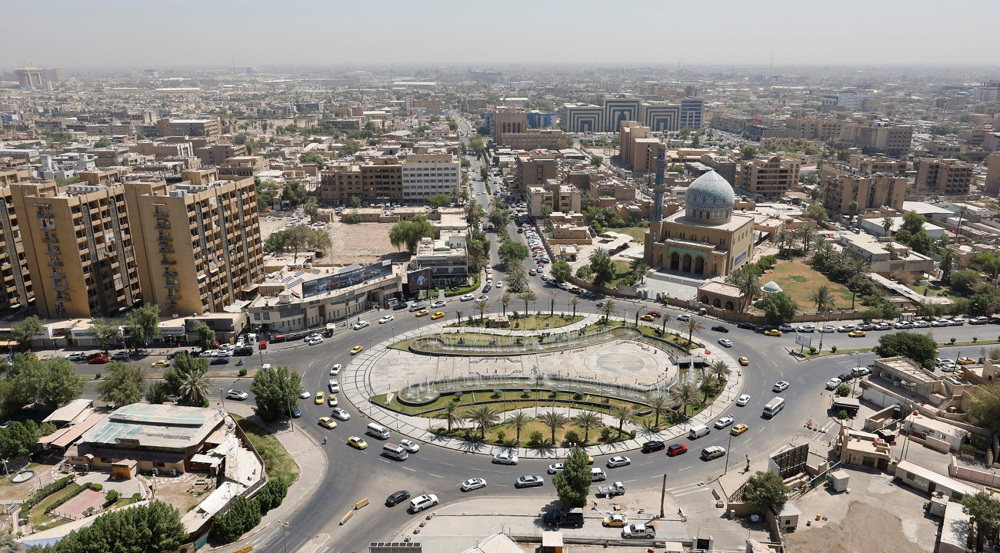
The United States has reportedly warned Iraq that it could block the country’s access to its oil revenues held at the Federal Reserve Bank of New York if political factions linked to Iran are included in the next Iraqi government.
The warning was delivered repeatedly over the past two months by US Chargé d’Affaires in Baghdad Joshua Harris during meetings with Iraqi officials and influential Shia leaders, Reuters cited three Iraqi officials and a source familiar with the matter as saying on Thursday.
The threat forms part of US President Donald Trump’s renewed “maximum pressure” campaign aimed at weakening Iran through expanded economic sanctions, including restrictions on Iran’s oil exports.
The development came following meddlesome remarks by Trump, claiming that the United States would resort to military aggression against Iran in the event of what the US president called the Islamic Republic’s use of violence against protesters.
Sporadic economic protests that had begun in late December in Iran were soon infiltrated by riotous, foreign-backed elements aiming to hijack them towards inciting unrest.
The elements were confirmed by Iranian intelligence to receive American and Israeli intelligence, arms, and logistical support, prompting Iranian forces to round up ringleaders and confiscate firearms, including weapons bound for the capital, Tehran.
The riots were orchestrated to advance the long-standing US-Israeli “regime change” agenda against Iran, after they failed to achieve this objective through unprovoked military aggression in June.
As part of this strategy, Washington has also sought to curtail Tehran’s regional influence, particularly in Iraq.
Washington has previously restricted the flow of US dollars to Iraqi banks, contributing to higher import prices for Iraqi consumers and complicating Baghdad’s ability to pay for Iranian natural gas imports.
However, the latest warning marks the first time the US has explicitly threatened to cut off the Central Bank of Iraq’s access to oil revenues held at the New York Fed. Iraq has been required to deposit all proceeds from oil sales into an account at the Federal Reserve since the US-led invasion in 2003.
Oil revenues account for approximately 90 percent of Iraq’s national budget, giving Washington significant leverage over Baghdad.
A US State Department spokesperson claimed that Washington supports Iraqi sovereignty but opposes the influence of Iran-backed armed groups.
Several Shia political parties, including factions within the Coordination Framework, maintain links to the Popular Mobilization Units (PMU).
The PMU was formed in 2014 to fight Daesh and was later formally incorporated into Iraq’s armed forces.
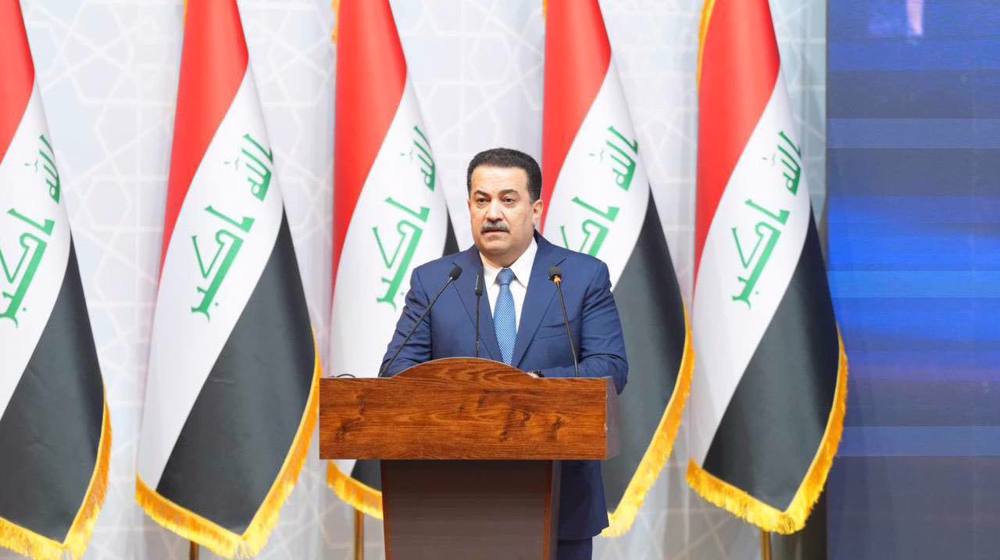
Prime Minister Mohammed Shia al-Sudani, who maintained workable relations with both Washington and Tehran, has opted not to seek a second term, reshaping the political landscape.
His decision has opened the door for a possible return of Nouri al-Maliki, leader of the State of Law Coalition and the Dawa Party.
Maliki, who is backed by parties linked to the Popular Mobilization Units (PMU), previously served as prime minister from 2006 to 2014—a period that included the Daesh takeover of large parts of western Iraq.
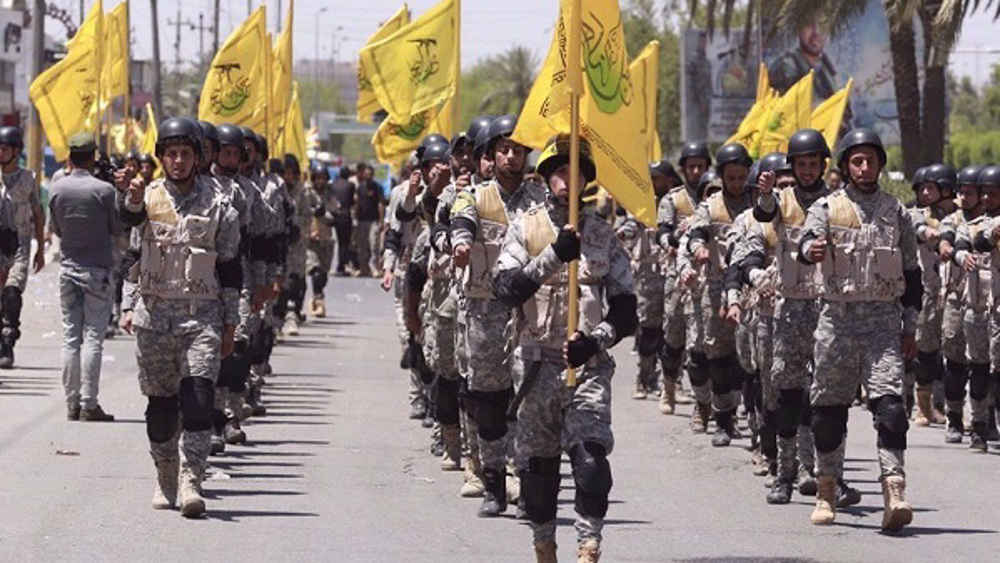
Iraqi MP: Resistance weapons aimed at enemies, terrorist groups
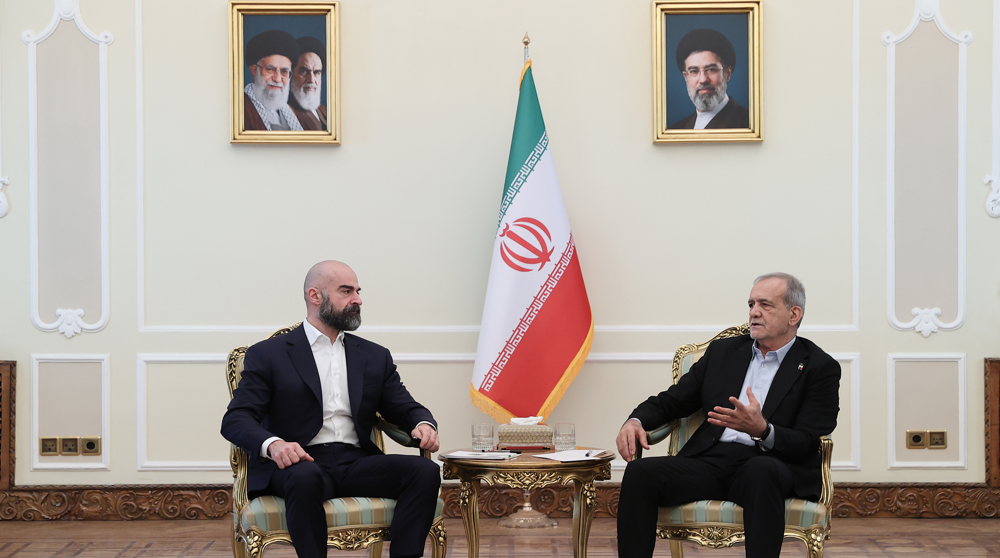
Pezeshkian: Iran ready to resolve issues with neighbors through diplomacy
Iraqi Kurdistan says will not allow territory to be used to threaten Iran



UN chief warns Israeli violence in West Bank raises ‘specter of ethnic cleansing’
VIDEO | ‘Korea gets nothing, loses everything, with Hormuz deployment’
Iran parliamentary commission approves penalties for violators of Hormuz laws
VIDEO | Trump’s war disrupts the world
Araghchi urges world to hold US accountable for ‘war crimes’ at UNGA
VIDEO | Press TV's news headlines
US F-16 fighter jet crashes at air base in Germany
Iran warns US against new attack, says Washington will gain ‘nothing but failure’


 PressTV NEWSLETTER
now
PressTV NEWSLETTER
now
 This makes it easy to access the Press TV website
