Enemies of Ummah seek to expand regional war, Pezeshkian tells Erdogan
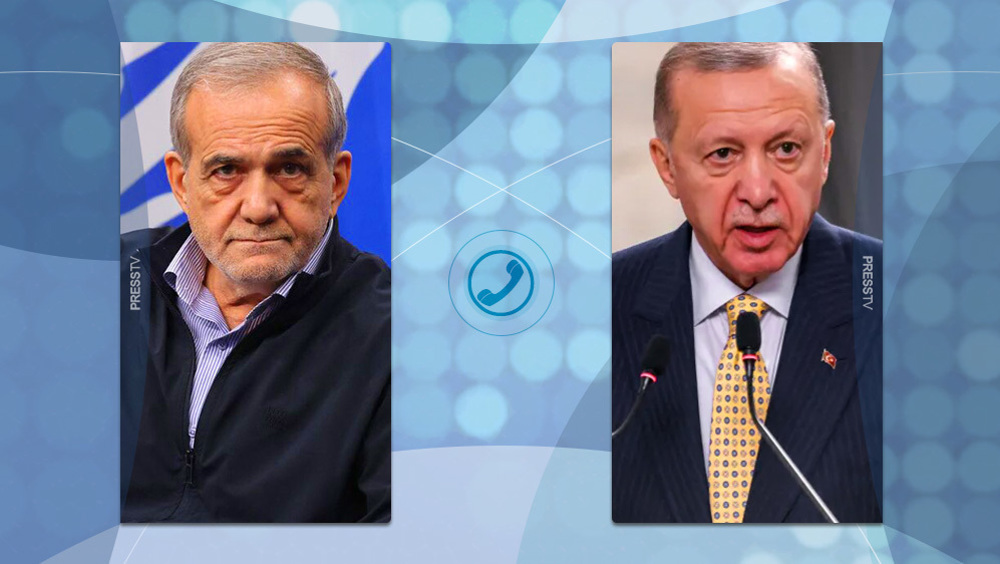
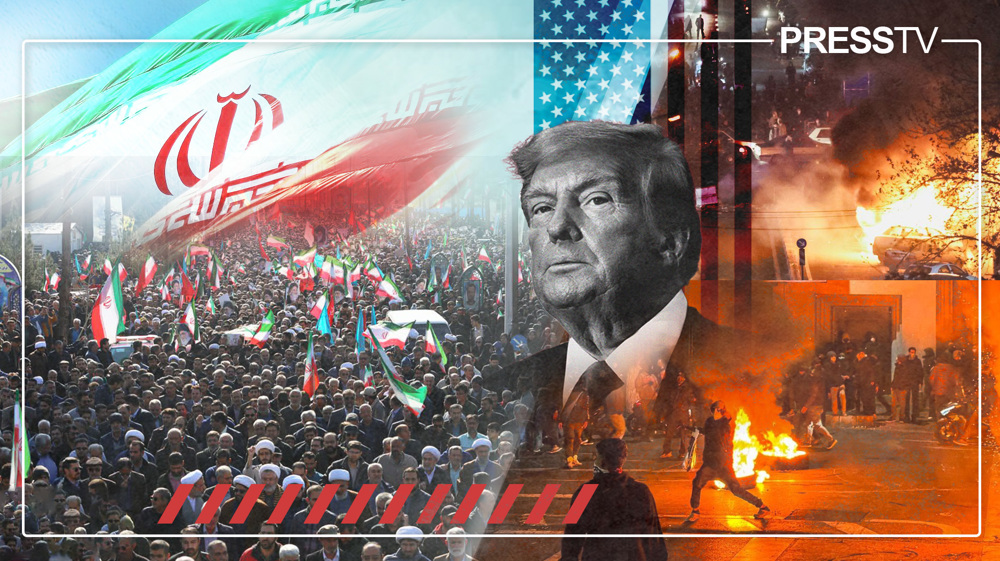
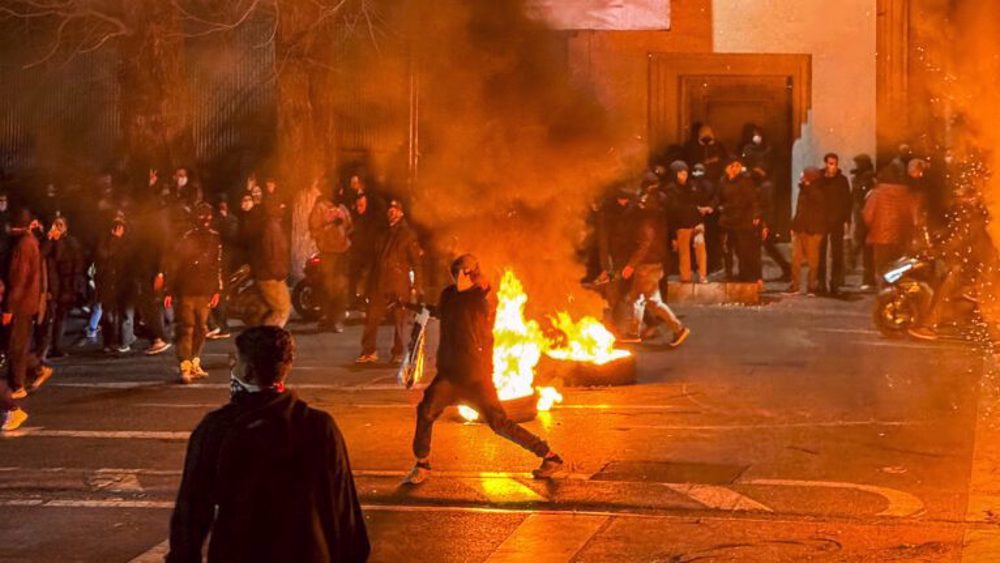
Iranian President Masoud Pezeshkian says enemies are working to spread terrorism and insecurity in the region by engineering internal crises in Muslim states, pointing to “direct” US-Israeli role in Iran riots.
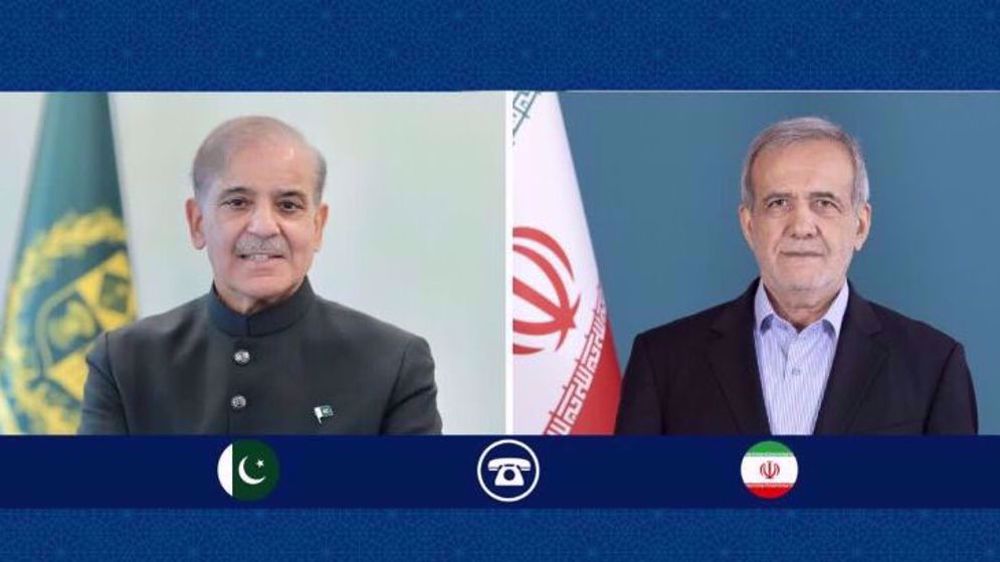
“The plan of the enemies of the Islamic Ummah is to expand and sustain war, terrorism, and insecurity in the region by creating internal crises in Islamic countries,” Pezeshkian told his Turkish counterpart, Recep Tayyip Erdogan, during a telephone conversation late Thursday.
Enemies, he maintained, “do not want Muslim nations to live in peace, security and stability.”
Pezeshkian thanked the Turkish government and people for their “firm, principled and brotherly” support for the Islamic Republic of Iran.
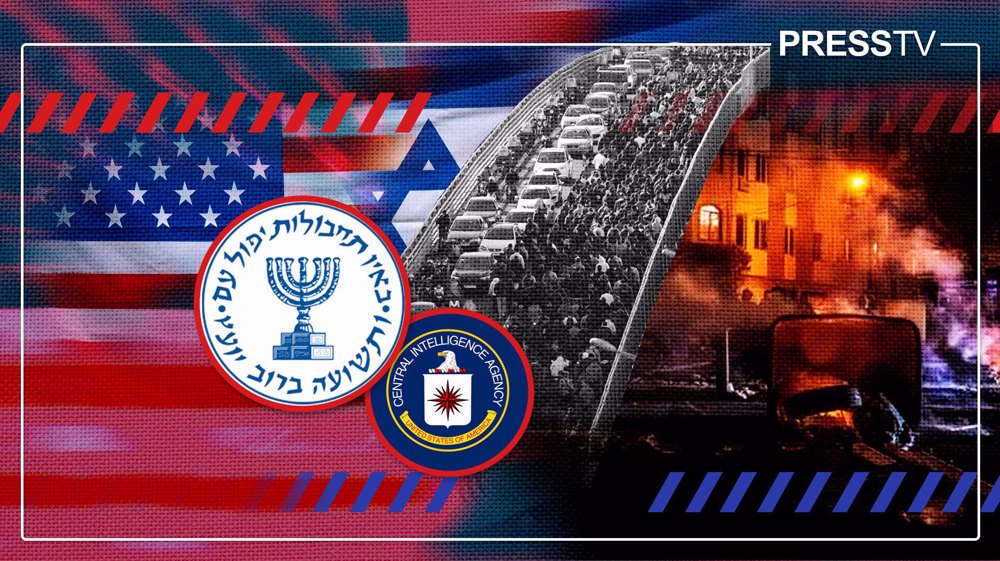
He said the recent riots in Iran had clear external dimensions and pointed to the “direct role” of the United States and the Israeli regime.
He said protests by some merchants and trade groups, sparked by economic problems caused by “unjust pressures and sanctions,” had initially been peaceful and were being managed toward resolution.
“However, groups of trained terrorists, with unprecedented actions such as setting fire to mosques and public and government centers, destroying rescue equipment, and killing civilians as well as security and law enforcement forces, sought to advance their destructive goals with the direct support of the United States and the Zionist regime,” Pezeshkian said.
Turkey’s president, Recep Tayyip Erdogan, says Iran’s peace and security are of strategic and vital importance to Ankara and rejects interventionist scenarios directed against Tehran.
— Press TV 🔻 (@PressTV) January 22, 2026
Follow Press TV on Telegram: https://t.co/LWoNSpkc2J pic.twitter.com/9myhnIUasE
“The million-strong presence of the Iranian people on the scene ultimately dismantled these conspiracies,” he said, referring to nationwide rallies on January 12.
He expressed confidence that unity, cohesion and convergence among Islamic countries, alongside comprehensive efforts to confront terrorism, would steer the region toward lasting calm and stability.
Elsewhere in the conversation, Pezeshkian praised the “excellent” level of relations between Iran and Turkey. “Relations between the two countries are on a very good path, and we are determined to further upgrade and strengthen bilateral ties,” he said.
He added that Tehran was looking forward to Erdogan’s visit for the ninth meeting of the two countries’ High-Level Cooperation Council.
Erdogan, for his part, offered condolences over the deaths of a large number of Iranian civilians and security personnel during the recent unrest.
He said peace, stability and security in Iran were of “extraordinary importance” for Turkey and stressed that Ankara had consistently voiced this position in all arenas and forums.
Praising Iran’s “principled, structured and responsible” approach to handling the protests and managing their de-escalation, Erdoğan said Iran had taken “very good measures” in the economic sphere.
“We have always rejected interventionist scenarios against the Islamic Republic of Iran, and today we also explicitly condemn and reject them,” he added.
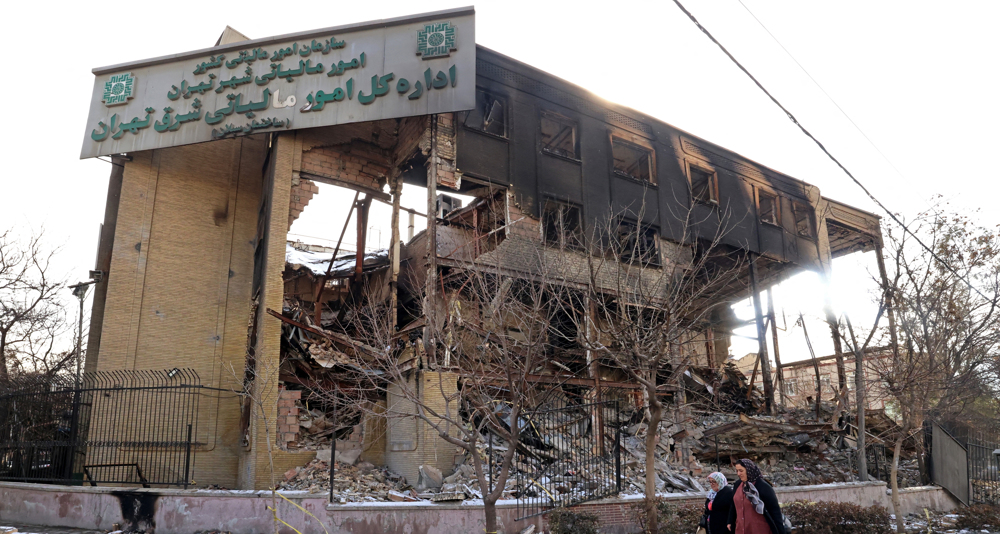
According to an official report released by Iran’s Security Council, organized foreign-backed terrorist cells hijacked peaceful protests and launched coordinated armed attacks aimed at creating mass casualties and destabilizing cities.
It said the peak of the violence came on January 8 and 9, when attackers carried out “Daesh-style crimes,” including beheadings, stabbings and burning people alive, alongside systematic assaults on bazaars, shops, banks, mosques, hospitals, ambulances and other public infrastructure.
The Security Council said intelligence findings showed the campaign targeted Iran’s social cohesion after the failure of military pressure, referring to the June 2025 US-Israeli aggression on Iran.
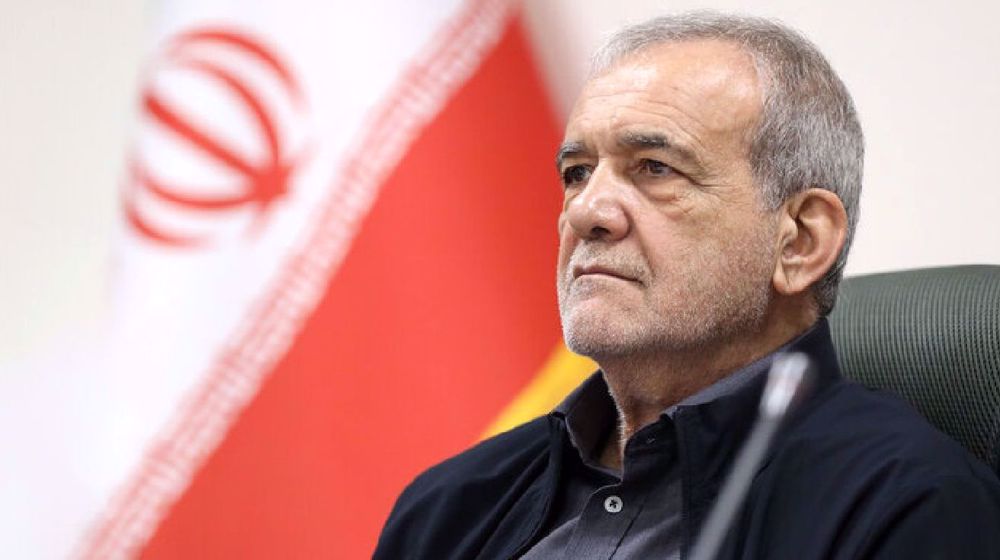
Pezeshkian to travel to New York on Tuesday to address UN General Assembly
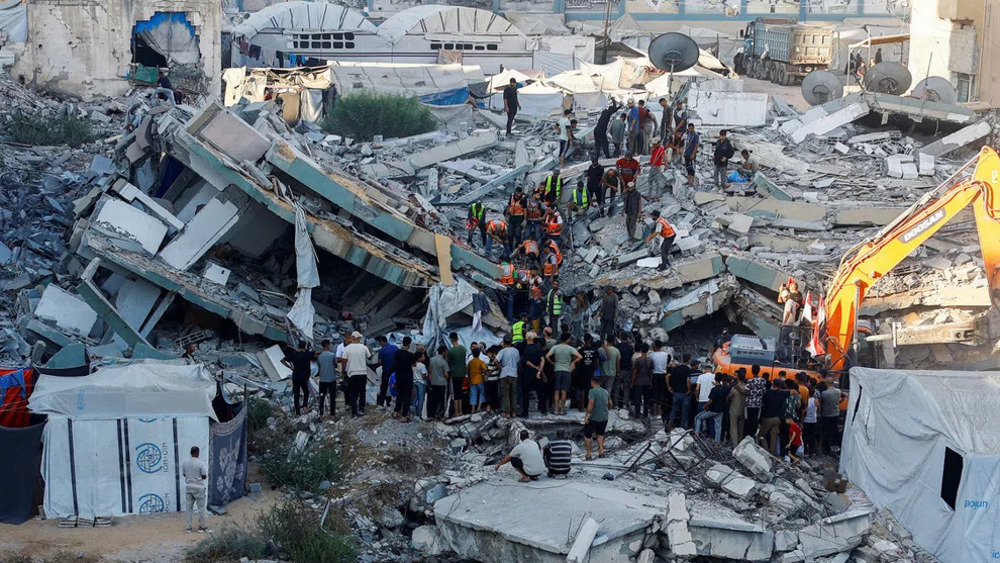
Israel’s unprecedented atrocities have dealt most devastating blows to UN’s credibility: Tehran
Grand Ayatollah Shobeiri Zanjani passes away at age of 98



US aggression, economic warfare amount to crimes against humanity: Iran's UN envoy
Protests erupt in US as ICE agent shoots Venezuelan driver
US pressure fuels cooperation among Muslim states: Pezeshkian
Major TV networks suspend White House pool coverage after Trump ban
US visa ban on Palestinian UN delegation violates international agreements: Hamas
VIDEO | Press TV's news headlines
Iran calls on France to respect law after suspending French cultural institute in Tehran
Israel lobby no longer shy about its grip on US policy on Iran: Araghchi


 PressTV NEWSLETTER
now
PressTV NEWSLETTER
now
 This makes it easy to access the Press TV website
