Blair distances himself from Trump’s $1bn ‘Board of Peace’ fee
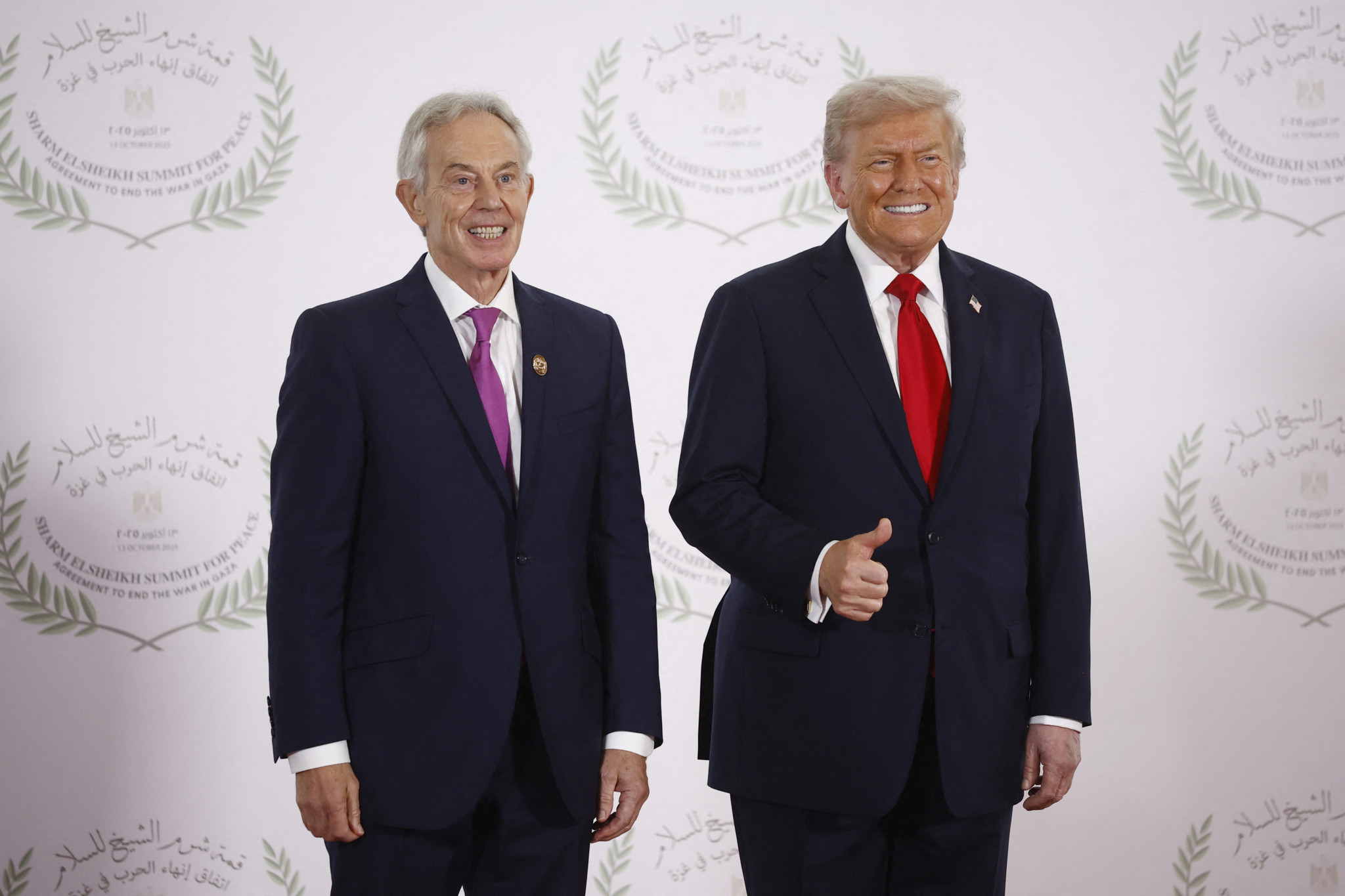
Tony Blair, the former British prime minister appointed to the executive panel of US President Donald Trump’s newly proposed "Board of Peace (BOP)", has sought to distance himself from a plan that would require countries to pay $1 billion for permanent membership.
Questions over the controversial fee intensified on Sunday, as Blair made clear he had no role in setting the price tag attached to long-term participation in the board, amid growing scrutiny over whether the United Kingdom or other allies would comply with Trump’s terms.
According to a draft charter of the organization, member states would be limited to a three-year term unless they contribute $1 billion within the first year to secure permanent status.
A spokesperson for Blair said on Sunday that the former prime minister is not involved in decisions related to the board’s membership and would not publicly back the proposed fee.
The spokesperson added that any questions regarding the $1 billion requirement should be addressed directly to the Trump administration.
The terms set out by Trump are expected to deter several countries from participating altogether. Others may signal interest in joining the "Board of Peace" while rejecting the idea of paying for permanent membership, opting instead to challenge the demand or withdraw if the White House insists on it, observers said.
Canadian Prime Minister Mark Carney said on Sunday that he had agreed in principle to join the board but not to any financial payments attached to membership.
“With respect to the specifics of the Board of Peace, we have not gone through all the details of the structure, how it is going to work, what financing is for, et cetera. And so we will work through those in the coming days,” he said.
A Canadian official later confirmed that Ottawa will not pay for a seat and that the draft charter remains under discussion.
Canada, the official added, views participation as a way to influence the process from within rather than endorse its financial or political framework.
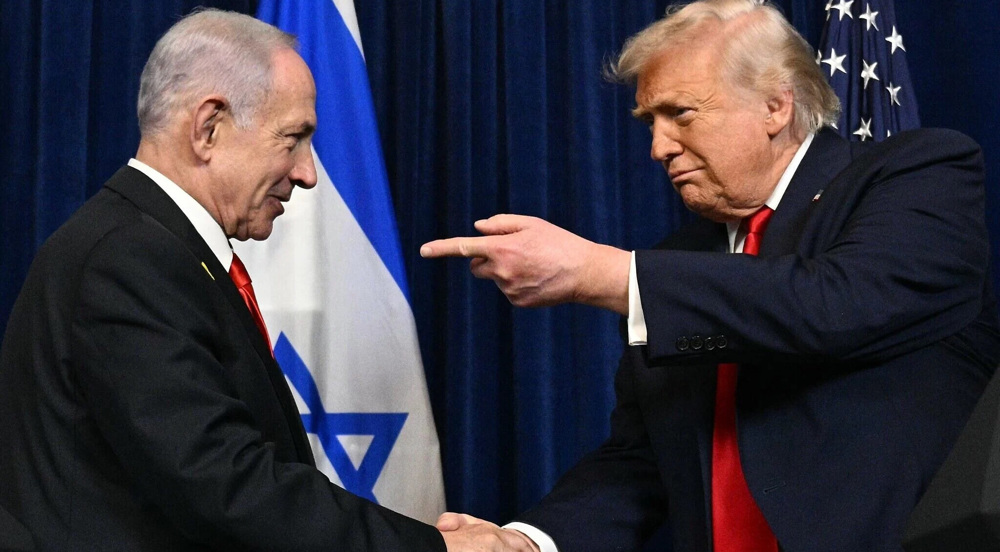
The so-called Board of Peace is intended to oversee the second phase of Trump’s 20-point Gaza plan, which faces Israel’s repeated violations of the first phase that began under a ceasefire agreement on October 10, 2025, between the occupying entity and the Palestinian resistance movement Hamas.
The initial phase focused on halting Israeli aggression, enabling the exchange of captives, defining limits for Israeli withdrawal from Gaza, allowing full humanitarian access, and reopening the Rafah crossing between Gaza and Egypt. None of these provisions has been fully respected by Israel.
Although the intensity of Israeli attacks reportedly declined after the ceasefire, Israeli forces have killed at least 464 Palestinians and injured 1,275 others since October 10, an average of nearly five deaths per day under what was presented as a ceasefire.
Under the agreement, Hamas released all 20 living Israeli captives in exchange for nearly 2,000 Palestinian abductees and returned 27 of the 28 bodies of deceased captives.
The final body is believed to remain buried beneath rubble left by Israeli bombardment. Israel, however, has not freed all women and child abductees as required by the terms of the agreement.
In addition, Israeli forces have not fully withdrawn to the designated “yellow line,” continue to obstruct the flow of humanitarian aid, and have kept the Rafah crossing closed, deepening the humanitarian crisis in Gaza.
Since Israel launched its genocidal campaign on October 7, 2023, more than 71,000 Palestinians have been killed and over 171,000 wounded, the vast majority of them women and children, amid unwavering political and military backing from the United States.
Hezbollah leader: Iran thwarted US-Israeli war goals; ultimate victory belongs to resistance
Four Palestinians, including child, killed in Israeli attacks across Gaza
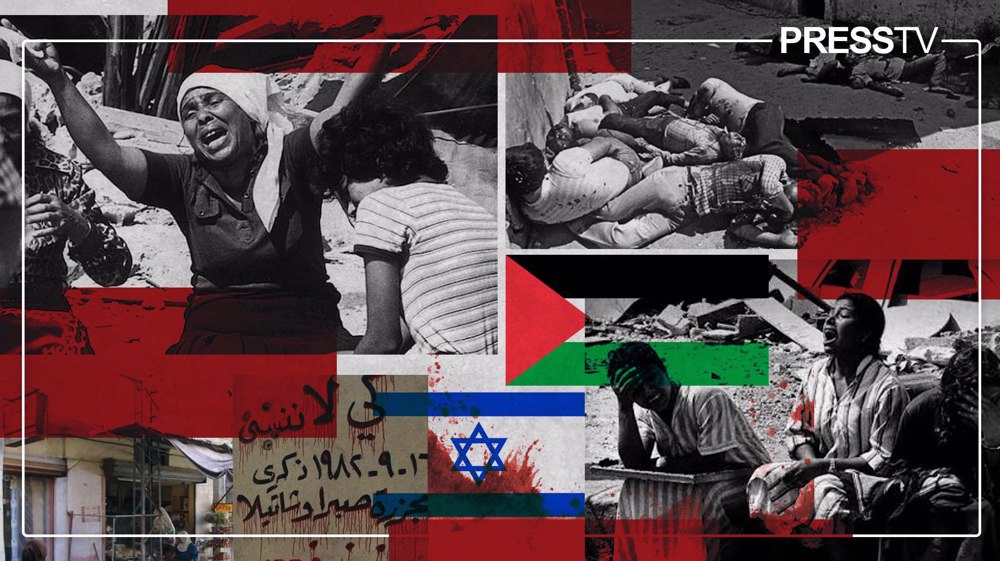
Remembering Sabra and Shatila massacre: Why memory is the ultimate shield against erasure



Gaza health system nears collapse amid shortages and fuel crisis
Saudi Arabia bombs Yemen 760 times since escalating aggression
VIDEO | Press TV's news headlines
VIDEO | Saudi Arabia, UAE helping US, Israelis to fulfill their mission in region: Analyst
VIDEO | Israel’s targeting of Palestinian journalists part of broader campaign to control narrative: Analyst
Iran Army downs US Orbiter reconnaissance drone over Strait of Hormuz
Iran must fight US blockade with energy blockade: Deputy speaker
North Korea launches 2 ballistic missiles, dials up pressure on US



 PressTV NEWSLETTER
now
PressTV NEWSLETTER
now
 This makes it easy to access the Press TV website
