Fake deaths and celebs: Inside the farcical info war against Iran amid foreign-backed riots
By Press TV Staff Writer
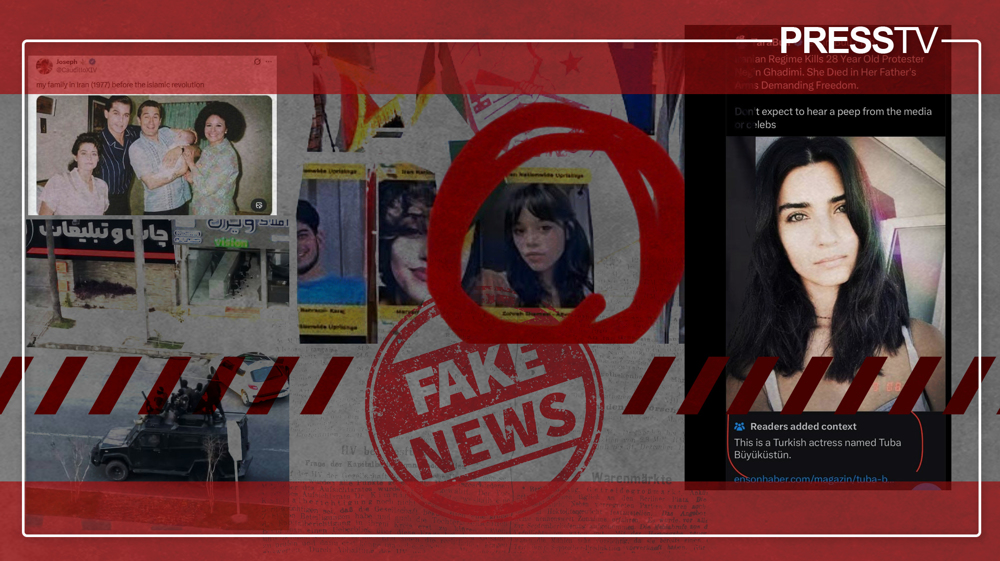
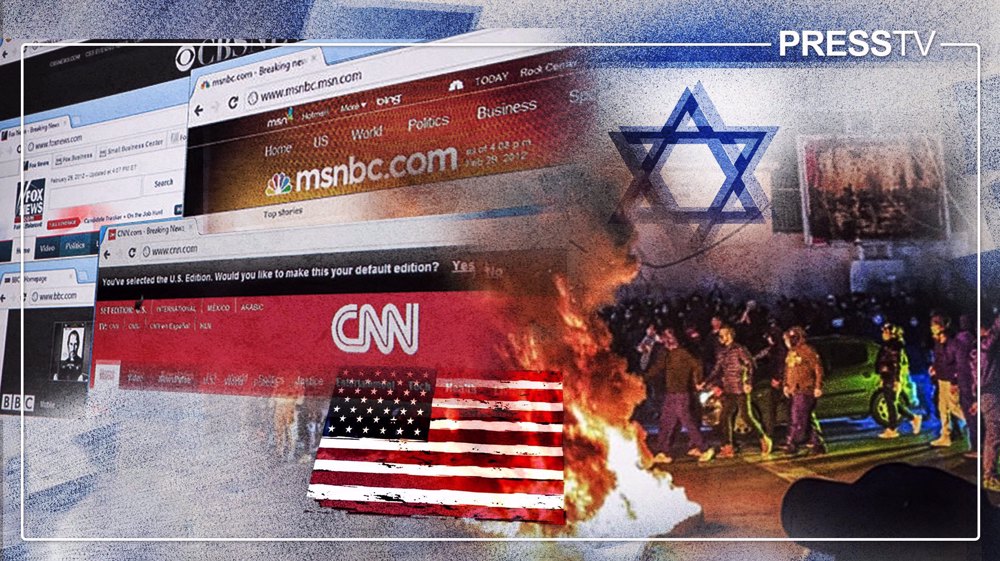
After hijacking peaceful protests centered on economic grievances, the instigators of deadly riots are now resorting to an online disinformation campaign, circulating fabricated images and false claims of deaths linked to the foreign-backed terrorism across the country.
In late December, Iranian merchants, concerned about the devaluation of the national currency, the rial, and rising inflation, took to the streets in Tehran to stage peaceful demonstrations.
However, only days into the protests, foreign intelligence agencies swung into action and manipulated what were largely peaceful protests to push their “regime change” agenda against Iran.
They encouraged armed violence and openly offered moral and material support to terrorist elements, many of them trained and armed by Mossad and CIA, according to officials.
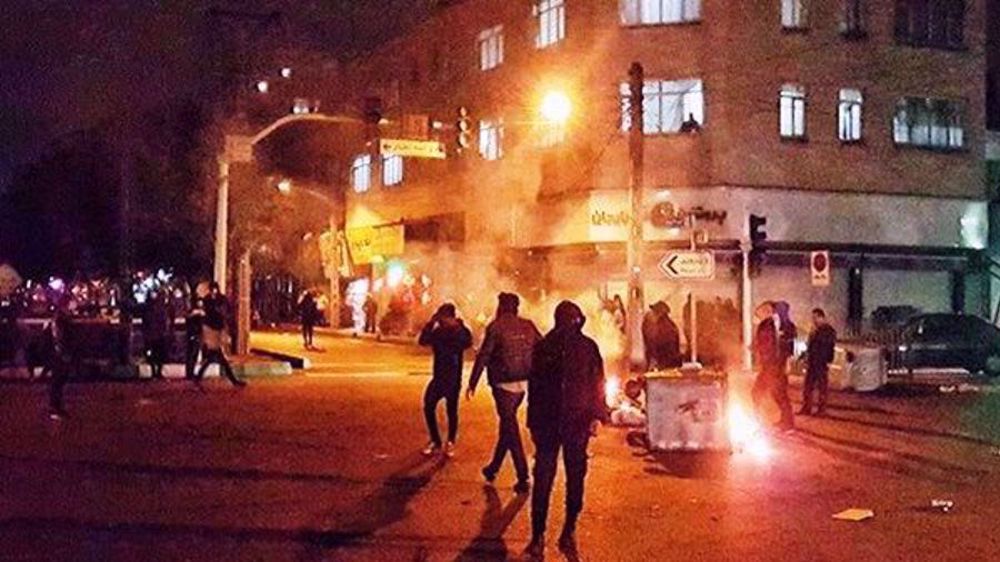
As a result, the protests transformed into deadly riots in multiple cities across the country, with trained agents linked to the spy agencies of the US and the Israeli regime wreaking havoc across the country.
Public and private properties were torched, including shops, banks, and places of worship, and both security forces and civilians—including women and children—were killed in cold blood.
Iranian security forces then managed to restore order by arresting the leaders of the externally driven riots and sedition, quelling the unrest and dismantling the Israeli-US plots against the Islamic Republic.
After failing in this phase, the masterminds, remotely controlling and directing the whirlpool of violence and vandalism, shifted tactics and launched a no-holds-barred social-media influence operation.
Israeli-linked accounts started circulating images of individuals they claimed had been killed by Iranian security forces during the riots, backed by false evidence.
This attempt, however, quickly began to unravel. As numerous users on X revealed, many of the images shared by these accounts belonged not to victims of unrest, but to actors and public figures.
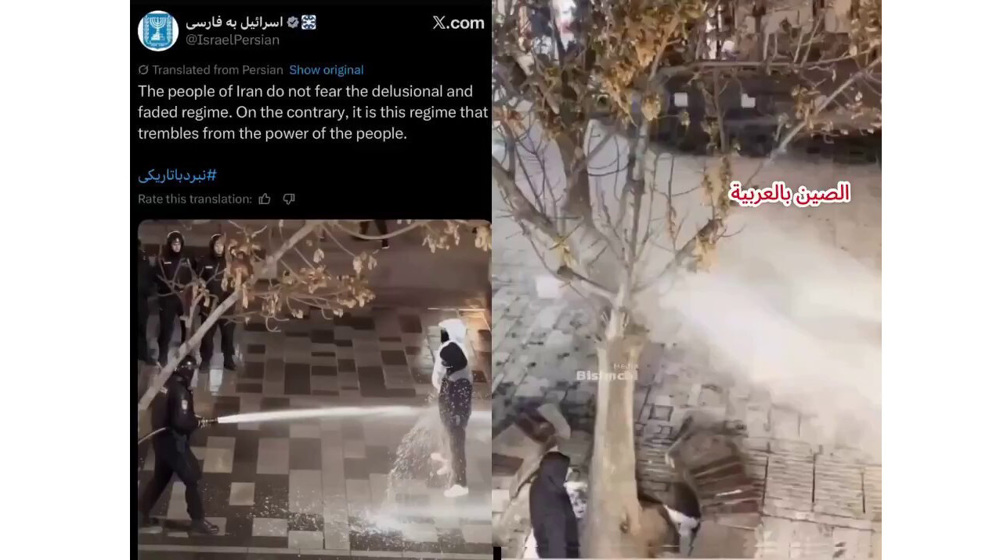
The campaign was not limited to fabricated photos; it also included AI-generated videos purporting to show the violent suppression of "protesters" using water cannons, as well as alleged footage of foreign security forces operating inside Iran to control the unrest.
One social-media account operating under the handle @TaraBull, which carries a blue verification tick on X, claimed that a 28-year-old protester, Negin Ghadimi, was killed during the riots in Iran “in her father’s arms demanding freedom.”
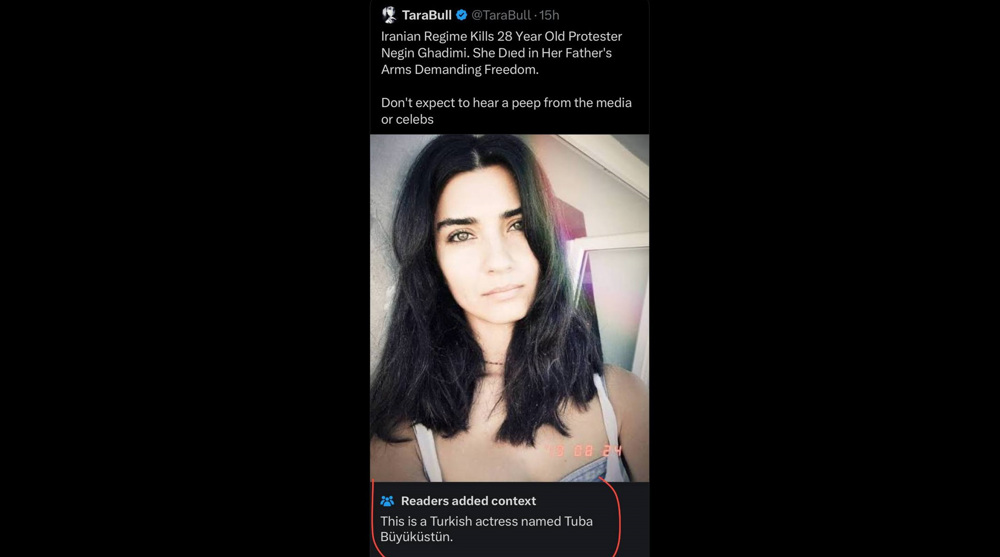
However, X users soon pointed out that the image attached to the post actually belonged to Tuba Büyüküstün, a well-known Turkish actress. Following the exposure, the original post was deleted.
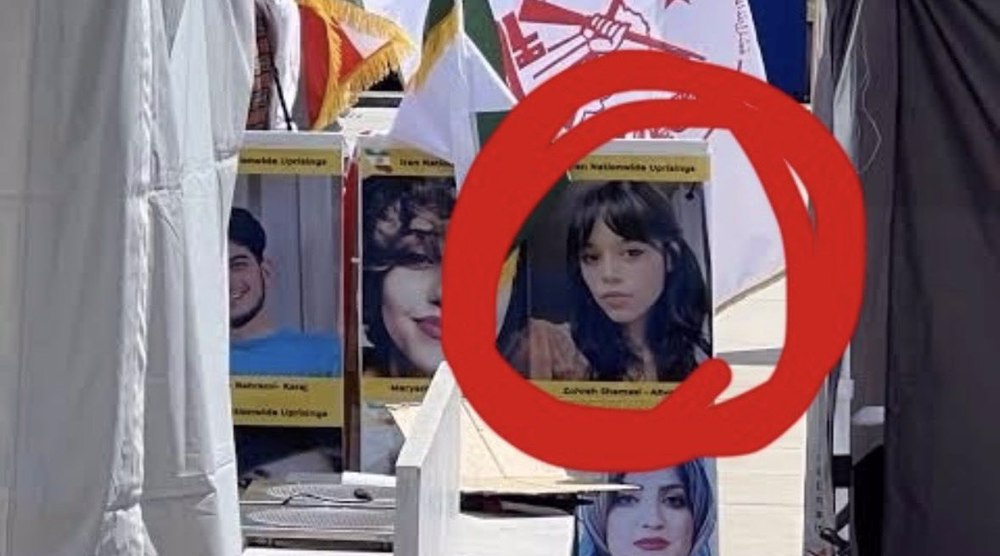
Israeli-linked accounts also recycled older images of women they had previously claimed were killed in Iran’s retaliatory operations against the Israeli regime, following the unprovoked Israeli aggression against the country in June last year.
One of the photos circulated during the campaign belonged to American actress Jenna Ortega, known for her role in the popular TV series Wednesday.
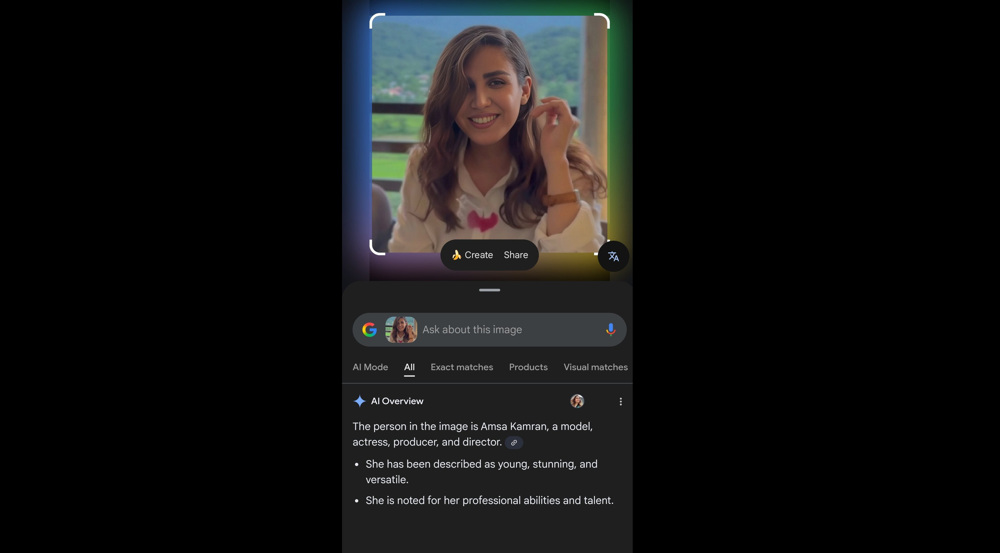
Another Israeli user, Noa Magid—whose biography describes her as a journalist—shared a photo of a woman identified as Nasrin Zaremanesh, 39.
Magid claimed that Nasrin was the mother of a 15-year-old son and a 10-year-old daughter, falsely claiming that she was shot in Tehran, struck by one bullet to the neck and another to the heart, and died in her son’s arms while being transported to a hospital.
Social media users later revealed that the image actually belonged to Asma Kamran, a model and actress based in Pakistan.
In yet another futile attempt to shape and influence public perception, Italian television network aired an image taken from the 1990 mobster film Goodfellas, falsely presenting it as an authentic photograph of an Iranian family before the Islamic Revolution in 1979.
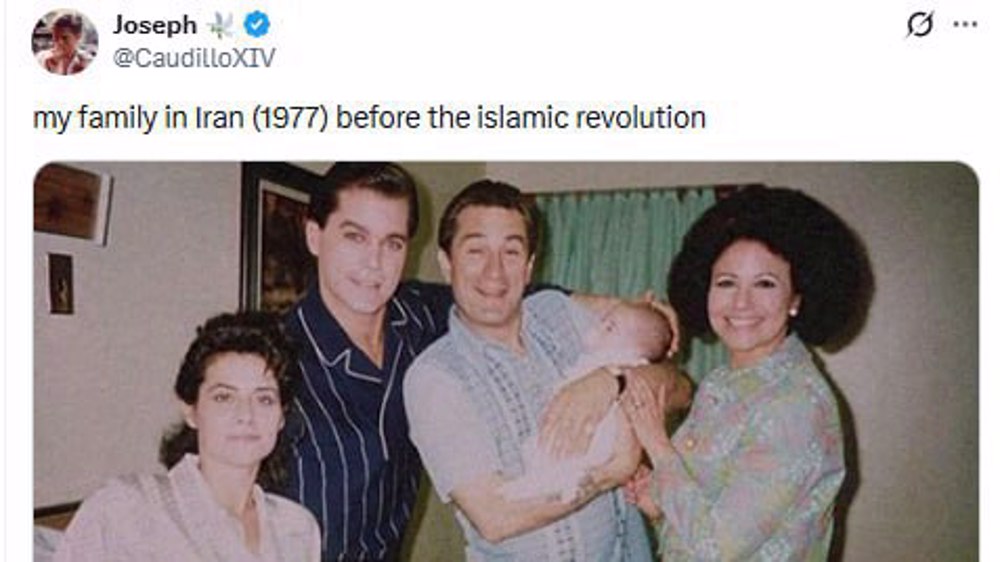
Reacting to the blunder, Pakistani writer and columnist Fatima Bhutto wrote on X, “Laughable that Israel spends so much money on hasbara and ends up with this,” highlighting the repeated failures of the Israeli regime’s propaganda apparatus.
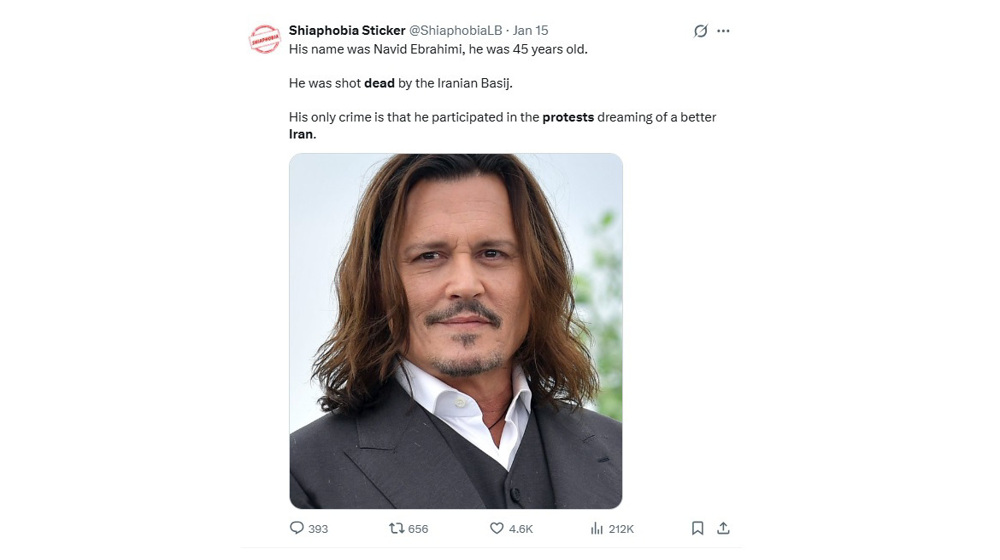
In response to such farcical efforts, social media users mocked the campaign by deliberately sharing images of well-known actors, including Jason Statham and Johnny Depp, falsely labeling them as victims of the recent riots in Iran, further exposing the lack of credibility behind the disinformation drive.
In another instance, Israel’s foreign ministry's Persian-language X account posted a video on January 1—before the protests turned violent—showing Iranian security forces allegedly using water cannons against protesters.
Users subsequently demonstrated that the video had been generated using artificial intelligence.
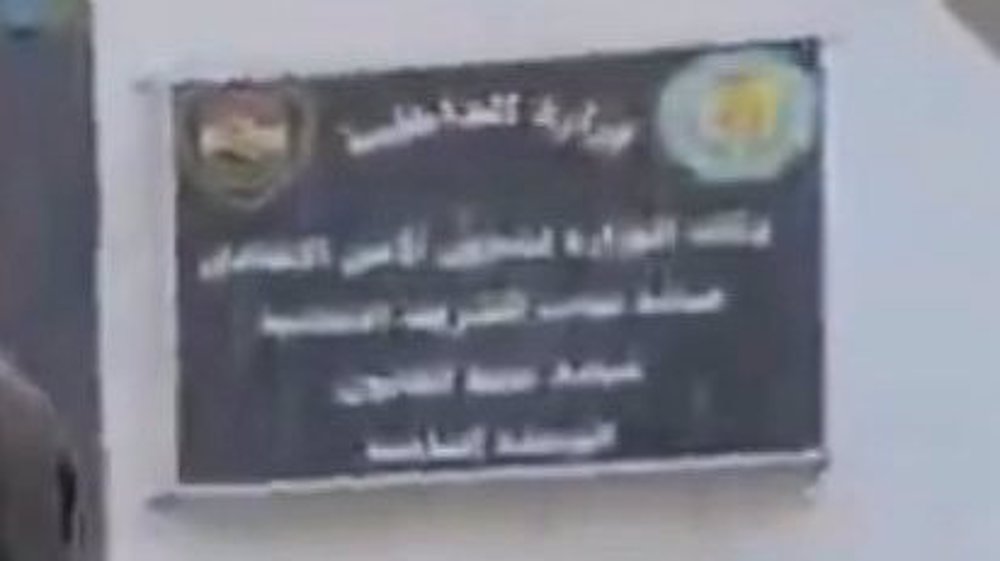
Behnam Gholipour, a pro-Israel journalist based in the Czech Republic, also shared a video claiming that Iraqi forces affiliated with the armed wing of the Islamic Movement of Iraq were present in the streets of Tonekabon, a city in northern Iran, assisting Iranian security forces in controlling the riots.
Users, however, noted that an Arabic sign visible in the footage clearly indicated the location was an Iraqi government-owned facility inside Iraq.
Iraqi Prime Minister adviser Hussein Allawi categorically rejected the claims, describing reports of Iraqi resistance fighters entering Iran as “misleading” and aimed at undermining Iraq-Iran relations.
This is not the first time the Israeli regime has attempted—and ultimately failed—to weaponize social media in order to foment chaos inside Iran.
In October, the University of Toronto’s Citizen Lab, a renowned digital research group specializing in spyware, surveillance, and state-sponsored deception, revealed the existence of a coordinated Israeli-backed network of fake X accounts employing AI-driven tactics to spread disinformation and unsuccessfully incite unrest and indoctrinate the Iranian public against their government.
According to Citizen Lab, the network—dubbed “PRISONBREAK”—was established in 2023 but gained significant momentum following the unprovoked and illegal Israeli military aggression against Iran in June.
Around the same time, Israel’s daily newspaper Haaretz disclosed that the regime had run another covert campaign using fake accounts and AI-generated content to promote Reza Pahlavi, the son of Iran’s deposed Shah.
The self-proclaimed “crown prince,” who has been unapologetic about his close ties with Israeli Prime Minister Benjamin Netanyahu, senior Israeli officials, and allied lobby groups—going so far as to travel to the occupied territories to publicly endorse the regime’s occupation, genocide, and settler-colonial policies—also sought to exploit the recent situation in Iran.
He openly called on Mossad- and CIA-linked sleeper cells inside Iran to incite riots and hijack what had begun as peaceful protests over economic issues.
Further exposing the scale of the operation, an extensive data analysis published by Al Jazeera on Wednesday detailed how a coordinated campaign involving Israeli regime officials and suspicious accounts attempted to exploit the protests in Iran.
The campaign was accompanied by a flood of posts proclaiming an imminent “decisive moment” in Iran’s history while presenting themselves as the authentic voice of the Iranian people.
However, an examination of the sources of this interaction and its dissemination pathways revealed that the digital campaign did not originate organically from within Iran.
✍️Exposed: Israeli-backed AI network weaponized X to foment chaos in Iran during 12-day war
— Press TV 🔻 (@PressTV) October 6, 2025
By Maryam Qarehgozlouhttps://t.co/Uj2Rka0jWj
Instead, it was driven by external networks—primarily accounts linked to Israel or pro-Israel circles—that played a central role in manufacturing momentum and steering the narrative toward specific US-Israeli plots.
The analysis found that 94 percent of the 4,370 posts examined were retweets, with only a negligible share consisting of original content.
More strikingly, fewer than 170 accounts produced original material, yet the campaign managed to reach more than 18 million users.
This stark imbalance between a small number of sources and massive reach is a classic indicator of coordinated influence operations, commonly referred to as “astroturfing,” in which pre-packaged messaging is artificially amplified to create the illusion of widespread public consensus.
The campaign also heavily promoted Pahlavi as the sole “political alternative” while explicitly calling for foreign military intervention, amplifying statements by US President Donald Trump regarding Washington’s readiness to intervene militarily.
Dozens of accounts within the network further directed messages at Netanyahu, urging direct Israeli involvement in Iran.
The repeated exposure of fake images, fabricated videos, recycled footage, and artificially amplified narratives underscores the persistent failure of US- and Israeli-backed information warfare against Iran.
Despite significant financial, technological, and political investment, these influence operations have consistently collapsed under basic scrutiny, revealing not only their manufactured nature but also the extent to which external actors continue to rely on deception, astroturfing, and psychological operations to destabilize Iran when other avenues of pressure, including military aggression, prove ineffective.
Iran military warns US of ‘more severe blows’ to warships if aggression continues
Iran releases details of US bomb used in attack on wedding ceremony
US military claims it struck three Iranian oil tankers in Persian Gulf waters



VIDEO | News Review: Trump downplays war on Iran, calling it 'small potatoes'
Iran condemns US attacks on oil tankers as violation of international law
VIDEO | News Review: US attacks Iran oil tankers
VIDEO | Nuclear madness: Who can stop Trump?
Iran military warns US of ‘more severe blows’ to warships if aggression continues
‘Governments continue to fail’: Freedom Flotilla sails again to break Israel’s Gaza blockade
US approves $5 billion arms sale to Saudi Arabia as it renews aggression against Iran
VIDEO | Palestinian football returns after 3-year pause due to genocidal war



 PressTV NEWSLETTER
now
PressTV NEWSLETTER
now
 This makes it easy to access the Press TV website
