Tear gas, death, denial: Trump’s ICE crackdown sparks nationwide uprising
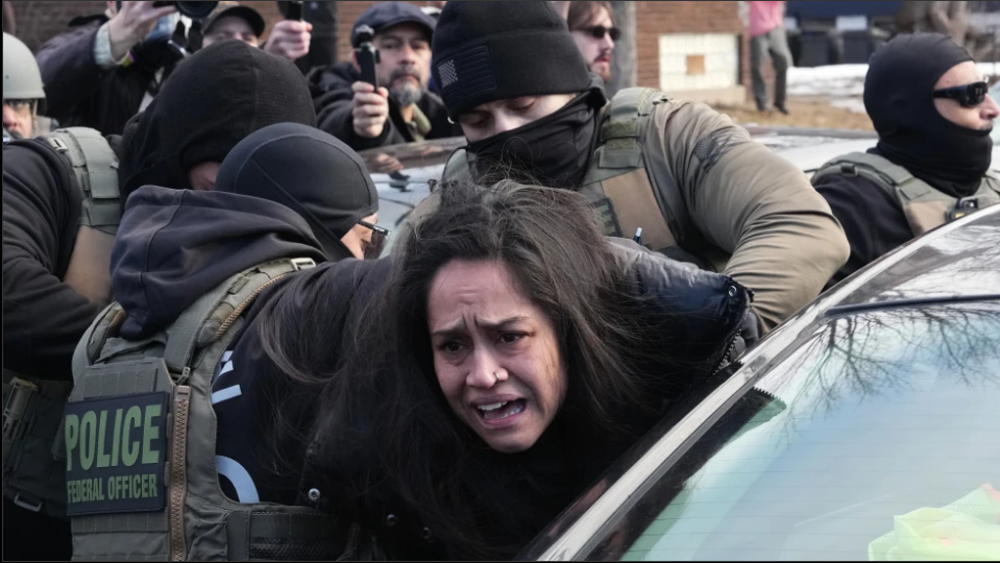
The US has escalated crackdown on protests against Immigration and Customs Enforcement, firing tear gas and spraying chemical irritants into crowds as demonstrations against the Trump administration’s immigration policies intensified across the United States.
In Minneapolis on Tuesday, federal agents repeatedly deployed tear gas and eye irritants against protesters, filling city streets with choking clouds of chemicals near the site where a demonstrator was recently killed.
Witnesses described chaotic scenes in which officers sprayed an orange chemical agent from a moving Jeep before driving away, leaving one man screaming and rubbing snow into his eyes in desperation.
The protests erupted following the fatal shooting of 37-year-old Minneapolis resident Renee Good by an ICE officer last week, an incident that has become a flashpoint for outrage over what critics describe as militarized immigration enforcement.
The shooting occurred during the second day of what the Department of Homeland Security has called the largest immigration operation in US history, centered on the Twin Cities.
Despite mounting video evidence and eyewitness testimony, the Trump administration has insisted the killing was an act of self-defense. Local officials have forcefully rejected that claim.
Minneapolis Mayor Jacob Frey dismissed the justification as “garbage,” saying Good posed no threat to federal agents at the scene.
Public anger has spread well beyond downtown Minneapolis. In Brooklyn Park, Minnesota, students walked out of school to protest the crackdown, joining similar demonstrations by young people in other communities nationwide.
Elsewhere in the city, large crowds gathered outside a hotel housing federal officers, beating drums and blowing whistles as helmeted agents carrying batons stood guard.
Tensions boiled over outside a federal building serving as a command center for the operation, where confrontations broke out between protesters and officers.
Civil liberties advocates say the aggressive policing tactics—combined with the scale of the federal deployment—amount to collective punishment of entire communities.
Minnesota, along with Minneapolis and St. Paul, filed a lawsuit Monday seeking to halt what they called a “federal invasion” of the state.
The suit challenges the deployment of more than 2,000 DHS agents and argues that the administration has violated the 10th Amendment by overriding the state’s authority to police itself.
International condemnation followed swiftly. The United Nations’ High Commissioner for Human Rights demanded an independent investigation into Good’s killing, underscoring that international law permits lethal force only as a last resort against an imminent threat.
“There must be accountability,” UN spokesperson Jeremy Laurence said.
The fallout has also reached the US Attorney’s Office. At least five federal prosecutors have resigned amid internal disputes over how the Department of Justice is handling the case, according to people familiar with the matter.
One senior DOJ official, however, said Wednesday there was no basis for a criminal civil rights investigation—an assertion likely to further inflame critics who see a pattern of impunity.
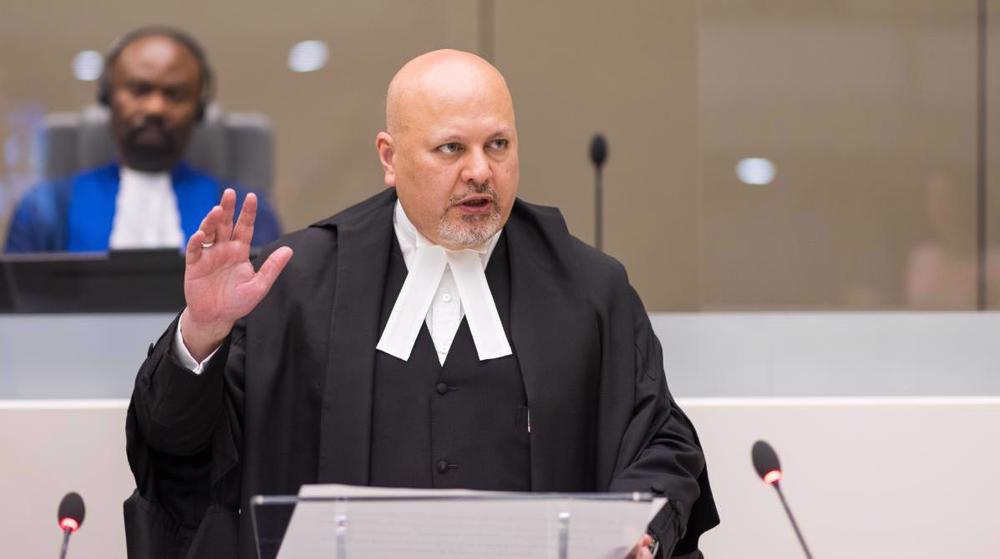
ICC member states remove Karim Khan as chief prosecutor amid ‘immense political pressure’

Handala warns of expanded cyber campaign against US critical infrastructure
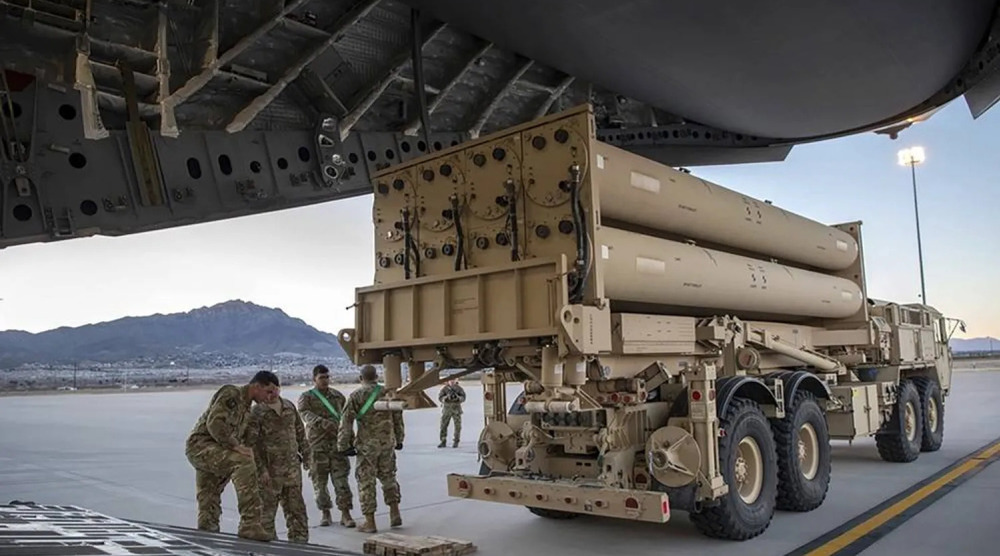
US House passes $1.15 trillion war bill bolstering Israel cooperation



VIDEO | Pundit: Regional fallout deters further military escalation against Iran
Iranian strikes forced US to halt, revisit regional strategy: Army spokesman
Iran strongly condemns deadly Ukrainian attack on commercial vessel, warns of consequences
Rights group: Over 1,000 Palestinian children displaced in West Bank this year
Israel lobbied for ICC prosecutor Karim Khan's removal: Media
VIDEO | Yemeni forces strike deep inside Saudi Arabia after latest Riyadh aggression
Iran destroyed 11 US aircraft, helicopters at regional bases in two weeks: IRGC
Iran calls for full implementation of Yemen roadmap to end humanitarian suffering


 PressTV NEWSLETTER
now
PressTV NEWSLETTER
now
 This makes it easy to access the Press TV website
