Iran says internet will remain blocked until calm is restored
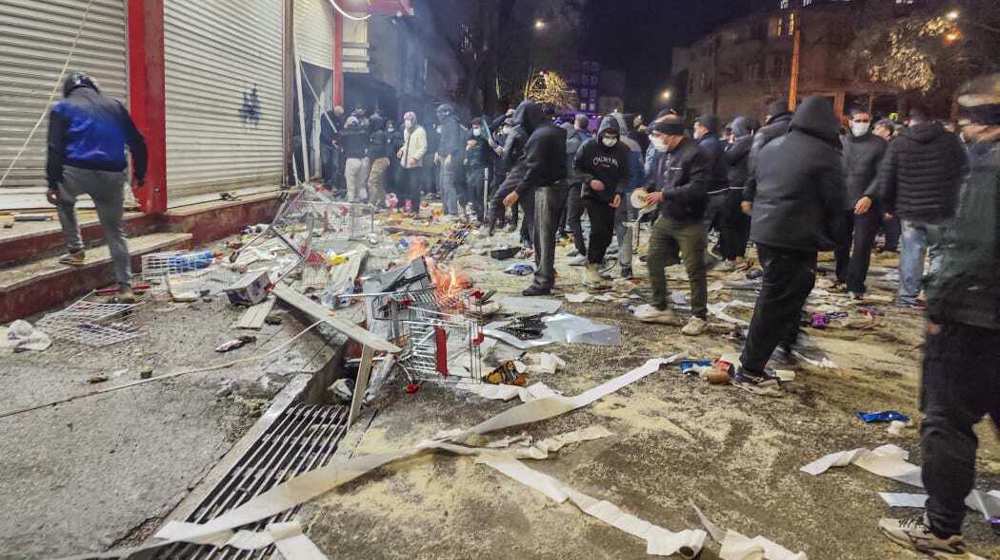
Iran’s top cyberspace authority has said that access to the global internet will remain restricted until officials determine that full security has been restored following riots and terrorist acts targeting public institutions.
The president of Iran’s National Center for Cyberspace said on Monday that lifting the internet ban, imposed on January 9 after widespread unrest in several cities, requires further patience and deliberation.
“The time to return to normal conditions will be announced in the future, and authorities must certainly brief us on security considerations,” Mohammad Amin Aqamiri was quoted as saying by the official IRNA news agency.
Aqamiri argued that the internet shutdown was necessary to counter “cognitive warfare” conducted by Iran’s enemies in cyberspace.
He added that the domestic intranet system, activated to maintain basic online services, would be strengthened to offset the lack of access to the global internet.
According to him, people currently have normal access to online banking and shopping services through the National Information Network (NIN).
“The NIN is a platform through which we can guarantee stable services for the public,” Aqamiri said, adding that domestic messaging apps, search engines, and artificial intelligence services will expand to minimize disruptions to daily life.
Iran’s telecoms minister, Sattar Hashemi, also said on Monday that the government and all its departments will comply with the decision made by top security officials to maintain the internet blockade.
However, he added that his ministry will continue efforts aimed at eventually lifting the restrictions.
The government says that hundreds of civilians and security personnel were killed in the nightly unrest and attacks that began on January 8 and continued for several days.
The events followed earlier peaceful demonstrations by citizens and business owners in major cities, driven by frustration over rising foreign‑exchange rates and their impact on Iran’s economic conditions.
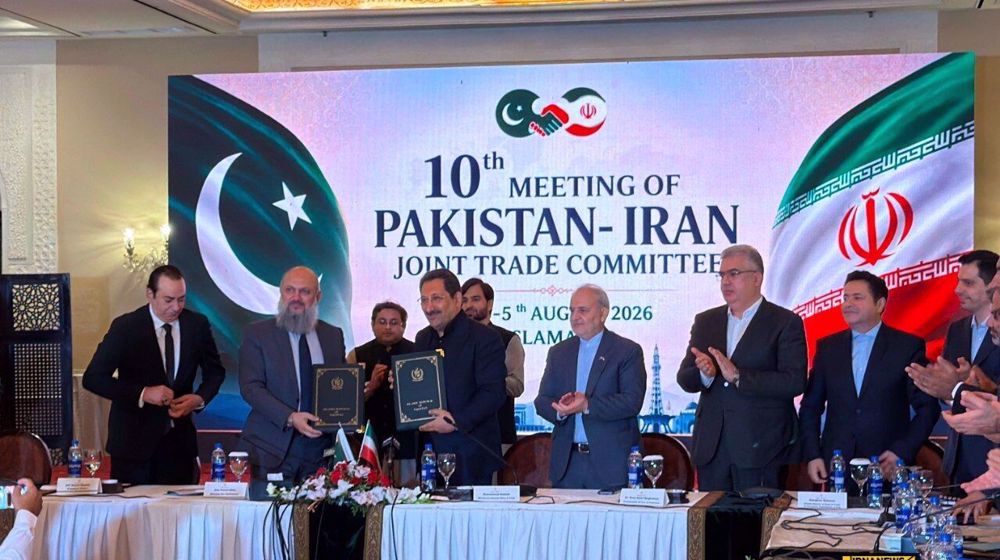
Iran, Pakistan commit to $10 billion trade goal with new partnership deal
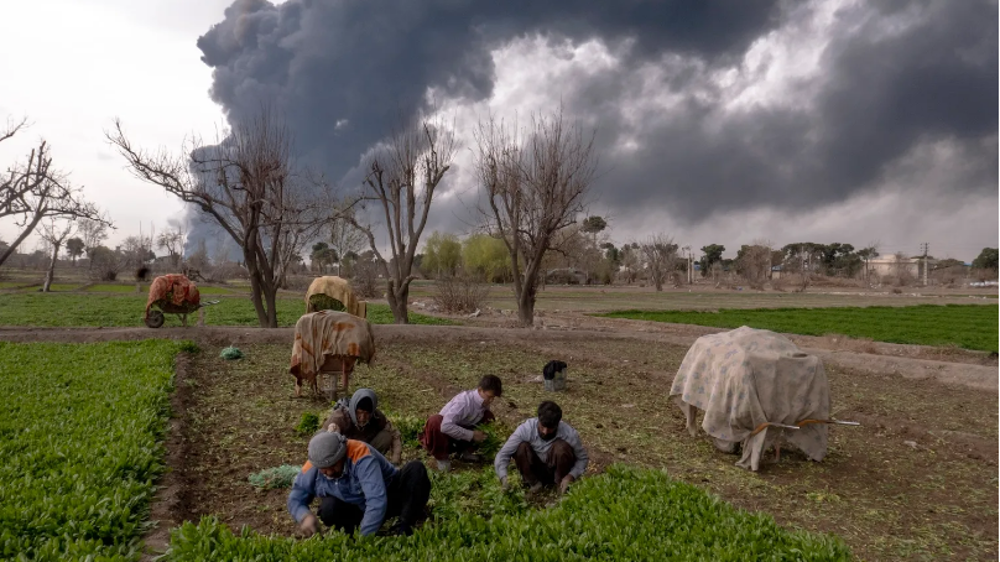
The untold story of hidden war on Iran's dinner table
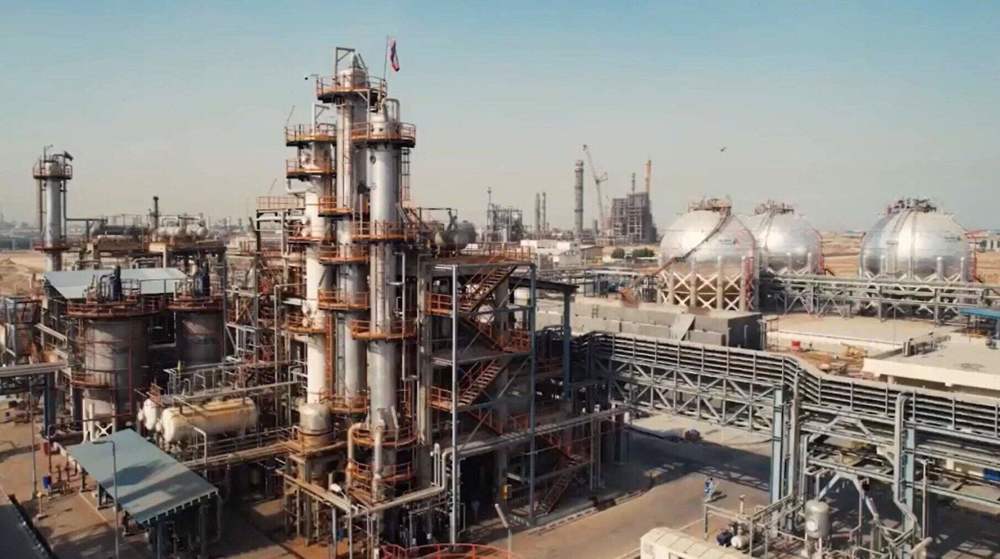
Iran localizes 2,000 sanctioned petrochemical components to boost domestic production



Iran hails journalists’ role in defending truth, national unity
Brazil, Mexico strengthen ties amid tension between Lula and Trump
Ansarullah: UN Security Council has lost credibility; its resolutions worthless
Ceuta's migration crisis exposes hidden price of Spain's defiance against US-Israel-Morocco axis
Trump’s top general seeks way out of Iran war as US military options narrow: Report
Foreign media’s admission of Trump’s defeat reflects efforts of revolutionary media: IRGC
VIDEO | 'Mecca Joint Defense Agreement': Strategic shift or regional security dynamics?
Iran will resist any attempt to force it into submission: Pres. Pezeshkian


 PressTV NEWSLETTER
now
PressTV NEWSLETTER
now
 This makes it easy to access the Press TV website
