

Aidarous al-Zubaidi, head of Yemen’s separatist Southern Transitional Council (STC), has reportedly fled to an unknown location as tensions escalate between Saudi Arabia, the UAE, and their former Yemeni ally.
Saudi Arabia announced on Wednesday that al-Zubaidi failed to board a scheduled flight to Riyadh for negotiations on the future of southern Yemen.
According to Turki al-Malki, spokesperson for the Saudi-led coalition, other STC officials took the flight, but al-Zubaidi did not, despite earlier assurances.
Al-Malki said intelligence indicated that al-Zubaidi had mobilized large forces, including armored vehicles, combat vehicles, heavy and light weapons, and ammunition, before fleeing to an undisclosed destination.
However, the STC said in a statement that al-Zoubaidi is in Aden and “continues his duties.”
The development comes amid a deepening rift between Saudi Arabia and the United Arab Emirates, both key members of the coalition fighting Yemen’s Ansarullah movement. The STC, which seeks southern Yemen’s independence, is backed by the UAE.
In another development, Yemen’s Presidential Leadership Council issued a decree removing al-Zubaidi from his position on the council and referring him to the Public Prosecutor on charges of "high treason."
According to Yemeni media, the decree slams al-Zubaidi for undermining Yemen’s sovereignty and constitutional order, forming armed groups, violating civilian rights in southern provinces, and instigating internal armed rebellion.
He has been suspended from all official duties pending legal proceedings.
Meanwhile, Saudi Arabia has intensified military actions against STC-linked positions. Yemeni media reported early Wednesday that Saudi airstrikes targeted areas in al-Dhalea province in southern Yemen.

Saudi warplanes bombed the al-Zand camp, affiliated with the UAE-backed STC, in the Zubayd district of al-Dhalea.
Al Mayadeen network reported that Saudi Arabia carried out six airstrikes on the Zubayd area, hitting weapons and military equipment reportedly transferred from Aden, triggering powerful explosions.
Additional reports said Saudi jets also struck sites in eastern Yemen, including areas under the control of UAE-backed forces.
Media affiliated with the STC claimed that Saudi aircraft bombed the city of al-Ghaydah in al-Mahrah province and the al-Mahrah military axis headquarters in three separate raids.
The airstrikes follow Saudi pressure on the UAE to withdraw from Yemen. Riyadh’s foreign ministry previously issued a statement giving Abu Dhabi 24 hours to remove its forces from the country and halt all military and financial support to local factions.
The UAE announced over the weekend that it had withdrawn its troops.
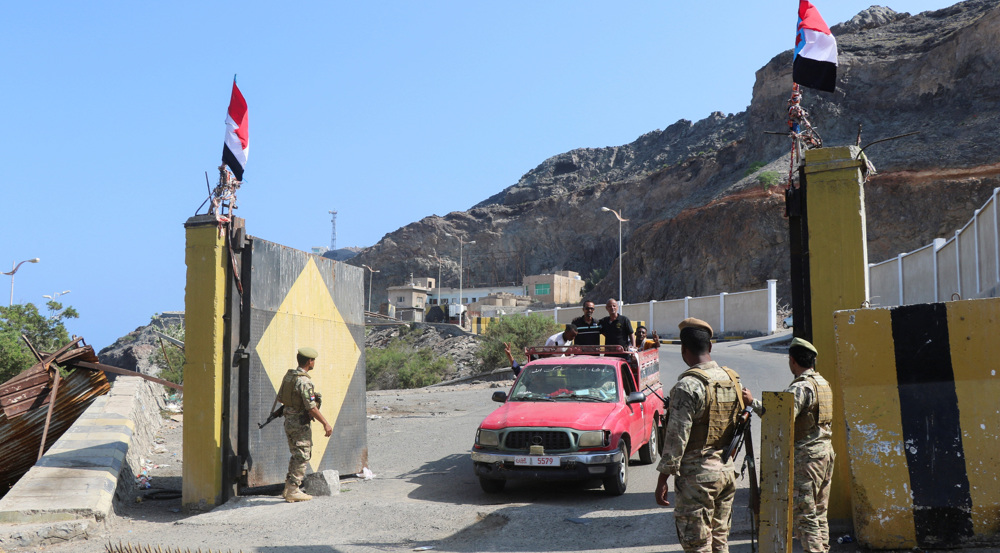
Tensions in Yemen intensified on December 3 as the UAE-allied Southern Transitional Council (STC) forces seized control of Hadramout after clashes with Saudi-backed militants.
The UAE has played a significant role as a key partner in the US-backed and Saudi-led war against Yemen and the Ansarullah government in Sana’a, which started in 2015. However, Riyadh and Abu Dhabi have simultaneously been locked in a competition for dominance over Yemen's resources and strategic ports.
Critics maintain that both nations are working to partition Yemen to serve their own interests. Analysts argue that the apparent advocacy for local autonomy masks an underlying struggle for dominance, with Hadramout emerging as a key battleground in this rivalry.
Yemen has endured external interference for decades. Ansarullah holds significant control over the northwest region, including the capital Sana’a.
 This makes it easy to access the Press TV website