Sanctions slow Iran’s 5G expansion despite growth in network rollout
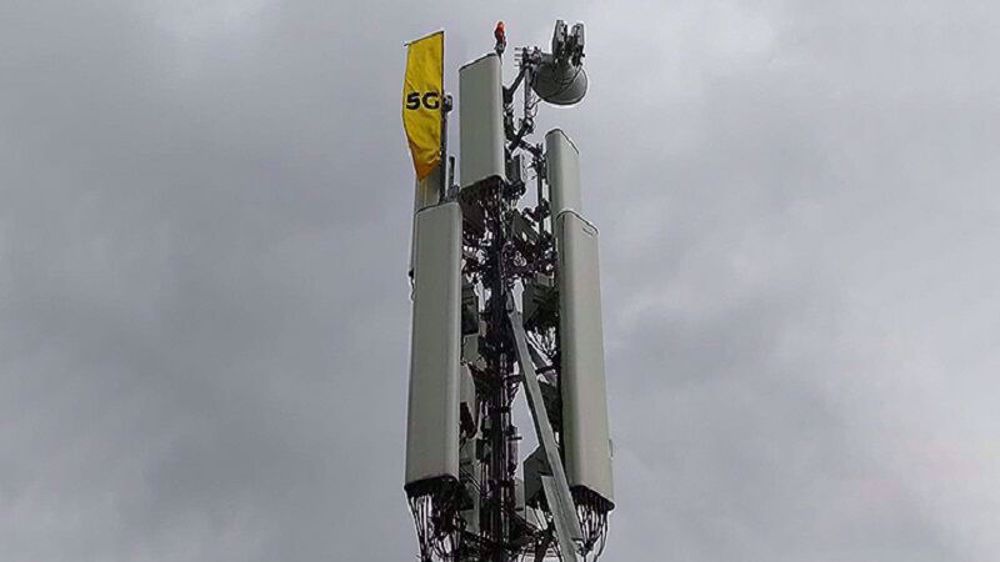
A senior official at Iran’s telecommunications regulator (CRA) says foreign sanctions have affected the country’s ability to expand its fifth-generation (5G) internet infrastructure.
CRA Deputy Head Mohammad Hassan Javadzadeh said on Monday that Iran has made efforts in recent years to expand the use of 5G technology, while noting that sanctions have restricted the country’s access to modern equipment.
“The cost of launching the network has increased significantly, and the expansion process has been disrupted due to restrictions on the purchase of advanced radio equipment from authorized international vendors,” Javadzadeh said.
The official added that the number of 5G masts in Iran has nonetheless increased, reaching a total of 2,408 this month, nearly double the figure reported in early 2024.
He said most of the masts are concentrated in large and densely populated provinces, including Tehran, Razavi Khorasan, Khuzestan, Fars, and Qazvin.
Iran’s Ministry of Communications and Information Technology says expanding the country’s 5G network is among its main priorities, with officials estimating that a 10% increase in 5G penetration could boost Iran’s gross domestic product by nearly 3%.
This comes as mobile broadband internet is currently available to more than 112 million subscriptions in Iran, giving the country a penetration rate of about 130%, one of the highest rates in the region.
Iran launched its first limited 5G network covering parts of the capital Tehran and the country’s second-largest city, Mashhad, in the summer of 2020.
Javadzadeh said that despite the sanctions, Iran will continue investing in 5G projects by allocating additional frequency bands.
He also said the CRA and the telecommunications ministry have held negotiations with global mobile phone manufacturers so that the companies would enable 5G connectivity for users of their devices in Iran.
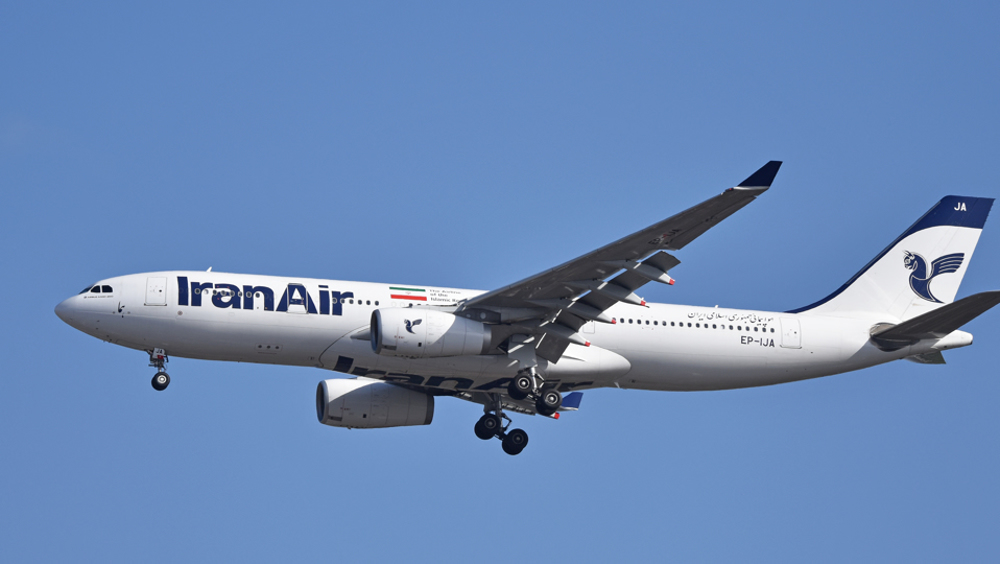
Iran says international flights continue despite US sanctions pressure
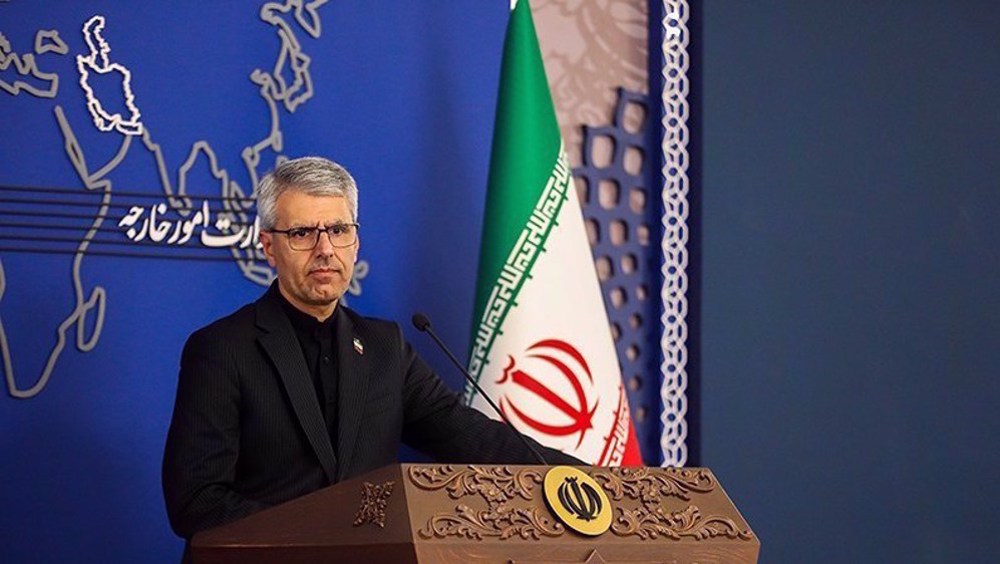
Iran slams US for blaming Tehran over rising fuel prices, Strait of Hormuz closure
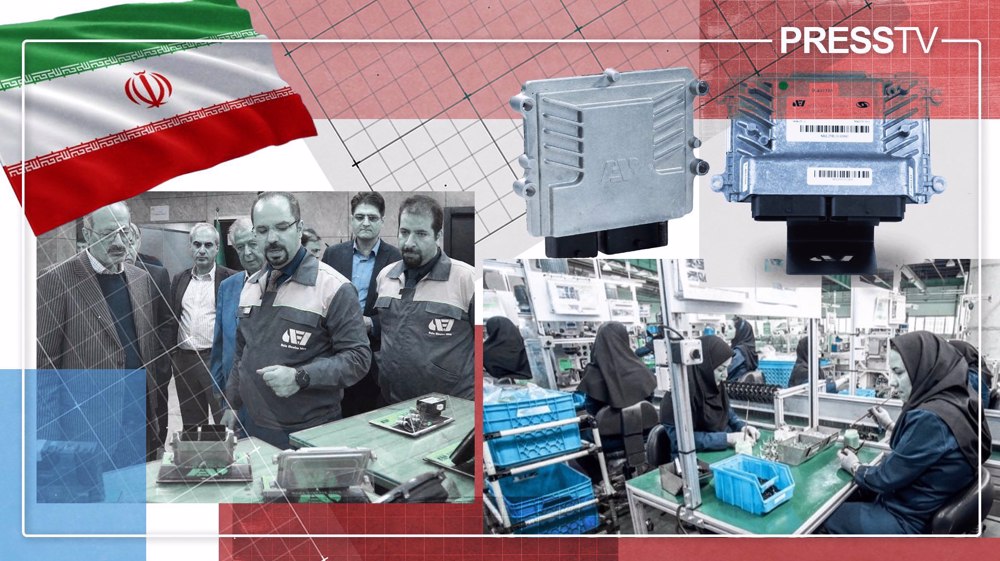
Iranian engineers develop indigenous engine control units, advancing automotive electronics



Europe was part of the infrastructure of US aggression against Iran: Deputy FM
Araghchi in New York: Europe must confront US aggression
IRGC: Iran’s strikes force US toward dispersal, concealment, minimal presence
Netanyahu flies over France, Italy, Greece, Canada despite ICC arrest warrant
VIDEO | News Review: Iran’s president at UNGA says Islamic Republic is victim of US, Israeli terrorism
VIDEO | Press TV's news headlines
VIDEO | Between diplomacy and obstruction: Battle over Gaza's reconstruction plan
VIDEO | Afghanistan-Pakistan tensions escalate as Islamabad launches fresh airstrikes on border areas


 PressTV NEWSLETTER
now
PressTV NEWSLETTER
now
 This makes it easy to access the Press TV website
