Mali, Burkina Faso impose reciprocal travel bans on US citizens
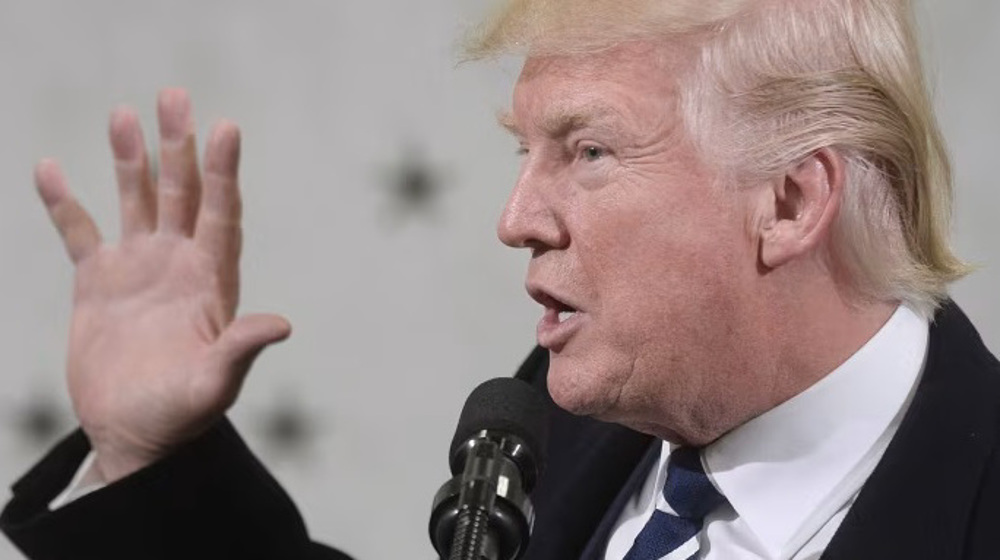
Mali and Burkina Faso have announced reciprocal travel bans on American citizens in response to a similar measure imposed by the United States earlier this month, according to statements from their foreign ministries.
In separate announcements issued late Tuesday, the two West African nations said the retaliatory decisions had been taken on the basis of “reciprocity” after the White House revealed on December 16 that President Donald Trump had added Mali, Burkina Faso, and five other countries to a list subject to a full US travel ban.
✍🏻 Viewpoint - Trump’s travel ban 2.0: Sweeping racism and Islamophobia masquerading as security
— Press TV 🔻 (@PressTV) December 23, 2025
By Iqbal Jassat https://t.co/Bw4RxC478N pic.twitter.com/wFpSQyNPgF
The US administration has said the expanded restrictions, set to take effect on January 1, applied to countries with what it described as persistent and severe deficiencies in screening, vetting, and information-sharing related to “national security and public safety.”
Mali said Washington’s decision had been made without prior consultation and argued that the so-called justification cited by the United States was not supported by “actual developments on the ground.”
Mali and Burkina Faso are not the first countries to respond to US travel restrictions with measures affecting American citizens.
On December 25, neighboring Niger announced it would stop issuing visas to US citizens, according to its state media agency, citing a diplomatic source.
Niger announces ban on US citizens from entering the country in response to the Trump administration adding Niger to its travel ban list.
— Press TV 🔻 (@PressTV) December 25, 2025
Follow Press TV on Telegram: https://t.co/LWoNSpkJSh pic.twitter.com/ha2iTLOBiu
In June, Chad said it was suspending visa issuance to US citizens after being included on an earlier US travel ban list.
Trump has expanded a US travel ban from 19 to 39 countries, sharply restricting visas for millions, including Palestinians using Palestinian Authority-issued documents.
Observers critique the policy for disproportionately targeting African and Muslim-majority countries, denouncing its discriminatory nature as well as its resulting in separation of family members from one another.
Some other nations affected by the ban are Afghanistan, Myanmar, Eritrea, Haiti, Iran, Libya, Somalia, Sudan, South Sudan, Yemen, and Syria.

Algeria cuts diplomatic ties with UAE amid escalating tensions
Libya’s NOC warns of force majeure at country’s largest refinery after drone strikes
Mali says Ukraine training, arming Al-Qaeda-linked militants in Sahel



US visa ban on Iranian president’s media team is bid to hide the truth: FM spokesman
US aggression, economic warfare amount to crimes against humanity: Iran's UN envoy
Protests erupt in US as ICE agent shoots Venezuelan driver
US pressure fuels cooperation among Muslim states: Pezeshkian
Major TV networks suspend White House pool coverage after Trump ban
US visa ban on Palestinian UN delegation violates international agreements: Hamas
VIDEO | Press TV's news headlines
Iran calls on France to respect law after suspending French cultural institute in Tehran



 PressTV NEWSLETTER
now
PressTV NEWSLETTER
now
 This makes it easy to access the Press TV website
