Iran’s foreign minister calls on Trump to defy Netanyahu, revive nuclear talks
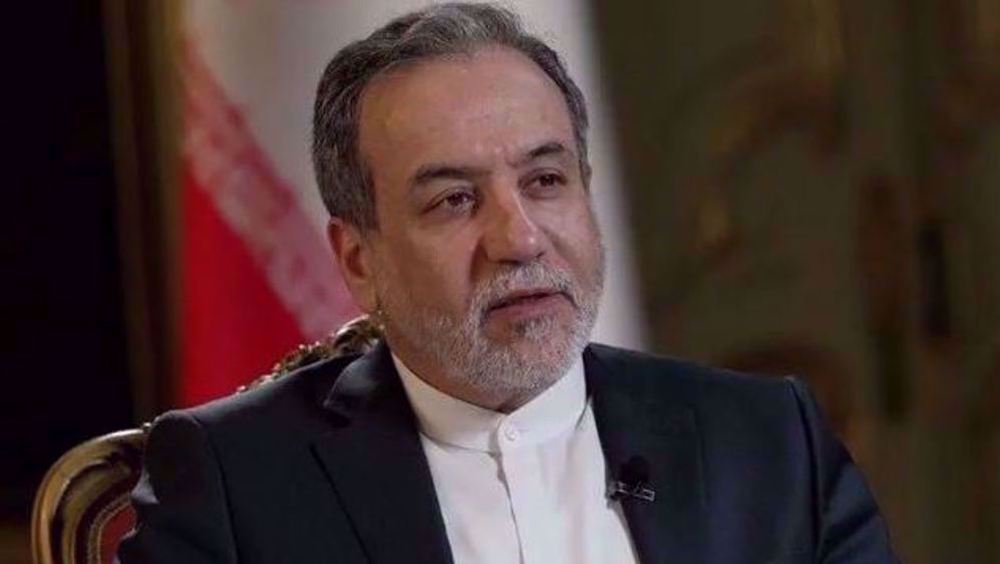
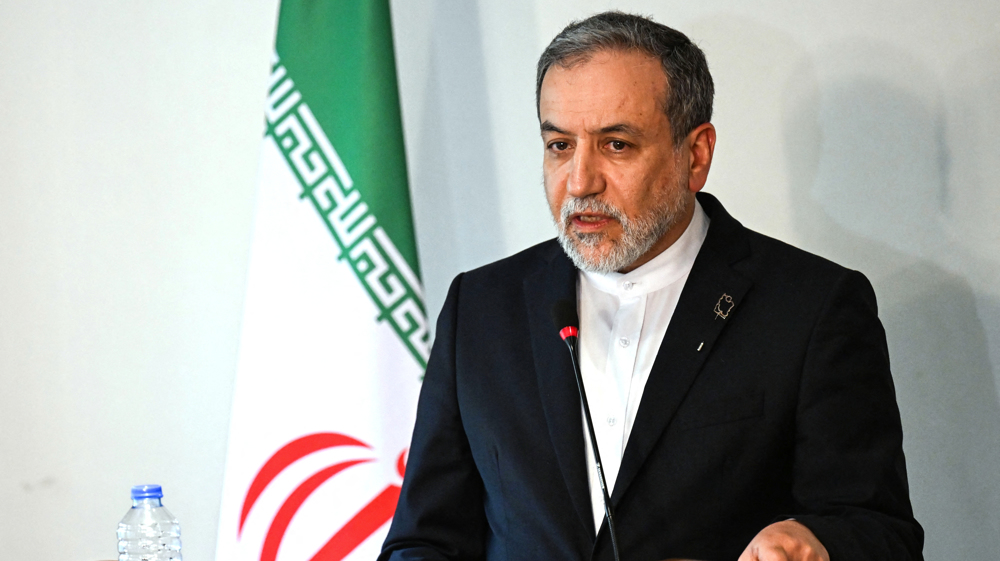
Iranian Foreign Minister Abbas Araghchi has urged US President Donald Trump to resist pressure from Israeli Prime Minister Benjamin Netanyahu and reopen negotiations with Tehran over its nuclear program, citing growing regional support for diplomacy.
In an article published in The Guardian on Tuesday, Araghchi said Washington has been misled into viewing Israel as a “reliable ally” while portraying Iran as the main threat.
According to Araghchi, Israel has repeatedly misled Washington “into believing that Iran was nearing collapse, that the 2015 nuclear deal was a lifeline for us, and that abandoning the accord would compel us to quickly concede.”
Those myths encouraged Washington to abandon a functional diplomatic framework in favor of “maximum pressure” that produced only “maximum resistance” from Iran, he added.
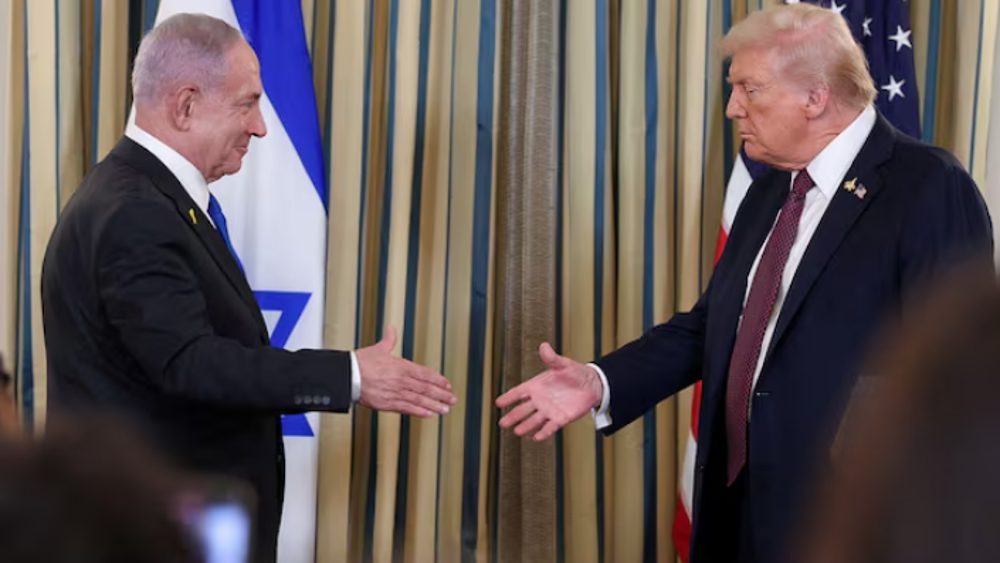
The remarks came shortly after Netanyahu met Trump in the US, where discussions reportedly included the possibility of renewed military action against Iran.

Netanyahu expressed concerns about Iran's potential efforts to rebuild its nuclear capabilities and its missile program following the June aggression, while Trump said he would take swift action if Iran did that.
Araghchi directly appealed to Trump to set aside Israeli warnings and seize “a narrow diplomatic opening,” saying Iran is ready to negotiate without surrender.
He also highlighted the unprecedented readiness among relevant countries to facilitate dialogue and ensure the implementation of any future agreement.
However, he reiterated Tehran's stance on its right to domestically enrich uranium for civilian purposes, citing the permissions granted under the Nuclear Non-Proliferation Treaty (NPT).
Araghchi further pointed out that the shifting political dynamics in West Asia could create conditions for renewed diplomacy, emphasizing the risks of continued confrontation and the potential for negotiations to prevent further crises.
He also noted a growing number of Americans now see Israel as “a liability” rather than “an ally,” reflecting a shift in public opinion amid prolonged regional instability.
The Iranian minister also stated that some of Trump's Arab allies have come to perceive Israel's actions as “a threat” to regional security.
“The US administration now faces a dilemma: it can continue writing blank cheques for Israel with American taxpayer dollars and credibility, or be part of a tectonic change for the better,” he said.
For decades, the Islamic Republic has emphasized that its missile program is strictly deterrent and essential for protecting its people in a region saturated with American military bases and Western-backed occupation.
Tehran has categorically rejected recent demands by Western powers to limit the range of its missiles to 500 kilometers, noting that such restrictions would leave the country defenseless against long-range threats.
Furthermore, Tehran has dismissed Trump’s demands to dismantle its nuclear infrastructure, calling them a violation of the NPT.
Instead, Iranian officials have called on Washington to end its complicity in Israeli atrocities and to abandon its policy of "maximum pressure” against the country.
Iran must fight US blockade with energy blockade: Deputy speaker
Iran’s president to attend UN General Assembly in New York
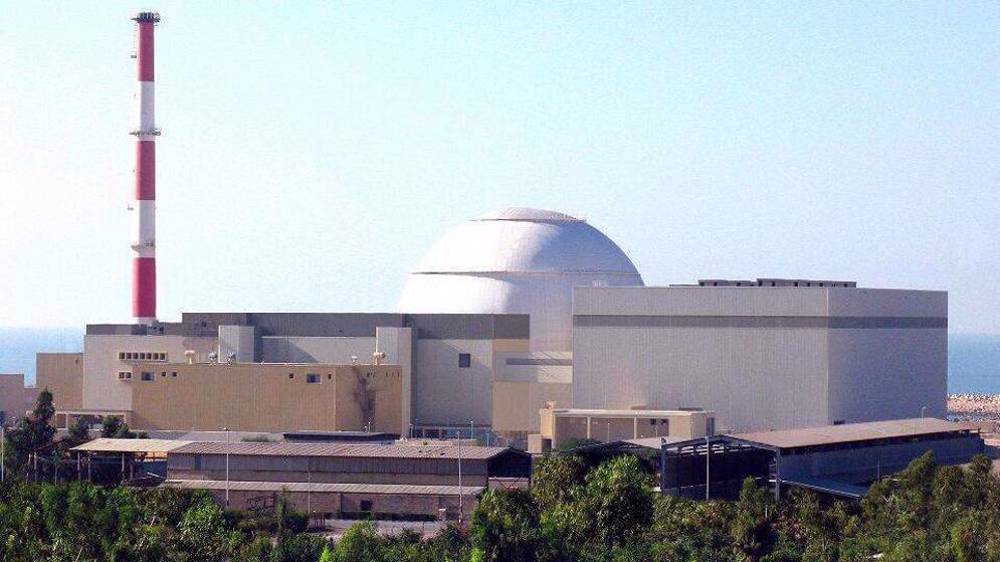
Iranian lawmakers push for NPT withdrawal, submit bill to Parliament's Presiding Board



Iran’s Armed Forces vow to inflict further defeats on US, Israeli enemies
Child among two Palestinians abducted in Israeli West Bank raids
Putin’s United Russia leads wartime parliamentary elections
Pezeshkian to travel to New York on Tuesday to address UN General Assembly
Iranian swimmers reach Asian Games finals for first time in 16 years
VIDEO | Press TV's news headlines
VIDEO | Four injured as explosions rock Aleppo munitions depot in northern Syria
VIDEO | Trump stuck between war pressures and domestic challenges


 PressTV NEWSLETTER
now
PressTV NEWSLETTER
now
 This makes it easy to access the Press TV website
