Forged by fire: Iran’s military preparedness at an all-time high after 12-day war
By Mohammad Molaei
In the early hours of June 13, 2024, residents of Tehran awoke to the sound of multiple explosions, marking the opening phase of a US-backed Israeli military aggression explicitly aimed at degrading, if not eliminating, Iran's ability to exist as a sovereign nation-state.
While international media coverage mainly focused on Israel’s targeted assassinations of senior Iranian military figures, nuclear scientists and their family members, and illegal attacks on nuclear facilities under International Atomic Energy Agency (IAEA) monitoring, these actions represented only one dimension of a broader military campaign.
The core objective of the illegal and unjustified Israeli aggression was the irreversible erosion of Iran’s defensive capacity and military-industrial infrastructure, with the stated aim of permanently neutralizing Tehran’s ability to respond to any foreign aggression.
Nearly six months after the war against the Iranian people, the outcome is increasingly clear.
This objective has largely failed. Rather than collapsing, Iran has adapted to the threat environment, absorbed losses, and moved swiftly to rebuild, restructure, and in several key areas expand its military capabilities.
President Masoud Pezeshkian confirmed it in his recent interview with Khamenei.ir media, and Foreign Minister Abbas Araghchi has also pointed to it many times.
The played ace
It is critical to understand that Israeli aggression was hybrid in nature. Israeli-trained saboteur cells played a central role in shaping the battlefield before and during aerial strike campaigns.
These teams targeted Iranian radar installations and surface-to-air missile (SAM) launchers using smuggled man-portable anti-tank guided missiles (ATGMs) and small unmanned aerial vehicles (UAVs).
Throughout the 12-day war, these cells continued to stalk Iranian defenses, primarily through the use of improvised and assembled drones to saturate air defense networks, gather real-time targeting intelligence, and strike selected high-value assets.
Subsequent investigations revealed that a bunch of gullible Iranian nationals and some foreign citizens were recruited through financial inducements and trained in drone operations and clandestine activity at covert facilities in third countries.
From an operational standpoint, these saboteur networks constituted a finite and highly valuable Israeli asset. Their recruitment, training, logistical support, and weapons smuggling pipelines likely took years to establish in preparation for the war with Iran.
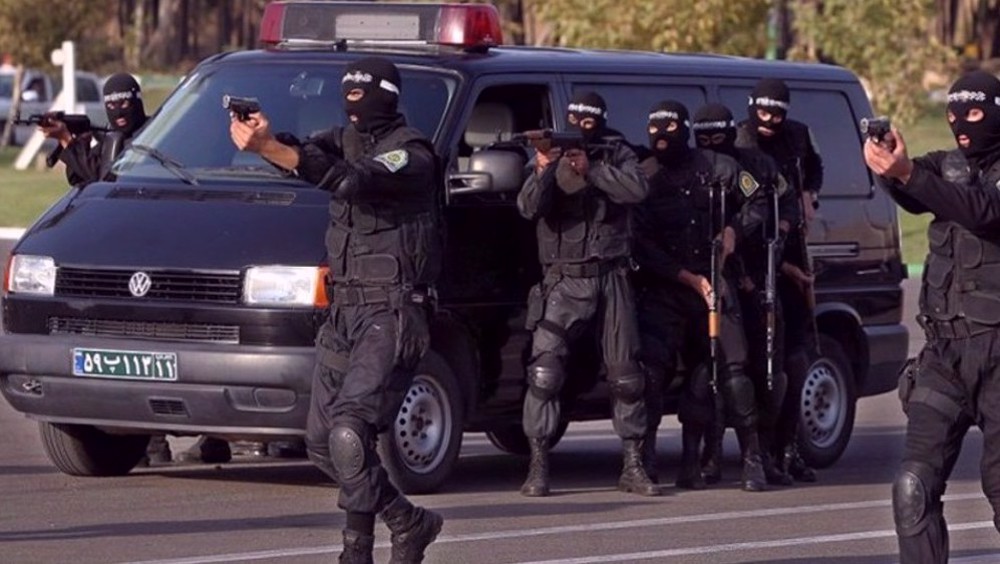
During the war, however, Israel largely expended this resource. Iranian security forces dismantled numerous cells, apprehended operatives, and uncovered safe houses and drone assembly workshops that were affiliated with the Israeli spy agencies.
Reconstituting such an extensive clandestine network would require substantial time, resources, and favorable intelligence conditions – conditions that are now significantly degraded following Iran’s counterintelligence learning curve.
In effect, Israel played one of its strongest cards early, achieving limited tactical impacts while forfeiting a tool that will be far more difficult to employ at scale in any future confrontation.
WATCH: How Iran SHATTERED the myth of Israel's invincibility in less than 12 days!
— Press TV 🔻 (@PressTV) December 23, 2025
Follow @PresstvHebrew pic.twitter.com/0sYHQHAeqe
Strategic resilience missile bases
Islamic Revolution Guards Corps (IRGC) missile bases, often referred to domestically as “missile cities,” were among the most targeted sites during Israeli strike waves.
Satellite imagery released after the war showed visible damage to surface-level infrastructure at several facilities, fueling claims that Iran’s missile force had been crippled.
These claims collapse under closer scrutiny. The architecture of Iranian missile bases is deliberately deceptive. Administrative buildings, housing, and ancillary facilities are often located above ground, while the truly critical assets, missile stockpiles, fuel reserves, launchers, and, in larger complexes, even production and assembly lines, are buried deep within the sprawling Iranian mountain ranges.
Unlike facilities such as Natanz and Fordow, whose hardened sections extend dozens of meters underground, key sections of Iran’s missile cities are typically located hundreds of meters beneath solid rock, exceeding a kilometer in depth in certain regions.
At such depths, even the most powerful conventional bunker-busting munitions, including the US Massive Ordnance Penetrator (MOP), are ineffective, and in some configurations the facilities would likely survive even low-yield tactical nuclear strikes.
Consequently, Israeli attacks focused primarily on base entrances. While such strikes can cause temporary disruption, they generally delay missile launches by hours rather than days.
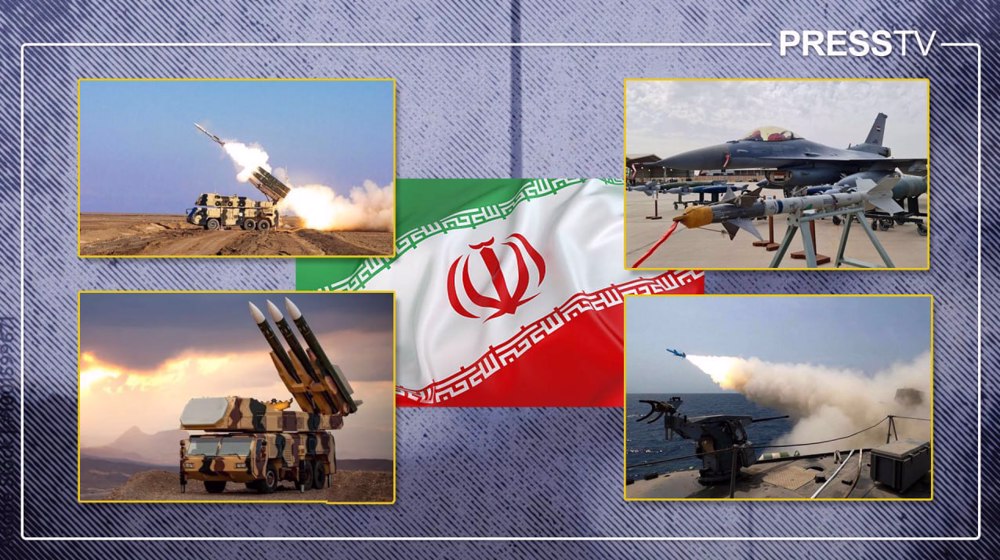
As a result, despite extensive propaganda to the contrary, Israeli aggression had no meaningful impact on Iran’s underground missile production or launch capabilities. Iran’s principal offensive instrument, the ground-to-ground ballistic missile force, remained fundamentally intact and operationally active.
Iran facing ‘all-out war’, stronger than before June war: President https://t.co/5UIRAe0pf7
— Press TV 🔻 (@PressTV) December 28, 2025
State of the Iranian arsenal
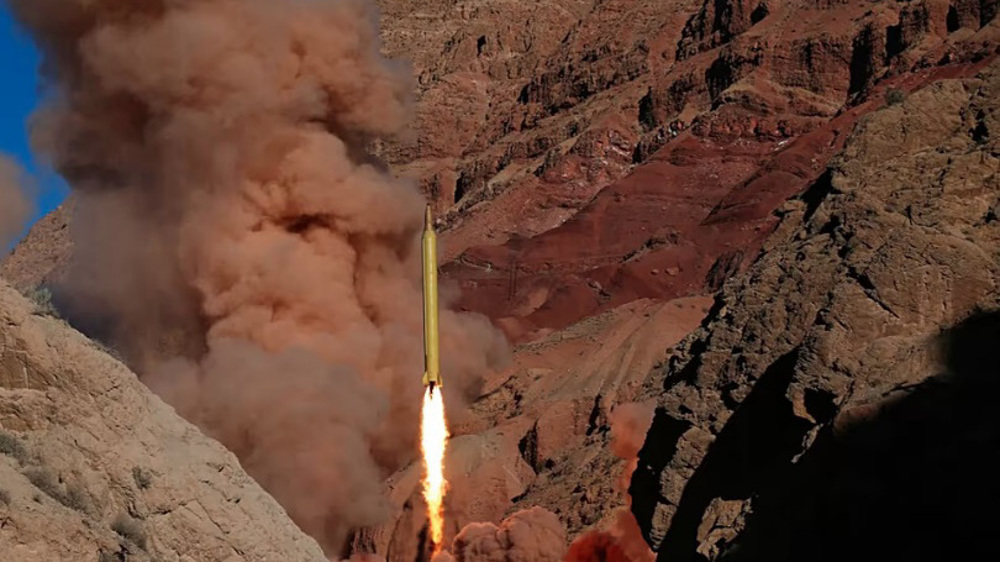
With certain exceptions, Iran’s ballistic missile inventory falls into two broad categories. The first consists of older liquid-fuel systems, many of which are heavily upgraded Iranian derivatives of the original Scud design.
The second, and increasingly dominant, category comprises fully indigenous solid-fuel missiles, commonly known as the Fateh family, whose later variants possess ranges sufficient to strike Israeli territory.
Over the past decade, Iranian missile production has steadily shifted toward these solid-fuel systems due to their superior readiness, survivability, and launch flexibility.
Operations True Promise 1 and True Promise 2 underscored a critical reality: Israeli and American land- and sea-based missile defense systems face serious challenges in intercepting Iran’s newer solid-fuel missiles, including members of the Kheybarshekan family.
Notably, the majority of Iranian strikes during the 12-day war relied on older liquid-fuel missiles such as Emad and Ghadr, systems that are easier to detect and intercept.
Missile bases housing Iran’s most advanced solid-fuel weapons in western provinces such as East Azerbaijan, Kermanshah, Lorestan, and Khuzestan played a deliberately secondary role.
These more advanced systems were employed selectively against high-value targets, most notably the successful strike on the Bazan refinery in occupied Haifa. Even Israeli-released footage of launcher strikes depicted legacy liquid-fuel platforms, indicating that any potential damage was absorbed by the older, more expandable systems.
Several factors likely shaped this Iranian decision-making. First, Tehran concentrated retaliatory launches in central Iran to reduce the vulnerability of launch assets to Israeli air attacks.
Second, Iranian military strategists prepared for the possibility of a prolonged, multi-front confrontation and therefore conserved their most capable and combat-proven systems for later escalation stages.
Although active hostilities ended earlier than anticipated, the result is clear: Iran’s most potent missile capabilities remain largely unused, and its strategic stockpiles remain intact.
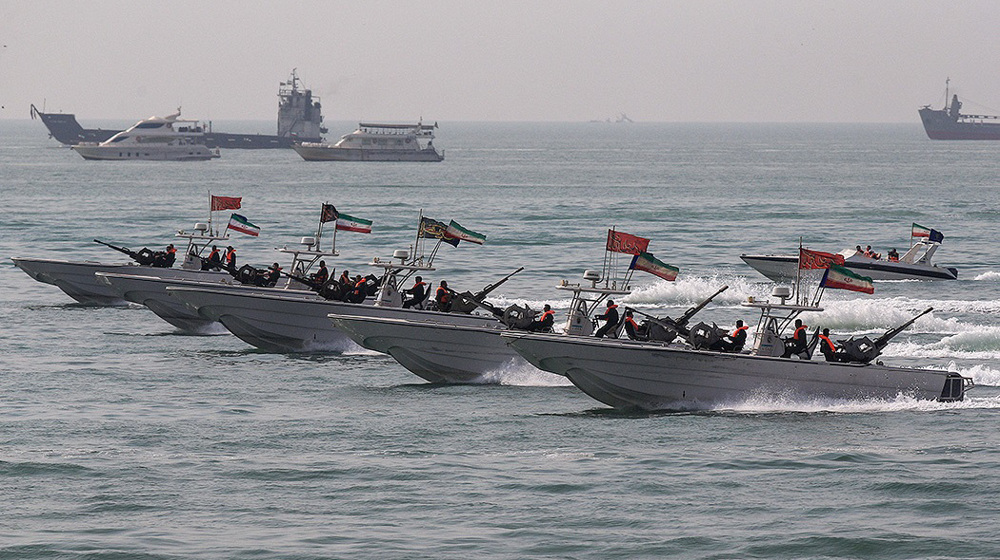
Additionally, several other Iranian weapons systems, including ground-launched cruise missiles, the jet-powered Shahed-238 loitering munition, and a wide range of anti-ship missiles, were not employed at all. Thus, even before post-war replenishment, Iran retained ample capacity to sustain long-term military pressure across multiple theaters.
Iran’s top security official, Ali Larijani, says the 12-day war in the country in June was part of a US-Israeli conspiracy planned for years.
— Press TV 🔻 (@PressTV) November 26, 2025
Follow Press TV on Telegram: https://t.co/LWoNSpkJSh pic.twitter.com/O11ALggemd
Intensifying production and sanction-resistant supply chains
Israeli information warfare placed heavy emphasis on claims that Iran’s missile production and fuel manufacturing capabilities had been destroyed or severely damaged.
Similar claims were made even before the 12-day war, following earlier rounds of limited exchanges between Iran and the Israeli regime. Despite these early claims, subsequent reporting from Western and Israeli media and intelligence sources tells a different story.
Recent admissions suggest that the initial Israeli claims made in mid-2025 were overly optimistic regarding the damage inflicted on Iran's military-industrial complex.
The claims that all critical planetary fuel mixers, highly specialized equipment subject to strict export controls, had been destroyed now appear overstated.
Evidence suggests that Iran never stopped fuel production and either possessed spares, the capability to produce this equipment locally, or successfully circumvented sanctions to replace damaged machinery, potentially with foreign assistance.
Moreover, reporting from late 2025 points to robust foreign supply chains, with China emerging as a primary supplier of key materials. Open-source tracking has identified multiple shipments of sodium perchlorate from China arriving at Iranian ports since September 2025 alone.
This quantity is sufficient to manufacture propellant for thousands of missiles, which would indicate that the Iranian military industry has not merely recovered but has ramped production at a significant rate. Moreover, the US has recently sanctioned several Chinese and Hong Kong-based entities for helping Iran indigenize the production of carbon fiber, which is used to make lighter, more heat-resistant missile components.
This essentially means that Iran has integrated its healthy defense industry with robust, sanction-resistant supply chains from friendly foreign partners to not merely replenish its arsenal but ensure that it can overwhelm any sophisticated defense systems and sustain any future full-scale multi-front warfare.
Leader of the Islamic Revolution Ayatollah Seyyed Ali Khamenei says that the US and Zionists were defeated in the war against Iran despite 20 years of planning.
— Press TV 🔻 (@PressTV) November 27, 2025
Follow Press TV on Telegram: https://t.co/LWoNSpkc2J pic.twitter.com/vzgWUPjUPM
Military restructuring
The 12-day war served as a high-stakes laboratory, exposing certain vulnerabilities while validating other offensive tactics. The recent restructuring of the Iranian military command and the experience of direct conflict with Israel and the US have provided Tehran with a stress-tested blueprint for its future defense strategy.
The reshuffle in late 2025, which included the creation of a new Defense Council and the replacement of top-tier leaders, was designed to solve some issues.
The newly established Defense Council under the Supreme National Security Council (SNSC), chaired by Ali Larijani, centralizes defensive policies, allowing for rapid execution of orders without bureaucratic delays.
Moreover, new, younger commanders have been promoted to important positions. This change has introduced more creative, unpredictable operational planning potential into the different Iranian military branches.
Doctrine adaptation
The direct confrontation with the world’s most advanced integrated anti-ballistic air defense system, comprising Arrow, THAAD, Aegis, and David’s Sling, has fundamentally altered Iranian doctrine. Iran has learned that high-altitude intercepts can be overwhelmed.
By using older, cheaper liquid-fuel missile variants as dedicated decoys, Iran forced Israel and the US to expend multimillion-dollar interceptors on low-value targets. This interceptor-to-target production capacity and cost ratio is now a cornerstone of Iranian doctrine.
The war proved that anti-ballistic systems like the US naval assets (Aegis system with SM-3 interceptors) and ground batteries (American THAAD and Israeli Arrow) can be saturated. These systems faced limited interceptor stockpiles and have a reloading lag, allowing Iran to leverage these reload windows and the exhaustion rates of US interceptor stockpiles in the region.
Iran adapted to these weaknesses by launching staggered waves, made up of an initial wave to trigger the defenses, and a second saturation wave timed to hit exactly when interceptor stocks at specific batteries were low.
By tracking how some of their missiles were intercepted, Iranian experts have gathered data on the search and track frequencies and interceptor trajectories of the defense systems, developing tactics with higher chances of defeating Israeli-American defenses.
At the same time, the war revealed vulnerabilities in protecting missile launch operations when radar coverage is degraded by electronic warfare or kinetic strikes.
This realization accelerated efforts to establish layered, nested air defenses around missile cities, ensuring sustained mass-launch capability even under intense aerial pressure.
Deputy Chief of Staff of the Iranian Armed Forces Brigadier General Ahmad Vahidi says the Israeli regime is trying to conceal its defeat in the 12-day war against Iran through threats, propaganda, and political maneuvers.
— Press TV 🔻 (@PressTV) December 21, 2025
Follow: https://t.co/mLGcUTSA3Q pic.twitter.com/j6aNFtgibk
From battlefield losses to strategic advantage
The aftermath of the 12-day war illustrates a central reality often ignored in Western and Israeli narratives: Iran has treated the war as an accelerated learning cycle.
Tactical losses, infrastructure damage, and exposed vulnerabilities have been systematically converted into institutional knowledge, doctrinal refinement, and industrial adaptation.
Rather than degrading Iranian power, Israel’s unlawful and unjustified aggression has forced Tehran to stress-test its systems under real combat conditions against the most advanced Western technologies available.
The result is a more resilient missile force, a more integrated and sanction-proof defense industry, a restructured command apparatus, and a doctrine explicitly optimized to exhaust and overwhelm high-cost missile defense networks.
Looking ahead, this reconstruction effort has profound implications for future confrontations. Iran now enters any potential escalation with greater confidence in its ability to survive initial strikes, sustain prolonged missile campaigns, and impose economically and militarily asymmetric costs on its adversaries.
In this sense, the 12-day war may ultimately be remembered less as an Israeli demonstration of force and more as the war that hardened Iran’s military posture for any future war.
Mohammad Molaei is a Tehran-based military affairs analyst.
(The views expressed in this article do not necessarily reflect those of Press TV)

Iran Army downs US Orbiter reconnaissance drone over Strait of Hormuz
Iran dismantles terrorist cells in three provinces
How Iran turned US military and economic aggression into strategic leverage to dictate terms



US visa ban on Iranian president’s media team is bid to hide the truth: FM spokesman
US aggression, economic warfare amount to crimes against humanity: Iran's UN envoy
Protests erupt in US as ICE agent shoots Venezuelan driver
US pressure fuels cooperation among Muslim states: Pezeshkian
Major TV networks suspend White House pool coverage after Trump ban
US visa ban on Palestinian UN delegation violates international agreements: Hamas
VIDEO | Press TV's news headlines
Iran calls on France to respect law after suspending French cultural institute in Tehran



 PressTV NEWSLETTER
now
PressTV NEWSLETTER
now
 This makes it easy to access the Press TV website
