Iran, China can upgrade ties to ‘outcome‑driven partnership’: Iranian ambassador
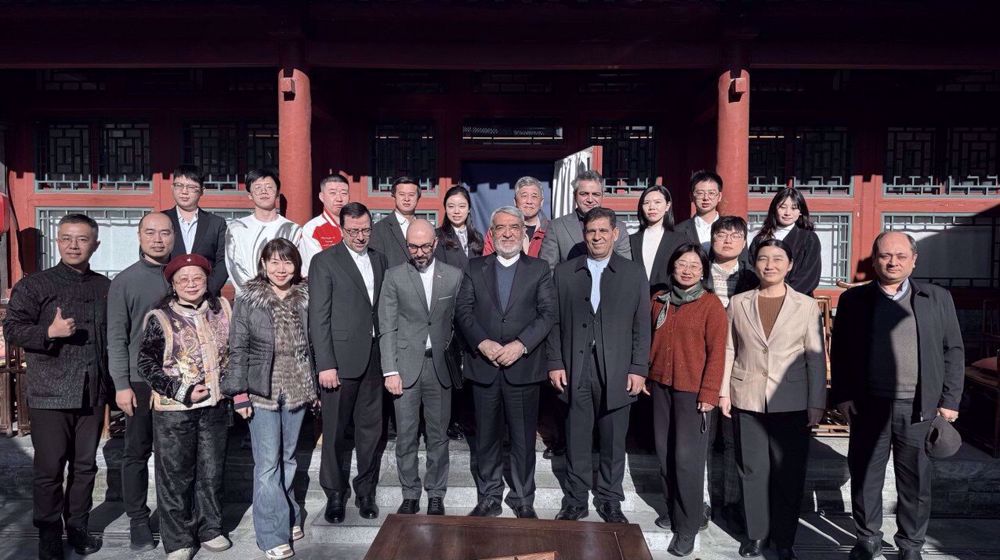
The Iranian ambassador to China has emphasized the capacity of Tehran-Beijing relations to turn into an “outcome‑driven partnership” relying on cultural interactions between the two nations.
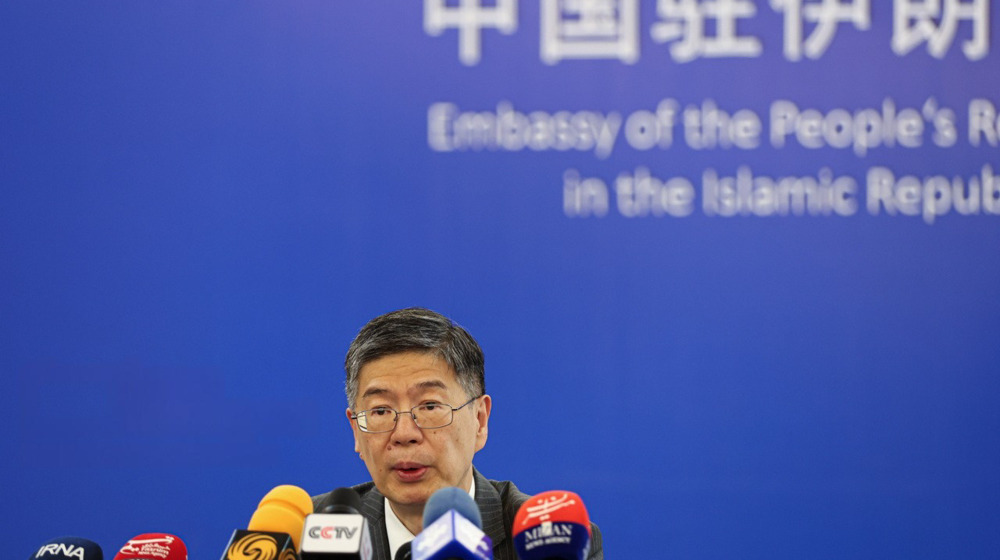
Abdolreza Rahmani Fazli made the remarks in a new round of meetings with Chinese intellectuals, researchers, and academic elite aimed at fostering synergy between the global initiatives of both countries, reviewing geopolitical developments in West Asia, and identifying opportunities for economic and technological cooperation.
“The relations between Iran and China hold the potential to be transformed into a lasting, outcome‑driven partnership,” he said, noting that “building on mutual respect, refraining from interference, adopting a long‑term outlook, and resolving differences through dialogue can serve as a roadmap in this regard.”
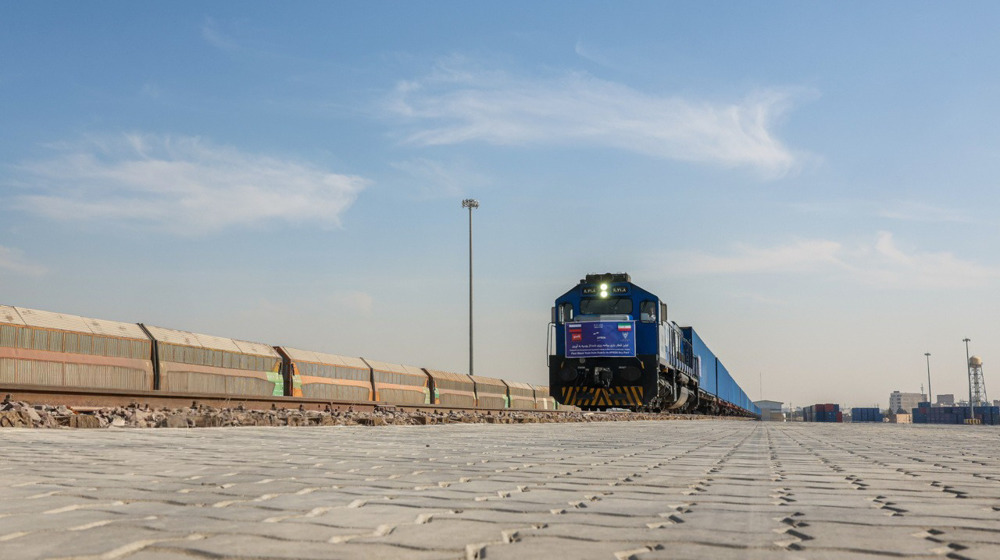
Rahmani Fazli added that Iran-China ties move forward on the basis of economy and connectivity.
The bilateral relations can be secured by trust-building security cooperation while enduring through mutual understanding and people‑to‑people contacts, he said.
Wang Jin, director of the Center of Strategic Studies at Northwest University in China, called for the continuation of meetings between the Iranian ambassador and Chinese scholars, saying such sessions can play an effective role in exposing the realities of the West Asian region.
Wang, who has recently visited Iran, also stressed that the image portrayed by the media of the Islamic Republic is far from the realities of the country.
Western media try to portray Iran as unstable, but firsthand experience in Iran reveals the falsity of such claims, he pointed out.
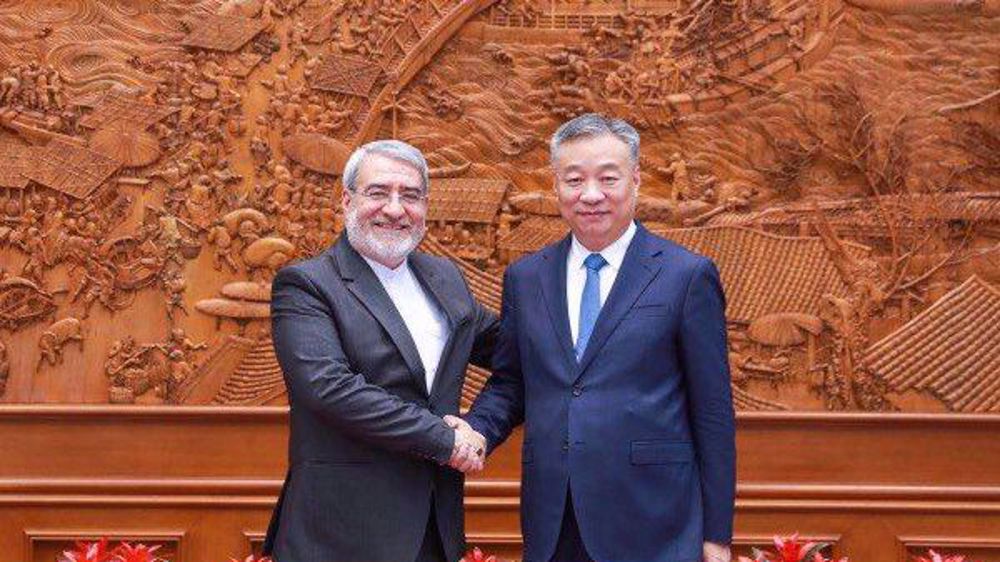
In March 2021, Iran and China signed a landmark 25-year comprehensive strategic partnership agreement in defiance of unilateral sanctions imposed on the two nations by the United States.
The deal officially sets the outlines of cooperation in political, cultural, security, defense, regional, and international domains.
Over the past few years, bilateral cooperation between Tehran and Beijing has been advancing steadily in various fields.
In 2024, the trade volume between the two countries reached $13.37 billion.

Israeli court sentences man to over 13 years in prison for allegedly spying for Iran: Report
US trapped in Strait of Hormuz 'quagmire' after war on Iran: Libya’s Grand Mufti
Iran FM hails China consultations as ‘successful’



US clears way for F-35 sale to Saudi Arabia amid aggression against Yemen
‘Nightmare for enemies’: Iran launches mass ‘Sacrifice for Iran’ drill
Iran: Unilateral US weaponization of space accelerates arms race
Russia, China veto rejects ‘political abuse’ of UNSC, marks end of ‘unipolar order’: Qalibaf
Iran finds new platform in SCO to develop its rare-earth potential
US senator slams ‘bogus’ spy claims, demands immediate release of Press TV journalist
IRGC Navy strikes Togo-flagged tanker after illegal attempt to transit Strait of Hormuz
VIDEO | We salute the Palestinian woman



 PressTV NEWSLETTER
now
PressTV NEWSLETTER
now
 This makes it easy to access the Press TV website
