US imposes visa bans on ex-EU commissioner, anti-disinformation activists over alleged censorship
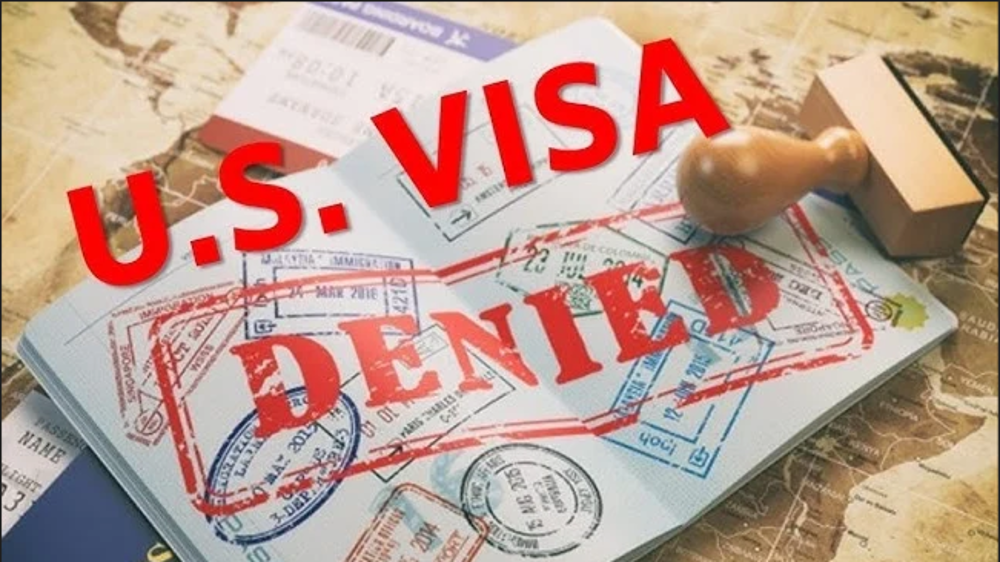
The United States has imposed visa bans on a former European Union commissioner and four prominent anti-disinformation campaigners over what it called orchestrating efforts to censor US social media platforms.
US Secretary of State Marco Rubio said in a statement on Tuesday that the five individuals had “led organized efforts to coerce American platforms to censor, demonetize, and suppress American viewpoints they oppose.”
He described their actions as part of a broader strategy by foreign governments and NGOs aimed at targeting American speech and technology companies.
The latest decision comes amid a growing opposition from the US towards the EU’s Digital Services Act (DSA), a comprehensive regulatory framework aimed at addressing hate speech, misinformation, and disinformation online.
Washington has argued that the law goes beyond legitimate regulation, threatening free expression while imposing heavy compliance costs on US-based technology firms.
According to US officials, American diplomats have been directed to advocate against the DSA, with the US National Security Strategy also criticizing European leaders for allegedly suppressing dissent and censoring speech, particularly in debates over immigration.
Under Secretary of State for Public Diplomacy Sarah Rogers identified the visa ban targets on X, calling them “key architects of censorship of American speech.”
The most prominent figure affected by the ban is Thierry Breton, the former European commissioner for the internal market, who oversaw the development and enforcement of the DSA from 2019 until 2024.

Rogers labeled Breton as a “mastermind” of the law and accused him of pressuring the social media platform X and its owner, Elon Musk, ahead of a politically sensitive interview with President Donald Trump. Breton could not immediately be reached for comment.
The other individuals targeted by the visa bans include Imran Ahmed, chief executive of the US-based Center for Countering Digital Hate, Anna-Lena von Hodenberg and Josephine Ballon of the German nonprofit HateAid, and Clare Melford, co-founder of the Global Disinformation Index (GDI).
Hodenberg and Ballon said the US move is aimed at undermining the enforcement of European law against large US technology companies, asserting their commitment to standing up for human rights and freedom of expression.
“We will not be intimidated by a government that uses accusations of censorship to silence those who stand up for human rights and freedom of expression,” they said in a joint statement.
A spokesperson for GDI condemned the visa bans as “immoral, unlawful, and un-American,” calling them an authoritarian attack on free speech.
Rogers accused Melford of using US taxpayer funding to pressure advertisers and platforms into blacklisting American media outlets and online speech deemed hateful or misleading.
Melford has previously stated that GDI was established to “break the business model of harmful online content” by providing ratings for news and information sites, allowing advertisers to avoid funding divisive or misleading material.
The Center for Countering Digital Hate did not immediately respond to requests for comment.
The latest visa bans mark the most aggressive step yet by the US government against European digital regulation and its architects, indicating a widening transatlantic clash over the extent to which governments should regulate online speech.
Trump bars CNN, MS NOW and Politico from White House as they question his pro-war policies
US leaves UN Human Rights Council after probe finds possible American war crimes in Iran

Yemen dismisses Mecca drone allegation, says kiswa donors to Epstein target sanctities



US aggression, economic warfare amount to crimes against humanity: Iran's UN envoy
Protests erupt in US as ICE agent shoots Venezuelan driver
US pressure fuels cooperation among Muslim states: Pezeshkian
Major TV networks suspend White House pool coverage after Trump ban
US visa ban on Palestinian UN delegation violates international agreements: Hamas
VIDEO | Press TV's news headlines
Iran calls on France to respect law after suspending French cultural institute in Tehran
Israel lobby no longer shy about its grip on US policy on Iran: Araghchi



 PressTV NEWSLETTER
now
PressTV NEWSLETTER
now
 This makes it easy to access the Press TV website
