Iran says no basis for inspection of bombed nuclear sites
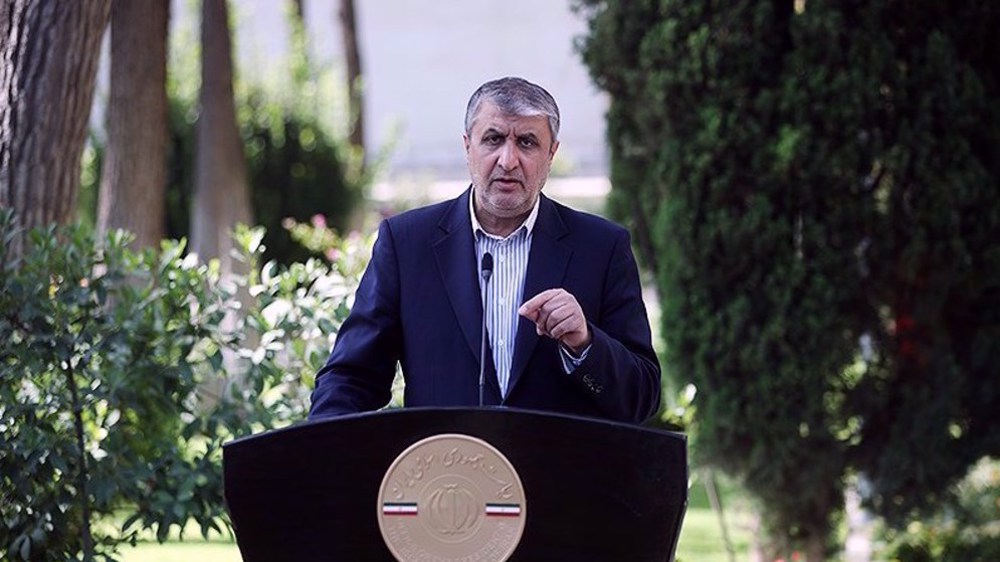
Head of the Atomic Energy Organization of Iran (AEOI) says that political and psychological pressure over inspection of damaged nuclear facilities will have no effect, calling for clear procedures to be established for such occasions.
Speaking to reporters on the sidelines of a cabinet meeting on Wednesday, Mohammad Eslami said there is currently no codified instruction for inspecting nuclear facilities that have been damaged by military attacks.
“Until this issue is clarified, political and psychological pressure and irrelevant follow-ups aimed at re-inspecting bombed facilities and completing the enemy’s operations are unacceptable and will not be responded to,” he said.
Back in June, during the US-Israeli aggression against Iran, the US bombed three Iranian nuclear facilities in Fordow, Natanz, and Isfahan, in a clear violation of international law and the Nuclear Non-Proliferation Treaty (NPT).
Eslami noted that Article 68 of the Safeguards Agreement refers only to natural accidents and damage, not military attacks or war.
“If the IAEA considers military attacks on safeguarded nuclear facilities acceptable, it must explicitly approve and declare that,” he said. “But if such attacks are illegal, they must be condemned, and the post-war procedures must be clearly defined.”
He added that until such conditions are formally defined by the agency, Iran will not accept demands for renewed inspections of damaged sites.
On Iran’s cooperation with the International Atomic Energy Agency (IAEA), Eslami said no country in history has cooperated with the agency to the extent Iran has.
“The most extensive and intensive inspections ever conducted have been imposed on Iran’s nuclear industry, and there is not a single report indicating non-compliance or diversion from safeguards,” he said.
He characterized current pressure as politically motivated and aimed at harming and weakening the Iranian people, stressing that Iran’s nuclear activities remain entirely peaceful.

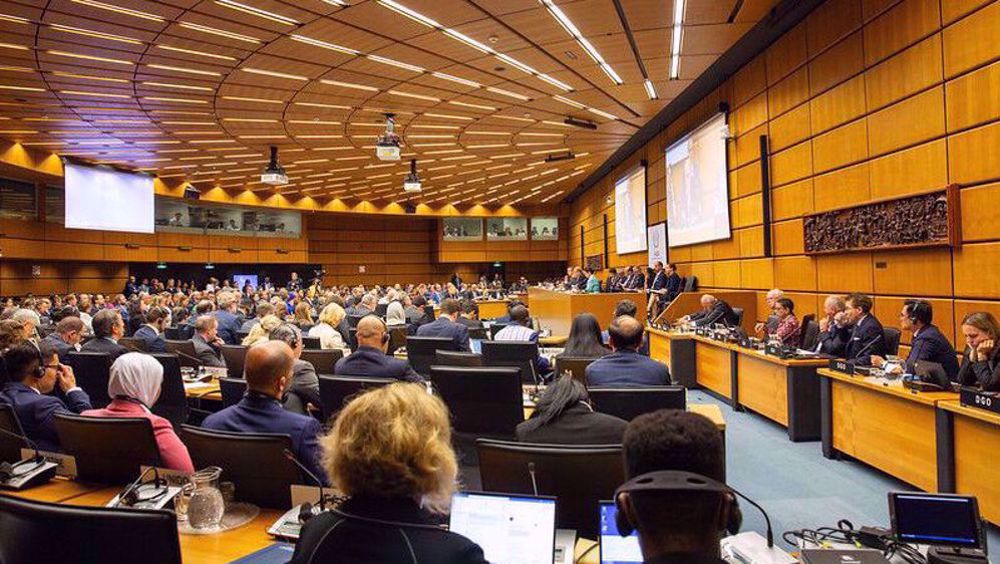
Referring to the UN Security Council meeting held on Tuesday, Eslami said the discussions no longer merely warranted regret but instead exposed the reality of long-standing US pressure on Iran’s nuclear industry.
He noted that Washington has openly stated in its national security strategy that it does not pursue its interests through international organizations and, instead, relies on “the law of the jungle and the use of force.”
Eslami described the report, statements, and references made during the Security Council session as “completely unprofessional and non-legal.”
He emphasized that UN Security Council Resolution 2231 has expired, and even if it were to be cited, its procedural requirements were not followed.
Claims that Iran’s alleged non-compliance with the JCPOA justifies the reinstatement of previous UN sanctions, he said, are “entirely rejected and unacceptable.”
He added that China and Russia, both permanent members of the Security Council with veto power, have explicitly rejected these claims, stating that the push by the three European countries and the United States—backed by Israeli lobbying—has no legal standing and is not enforceable.
Elsewhere in his remarks, Eslami announced the launch of a nationwide multimedia festival titled “Nuclear Technology for Life,” organized jointly with Iran’s national broadcaster.
He said the initiative aims to counter misinformation and distorted narratives about Iran’s nuclear program by presenting multi-layered accounts through public and media participation.
Pezeshkian vows to firmly defend Iran’s position, convey its strength at General Assembly
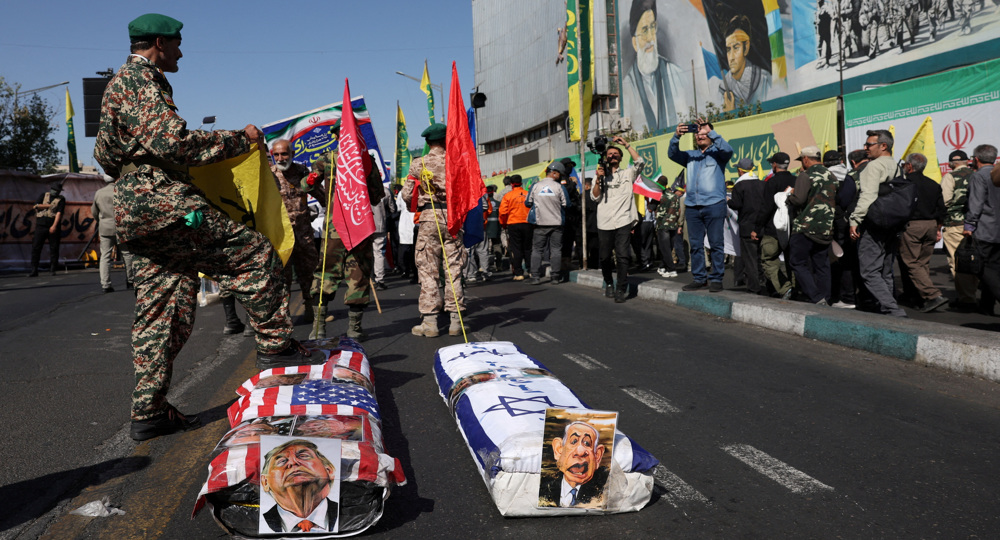
US, Israel must accept 'a region free of their evil, criminal presence': IRGC
Iran FM: Our first task in New York is to defend the just cause of Iranian people



Pezeshkian vows to firmly defend Iran’s position, convey its strength at General Assembly
Iran to begin reverse-engineering captured US underwater drone: IRGC
US, Israel must accept 'a region free of their evil, criminal presence': IRGC
VIDEO | Press TV's news headlines
VIDEO | Pakistan carries out fresh airstrikes on Afghanistan
VIDEO | Gaza launches national committee to defend prisoners
Iran FM: Our first task in New York is to defend the just cause of Iranian people
US lawmaker admits American people footing bill for Trump’s failed aggression against Iran



 PressTV NEWSLETTER
now
PressTV NEWSLETTER
now
 This makes it easy to access the Press TV website
