UN’s top court to hold Myanmar genocide hearings in January

The United Nations’ top court is scheduled to hold public hearings on the 2017 Myanmar genocide in January.
In a landmark case next month, the UN’s International Court of Justice (ICJ) is set to hold public hearings from January 12 to January 29 to address the case of Myanmar’s genocide against the Rohingya Muslim minority, according to a statement on Friday.
The ICJ will hear from experts and hold closed-door hearings with witnesses from Myanmar’s Rohingya Muslim community as well.
Myanmar’s Rohingya Muslim minority has long suffered oppression at the hands of the military in Myanmar’s Rakhine State, where officials have been accused of genocide. About 1 million have fled to neighboring Bangladesh since 2017.
The case is expected to set a precedent that could influence South Africa’s genocide case against the Israeli regime in its genocidal war against Palestinians in the Gaza Strip.
Gambia, which brought the case to the ICJ, will outline its case from January 12 to January 15 in the first week of the hearings.
“The hearings will be devoted to the merits of the case and will include the examination of witnesses and an expert called by the Parties,” the ICJ said in a statement.
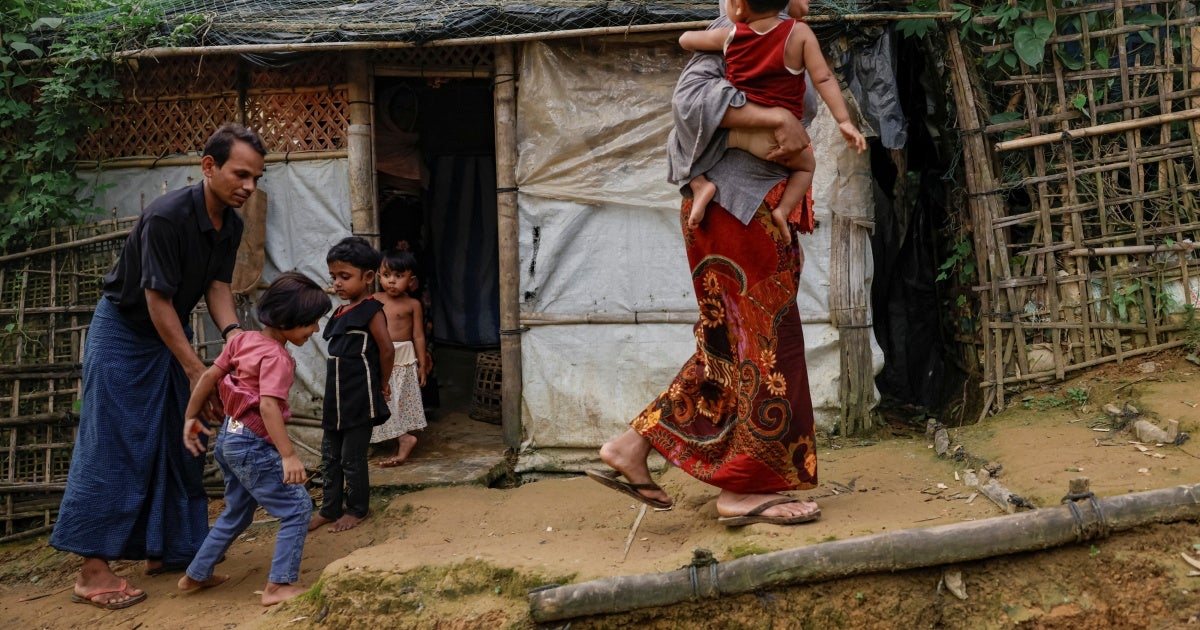
Gambia and Myanmar have both signed the Genocide Convention, which gives the top UN court jurisdiction in the case.
The predominantly Muslim West African country, backed by the Organization for Islamic Cooperation (OIC), filed the case at the ICJ in 2019, accusing Myanmar of committing genocide against the Rohingya.
Eleven other states, including Canada, Denmark, France, Germany, the Netherlands, the United Kingdom, the Maldives, Slovenia, the Democratic Republic of the Congo, Belgium, and Ireland, have filed declarations of intervention in the case.
The UN’s fact-finding mission found that the 2017 military campaign by Myanmar that drove around one million Rohingya into neighboring Bangladesh had included “genocidal acts.”
Now, the case is being brought under the 1948 Genocide Convention, enacted in the wake of the mass murder of Jews in the Nazi Holocaust, which defines genocide as “acts committed with intent to destroy, in whole or in part, a national, ethnic, racial, or religious group.”
The Genocide Convention sees the killing of members of the group, causing serious bodily or mental harm to members of the group, and deliberately inflicting conditions of life calculated to bring about the destruction of the group in whole or in part, all as cases representing genocide.
Since 1948, the ICJ has only confirmed one episode of genocide, the 1995 Srebrenica massacre of some 8,000 Muslim men and boys by Bosnian Serb troops in the 1990s war that tore apart the former Yugoslavia.
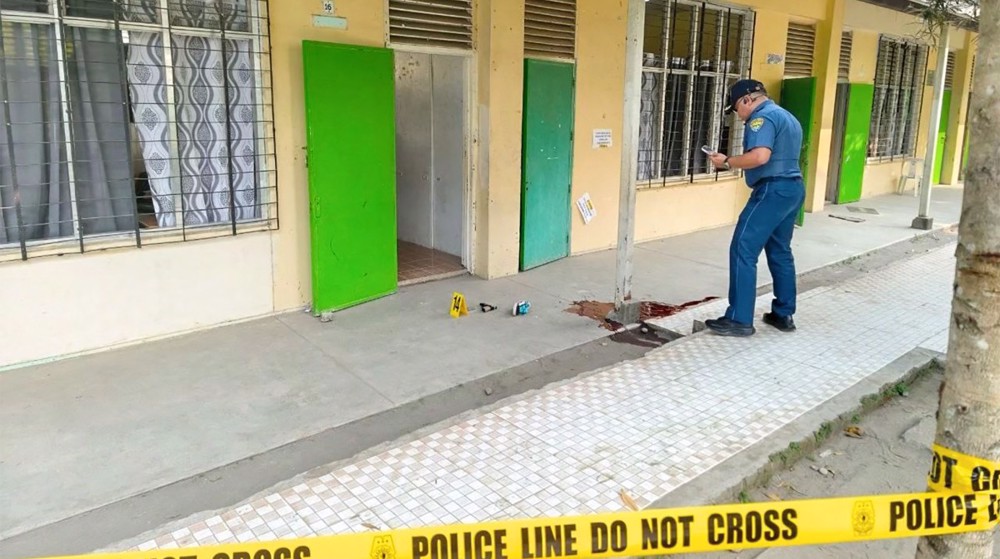
Three students killed, eight wounded in Philippines school shooting
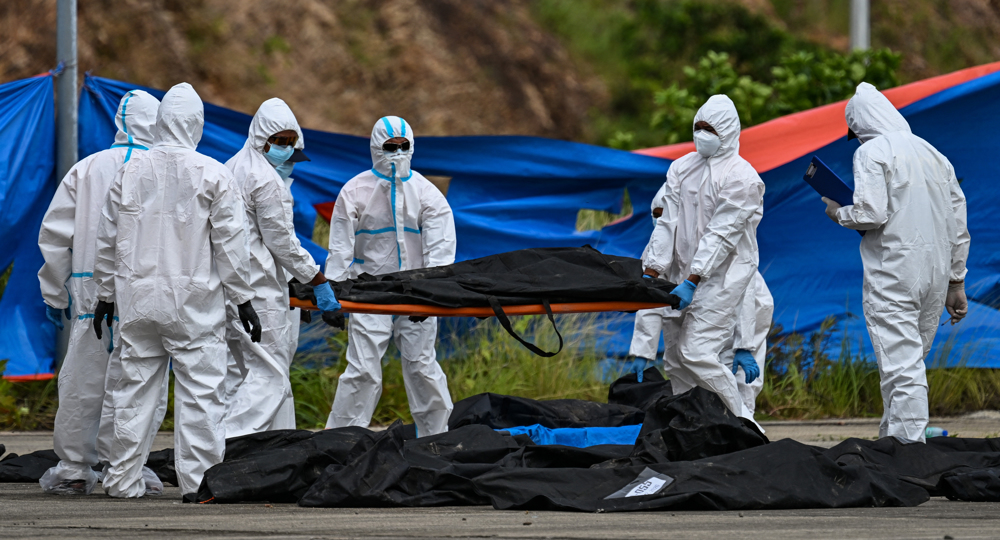
Death toll from Philippine ferry fire rises to 76

Anti-Israel protest cancels planned Jewish New Year celebrations in Thailand



Trump announces ‘security’ agreement on Greenland after threatening to annex it
CPJ slams Israel’s abduction of Press TV journalist, demands her immediate release
‘Stop your crocodile tears’: Araghchi hits back at French FM over human rights allegations
Trump bars CNN, MS NOW and Politico from White House as they question his pro-war policies
Discover Iran: Tabriz, where Iran’s Silk Road legacy meets industry, trade and a new economic future
Sirens blare in Riyadh, across Saudi Arabia amid amid Yemeni retaliatory strikes
New images reveal severe destruction at US base in Kuwait after Iranian strikes
Israeli strike on motorcycle kills Palestinian in Gaza City, injures child




 PressTV NEWSLETTER now
  This makes it easy to access the Press TV website