Oil prices rise as Trump’s Venezuela blockade stokes supply uncertainty
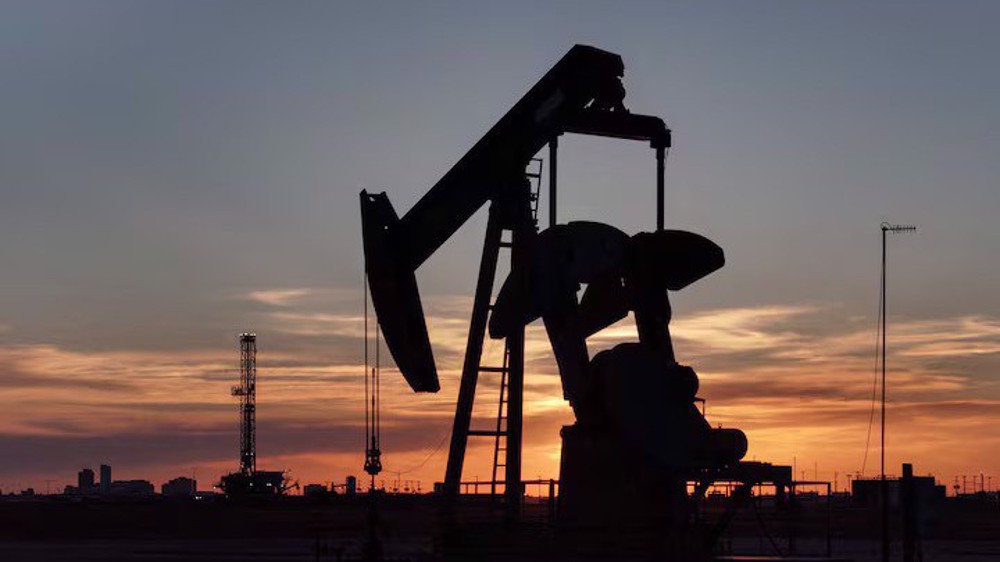
Oil prices rallied more than 1% on Wednesday after US President Donald Trump ordered what he called a complete blockade of all sanctioned oil tankers entering and leaving Venezuela, raising global political tensions and easing concerns about a growing surplus of global crude.
Brent crude futures were up 94 cents, or 1.6%, at $59.86 a barrel at 1:20 p.m. EST (1820 GMT), while US West Texas Intermediate crude was up 87 cents, or 1.6%, to $56.14 a barrel.
Growing US fuel inventories tempered the rise in crude oil prices.
Oil prices had settled near five-year lows in the previous session on signs of progress in Russia-Ukraine peace talks. A peace agreement could see Western sanctions on Moscow eased, freeing up supply as the market grapples with fragile global demand.
On Tuesday, Trump ordered a blockade of all sanctioned oil tankers entering and leaving Venezuela, saying he regarded President Nicolas Maduro's administration as a foreign terrorist organization. The Venezuelan government said in a statement it rejected Trump's “grotesque threat.”
Trump made his blockade comments a week after the US seized a sanctioned oil tanker off Venezuela's coast.
It is unclear how many tankers will be affected and how the US will impose the blockade, and whether Trump will turn to the US Coast Guard to interdict vessels, as he did last week. In recent months, the US has moved warships into the region.
Some energy experts are skeptical that Trump's latest actions would make a meaningful dent in global crude oil supplies.
“The calculation tolerance in what the globe will now lose in supply must be vast, as the estimated number of barrels denied to the oceans ranges from zero to possibly a million barrels per day,” according to a PVM Energy note.
While many vessels picking up oil in Venezuela are under sanctions, others transporting the country's oil and crude by way of Iran and Russia have not been sanctioned. Tankers chartered by Chevron are also carrying Venezuelan crude to the US under an authorization previously granted by Washington.
China is the biggest buyer of Venezuelan crude, which accounts for about 1% of global supplies.
Adding further uncertainty to Venezuela's energy production, state-run oil company PDVSA on Wednesday said it was resuming at its terminals following a cyberattack that affected its centralized administrative systems.
Rising Inventories
Rising inventories of gasoline and distillate in the US took some of the steam out of crude oil's rise. While crude inventories fell last week, those of gasoline and distillate grew more than analysts expected, according to the US Energy Information Administration.
Crude inventories dropped by 1.3 million barrels to 424.4 million barrels in the week ended December 12, the EIA said, compared with analysts' expectations in a Reuters poll for a draw of 1.1 million barrels.
US gasoline stocks, meanwhile, added 4.8 million barrels in the week to 225.6 million barrels, the EIA said, compared with analysts’ expectations in a Reuters poll for a build of 2.1 million barrels.
Distillate stockpiles, which include diesel and heating oil, rose by 1.7 million barrels in the week to 118.5 million barrels, versus expectations for a rise of 1.2 million barrels, the EIA data showed.
“Although we still expect a crude surplus to develop as early as next month, such a process will be challenged by seasonal tendencies for a supply decline as well as by an unusually strong pace of US refinery activity,” said consultant Jim Ritterbusch of Ritterbusch and Associates.
(Source: Reuters)
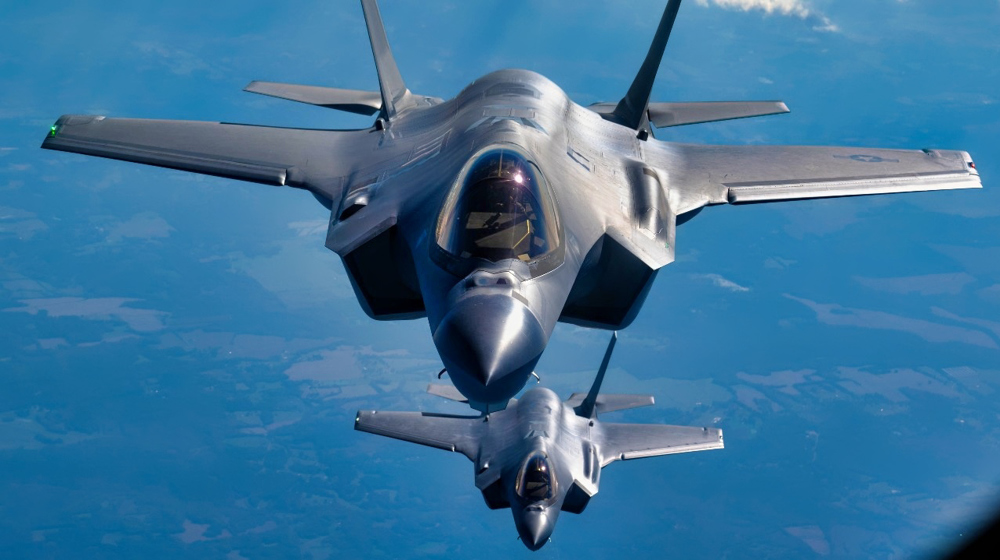
Israel seeks US 'compensation' over Saudi F-35 deal: Report
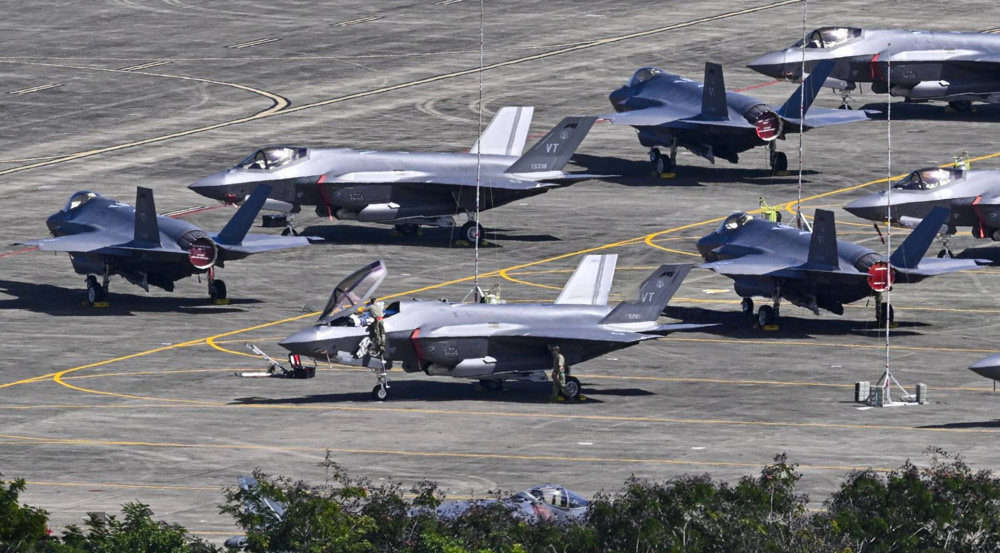
US clears way for F-35 sale to Saudi Arabia amid aggression against Yemen
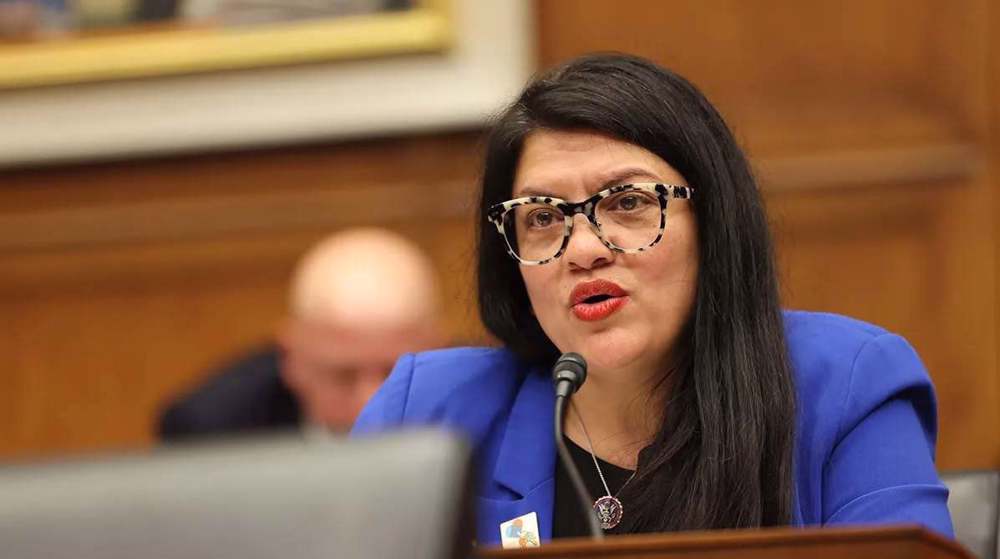
US lawmaker slams Trump’s $5 billion weapons sale to Saudi Arabia



Syria’s HTS declines Saudi bid for militants against Yemeni forces: Report
VIDEO | Pentagon criticized for failing to release real number of US troops casualties
Araghchi: Military intervention cannot create security; coercion cannot bring peace
VIDEO | US president using Greenland as foreign policy success
VIDEO | Press TV's news headlines
Jordan: the Kingdom of compromise - Part 2
University of Tehran scientists develop bio-scaffolds for bone repair
Handala hacker group publishes selfie images of 700 Israeli ‘security’ personnel


 PressTV NEWSLETTER
now
PressTV NEWSLETTER
now
 This makes it easy to access the Press TV website
