Doctors in England begin 5-day strike over pay standoff amid flu surge
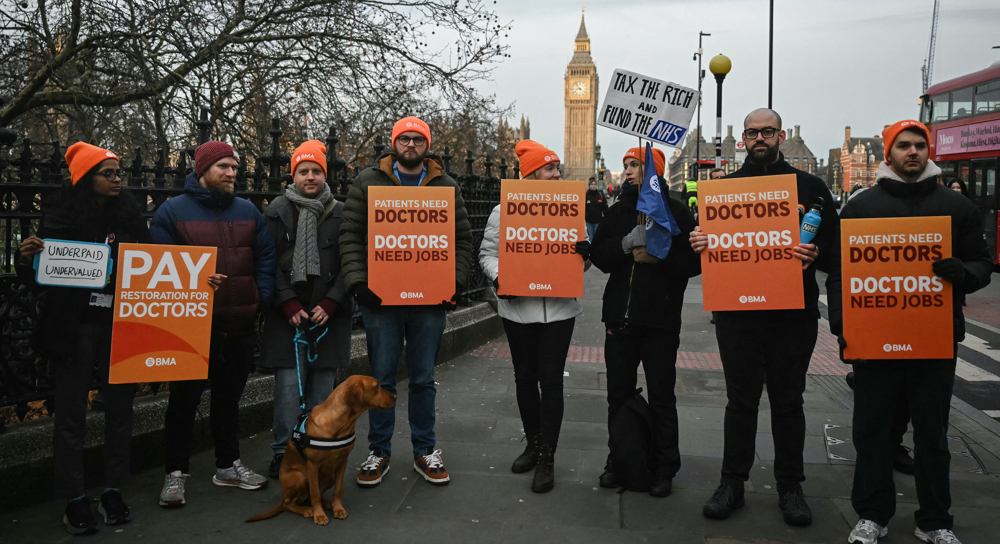
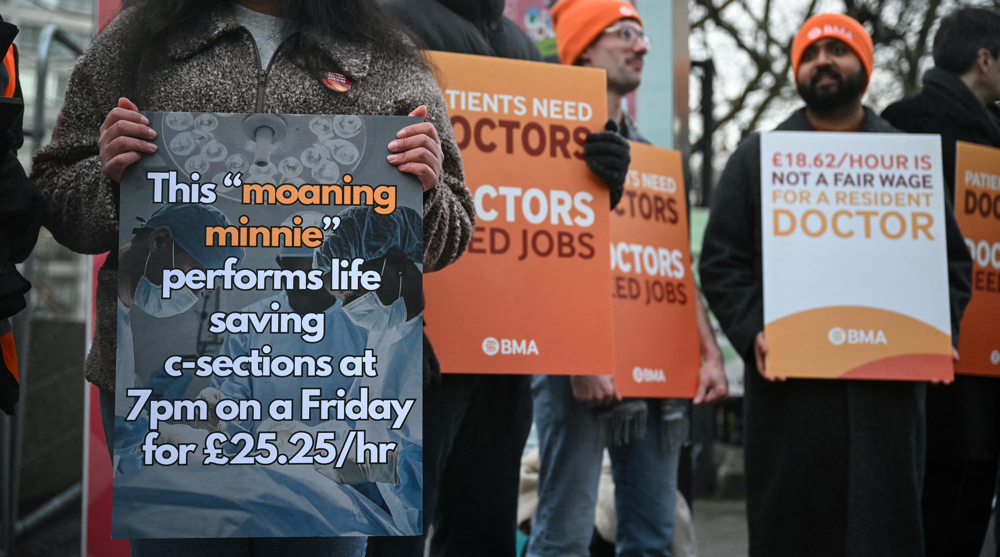
Resident doctors in England launched a five-day strike on Wednesday, escalating a long-running dispute over pay and working conditions as hospitals grapple with a severe flu outbreak.
Represented by the British Medical Association (BMA), this marks the 14th strike by junior doctors since March 2023, in a protracted conflict over stagnant wages.
The union is calling for a comprehensive plan to boost pay and a guarantee of new specialty training positions, citing a mounting “jobs crisis” in the NHS.
It has called on the government of Prime Minister Keir Starmer to develop “a genuinely long-term plan” addressing both pay and staffing.
The industrial action comes at a time when NHS hospitals are already under severe strain, with flu hospitalizations surging by more than 50% in early December.
NHS England warned last week that hospitals were facing a “worst-case scenario” from a particularly virulent strain of flu.
Jack Fletcher, a BMA resident doctor leader, said the doctors are on strike again "because we have not yet reached a credible deal to fix this absurd jobs crisis.”
He added, “No one has ever asked for anything double-digit overnight. What we’re asking for is to stop these real-time pay cuts that the government are imposing on doctors.”
The strike follows last-minute talks between the government and the union on Tuesday. While officials described the meeting as “constructive,” Progress was not sufficient to call off the walkout.
The BMA is seeking a 29% pay increase this year to restore salaries to 2008 levels in real terms.
British Health Minister Wes Streeting dismissed the strike as “self-indulgent, irresponsible and dangerous,” while Starmer called it “dangerous and utterly irresponsible.”
Resident doctors, who make up nearly half of the NHS workforce, are walking out of both emergency and non-urgent care, with senior doctors drafted in to provide limited cover.
The strike is expected to reduce doctor availability, forcing UK hospitals to prioritize life-saving care and reschedule routine appointments.
UK judge bars sentencing Palestine Action activists on charges of ‘terrorism’
British trade unions urge PM to stop UK support for illegal US-Israeli war on Iran
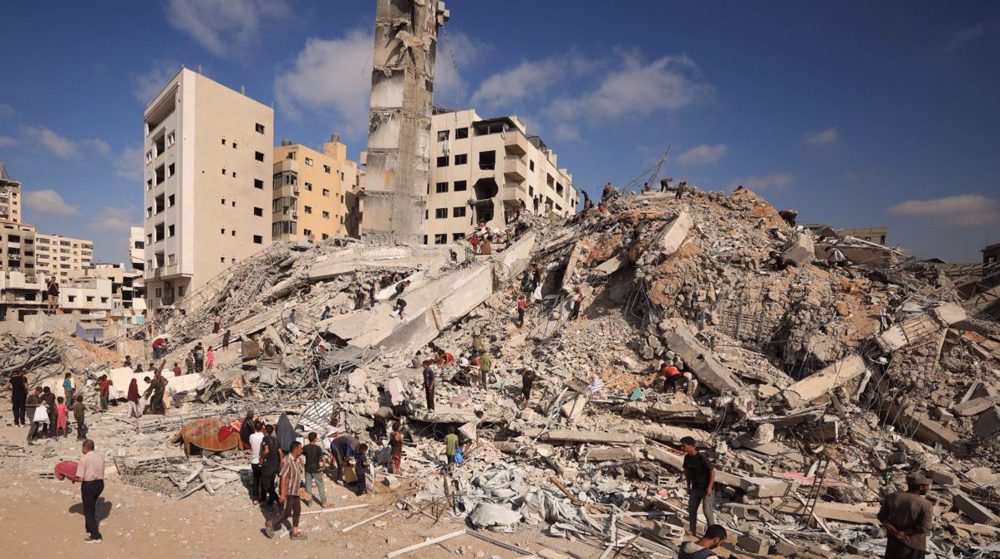
Scottish educators defy pro-Israel pressure, vow to teach Gaza genocide



US aggression, economic warfare amount to crimes against humanity: Iran's UN envoy
Protests erupt in US as ICE agent shoots Venezuelan driver
US pressure fuels cooperation among Muslim states: Pezeshkian
Major TV networks suspend White House pool coverage after Trump ban
US visa ban on Palestinian UN delegation violates international agreements: Hamas
VIDEO | Press TV's news headlines
Iran calls on France to respect law after suspending French cultural institute in Tehran
Israel lobby no longer shy about its grip on US policy on Iran: Araghchi



 PressTV NEWSLETTER
now
PressTV NEWSLETTER
now
 This makes it easy to access the Press TV website
