FM Araghchi: Iran-Russia ‘strategic partnership’ basis for multilateral order
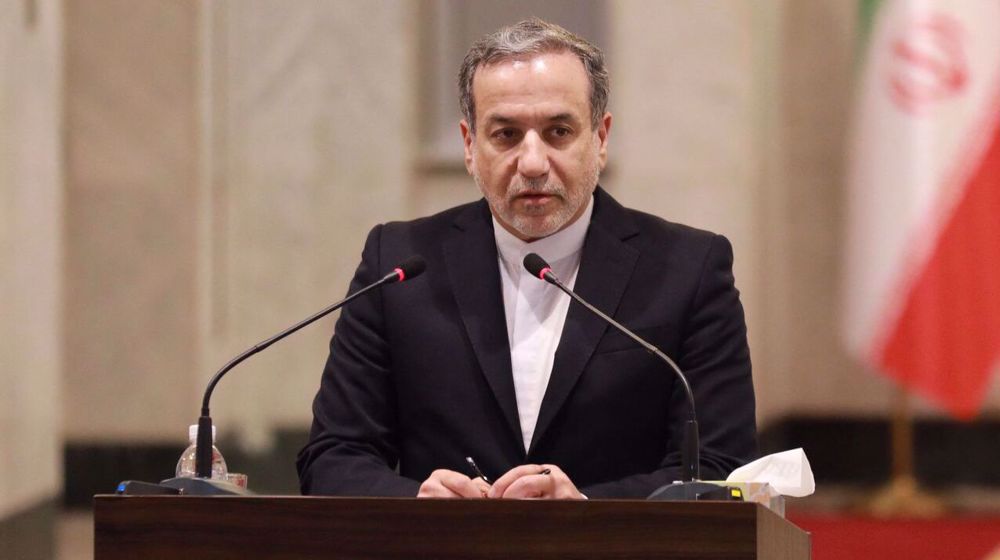
Iran’s Foreign Minister Abbas Araghchi has described relations between Tehran and Moscow as a “strategic partnership” aimed at advancing a new, just, and genuinely multilateral world order.
In an op-ed published on Tuesday in Russia’s Kommersant newspaper, coinciding with the first day of his visit to Moscow, Araghchi outlined the current level of political, economic, and humanitarian cooperation between Iran and Russia as well as the future trajectory of their relations.
He said that ties between Iran and the Russian Federation are deep-rooted, multi-layered, and founded on a shared understanding of profound transformations in the international system.
“These relations were formed not based on short-term considerations, but rather on historical and geopolitical ties and the enduring interests of both countries,” he said, adding that over time and through complex regional and global developments, these relations have matured into a partnership marked by trust, foresight, and responsibility in the international system.
Araghchi said that Iran’s neighborliness diplomacy is one of the main pillars of its foreign policy, as stressed by President Masoud Pezeshkian, which holds that regional security, stability, and sustainable development can only be achieved through cooperation among neighboring and regional states, free from external interference.
“Within this framework, Russia, as an important neighbor in the Eurasian and Caspian regions and an influential force in global affairs, occupies a special place in the Islamic Republic of Iran’s foreign policy,” he noted.
The Iranian minister noted that the rapid development of regional and global changes, growing unilateralism, and the imposition of “illegal and inhumane sanctions,” led to the conclusion of the “Comprehensive Strategic Partnership Treaty” between the two countries.
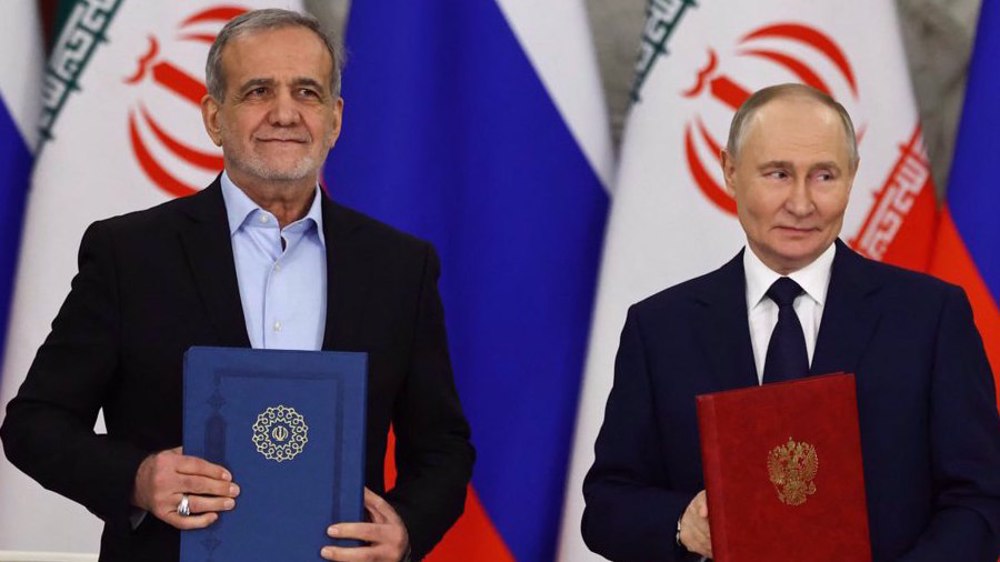
The treaty, he added, elevated bilateral relations to a higher qualitative level and served as a long-term roadmap for cooperation across political, economic, security, defense, energy, scientific, technological, cultural, tourism, and investment fields.
According to Araghchi, the treaty is “a basis for joint efforts to help shape a fairer, more balanced, and genuinely multilateral global order.”
On economic cooperation, Araghchi underscored the importance of leveraging complementary economic advantages and expanding cooperation within the Eurasian Economic Union to facilitate trade, diversify transit routes, and better integrate Iran into regional markets.
The Caspian Sea, he said, “is not only a shared waterway but also an arena for cooperation in energy, transport, environmental protection, regional security, and the creation of transit corridors.”
He also said that the development of the International North–South Transport Corridor could position Iran and Russia as pivotal nodes in Eurasian connectivity between East and West.
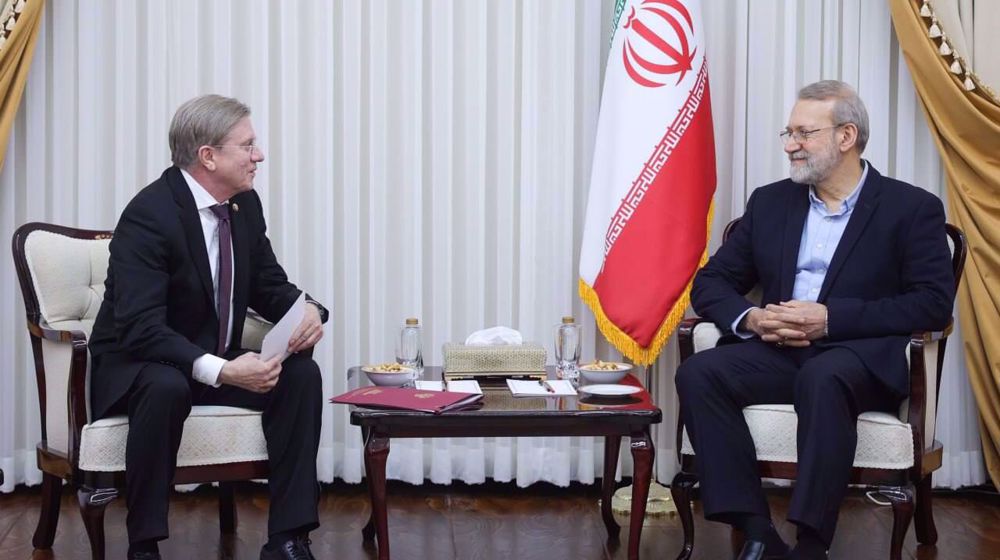
At the political and security levels, the Iranian top diplomat stated that Russia, as a permanent member of the UN Security Council, plays a vital role in countering unilateral actions, the instrumentalization of international institutions, and attempts to impose political will through pressure and sanctions.
He said both countries share a commitment to the UN Charter, respect for national sovereignty, and opposition to illegal interventions.
Referring to shared experiences under unilateral sanctions, Araghchi said this common challenge has strengthened cooperation aimed at mitigating sanctions’ impacts, developing independent financial and banking mechanisms, expanding trade in national currencies, and enhancing economic and technological resilience.
He also emphasized joint engagement in multilateral frameworks such as BRICS, the Shanghai Cooperation Organization, and the Eurasian Economic Union, describing BRICS as not merely an economic bloc but a symbol of emerging powers’ determination to reform unjust global governance structures and reduce reliance on coercive tools.
Araghchi wrote that Iran and Russia, drawing on their strategic partnership and shared sense of responsibility for the future of the international system, are working toward an order in which cooperation replaces hegemony, dialogue replaces pressure, and respect replaces coercion.
Iran must fight US blockade with energy blockade: Deputy speaker
Iran’s president to attend UN General Assembly in New York
Iranian lawmakers push for NPT withdrawal, submit bill to Parliament's Presiding Board



US aggression, economic warfare amount to crimes against humanity: Iran's UN envoy
Protests erupt in US as ICE agent shoots Venezuelan driver
US pressure fuels cooperation among Muslim states: Pezeshkian
Major TV networks suspend White House pool coverage after Trump ban
US visa ban on Palestinian UN delegation violates international agreements: Hamas
VIDEO | Press TV's news headlines
Iran calls on France to respect law after suspending French cultural institute in Tehran
Israel lobby no longer shy about its grip on US policy on Iran: Araghchi


 PressTV NEWSLETTER
now
PressTV NEWSLETTER
now
 This makes it easy to access the Press TV website
