Discover Iran: Ziarat village in Golestan, where sacred herritage meets natural wonders

By Humaira Ahad
On the southern edge of Gorgan, a historic city in northern Iran, where Golestan’s wider provincial sprawl yields to a forest road and the air turns sharper with the touch of mountain wind, the village of Ziarat emerges from the eastern Alborz range seemingly carved into the hills that guard northern Iran.
At roughly 1,000 meters above sea level, the village is tucked between two forested hillsides and fed by natural hot springs.
For decades, this valley settlement, only 17 kilometres from Gorgan and just beyond the popular Naharkhoran Forest Park, has been a spiritual stopover, a summer refuge, and, increasingly a destination for ecological tourism.
Its location inside the eastern stretch of the Caspian Hyrcanian rainforests, one of the world’s oldest ecosystems, gives it a virgin atmosphere, untouched by the steady growth of modern tourism.
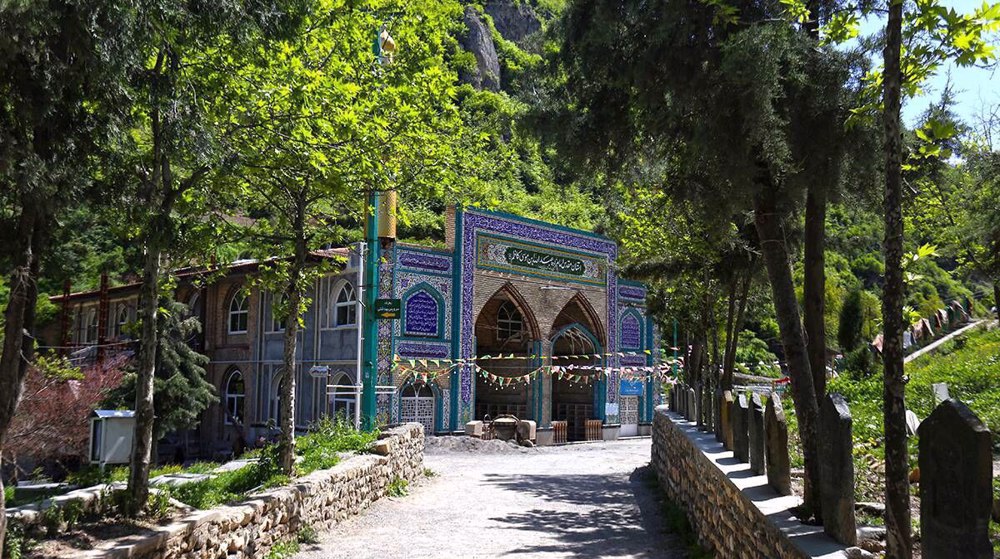
Village built around a shrine
Like many historic Iranian villages and towns, Ziarat’s identity begins around the shrine of Imamzadeh Abdullah, believed to be a descendant of Imam Musa al-Kadhim (AS), the seventh Shia Imam.
It is this sacred presence that gave the village its name, “Ziarat,” meaning “pilgrimage.”
Long before paved roads connected Gorgan to its surrounding mountains, families from across the region would travel here to visit the Imamzadeh.
According to the locals, the entire settlement grew around the shrine. Today, the modest religious complex remains a focal point for worship and community life.
On special occasions, villagers gather for Quran recitations and religious ceremonies, continuing practices that have been passed down for centuries.
Ziarat’s landscape
Ziarat’s unique topography, its steep slopes, forested valleys, and scenic mountains serve as an invitation for tourist’s eager to explore northern Iran’s scenic charm.
A river runs along the eastern edge of the village, waterfalls lie in the south, reachable by dirt roads and forest trails, and surrounding hills, used for grazing sheep, goats, and cattle, fold into mountainous backdrops.
Ziarat Waterfall is one of the area’s most beloved viewpoints, bordered by dense forests and accessible through a popular hiking path.
And then there is the hot spring, a mineral-rich emergence of calcium, magnesium, and sulphur waters, located near the mountainous path leading to the village.
At around 40°C, the spring is known locally for soothing muscular pain, rheumatism, and skin ailments.
Around the village, there are several other springs, among which Sorkh-Rud Spring is one of the most well-known.
With its clear and perennial water, this spring supplies part of the local water resources, and its surroundings are ideal for picnicking.
The Hyrcanian forests surrounding Ziarat Village are among the oldest and most valuable natural ecosystems in Iran, dating back millions of years.
These forests, with diverse plant species such as Elm, Angelica, Ash, and Oak, play a vital role in maintaining the regional ecosystem.
The forests shelter a variety of birds, small mammals, and rare insects, and strolling along the trails offers visitors a serene escape into untouched nature.
As the village sits at a higher elevation compared to the city of Gorgan, Ziarat remains cool even in the height of summer.
In July and August, when heat presses down on the Caspian plains, the village offers a pleasant climate.
During spring, light rains support flowering across the village. Autumn brings morning mist and forests in shades of yellow and red, while as in winter the surrounding hills get covered in snow.
Locals say the best time to visit Ziarat is between late April and early June, or in early autumn periods when the forests are at their most dramatic in autumn hues.
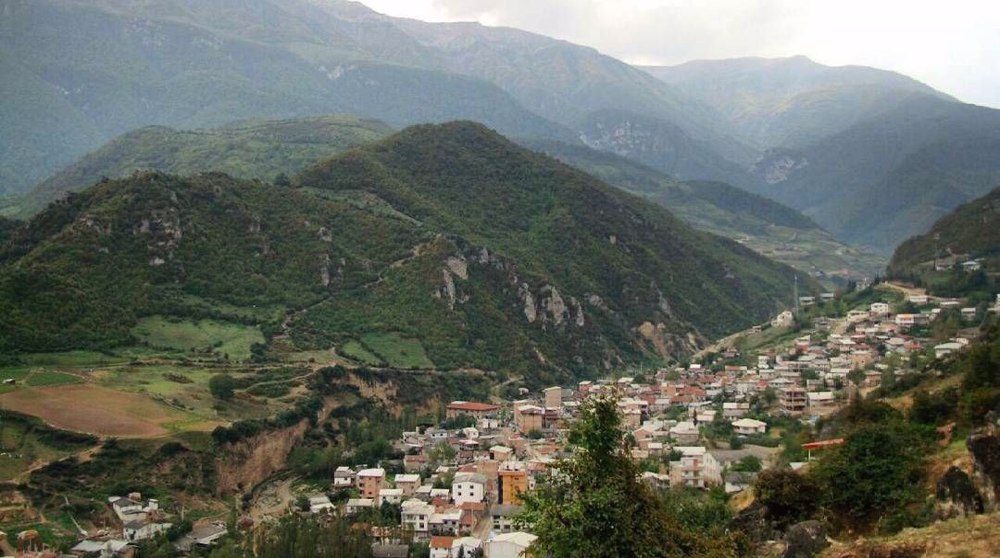
Archaeology and architecture of Ziarat
Archaeological traces and local history suggest the village dates back to the early Islamic centuries.
Its safe location nestled among peaks, protected by dense forests, with plenty of water bodies made it a refuge against outside attacks.
The remains of historic sites, Takht-e Khosrow, Takht-e Dika, Aspandyar Mahale, and others point to the village’s long habitation during the Qajar and Pahlavi eras.
Ziarat has even been recognized as one of the “ten villages with Assyrian historical values,” a designation that underscores the village’s ancient heritage and long-standing human settlement.
While this does not mean the village was directly established by the Assyrians, the classification highlights the presence of archaeological sites, old monuments, and historical structures that point to thousands of years of continuous habitation.
Ziarat, with its distinctive and traditional architecture, is also a unique example of human adaptation to nature.
Most of the houses are built in a stepped layout on the mountain slopes, using local materials such as stone, wood, and brick.
The architectural design is fully compatible with the region’s mountainous climate, gabled roofs help channel rainwater, and the sloping alleys allow floodwater to pass through, both key features of this traditional structure.
The houses are generally two or three stories high, with balconies facing the natural landscape and offering beautiful views of the forest. Wooden lattice windows, thick walls to maintain indoor temperature, and the use of earthy tones for exterior facades are among the elements that bring warmth and authenticity to the environment.
At the heart of the village, public structures such as the mosque, the old school, and the shrine of Imamzadeh Abdullah are built in the same traditional style. Many of the old houses still feature traditional decorative motifs, clay ovens, and stone basins.
Apart from being aesthetically appealing, this traditional architecture is also highly efficient in responding to the region’s climatic conditions due to its use of local materials and efficient design.
Culture rooted in the land
The people of Ziarat, live lives still closely tied to the mountainous environment. Farming, livestock raising, horticulture, and beekeeping shape daily routines.
Visitors are often welcomed with local honey, wild herbs, and stories of the village’s past.
The produce mostly comes from the land that surrounds the village: mountain honey, pickles, pomegranate molasses, sour plum extract, syrups, and dried medicinal herbs like borage, yarrow, and thyme.
Some families create kilims, woven goods, and wicker baskets, traditional crafts deeply connected to the local tradition.
In Ziarat, life moves in rhythm with the mountains and forests. Daily routines, centuries-old traditions, and the surrounding beauty come together offering visitors a glimpse of a village where history, culture, and nature coexist in harmony.
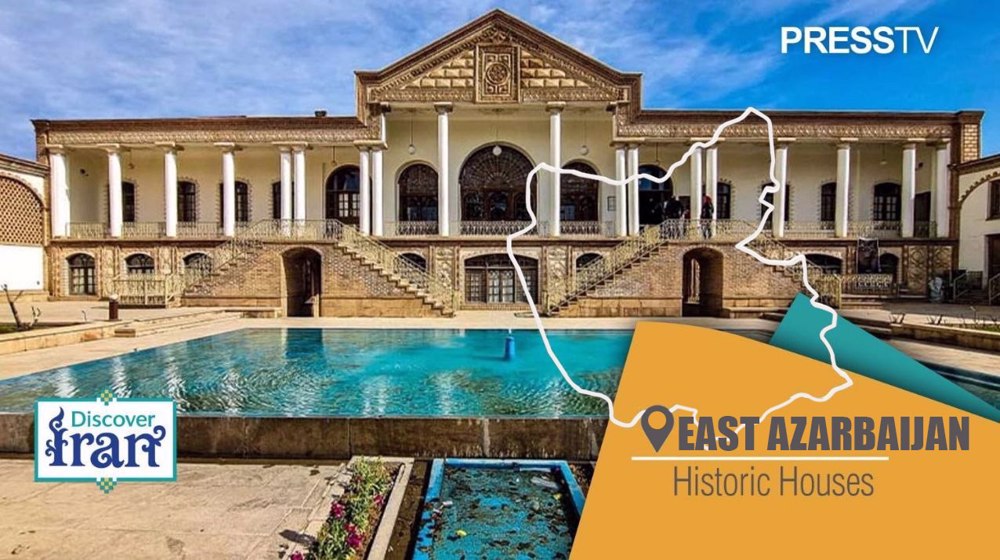
Discover Iran: Tabriz’s extraordinary architectural legacy through royal palaces, merchant mansions
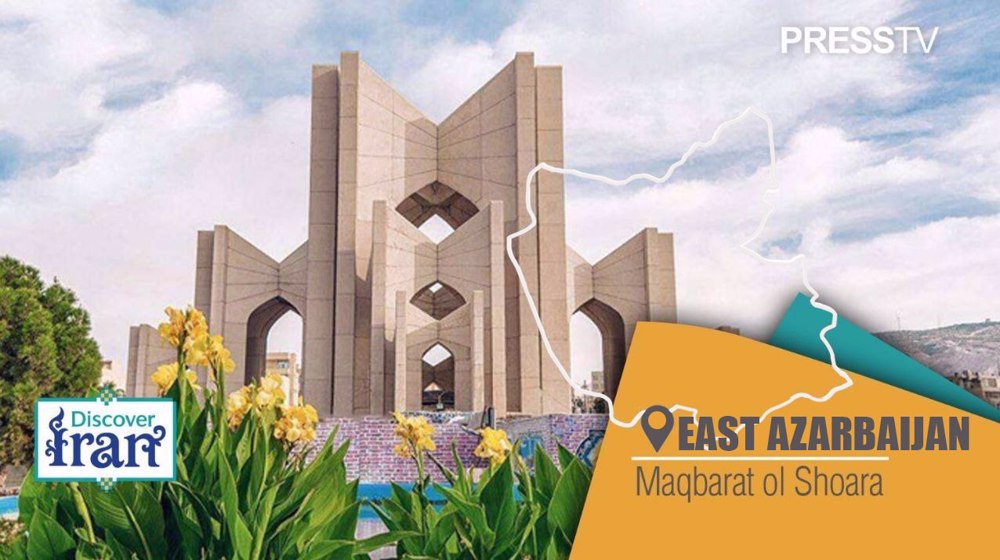
Discover Iran: Tabriz’s ‘Mausoleum of Poets,’ where centuries of Persian literary history live on
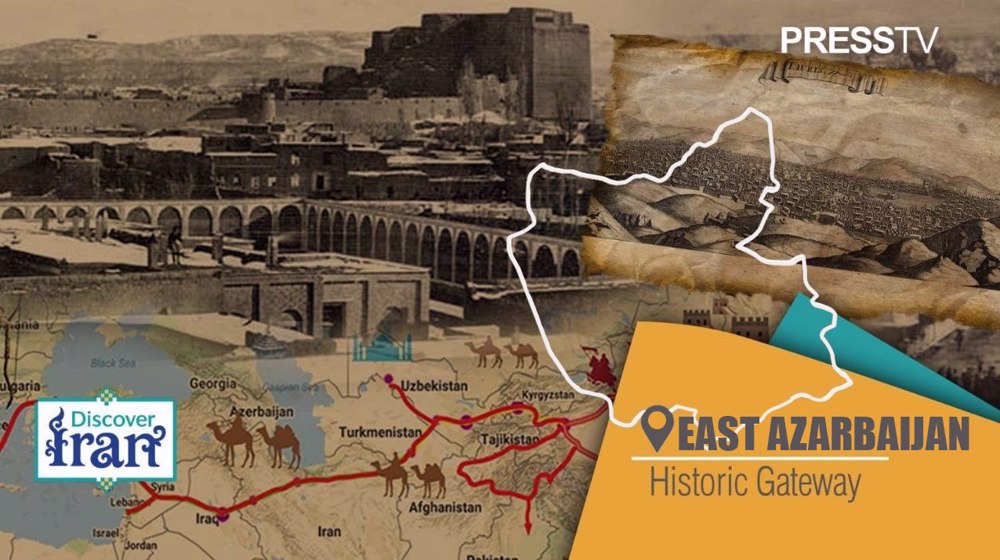
Discover Iran: Tabriz, where Iran’s Silk Road legacy meets industry, trade and a new economic future



VIDEO | Press TV's news headlines
VIDEO | Priests rally in Rome to honor Palestinian, Lebanese children murdered by Israel
Iran’s military warns of ‘unpredictable blows’ in response to US threats
VIDEO | US economic war on Iran
Iran FM meets with US envoy on UN meeting’s sidelines at American side’s insistence: Report
UN chief warns Israeli violence in West Bank raises ‘specter of ethnic cleansing’
VIDEO | ‘Korea gets nothing, loses everything, with Hormuz deployment’
Iran parliamentary commission approves penalties for violators of Hormuz laws


 PressTV NEWSLETTER
now
PressTV NEWSLETTER
now
 This makes it easy to access the Press TV website
