China deploys largest naval force yet amid Japan’s buildup near Taiwan
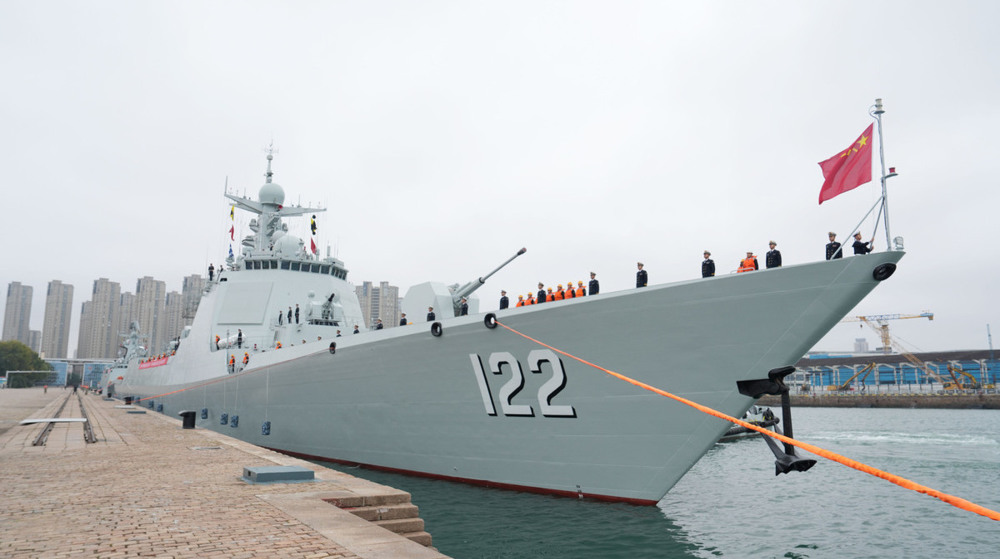
China has deployed its largest naval presence to date across East Asian waters, coinciding with Japan’s accelerated militarization of the Ryukyu island chain, raising tensions in the region amid renewed concerns over Taiwan.
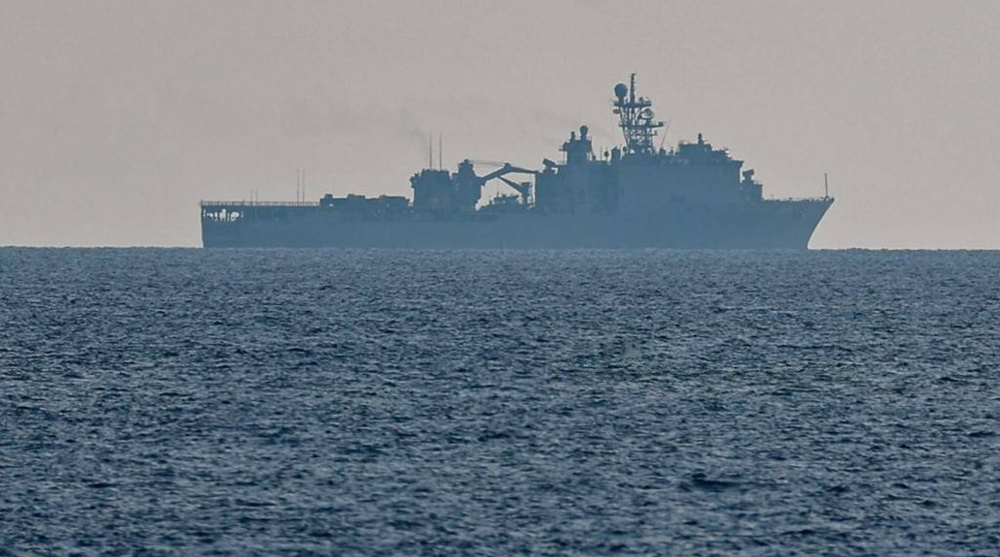
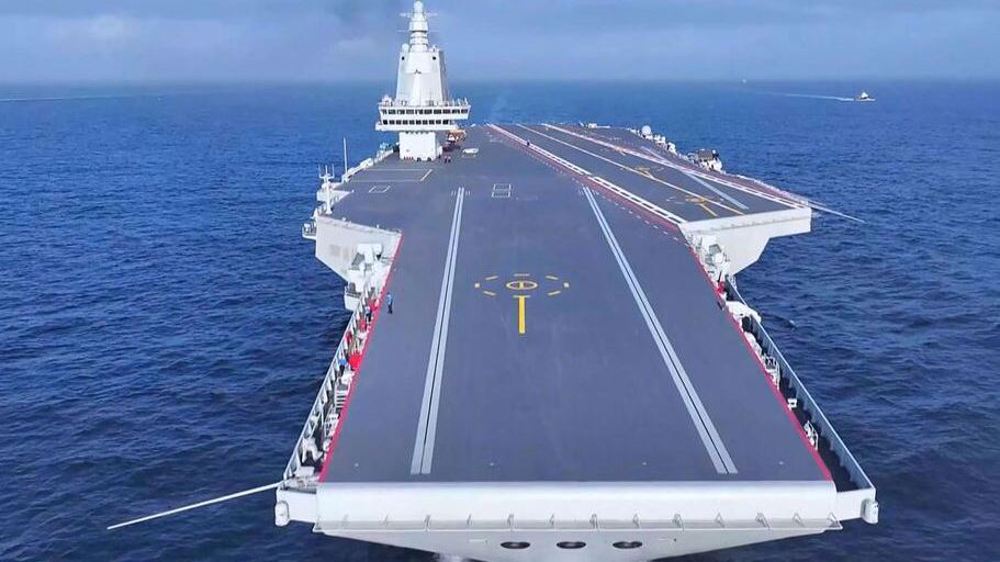
Regional officials and intelligence assessments said China has deployed what they described as its “largest maritime show of force to date,” with more than 100 naval and coast guard vessels operating from the Yellow Sea to the western Pacific.
While Beijing has not announced any official exercises, analysts described the activity as a potential demonstration of maritime power in a politically sensitive period.
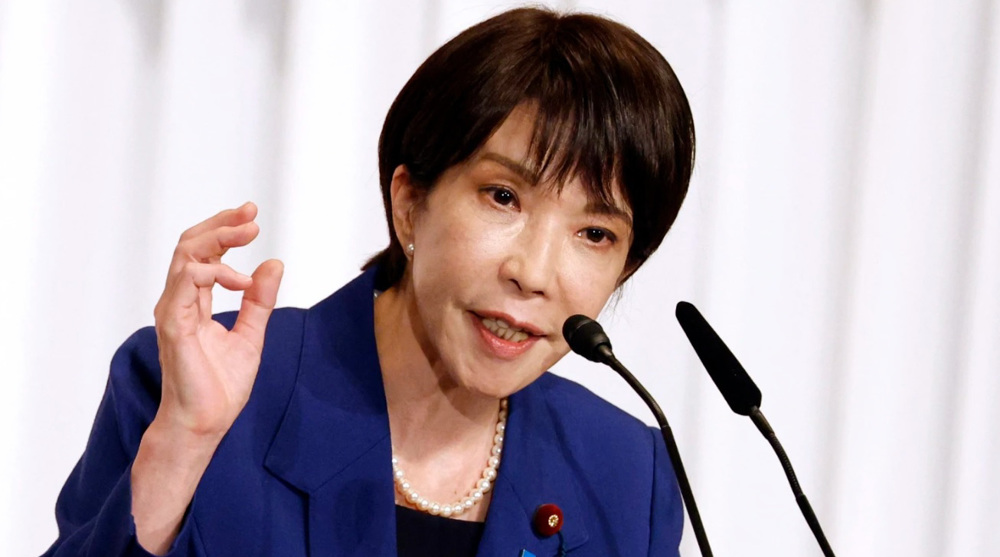
The heightened tempo at sea comes amid a political clash with Tokyo. Japanese Prime Minister Sanae Takaichi said Tokyo could consider military action if China attacked Taiwan, describing such a scenario as a “Taiwan contingency.”
Her position marked a break from Japan’s traditional adherence to the one-China policy and prompted immediate and strong condemnation from Beijing.
Japan, meanwhile, is reshaping its defense posture across the southwest islands. According to a Wednesday report by CGTN, Tokyo has spent more than a decade transforming the Ryukyu chain into what military planners consider the front line of any Taiwan-related scenario.
Defense Minister Shinjiro Koizumi visited Ishigaki and Yonaguni on November 23 to inspect progress on deployments, including a new unit equipped with the Type-03 medium-range surface-to-air missile system on Yonaguni—just 110 kilometers from Taiwan.
The system is part of an expanding network of air defense, anti-ship, and electronic warfare installations across the southwest.
Residents of the small Yonaguni community, however, remain uneasy. Many have opposed missile deployments for years, arguing that the militarization makes their island a potential target rather than improving security. Some fear the expansion risks drawing the region closer to conflict.
Japan’s shift began in 2010, when Tokyo redirected defense priorities toward mobility and rapid response in the Ryukyus. Since then, missile units have been installed on Amami Oshima and Miyako, and a coastal surveillance unit was set up on Yonaguni in 2016.
A new base opened on Ishigaki last year, and the missile deployment on Yonaguni is scheduled for completion in 2026. By 2027, the 15th Brigade in Okinawa will be upgraded to a division with 4,000 personnel, shifting its mandate from local defense toward island operations.
Against this backdrop, officials offered differing interpretations of China’s naval activities
One described the deployment as unprecedented, saying some vessels—supported by aircraft—simulated attacks on foreign ships and practiced access-denial missions intended to prevent outside intervention during a potential conflict.
Two other sources, however, viewed the maneuvers as a large but routine seasonal operation and said Chinese ship numbers near Taiwan had not increased markedly.
China’s longstanding position that Taiwan is part of its sovereign territory is recognized by almost all countries under the one-China policy.
Beijing has repeatedly said the issue is a red line for the Chinese government and public. By contrast, Japan’s and Taiwan’s recent moves—including Taipei’s approval of an additional $40 billion in defense spending—have introduced new variables into an already sensitive geopolitical environment.
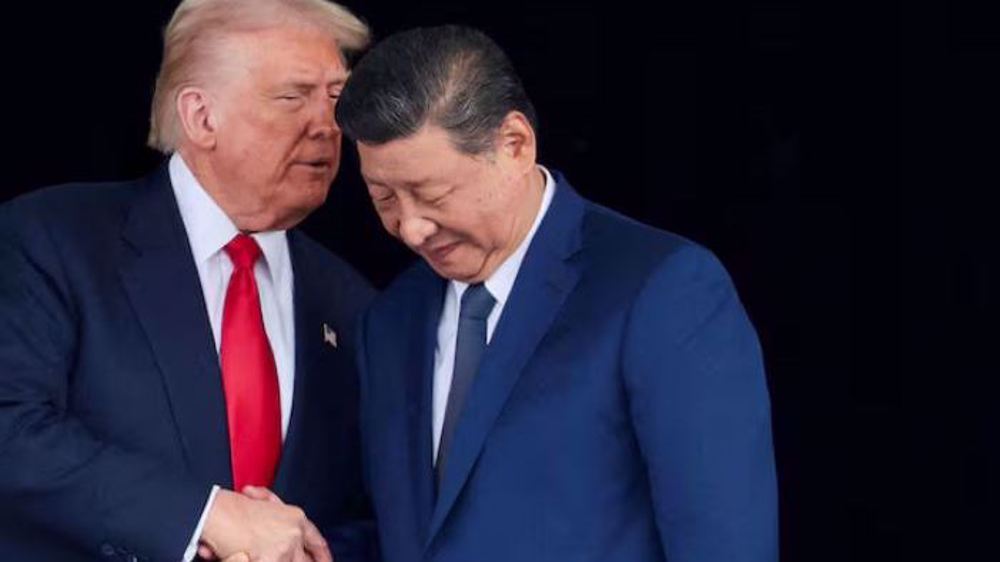
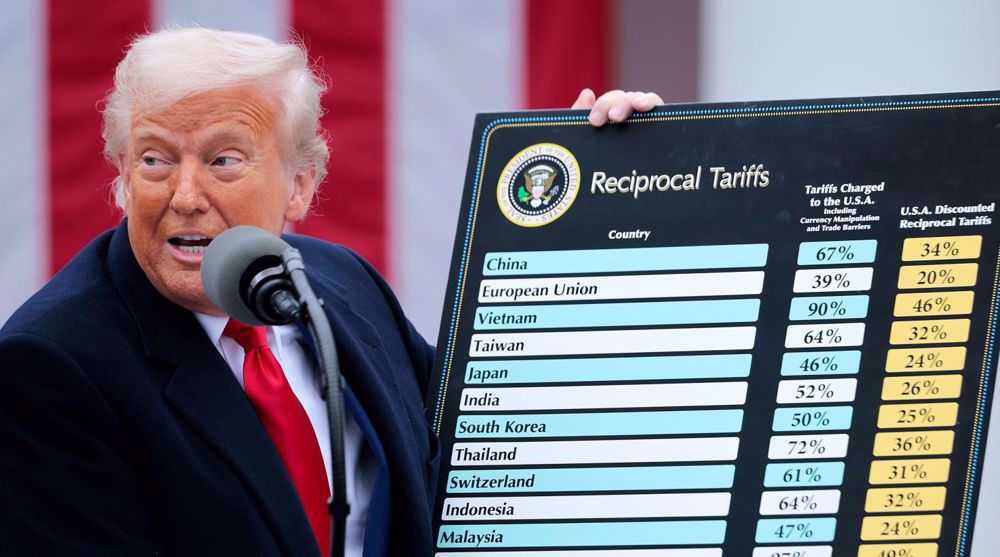
Washington has also been involved. Reuters noted that US President Donald Trump urged Takaichi to lower tensions after her remarks, saying reduced friction with Beijing would help maintain a fragile trade truce.
That message came after Trump’s call with President Xi Jinping, who reiterated China’s position that Taiwan’s future lies with the mainland.
Beijing has not commented publicly on the latest reported maritime operations.
Iran’s strategic location, energy resources position it as a key player in BRICS alliance: Analyst
BRICS voices concern over attacks on IAEA-safeguarded nuclear facilities in Iran
China’s Xi calls on BRICS to help restore peace to West Asia



Iran’s military victory must be complemented by victory in battle of narratives: Basij chief
VIDEO | Press TV's news headlines
US assessment warns of inflation, weapons shortages as war against Iran runs up $38-billion bill
VIDEO | Trump's South Korea Hormuz demand causes backlash
VIDEO | Israel’s detention, harassment of journalists an assault on truth: Political analyst
VIDEO | 200 days of resistance
Report shows Trump planning ‘largest bomb transfer in modern US history’ to Israel
Pentagon finally admits Iran struck US F-35 fighter jet


 PressTV NEWSLETTER
now
PressTV NEWSLETTER
now
 This makes it easy to access the Press TV website
