Explainer: Iran’s first lithium-ion battery line ushers in new era of tech independence
By Mohammad Ali Haqshenas
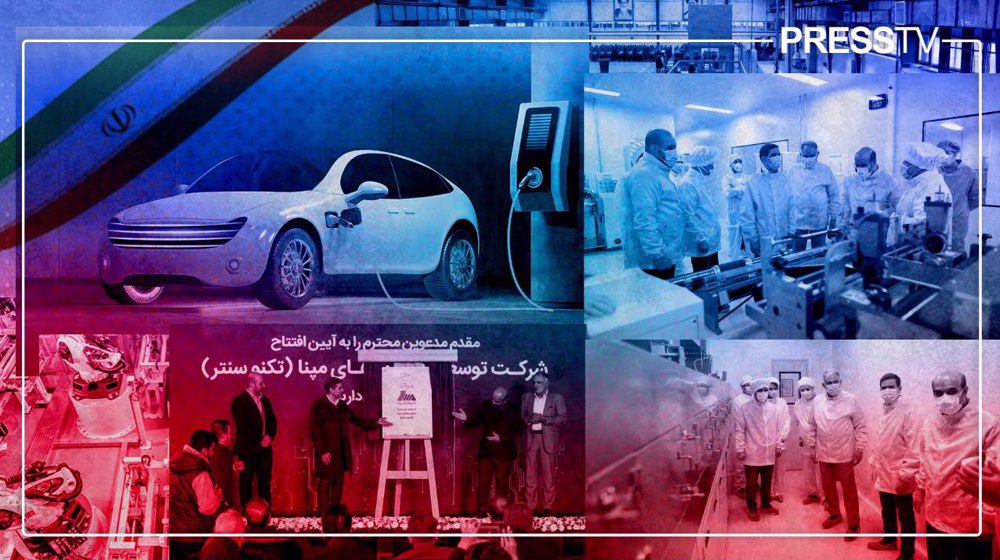
On a fine autumn morning just outside Tehran, engineers in white coats led guests through a gleaming new assembly hall as they unveiled Iran’s first-ever lithium-ion battery pilot line.
The event, held at the newly established Technocenter of MAPNA Group on November 20, 2025, marked the start of an endeavor to produce commercial lithium-ion cells on Iranian soil.
“This achievement positions Iran on the global value chain for advanced battery manufacturing … [and] supports the country’s push toward technological independence in energy storage,” the conglomerate wrote on its website.
Iran has officially embarked on developing commercial lithium-ion batteries, driven by rising global demand and the country’s increasing focus on renewable energy and electric vehicles.
What is a lithium-ion battery?
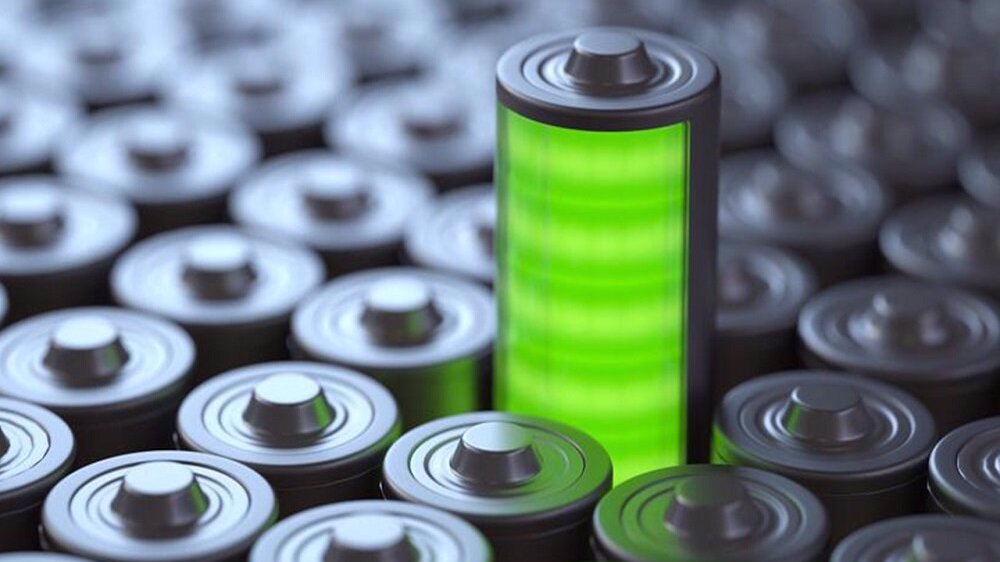
Lithium-ion batteries are the quiet workhorses of modern life. They store a large amount of energy in a small, lightweight package, which is why they power everything from phones to electric cars.
Inside each cell, lithium ions move back and forth between two electrodes, creating a steady flow of electricity. The process is efficient and repeatable, giving these batteries a long lifespan compared with older technologies.
They also charge quickly and deliver power reliably, making them essential for renewable energy systems that need storage to smooth out fluctuations in supply.
In short, lithium-ion batteries make today’s portable and clean-energy world possible.
🇮🇷 MAPNA Group launches Iran’s first lithium-ion battery cell pilot line
— Iran First (@IranFirst_PTV) November 25, 2025
The inauguration also featured the debut of home energy storage power stations with 1.4 kWh and 2.6 kWh capacities, marking a major step forward in Iran’s battery production capabilities.#IranFirst🇮🇷 pic.twitter.com/BXZFDiPIBU
Why does this battery matter?
Lithium-ion battery manufacturing is a complex, high-precision process.
Producing reliable cells requires mastery over electrode coating, electrolyte formulation, clean-room assembly, and rigorous quality controls.
By launching a full pilot line, MAPNA – which works extensively on technological projects – demonstrates that Iranian engineers can adapt or replicate these processes domestically.
The localization of this technology gives Iran control over the design, chemistry, and production of in-demand batteries, also ending dependence on foreign suppliers amid unfair sanctions against the country.
Other than technology, the economic aspect of the endeavor must also be considered as the demand for batteries in Iran is rising.
From electric vehicles (EVs) to home energy storage and consumer electronics, lithium-ion cells are becoming essential for various purposes.
As the country seeks to reduce fossil-fuel reliance and modernize its energy sector, domestically produced batteries can make EVs and renewable energy storage more affordable.
This essentially gains more significance as Iran is trying to confront energy imbalances that it has faced in the past few years.
The pilot line is seen as one of the first steps in reducing the need for costly imports and building a home-grown supply chain, which, in the long run, could reshape domestic manufacturing and lower consumer prices.
How did Iran attain lithium-ion capability?
For decades, Iran sought to reduce dependence on imported energy technologies, evidenced by meticulous efforts of various knowledge-based companies, including MAPNA, that have manufactured much-needed energy products, such as turbines.
The country’s push into lithium-ion technology is not new, but commercial cell production inside the country is. Iranian Space Research Center had obtained the know-how of the batteries as it used them in multiple home-grown satellites launched into space.
The global lithium-ion battery landscape has been dominated by a handful of countries — notably China, which controls a large share of refining and battery production capacity.
According to global market analysts, demand for lithium-ion batteries is expected to grow by more than 20 percent annually through 2030, driven overwhelmingly by EVs and grid-scale storage systems.
Penetrating even a small part of that market with domestically manufactured batteries represents a major industrial and economic opportunity for Iran.
MAPNA Group — long known for ambitious projects pertaining to power plants, turbines, and energy infrastructure — has branched into innovation with its new Technocenter. The facility seeks to combine research, design, and manufacturing under one roof, effectively turning ideas into tangible battery products.
What did MAPNA officials say about it?
In its statement, MAPNA said that its “experts have fully localized the technology — transferring, adapting and building it (lithium-ion battery) entirely within the company.”
At the inauguration ceremony held recently, MAPNA Group CEO Mohammad Owliya highlighted batteries’ strategic role.
He described them as “foundational components” — from renewable energy systems and the power grid to EVs, telecommunications, and backup systems.
Support came from beyond the company. SATBA (the Renewable Energy and Energy Efficiency Organization) CEO Mohsen TarzTalab pledged his agency’s support for domestic battery production, highlighting the need for the product in the renewable push.
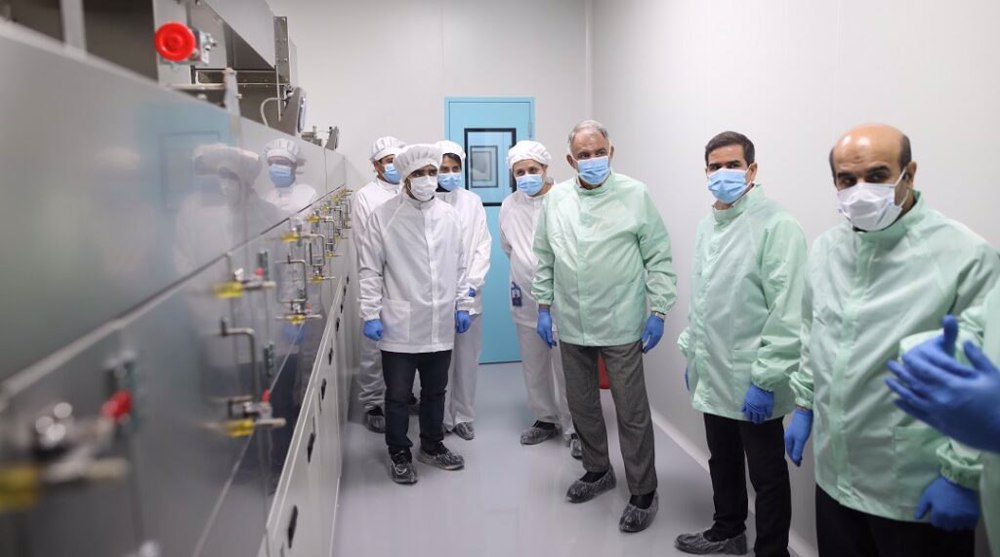
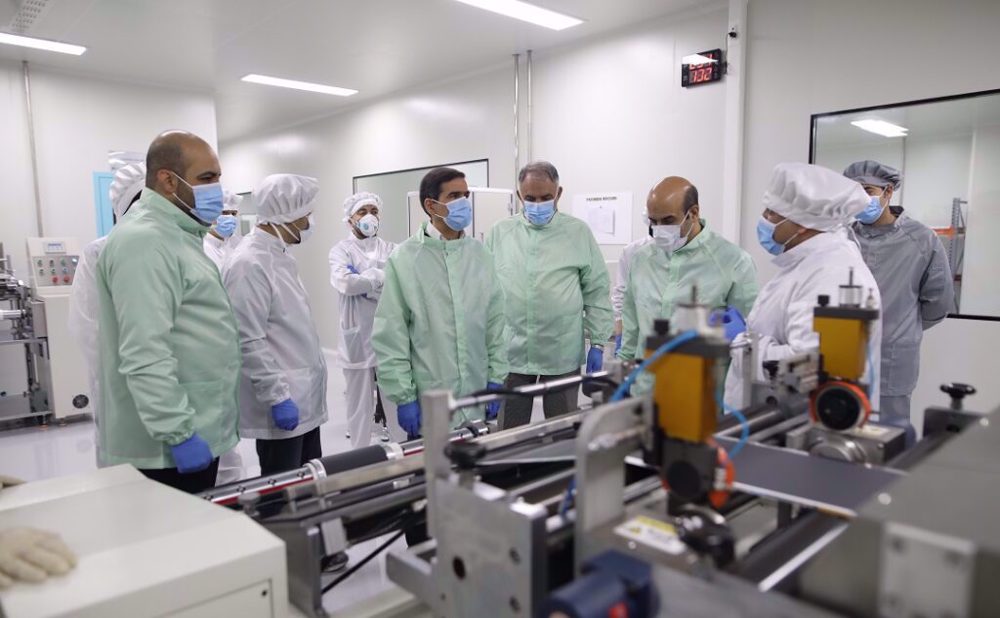
Behind the fanfare, MAPNA’s battery specialists walked some of the attendees through the new clean-room pilot line. They explained the process of cell production all under tight environmental control.
For many, it felt like Iran had finally taken a measurable step toward closing a technological gap.
How does the broader policy landscape look?
The pilot line aligns with Iran’s push to modernize its energy and transport sectors. The government, as part of its broader strategy, has signaled increasing support for electric vehicles.
According to a report in March 2025, MAPNA Group has installed 414 EV chargers inside 132 charging stations across the country. The capital Tehran has 15 active stations with a total capacity of 12 MW, according to officials.
Simultaneously, Iran’s Oil Ministry began requiring all new fuel stations to include at least one EV charging unit — a policy shift meant to integrate EV infrastructure into national energy planning.
In the context of renewable energy, battery storage is increasingly critical. Intermittent sources like solar and wind need reliable storage to deliver power when generation dips.
With a growing domestic appetite for renewables — and with challenges in grid balance — domestic lithium-ion batteries could become a pillar of energy policy.
How is Iran’s lithium resource base?
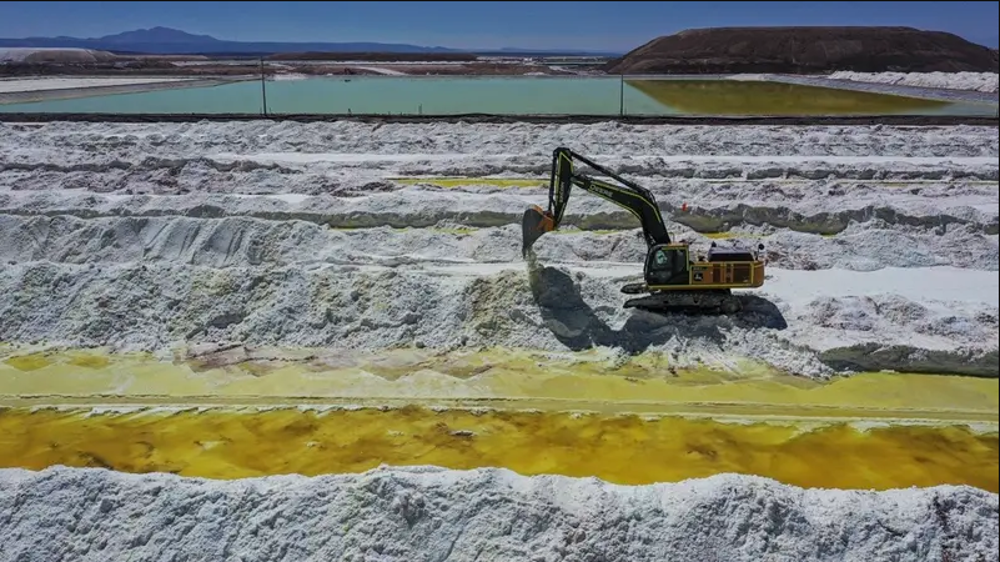
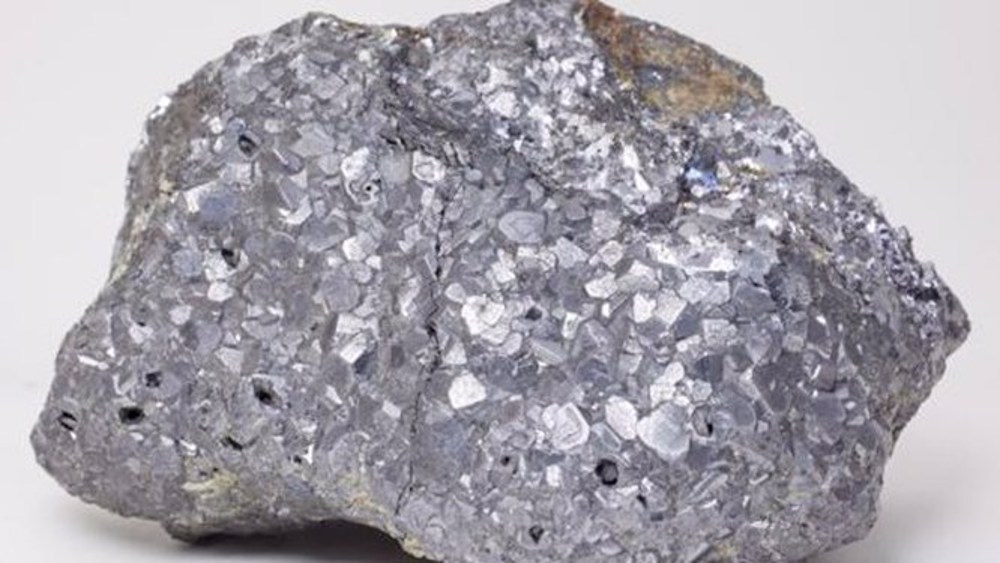
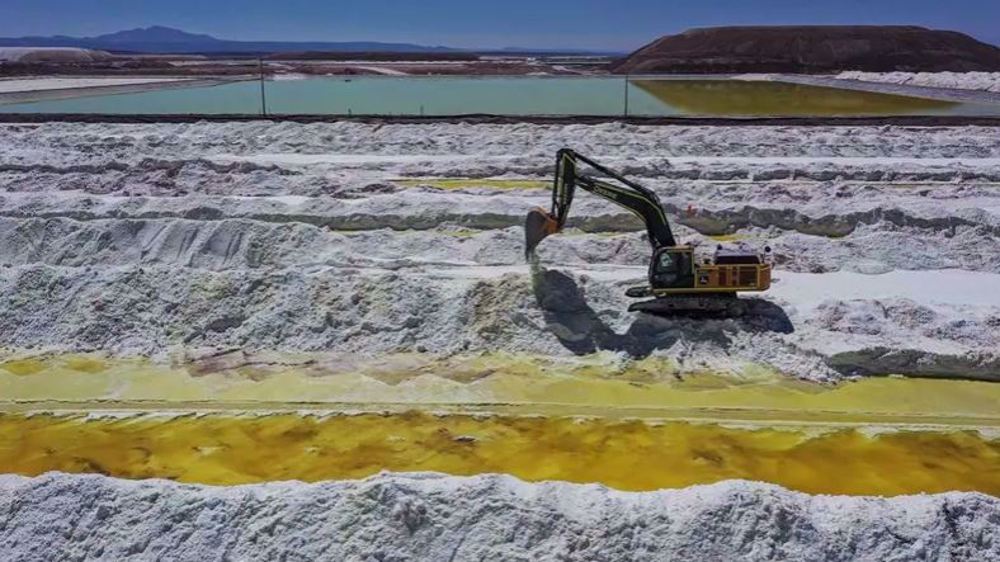
The country’s potential doesn’t end at manufacturing. Iran holds modest lithium reserves, including brine lakes and mineral deposits.
In 2023, Iranian officials announced the discovery of significant lithium deposits in western Hamedan province. Studies have also found lithium concentrations in salt-brine reservoirs in provinces such as Qom, Isfahan and Semnan.
There is no confirmed report on the extent of current lithium production in the country and some analyses suggest that these brines may produce only limited yields compared with world-class deposits, such as those in Argentina.
However, the very existence of domestic lithium — even at modest purity — gives Iran a potential upstream advantage.
If mining and refining infrastructure develop alongside battery manufacturing, the country could begin reducing dependence on imported battery materials. Some experts suggest that Iran’s allies, such as Russia and China, could help Iran in lithium extraction.
Iran’s lithium find is a potential game changerhttps://t.co/J1ZV7zg0zm
— Press TV 🔻 (@PressTV) June 12, 2023
What a successful scale-up could enable?
With enhanced security of raw material supply and a scale-up, the pilot line could see substantial gains for the country.
First of all, it reduces imports by boosting domestic battery manufacturing; both saving money for the country and providing an opportunity to export the batteries to countries in the region and beyond.
The next benefit is that domestic manufacturing cuts costs for EV manufacturers as Iran has started to expand charging stations, promote the culture of EVs and set foot in the EV production.
The batteries are also key in making the grid more stable, as they will enable organizations and homes to use energy storage systems that can be linked to solar cells and wind turbines.
Globally, lithium-ion battery demand continues to rise. Forecasts show capacity needs more than doubling by 2030 as EV and energy storage markets expand.
Iran’s first pilot line of lithium-ion battery production can lead to strategic autonomy in a crucial sector. It can ultimately reshape the country’s energy, industrial, and environmental trajectory.
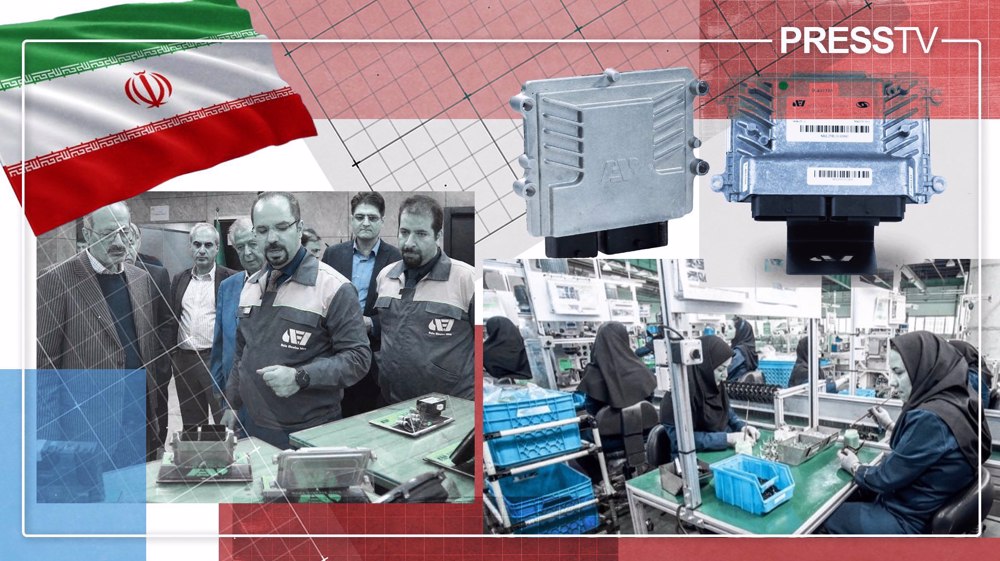
Iranian engineers develop indigenous engine control units, advancing automotive electronics

Iran Open RoboCup brings together 700 teams and around 2,000 young robotics innovators
Iranian CO2 recovery project named a finalist of 2026 WPC Energy Excellence Awards



VIDEO | Press TV's news headlines
VIDEO | Pezeshkian’s UN speech reflected stance of entire world in face of US warmongering: Analyst
Gazans shot at, beaten, attacked by dogs in Israeli Al-Naqab prison: Prisoners' Media Office
Pezeshkian slams Europe’s 'passivity' during US-Israeli war on Iran
VIDEO | Iranian children honor martyred classmates as new school year begins
VIDEO | Poll: 64% of Americans say US is not winning the war on Iran
Eight US sailors of USS Abraham Lincoln attempted suicide during war on Iran: Navy
Tehran blasts Canada for downplaying Trump’s threat to ‘annihilate’ Iran


 PressTV NEWSLETTER
now
PressTV NEWSLETTER
now
 This makes it easy to access the Press TV website
