Iran’s biotech breakthrough: Turning feathers into feed
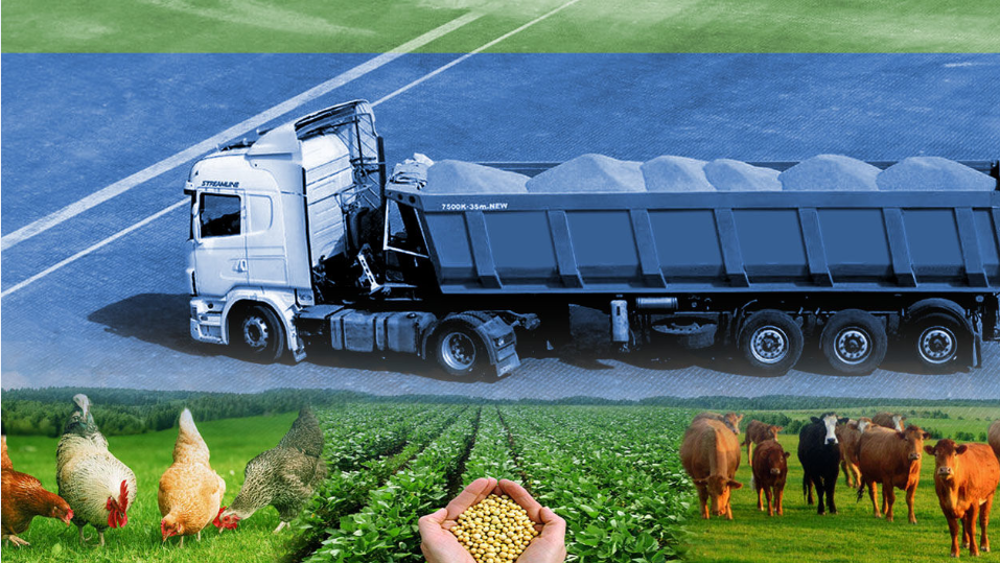
Iran has unveiled a breakthrough that could transform its livestock and poultry industry, boost domestic food security, and reduce reliance on costly imports.
Scientists at the National Institute of Genetic Engineering and Biotechnology have developed a method to turn poultry feathers, a byproduct previously considered waste, into protein-rich feed for animals.
By using a specialized enzyme produced through advanced biotechnology, feathers can now be processed into a nutritious and valuable supplement for cattle, poultry, and even fish.
This innovation, announced on Sunday, not only unlocks a new domestic source of protein but also promises significant economic and environmental benefits.
Agriculture is one of the sectors that has grown steadily since the Islamic Revolution and been able to contribute to exports in addition to ensuring the country's food security, where a peremptory comparison is telling.
For decades, Iran has been heavily dependent on imported animal feed, including corn, barley, and soybean meal, with annual costs estimated at $12 billion. These imports have been crucial for maintaining the quality and price of meat, dairy, and eggs for ordinary Iranians.
However, Western sanctions and currency fluctuations have made securing these imports increasingly challenging, creating pressure on farmers and driving up costs for consumers.
Against this backdrop, the feather-to-feed breakthrough represents a homegrown solution that can help reduce dependence on foreign suppliers and strengthen the country’s agricultural resilience.
The economic potential of this innovation is substantial. Poultry feathers, which account for around 5 percent of the weight of birds, were largely underutilized. Transforming them into feed provides a low-cost, locally available alternative to imported soybean meal, a key protein source in livestock diets.
By partially substituting imports with domestically produced feather meal, Iran could save billions of dollars in foreign currency each year.
These savings could translate into lower costs for meat, milk, and eggs, benefiting consumers while also reducing the vulnerability of the livestock industry to global market shocks.
Feather meal can complement existing animal feeds rather than completely replace them. For dairy and beef cattle, it serves as a high-protein supplement, improving growth rates and milk production.
In poultry, it can partially replace soybean meal in broiler and layer diets, provided amino acid balance is carefully managed.
Even in aquaculture, feather meal can substitute part of the fishmeal in carp or trout diets. When integrated into existing feed systems, it enhances nutritional efficiency, lowers costs, and increases overall productivity.
Beyond immediate cost savings, the innovation demonstrates the power of science and biotechnology in transforming agriculture.
Iran’s livestock sector is one of the country’s largest, with more than 700 modern feed factories and a vast network of farms. Until now, these factories relied heavily on imported feed ingredients to maintain high production standards.
The poultry industry produces millions of tons of feathers annually, a resource that was previously underexploited.
The timing of this development is particularly important. The Iranian government’s seventh five-year development plan emphasizes 8 percent economic growth and 90 percent self-sufficiency in agricultural products.
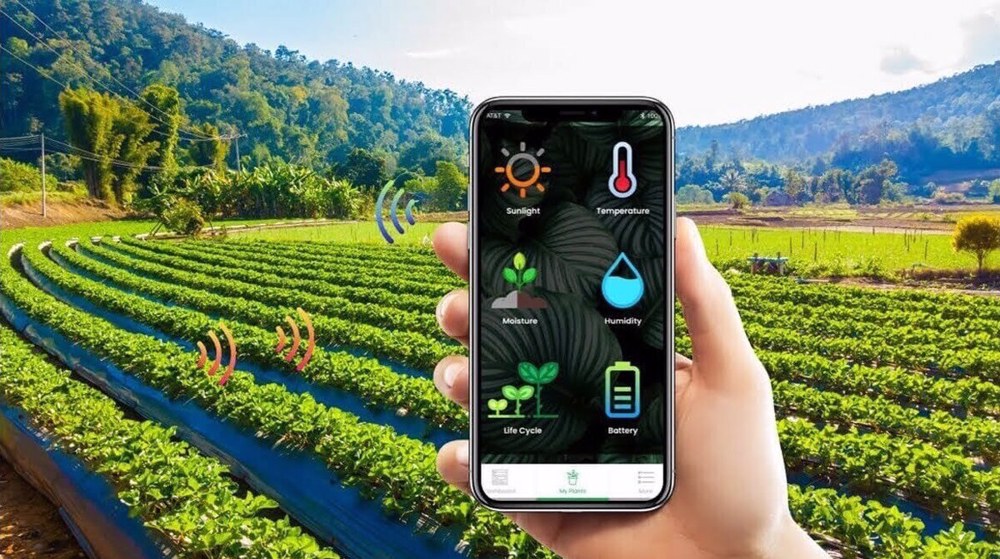
Feather meal technology shows how domestic science and biotechnology can directly address structural vulnerabilities in the food system.
The practical application of feather meal is supported by Iran’s existing feed industry infrastructure. Modern factories have quality control laboratories capable of testing ingredients, monitoring microbial contamination, and ensuring nutritional standards.
These facilities can integrate feather meal production without disrupting current operations, making the innovation immediately adaptable.
The production of feather meal begins with the collection of poultry feathers from processing facilities, which are then subjected to heat treatment, hydrolysis and drying. These steps break down the keratin-rich protein structure, yielding a finely milled, highly digestible powder known as hydrolyzed feather meal.
The resulting product typically ranges in color from light to dark brown and carries a distinct odor. Its nutritional value is closely tied to processing parameters, including temperature control and drying duration.
Industrial-grade feather meal, produced with modern equipment and under regulated sanitary conditions, generally offers superior quality and nutritional consistency compared with traditionally processed alternatives, a factor that has reinforced its position in the wider livestock feed market.
Economically, the benefits extend beyond cost savings. Reducing reliance on imported feed insulates Iran’s livestock industry from price fluctuations on the global market, protects farmers from international supply chain disruptions, and strengthens national food security.
The innovation also creates opportunities for research-based entrepreneurship, encouraging more collaboration between universities, research institutes, and industry.
In effect, it fosters a knowledge-driven agricultural economy, where scientific breakthroughs directly translate into economic and social gains.
In summary, Iran’s ability to convert poultry feathers into protein-rich animal feed marks a significant achievement for both science and the economy.
In a country facing prolonged sanctions and import challenges, this innovation provides a clear path toward self-reliance, turning a previously undervalued byproduct into a high-value input for livestock and aquaculture industries.

Iran's Simorgh aircraft enters certification phase, eyes commercial service in 2027
India's silence over US attacks on Chabahar exposes contradictions in its Iran policy: Journalist

US destruction of Global South convergence symbol in Chabahar



US, Saudi Arabia launch joint aggression against Iraqi resistance
VIDEO | Press TV's news headslines
VIDEO | Spain battles worst wildfires in a decade
IRGC hits US airbase in Jordan with ballistic missiles, halts trespassing ships in Strait of Hormuz
VIDEO | Endless wars, mounting costs
VIDEO | Iran: Where Trump hits a stone wall
Iran shows increasing ability to strike US military targets through combined operations: Report
Vital medical cargo released from Iranian-flagged vessel pirated by US: Red Crescent Society


 PressTV NEWSLETTER
now
PressTV NEWSLETTER
now
 This makes it easy to access the Press TV website
