Forging a new Silk Road: Rasht-Astara railway line and the rewiring of Eurasian trade
By Ivan Kesic
After nearly 25 years of anticipation, the final segment of the International North-South Transport Corridor is finally set to break ground – an ambitious project poised to reshape the economic and strategic landscape of an entire continent.
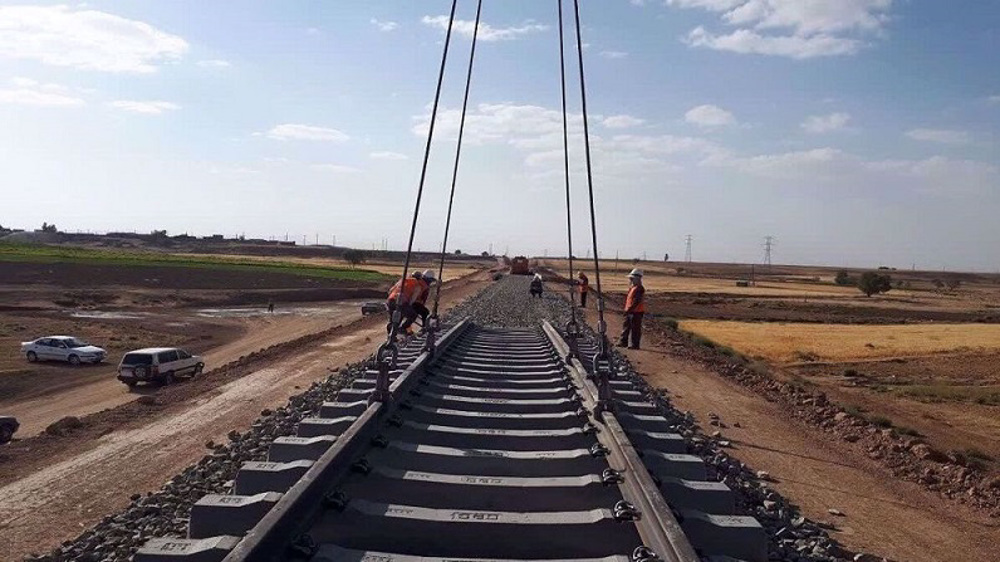
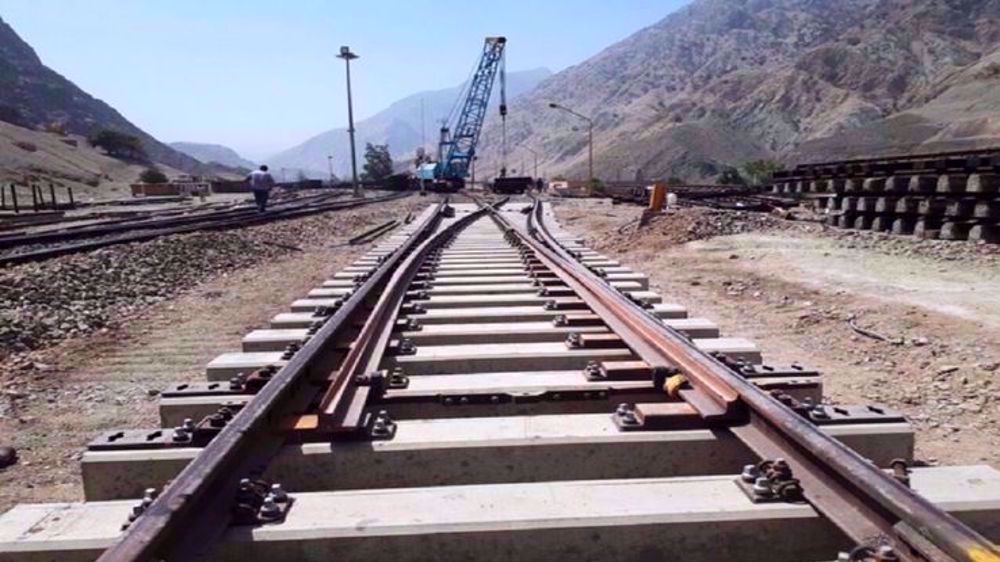
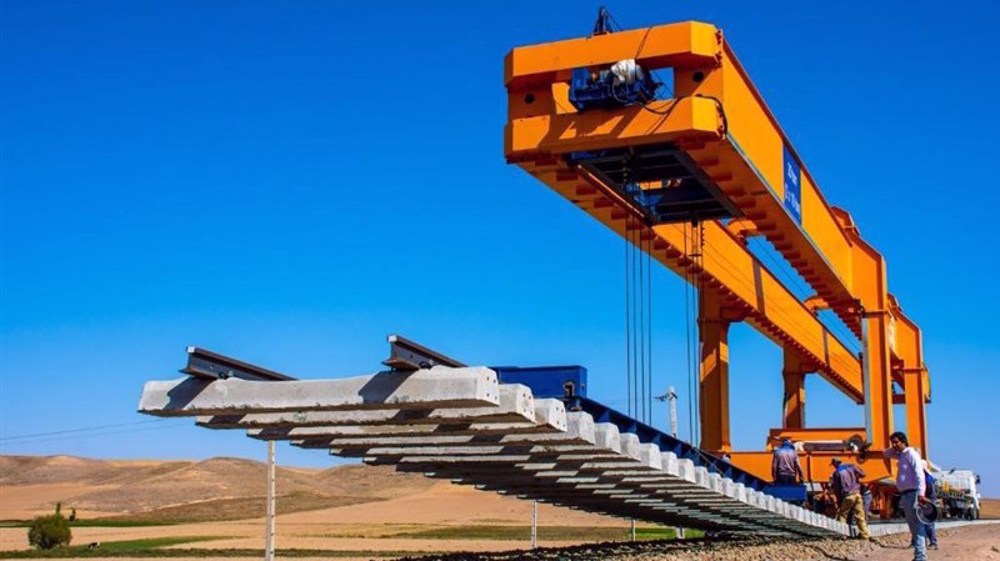
The Rasht-Astara railway, scheduled to begin construction in early 2026, marks a turning point for Iran and the wider Eurasian region. Its completion will realize a long-envisioned trade artery designed to rival traditional global shipping routes.
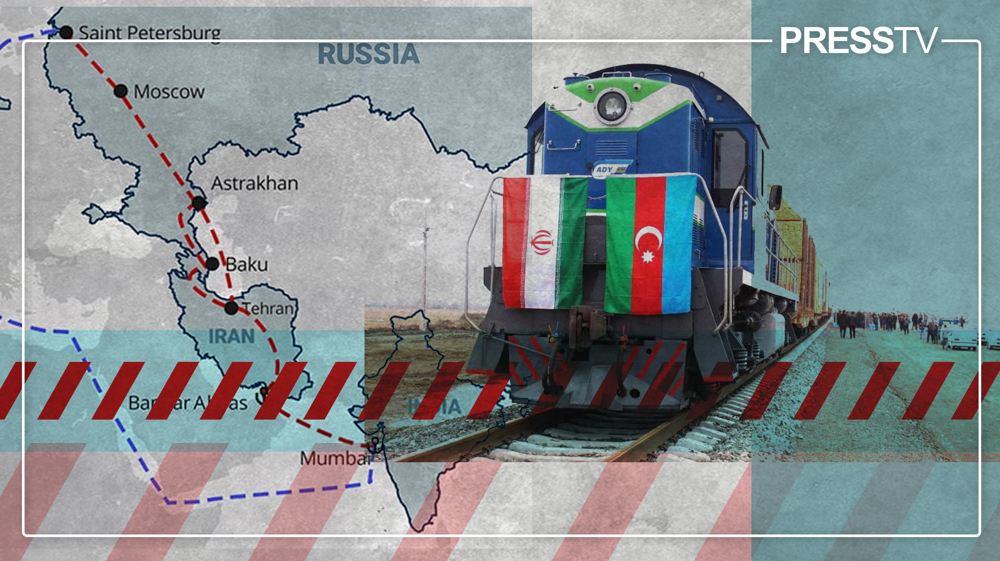
Stretching 162 kilometers through northern Iran, this railway line is often described as the “missing link” in a 7,200-kilometer multimodal network that will connect the Indian Ocean seamlessly to the Baltic Sea.
Backed by a $1.6 billion Russian loan and executed by Russian contractors, the railway is more than an infrastructure project; it is a strategic maneuver with far-reaching consequences.
For Iran, it unlocks the potential to become a major transit hub and diversify revenue beyond oil. For Russia, it provides a sanctions-resistant supply route to global markets. For India, it offers a faster and cheaper gateway to Europe. And for Azerbaijan, it cements its role as a vital logistics bridge.
This railway project is the tangible embodiment of a shifting world order, where alliances are forged in steel and concrete, creating a modern Silk Road for the 21st century.
The missing link: Technical and geographical overview
Despite its modest length, the Rasht-Astara railway carries immense strategic weight. Its true value lies not in kilometers covered, but in the bottleneck it eliminates.
The line will include nine stations across Sowme'eh Sara, Masal, Rezvanshahr, Paresar, Asalem, Lisar, Haviq, Lavandevil, and Astara, threading through the diverse terrain of Iran’s Gilan Province. This region, bordering the Caspian Sea, presents formidable challenges, from navigating lush, mountainous landscapes to ensuring environmental sustainability.
Years of negotiations between Iranian and Russian engineers have focused on these complexities. Reports suggest that roughly 70 percent of technical issues have been resolved, including detailed design work, financing arrangements, and a rigorous implementation schedule.
Under the agreement, Russian firm Caspian Service will serve as the builder, working under Iran’s Construction and Development of Transportation Infrastructure Company.
Progress is already visible: land acquisition, estimated at $75 million, is nearing completion. By late 2025, 80 kilometers of the route had been secured, with full control promised to Russian contractors by year’s end. This sets the stage for construction to begin in early 2026, with completion projected within three years.
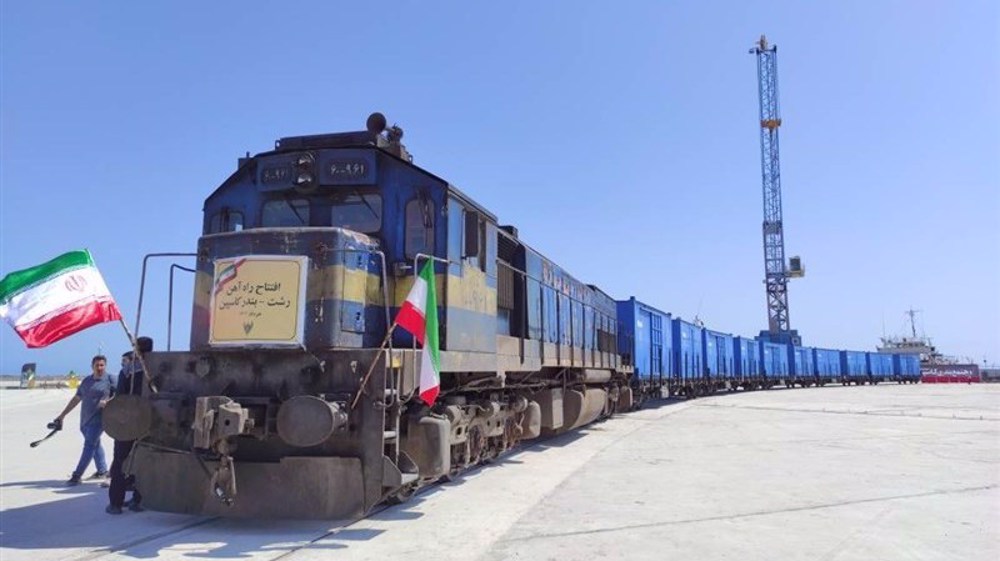
Iran, Russia, and Azerbaijan have inaugurated a major railroad project in the northern Iranian province of Gilan, which is part of the International North-South Transport Corridor and reportedly connects the Persian Gulf to the Caspian Sea via rail.https://t.co/OFEN86djrz pic.twitter.com/Z6LEjv9vww
— Press TV 🔻 (@PressTV) June 20, 2024
Corridor of commerce: the strategic imperative of the INSTC
To understand the true significance of the Rasht-Astara railway, one must see it as the keystone of the INSTC, a 7,200-km-long multi-mode network of ship, rail, and road routes.
Conceived as a grand, multinational vision, the INSTC aims to forge a seamless trade artery stretching from Mumbai to Moscow and onward to Northern Europe, linking South Asia’s markets with those of the continent’s north.
At present, however, this corridor remains fractured. Goods shipped from India to Iran’s port of Bandar Abbas can travel north by rail as far as Rasht. There, the journey grinds to a halt.
Cargo must be laboriously offloaded, transferred to trucks, driven across the border into Azerbaijan, and reloaded onto a different rail gauge. This cumbersome trans-shipment process epitomizes logistical inefficiency – slow, costly, and a major deterrent to high-volume trade.
The Rasht-Astara link will eliminate this bottleneck, creating a continuous, high-capacity rail line capable of handling up to 15 million tons of cargo annually.
Its impact on transit times is transformative: the journey for goods from India to Finland is expected to shrink from 45 days to just 21.
That translates into a 50 percent reduction in time and a 30 percent cut in transportation costs, offering a compelling alternative to the congested Suez Canal route.
Iranian role: From regional player to transit titan
For the Islamic Republic of Iran, the Rasht–Astara railway is more than an infrastructure project. It is a cornerstone of its long-term economic and geopolitical strategy, designed to confront several of the nation’s most pressing challenges.
Economically, the line represents a powerful engine of diversification, steering the country away from dependence on its volatile hydrocarbon sector. The transit fees, tariffs, and logistics services generated by a steady flow of international cargo promise a stable stream of non-oil revenue.
In turn, this will foster job creation across rail operations, warehousing, and freight management, embedding new layers of resilience into the national economy.
Geopolitically, the railway strengthens Iran’s hand in the face of sustained Western sanctions. By deepening integration with powerful partners such as Russia and strategic allies like India, it creates a web of mutual economic interests that enhances Iran’s endurance.
The corridor transforms Iran from a sanctioned state into an indispensable land bridge, a central node in Eurasia’s emerging trade architecture, thereby amplifying its geopolitical leverage.
Domestically, the project offers a catalyst for regional development. In northern Gilan province, improved connectivity will invigorate local industries, attract investment, and boost tourism and non-oil exports. For the Caspian coastline, long underutilized, the railway unlocks long-awaited economic potential and positions northern Iran as a vibrant hub of commerce and growth.
Iran’s Eurasia Expo 2025 drives North-South Corridor investment opportunities@gisoumisha reports from Tehran. pic.twitter.com/JNeDXon3VI
— Press TV 🔻 (@PressTV) February 26, 2025
Russian lifeline: Geopolitics and the 'pivot to the south'
From the Kremlin's perspective, the commitment of a $1.6 billion loan at a favorable 3% interest rate, repayable over ten years, is a strategic investment of the highest order.
In the context of its war in Ukraine and the ensuing barrage of Western sanctions, Russia is executing a forced but decisive "pivot to the East and South."
The Rasht-Astara railway provides a vital, sanctions-resilient artery to the markets of India, the Persian Gulf, and Southeast Asia, bypassing the traditional European routes that are now politically and logistically constrained.
This corridor is not merely a trade route; it is a central pillar of Russia's vision for a greater Eurasian partnership, an economic bloc less dependent on the West.
By financing and championing this project, Russia reinforces its leadership role among non-Western powers and secures a reliable, multi-modal supply chain for its exports while gaining more efficient access to the imports it needs.
It is a tangible move to reorient its economic dependencies and solidify an eastern-facing strategic axis with Iran at its core.
Ripple effects across Eurasia: winners and strategic shifts
The railway’s impact radiates across the continent, creating clear beneficiaries and reshaping new geopolitical realities:
For Azerbaijan, Astara, its border town, will become the gateway linking Iran’s rail network to the country’s modern infrastructure, including the Baku-Tbilisi-Kars railway to Turkey and Europe.
This cements Azerbaijan’s role as an indispensable logistics hub for East-West trade, generating transit revenues and boosting regional influence.
For India, the completed INSTC will fulfill a long-held strategic ambition, offering a faster, cheaper, and more secure land route to Russia and Europe. It will also deepen India’s partnership with Iran, advancing its broader regional connectivity goals.
For landlocked Central Asian countries such as Kazakhstan and Turkmenistan, the corridor will provide a new southern outlet to warm-water ports in the Indian Ocean.
That will in turn reduce their dependence on routes through Russia and China, enhancing trade sovereignty and strategic flexibility.
✍️Explainer: How can Iran’s Makran region be transformed into regional economic hub?
— Press TV 🔻 (@PressTV) February 17, 2025
By @kesic_ivan https://t.co/iPhFLlxS2v
Laying the tracks for a new world order
The Rasht-Astara railway is a project whose physical scale is dwarfed by its symbolic and strategic heft. It is more than a transportation link; it is a declaration of intent.
It signals Iran's ambition to be a central transit state, Russia's determination to forge alternative global systems, and India's strategy to secure its influence across Eurasia.
The commencement of construction in 2026, after 25 years of delays, is a testament to the renewed geopolitical urgency driving these nations together.
While challenges remain, from technical hurdles and cost overruns to the persistent shadow of sanctions, the momentum is now undeniable.
When the final tracks are laid and the first uninterrupted freight trains rumble from the Persian Gulf to the Baltic Sea, they will be traversing more than just a landscape.
They will be moving along the spine of a new, emerging geopolitical architecture, one where the flow of commerce is actively reshaping the balance of power and writing a new chapter in the ancient story of Eurasian connectivity.
Minister: Iran has bypassed US blockade to keep oil deliveries flowing
US economic D-Day against Iran meets SCO firewall
Arab states call US sanctions on Iran unrealistic: Report



VIDEO | Press TV's news headlines
VIDEO | Yemen’s roads, bridges devastated by years of war, blockade
VIDEO | Analyst: Failed cycle of US Iran policy serves corporate interests
IRGC ballistic missile retaliation forces US aircraft carrier, destroyer to flee
VIDEO | ‘US escort a big lie’: IRGC unveils decisive targeting of non-compliant vessels in Strait of Hormuz
IRGC strikes 3 US-linked vessels, 3 trespassing oil tankers in retaliation for American attacks
VIDEO | Trump downplays costs, consequences of war on Iran
VIDEO | News Review: Trump downplays war on Iran, calling it 'small potatoes'


 PressTV NEWSLETTER
now
PressTV NEWSLETTER
now
 This makes it easy to access the Press TV website
