Discover Iran: Martian Mountains in South Khorasan, an otherworldly desert wonder
By Humaira Ahad
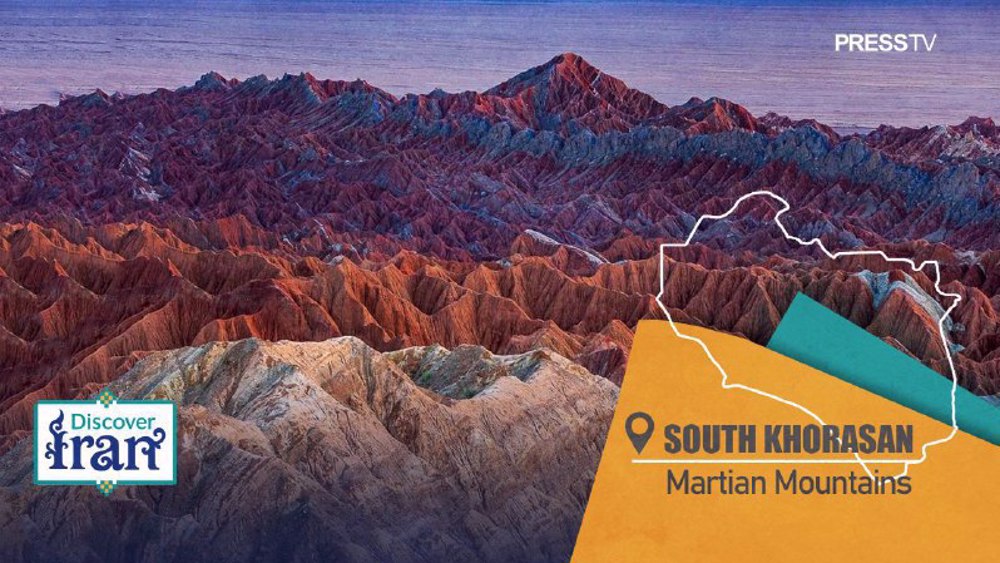
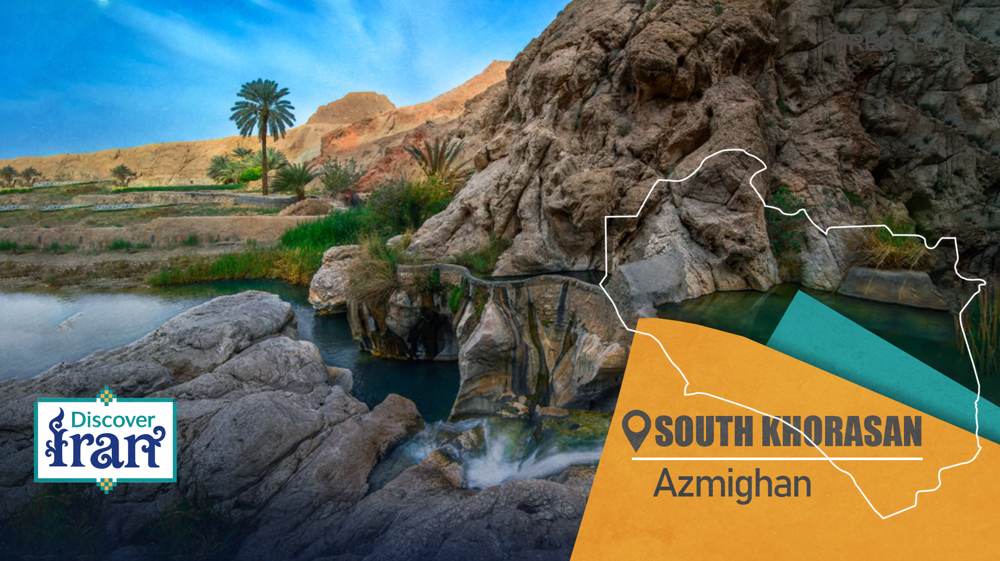
In the Lut desert of South Khorasan province, near the city of Nehbandan, lie the Martian or Miniature Mountains, one of eastern Iran’s most striking geological phenomena.
They represent a rare topographical feature shaped over centuries, denoting a preserved natural landscape of exceptional visual impact, and a location of scientific and archaeological interest.
The jagged peaks, sugarloaf-like cones, and intricate ridges resemble landscapes more commonly associated with Mars or the Moon.
These unusual shapes and colours, that are a striking stop along the desert highway, have earned the site the nickname “Martian Mountains.”
Their combination of scale, distinctive form, and stark desert setting distinguishes these mountains from other natural formations in Iran.
Martian appearance
These mountains that stretch approximately 25 kilometres in length and one kilometre in width have also been inscribed on Iran’s national heritage list.
Their national registration reflects the mountains’ geological uniqueness and their value as a site for tourism, archaeological and scientific study.
The elevation of the mountains varies from 5 to 100 metres, creating a dramatic skyline in an otherwise flat desert expanse.
The Martian Mountain formations are composed of sedimentary limestone, shaped over centuries by wind and water erosion.
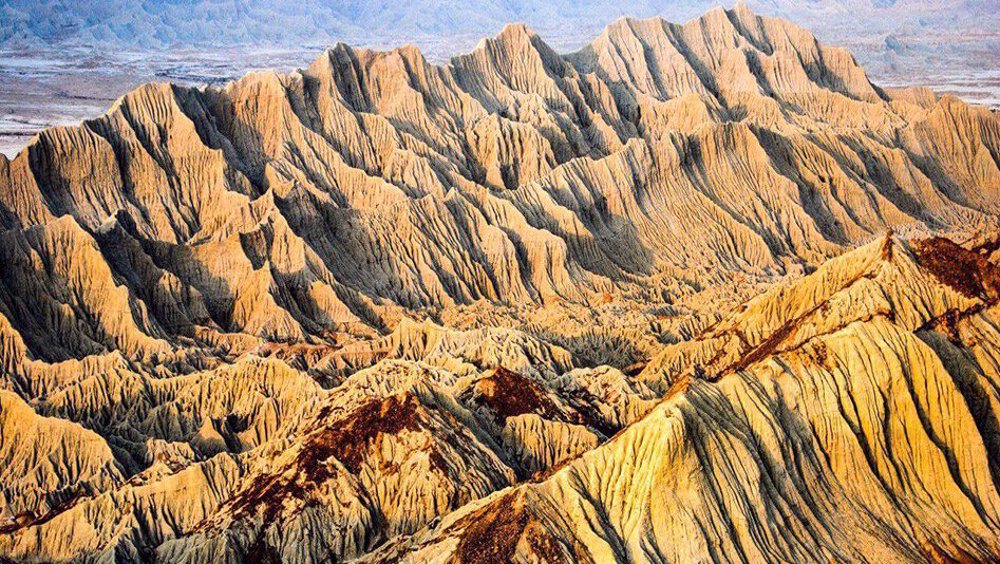
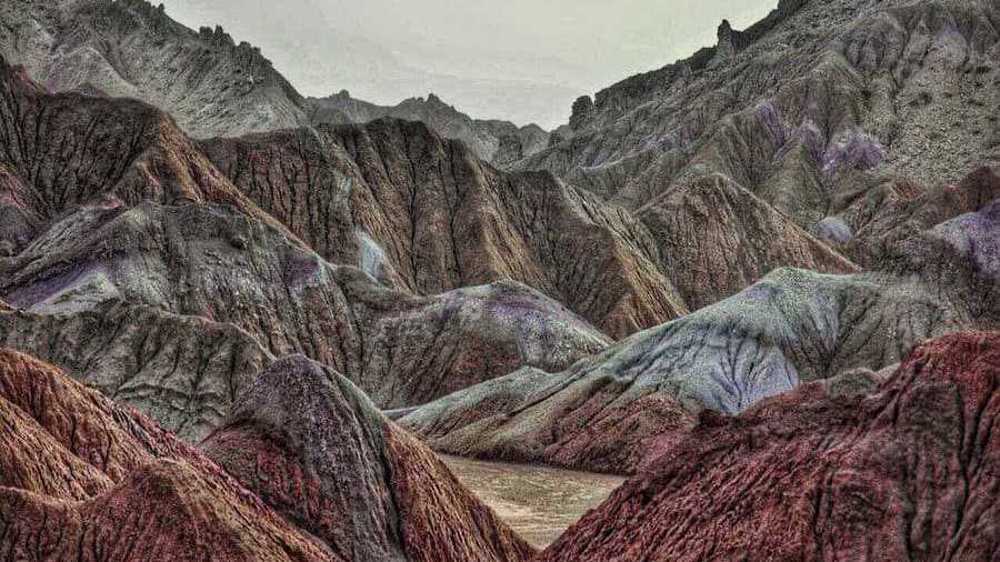
Their red, grey, and white hues stand out sharply against the desert plains, while their cone-like shapes, jagged edges, and delicate grooves give them an almost otherworldly appearance.
The lack of vegetation in the area and the intensity of sunlight further enhance this alien-like impression, creating a surreal visual effect for observers.
Some areas of the mountains are accessible to visitors, providing a chance for trekking and experiencing the panoramic views of the desert.
From higher points, the scale and complexity of the landscape becomes more apparent, with grooves and ridges extending across the mountains and highlighting the erosion processes that led to their formation.
Archaeological and cultural context
The region surrounding the Martian Mountains is also notable for its archaeological significance.
Prehistoric sites in South Khorasan, including Kalleh Koob Sarayan, Gond, and Sartakht Baghestan-e-Ferdows, as well as the Archaeological Museum of Birjand, reveal evidence of early human civilisation.
Prehistoric pottery has also been found in these areas, which represents a distinct local culture.
However, the artefacts have no clear connections to Chalcolithic cultures in Sistan and Baluchestan or the northern parts of the province.
Bronze Age artefacts discovered in the region are considered imported from other regions, indicating limited local production at that time.
These archaeological findings provide context for understanding the region’s historical development, complementing the geological features of the Martian Mountains.
Prime tourist attraction
The combination of height, colour, and erosion patterns of the mountains creates an impressive and photogenic landscape, increasingly attracting visitors, including eco-tourists, photographers, and geologists.
Stargazing is another attraction for visitors, as the clear night skies of Nehbandan provide a view of celestial phenomena rarely seen in urban areas.
The experience of observing the desert landscape under a star-filled sky adds to the appeal of this remote natural site.
While similar Martian formations exist in Chabahar in Sistan and Baluchestan, the Nehbandan mountains remain among the most accessible and visually striking.
The mountains, with their striking peaks, vivid colours, and intricate erosion patterns, highlight the immense power of natural forces in shaping a landscape that appears almost otherworldly.
For tourists, the Martian Mountains offer a memorable experience of Iran’s desert heritage, which combines visual wonder with an understanding of the region’s geological and historical significance.
Discover Iran: Tabriz’s extraordinary architectural legacy through royal palaces, merchant mansions
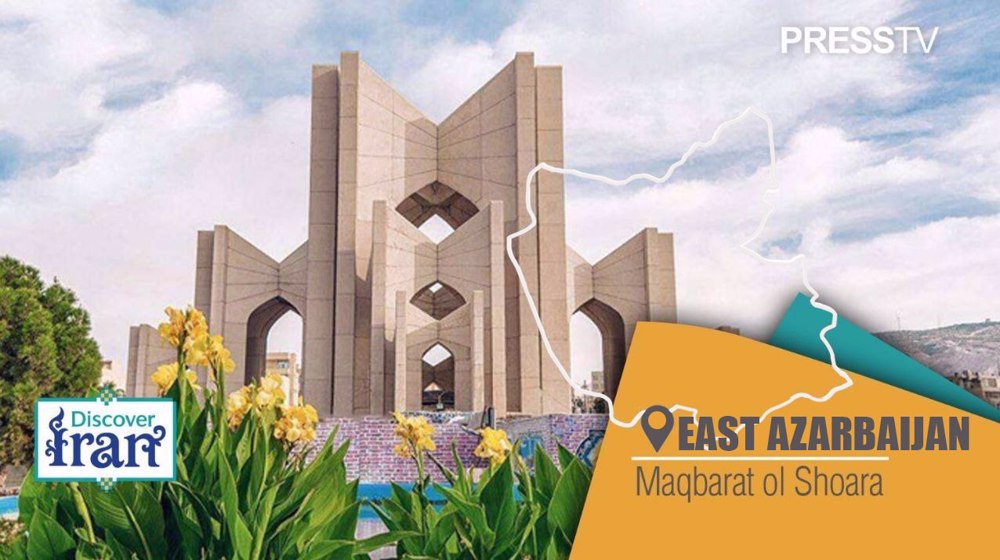
Discover Iran: Tabriz’s ‘Mausoleum of Poets,’ where centuries of Persian literary history live on
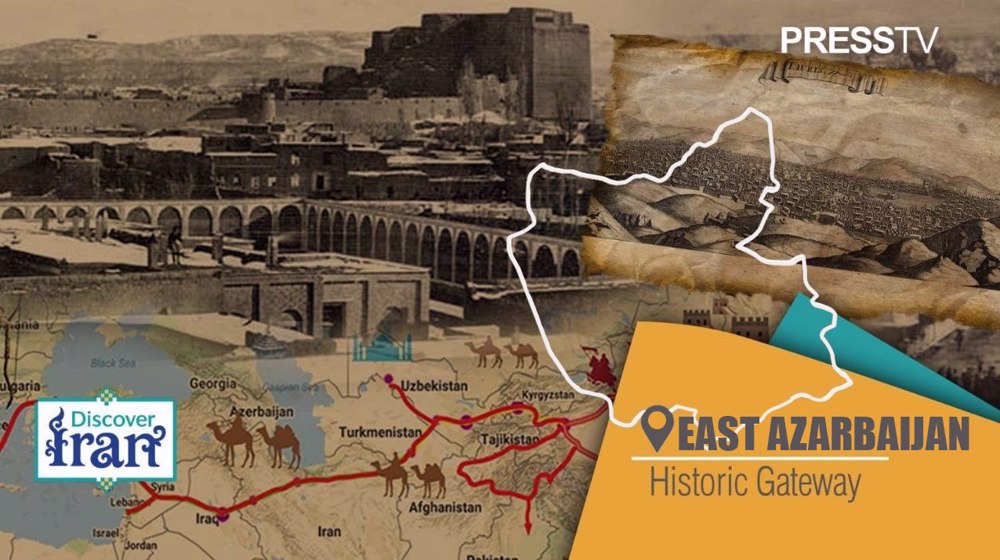
Discover Iran: Tabriz, where Iran’s Silk Road legacy meets industry, trade and a new economic future



US visa ban on Iranian president’s media team is bid to hide the truth: FM spokesman
US aggression, economic warfare amount to crimes against humanity: Iran's UN envoy
Protests erupt in US as ICE agent shoots Venezuelan driver
US pressure fuels cooperation among Muslim states: Pezeshkian
Major TV networks suspend White House pool coverage after Trump ban
US visa ban on Palestinian UN delegation violates international agreements: Hamas
VIDEO | Press TV's news headlines
Iran calls on France to respect law after suspending French cultural institute in Tehran



 PressTV NEWSLETTER
now
PressTV NEWSLETTER
now
 This makes it easy to access the Press TV website
