Israel, US, Greece, and Cyprus forge new energy alliance to counter Russia
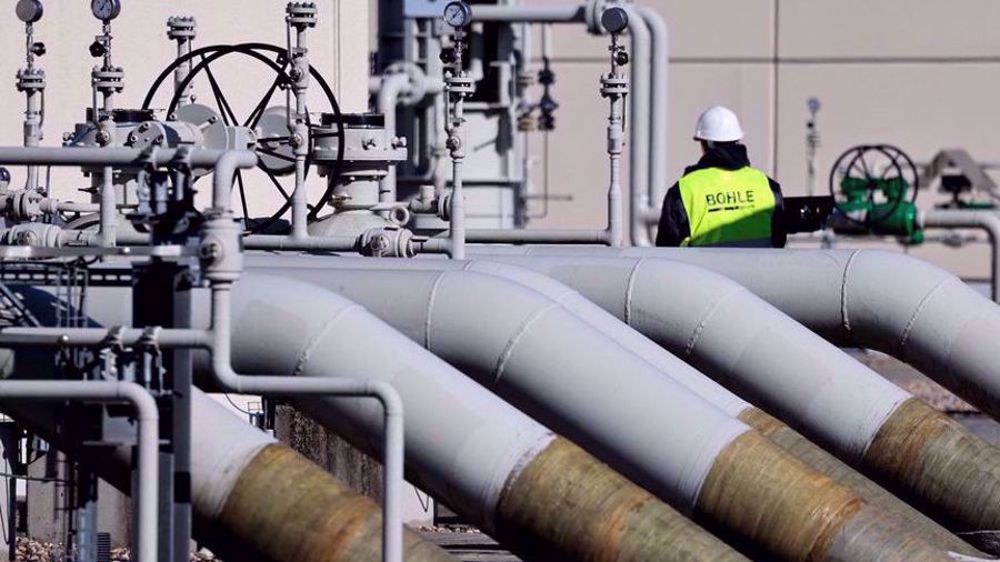
Energy ministers from Israel, the United States, Greece, and Cyprus have vowed to enhance cooperation in regional energy security and infrastructure as part of a new alliance aimed at reducing Europe’s dependence on Russian resources.
They announced the initiative during a high-level summit in Athens on Sunday, pledging to coordinate policies and investments to broaden energy supplies and reinforce economic and strategic ties among “like-minded regional partners”.
In a joint statement, the ministers condemned Moscow’s attempts to circumvent Western sanctions and finance the war in Ukraine, emphasizing their united determination to counter Russian influence in the global energy market.
They also voiced support for the India-Middle East-Europe Economic Corridor (IMEC), recognizing it as a crucial element of a broader strategy to expand trade and energy routes across the Eastern Mediterranean.
Israeli Energy Minister Eli Cohen claimed the initiative would position Israel as a vital bridge between the Persian Gulf and Europe, enhancing its role as a regional energy hub.
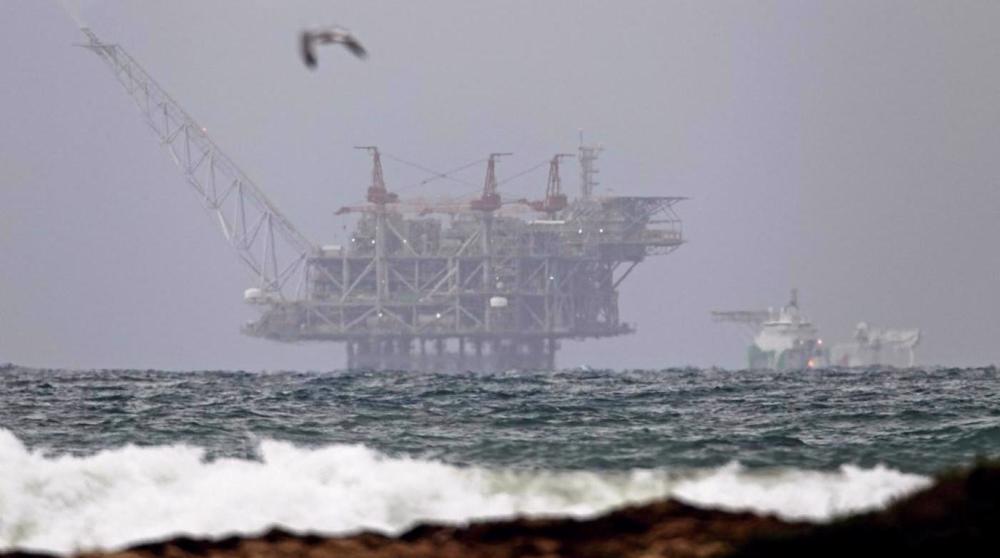
The discussions centered on the development of a new energy corridor that bypasses Russian routes. One of the proposals involved a long-discussed natural gas export pipeline linking Israeli offshore gas fields to Cyprus and then extending to Europe.
According to Cohen, the plan to lay a gas pipeline from Israeli reservoirs to Europe is now “back on the table” after years of inactivity.
He also noted that “significant progress” has been made in reviving the project, with the US now poised to play a leading role.
The proposed pipeline, designed to transport Israeli and Cypriot gas through Greece to European markets, had previously been put on hold due to high costs and technical challenges.
However, Washington’s renewed involvement, driven by the objective of countering Russian routes and stabilizing global energy prices, has injected new vitality into the initiative.
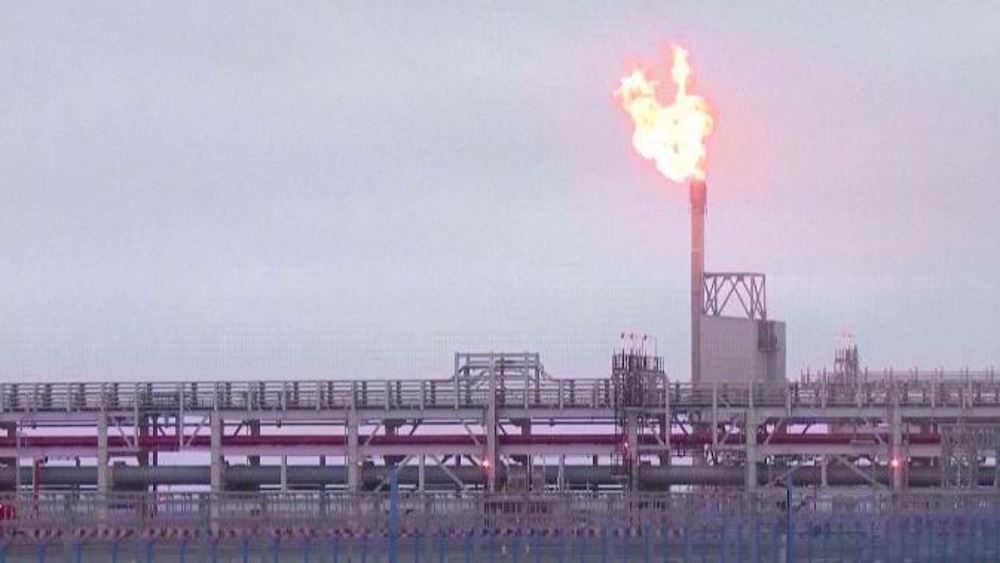
The upcoming “3+1” Eastern Mediterranean Energy Forum is set to convene in Washington in mid-2026 to advance the project.
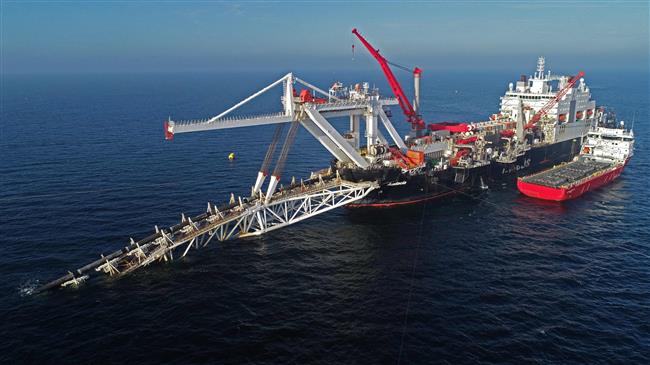
Greece, Cyprus, and Israel signed an agreement in 2020 to construct the Eastern Mediterranean pipeline, a 1,900-kilometer (1,180-mile) undersea pipeline designed to deliver Israeli natural gas to Europe by 2025, helping diversify Europe's energy resources. The project was expected to initially carry 10 billion cubic meters of gas a year to Europe.
Turkey opposes the pipeline project, which passes through disputed maritime territories claimed by both Turkey and Greece. It has repeatedly said that any plans in the eastern Mediterranean that exclude Ankara are bound to fail.
‘Outrageous’: Russia condemns Austria for blocking Iran’s nuclear chief from IAEA meeting
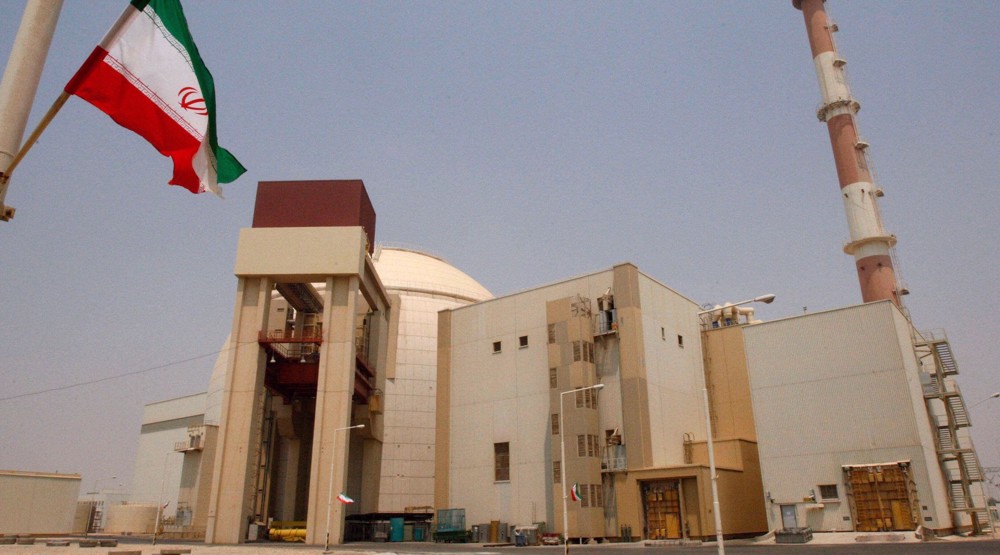
Russia’s Rosatom says Iran remains top priority in West Asia
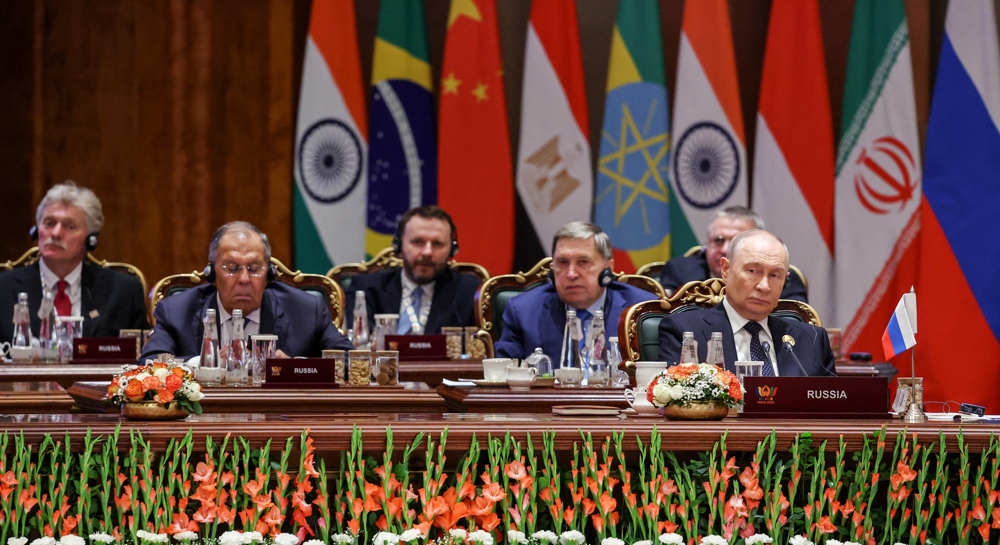
BRICS voices concern over attacks on IAEA-safeguarded nuclear facilities in Iran



Iran finds new platform in SCO to develop its rare-earth potential
US senator slams ‘bogus’ spy claims, demands immediate release of Press TV journalist
IRGC Navy strikes Togo-flagged tanker after illegal attempt to transit Strait of Hormuz
VIDEO | We salute the Palestinian woman
US lawmaker slams Trump’s $5 billion weapons sale to Saudi Arabia
VIDEO | Iran changing US war equations
Russia, China veto US backed anti-Iran resolution at UN Security Council
Araghchi welcomes Xi’s initiatives, hails China-Iran strategic partnership


 PressTV NEWSLETTER
now
PressTV NEWSLETTER
now
 This makes it easy to access the Press TV website
