Discover Iran: Qaenat, South Khorasan – the cradle of world’s finest ‘red gold’ saffron
By Maryam Qarehgolzou
- The unique climate and soil in Qaenat, South Khorasan province, create the ideal conditions for cultivating Iran’s world-renowned, high-quality saffron.
- Saffron cultivation supports over 23,500 farming households, sustaining livelihoods and preserving centuries-old Iranian agricultural traditions.
- Iran exports over 90 percent of the world’s saffron, with Qaenat and some other cities in eastern Iran leading in quality and global market value.
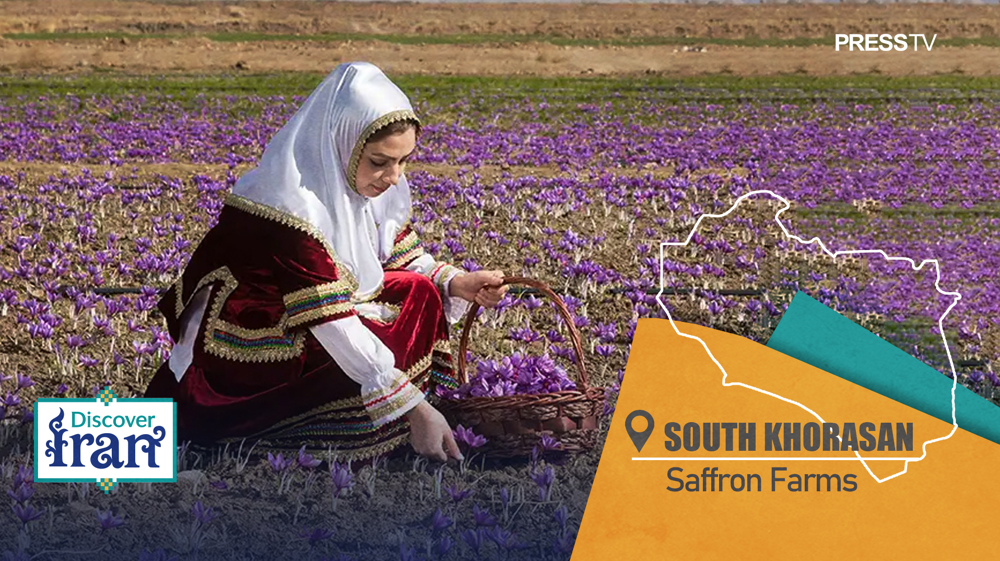
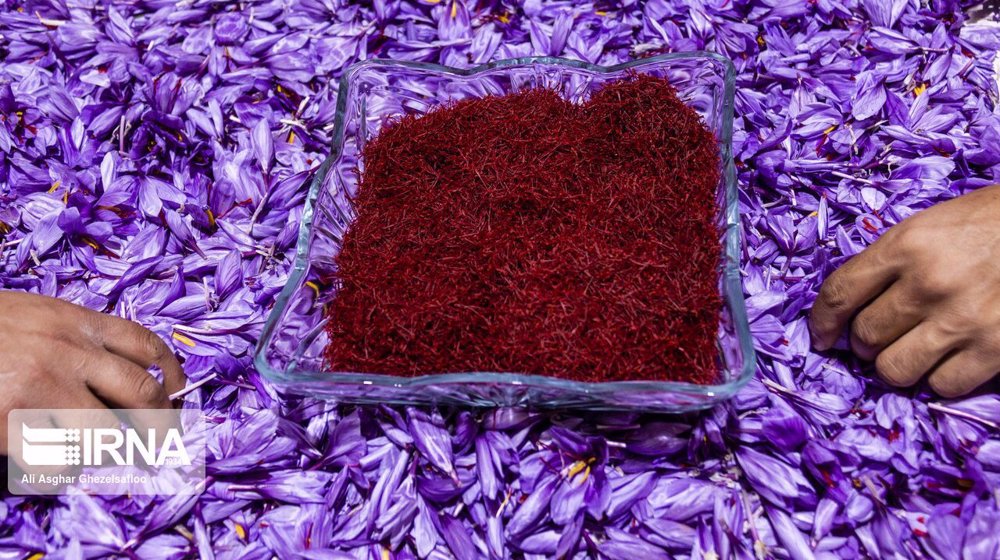
For centuries, the saffron of Qaenat in eastern Iran's South Khorasan province has been celebrated as one of the finest and most exquisite saffrons in the world — a “red gold” that boasts unmatched aroma, vivid color, and a delicate taste no other saffron can rival.
Qaenat, stretching across the vast desert from the southern reaches of Neyshabur to Sistan on the Pakistani border, has long been the cradle of authentic Iranian saffron cultivation.
Experts say saffron bulbs perform best in cold, semi-arid areas with suitable precipitation, and this very climate is what gives Qaenat saffron its extraordinary purity and strength.
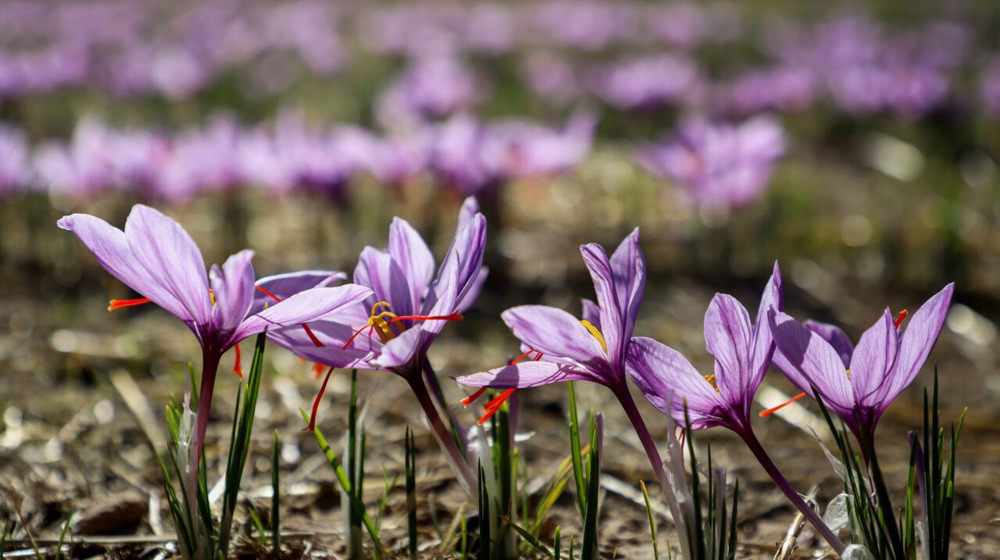
The region’s unique climate — cold winters, low rainfall, and fertile, well-drained soil — creates the ideal environment for the saffron crocus to thrive.
Qaenat saffron owes its world-class reputation to its high concentration of the key chemical compounds that determine saffron’s quality: crocin (color), safranal (aroma), and picrocrocin (flavor).
These levels are higher here than in almost any other region of the world, making Qaenat saffron the gold standard for the most expensive spice in the world.
In recognition of this distinction, Qaenat saffron received the national quality mark, and in 2018, its brand was officially registered, securing its place as a symbol of Iranian excellence on the world stage.
According to Mohsen Esfandiari, head of the South Khorasan Agricultural Organization, saffron cultivation in the province now covers 16,121 hectares.
The largest saffron-producing counties are Qaenat (5,000 ha), Sarayan (3,457 ha), and Ferdows (3,177 ha).
The average yield on well-maintained farms is 2.4 kilograms of dried saffron per hectare, and over 23,500 farming households in South Khorasan depend on saffron for their livelihoods.
The province ranks first in saffron quality and second in production volume nationwide, just after neighboring Razavi Khorasan province.
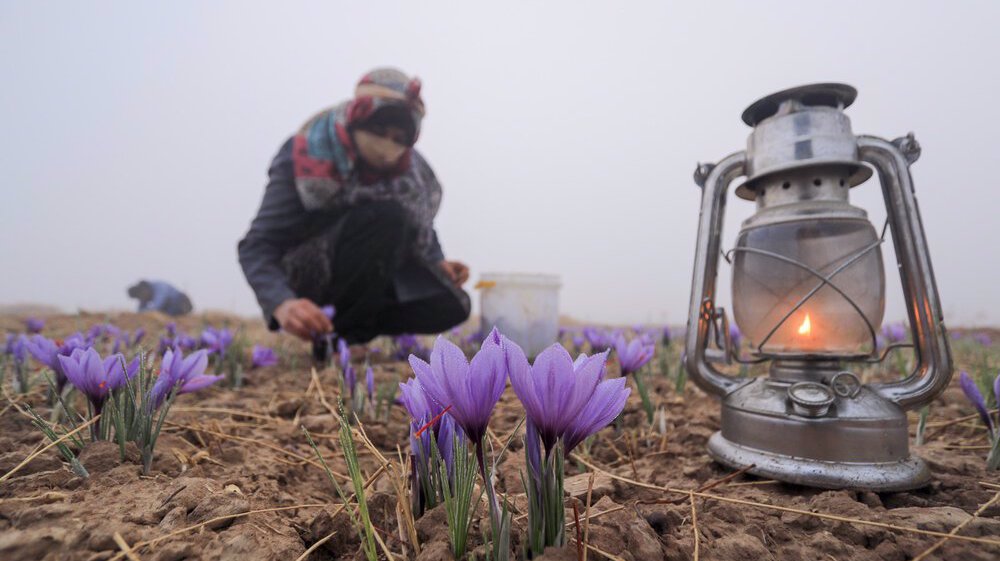
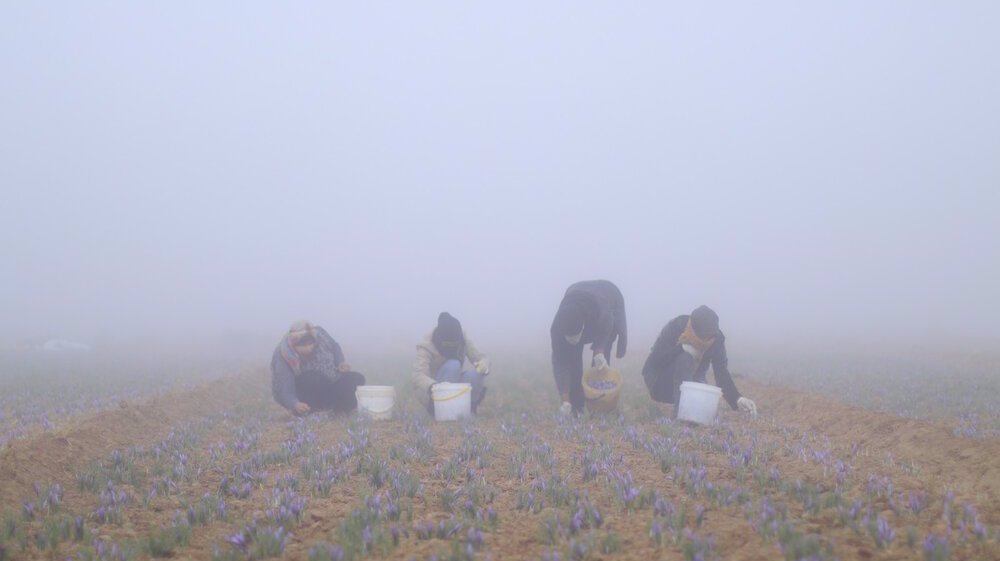
Harvesting begins in late October and continues until early December, when thousands of seasonal workers handpick the delicate purple flowers in the cool mornings before the sun warms the desert air.
Export powerhouse
Iran produces over 90 percent of the world’s saffron, according to the Food and Agriculture Organization of the United Nations (FAO) — making this spice not only vital for farmers’ income but also a key pillar of Iran’s non-oil exports and cultural heritage.
In the first half of the current Iranian calendar year (starting on March 21, 2025), more than 99.5 tons of saffron, valued at over $94 million, were exported from Iran — a 73 percent increase in volume and a 45-million-dollar rise in value compared to the same period last year.
Most exports were packaged in small retail boxes of 10 to 30 grams, a move that has boosted the brand value of Iranian saffron worldwide and helped move away from bulk, low-margin sales.
According to customs data, the leading importers of Iranian saffron in the first half of the year were the United Arab Emirates with 29.6 tons worth $29.1 million, Spain with 19.6 tons worth $18.9 million, China with 12.6 tons worth $12.5 million, Afghanistan with 10.5 tons worth $10.3 million, and Germany with 3 tons worth $1.6 million.
Other buyers included the UK, the Netherlands, Belgium, Switzerland, Iraq, Turkey, Oman, the Philippines, Hong Kong, and Australia.
In comparison, during the same period last year, Iran exported 57 tons of saffron worth $49.4 million, highlighting a sharp upward trend in both export volume and value.
A symbol of culture and perseverance
Saffron is far more than a spice for Iranians — it’s a symbol of endurance, artistry, and identity.
From the hands of farmers in Qaenat’s cold autumn dawns to the fine packaging on shelves in Madrid, Dubai, or Shanghai, every gram tells the story of Iranian heritage and craftsmanship.
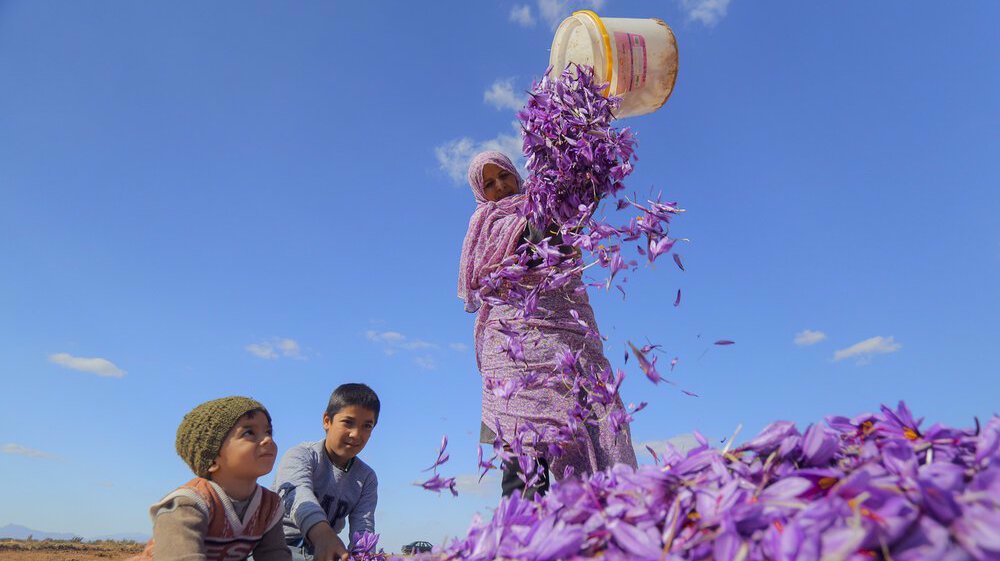
Beyond its economic importance, saffron cultivation sustains thousands of rural families, helps prevent migration from villages, and preserves a centuries-old tradition that has become synonymous with Iran itself.
Today, Qaenat saffron stands as both a source of pride and prosperity.
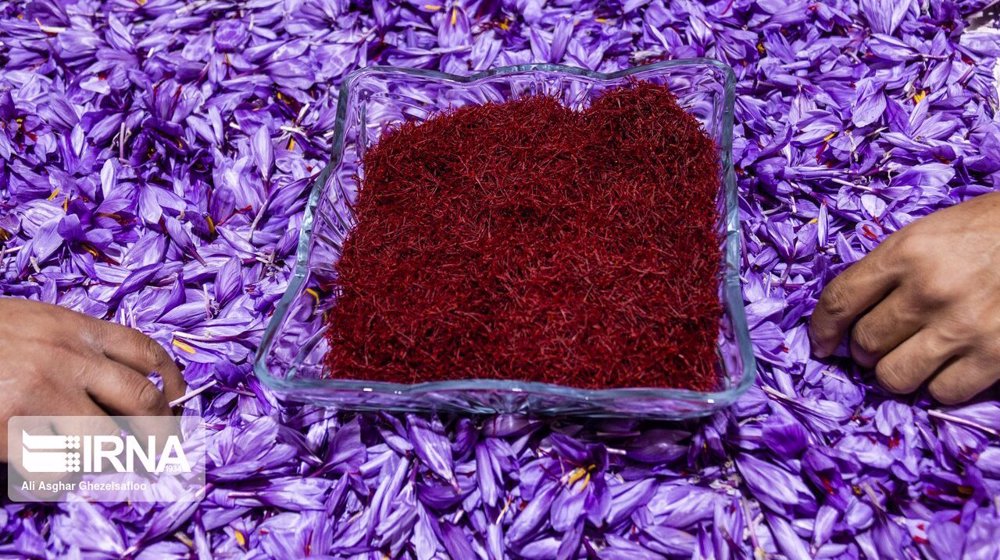
Its deep crimson threads — rich with fragrance and color — continue to connect Iran’s deserts to the tables and laboratories of the world.
In every sense, Qaenat remains the beating heart of the world’s saffron industry — a land where sunlight, soil, and human devotion create pure gold.

BRICS paving way for alternative world order, not a war machine against West: Analyst
Iran finds new platform in SCO to develop its rare-earth potential
Discover Iran: Tabriz, where Iran’s Silk Road legacy meets industry, trade and a new economic future



China rejects unilateral sanctions as Trump signs bill targeting Russia, Iran
VIDEO | Press TV's news headlines
VIDEO | Trump’s attacks on law, press reveal his support beginning to erode: Analyst
VIDEO | Islamabad marks 2nd martyrdom anniv. of resistance leader Hassan Nasrallah
VIDEO | Tunisian protesters demand release of detained Sumud flotilla activists
VIDEO | Gaza schools reborn in tents as new academic year begins
Iran: US had intentionally prepared ground for withdrawing from Islamabad MoU
Hezbollah leader: Iran thwarted US-Israeli war goals; ultimate victory belongs to resistance


 PressTV NEWSLETTER
now
PressTV NEWSLETTER
now
 This makes it easy to access the Press TV website
