Hezbollah’s legendary ‘Uli al-Baas’ battle and rebirth of the Lebanese resistance
By Ali Hammoud
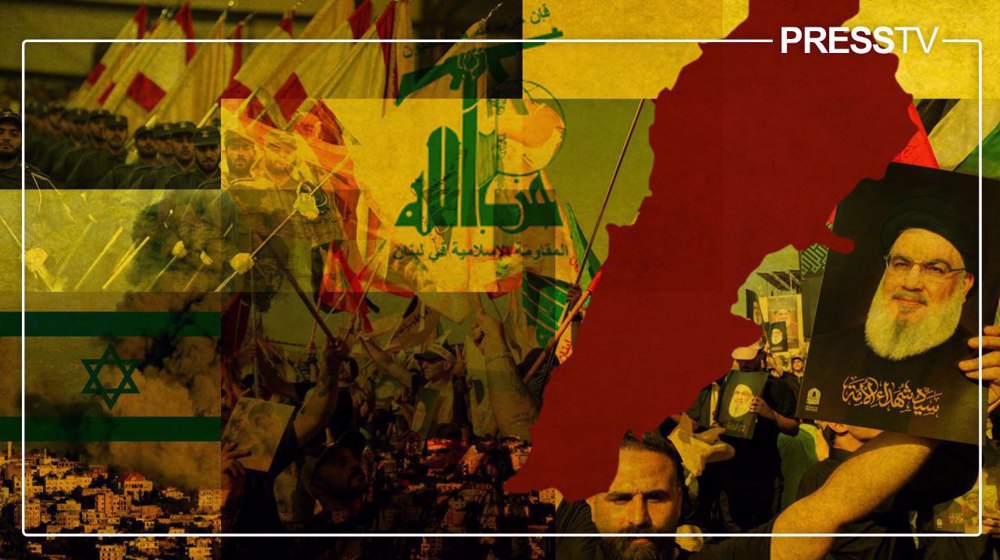
The autumn of 2024 was meant to be the end of Hezbollah. In a coordinated, brutal series of attacks, the Israeli occupation forces launched what they believed would be a decapitation strike against the Lebanese resistance.
The timeline of terror is seared into the memory of the Lebanese nation:
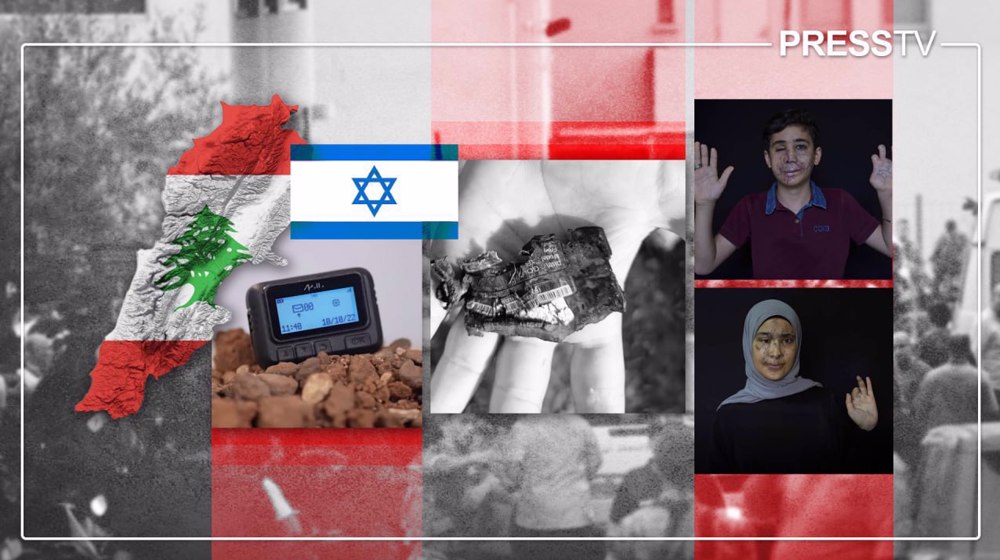
- September 17, 2024: Pagers exploded throughout the Arab country, targeting the dedicated communication networks of the Lebanese resistance.
- September 18, 2024: A second wave of detonations hit, this time through walkie-talkies.
- September 20, 2024: Targeted attacks assassinated commanders of the elite Rudwan Force of Hezbollah.
- September 23, 2024: The Israeli air force unleashed over 1,200 airstrikes in a single day, aiming to obliterate Hezbollah’s military infrastructure.
- September 27, 2024: The most devastating blow was the martyrdom of the Hezbollah Secretary-General, Sayed Hassan Nasrallah.
- October 1, 2024: Israel announced a large-scale ground invasion, confident that a leaderless movement would crumble.
Yet, against all odds and every Western military calculation, Hezbollah did not fall. Instead, it put up a strong defense that not only thwarted the Israeli war machine but also redefined the balance of power in the region.
This analysis, based on my own observations from a recent visit to Beirut and southern Lebanon, reveals the story of that divine victory, the subsequent rebuilding, and the unshakeable faith of the supporters who form the backbone of the resistance.
How Hezbollah defeated the "unbeatable" army
The no-holds-barred genocidal war that followed Operation Al-Aqsa Storm on October 7, 2023, culminating in the intense battles of 2024, will be recorded in history as a testament to divine intervention and the strategic genius of the resistance – from Gaza to Lebanon and beyond.
For 66 days of intense military confrontation following the ground invasion, the Israeli army was humiliated by a determined resistance despite its most advanced military technology.
What happened on the ground was nothing short of miraculous. In villages directly adjacent to the border—Aita al-Shaab, Naqoura, Taybeh, Kfar Kila—the fighters of Hezbollah waged a war of epic proportions. These small villages, most of which had been bombarded for nearly a year, saw their infrastructure and homes destroyed.
Yet, not a single one fell after 66 days of relentless assault. This stands in stark contrast to the 2006 war, where the Israelis advanced almost twice the distance.
The difference is profound: this was not the Israel of 2006, but Israel 2024, a military behemoth backed by American, British, and French fleets, with state-of-the-art drones, satellites, and intelligence agencies feeding it real-time information.
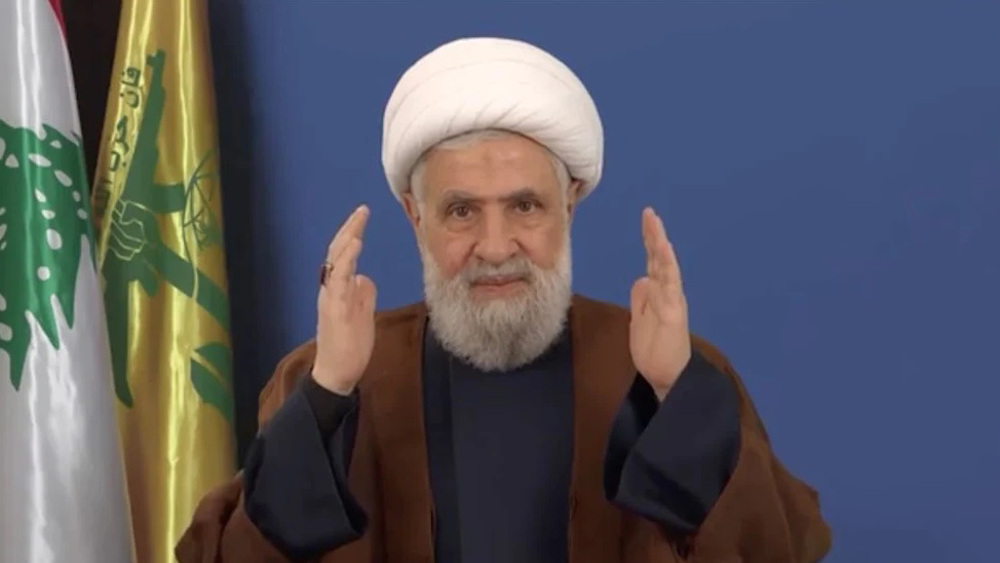
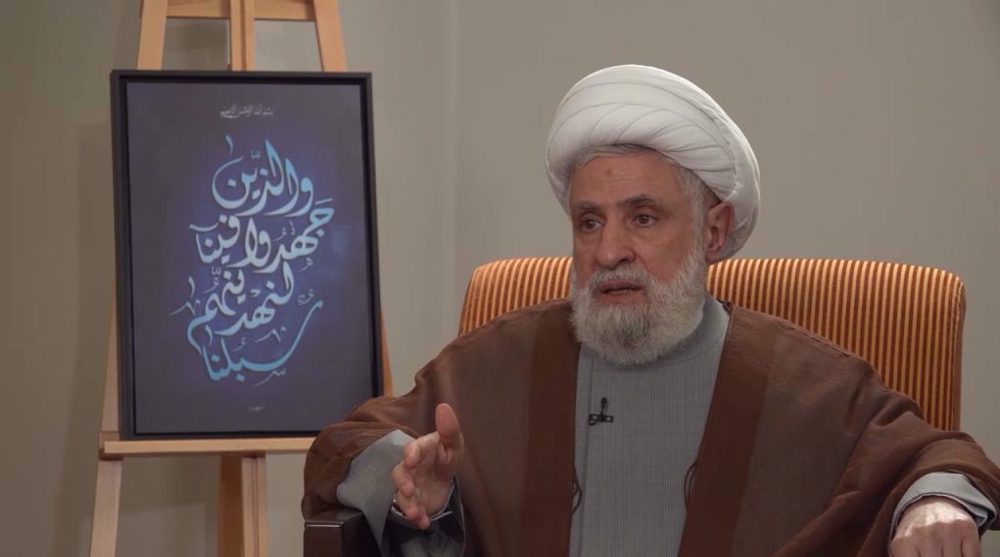
Hezbollah Secretary General Sheikh Naeem Qassem emphasizes that Hezbollah was founded on the principles of Islam and has adopted a resistance project prepared for the highest level of sacrifice.
— Press TV 🔻 (@PressTV) October 27, 2025
Follow: https://t.co/GKZwI4ePgj pic.twitter.com/kdmLYFsCfc
Facing this colossus was a popular resistance movement. The Israeli army mobilized approximately 80,000 soldiers with all their equipment against a few thousand determined fighters. Yet, they could not occupy a single border village.
Naqoura, one of the villages closest to the border, did not fall; the enemy only entered it to demolish a Lebanese army site after the ceasefire was announced.
Hezbollah demonstrated an unprecedented ability to encircle and destroy the entire Zionist entity, from the northern settlements to its very core.
In a stunning series of operations, Hezbollah announced the bombing of "sensitive military targets" in Tel Aviv, stating it had launched a swarm of drones at the city and its suburbs "in response to Israel's bombing of Beirut." This was complemented by the now-iconic strike on Benjamin Netanyahu's house in Caesarea, symbolizing that no target was beyond reach.
Coordinated rocket, drone, and ground operations struck 456 settlements, 361 military points, and 164 bases, creating mass confusion and a refugee crisis in northern occupied Palestine.
This relentless pressure forced a complete re-evaluation of Israeli military objectives. The enemy was shocked. If this was the level of fighting on the first line—manned not by special forces but largely by village mobilization forces and battle-hardened locals—what horrors waited on the second and third lines? The cost was becoming unbearable; in one day alone, 15 Israeli soldiers were killed, a day their war minister called "catastrophic."
The resistance continued with unbroken resolve until the final moments of the war. On the last night, Aita al-Shaab launched rockets, prompting an Israeli airstrike just six hours before the ceasefire. Approximately five hours before the truce, Israeli aircraft raided Aita al-Shaab again, bombing resistance fighters who remained steadfastly present in the town.
Just the day before, operations had successfully targeted Israeli Merkava tanks deep inside the occupied Palestinian territories. The fighters' spirit was the ultimate weapon. They fought with the option to return to the rear, but many refused.
There are stories of the wounded refusing evacuation, choosing to stay and fight until the end. This unwavering commitment to their cause, their land, and their people preserved the dignity and pride of the resistance, securing a victory that was not accidental but the culmination of years of strategic fortification and the building of an integrated deterrence system.
Thousands in attendance for the one-year martyrdom anniversary held for Hezbollah leaders Sayyed Hassan Nasrallah and Hashem Safieddine, including the secretary of Iran’s Supreme National Security Council, Ali Larijani.
— PressTV Extra (@PresstvExtra) September 27, 2025
Follow Press TV on Telegram: https://t.co/h0eMpigtxM pic.twitter.com/2IlSLgdXip
The phoenix rises – Rebuilding the underground army
In the wake of the 2024 war, Hezbollah’s recovery is not a simple process of rearmament, but a profound strategic metamorphosis. While Israeli intelligence confirms the group is rebuilding its capabilities "almost without disruption," the true source of alarm in Tel Aviv is how this is being achieved. The key lesson of the war—the vulnerability to decapitation strikes and aerial bombardment—is being addressed by moving the heart of the resistance deep underground.
This strategic shift involves the creation of a decentralized, subterranean network far more sophisticated than previous efforts. Intelligence analysts suggest Hezbollah is constructing a full-blown underground military infrastructure.
This includes command centers carved into mountain rock, micro-tunnels for rapid and unseen movement, and vertically-shafted workshops for assembling rockets and drones directly within its strongholds.
By embedding this network deep within the terrain, the resistance movement is making its military presence invisible, effectively turning the south into a layered, defensive fortress.
This elusive, phoenix-like resurgence is what is currently driving Israeli military planners to frustration. The resistance they believed they had crippled is not just replacing lost stockpiles, but it is transforming into a phantom army, deeply entrenched and operationally resilient.
The frantic warnings in Israeli media about Hezbollah's rapid return to "full armed army" strength reflect a grim realization: the next confrontation will not be with the Hezbollah of 2024, but with a more adaptive, elusive, and deeply embedded foe, whose very invisibility is a form of enduring psychological and strategic dominance.
The unbroken spirit: A look into the resistance environment
The most powerful weapon in Hezbollah’s arsenal is not a drone or a missile, but its environment—the people. During my visit to Beirut and southern Lebanon, I found a community that, despite immense sacrifices, remains fiercely loyal and steadfast on the path charted by Sayyed Nasrallah and followed by his worthy successor, Sheikh Naim Qassem.
This environment categorically rejects any notion of disarming, conceding land, or surrendering rights. It is a community prepared to pay the ultimate price to restore Hezbollah’s deterrent power against the Zionist enemy.
✍️ Feature - 'More alive than ever': Life and legacy of martyred Hezbollah leaders, told by their families
— Press TV 🔻 (@PressTV) September 29, 2025
By @hibamoradd and @latifahusseinihttps://t.co/FUjU3GPD6N pic.twitter.com/oRMAdFL4Xx
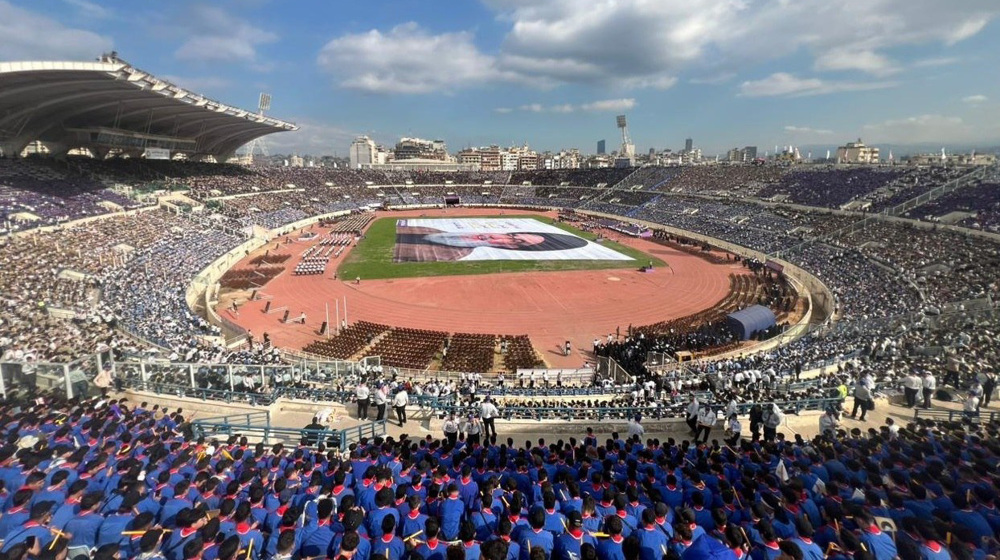
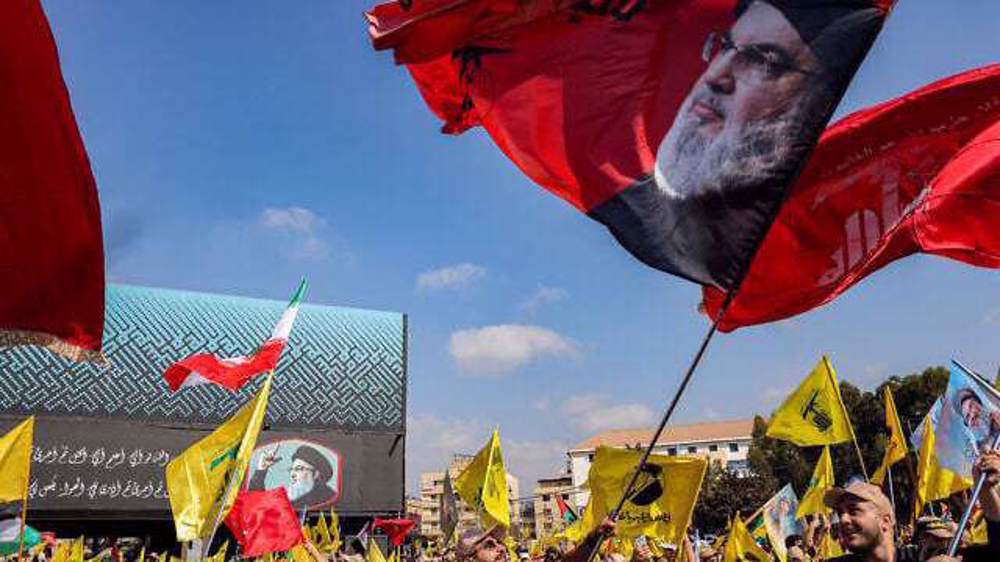
I witnessed this visibly demonstrated in the massive annual memorial for Sayyed Nasrallah and in the scout gathering of the Imam Mahdi Association in Beirut, which drew approximately 75,000 participants—a clear message of continued grassroots strength.
In the course of my investigation, the sentiment I encountered was uniform and resolute.
"We will not abandon Hezbollah," one supporter from the southern suburbs of Beirut stated firmly. "The resistance is an ongoing idea; it was not formed only during this war."
They view the party as an "ideological resistance" that cannot and will not abandon its slogan of liberating occupied al-Quds and the occupied lands. "This is a creed entrenched among the people of the suburbs and the majority of the Shiite community," he added.
Regarding the immense losses, there is a pragmatic yet determined outlook.
Supporters I spoke with acknowledged that "Hezbollah will be able to repair its ranks and recover and direct its choices in the next stage," but they understand that "this requires months and maybe long years."
They believe the movement will rearm itself in new ways, for the coming stages are "much more dangerous."
From the conversations I had, the collective belief is that Hezbollah has transformed from an organization reliant on historic leaders into a cohesive, institutionalized system.
The 2024 war was not the end of Hezbollah. It was the birth of a new, more resilient phase of resistance. From the promise of decisive victory, Israel has been reduced to managing an unending risk, while Hezbollah, supported by its people, continues to guard the nation’s sovereignty and prepare for the final liberation of Occupied al-Quds.
Ali Hammoud is a Lebanese writer and researcher.
Hezbollah leader: Iran thwarted US-Israeli war goals; ultimate victory belongs to resistance
Remembering Sabra and Shatila massacre: Why memory is the ultimate shield against erasure
Two years after Israel’s pager terrorism in Lebanon: Scars, loss, and the will to carry on



Leader’s advisor: Any foreign forces attempting to land in Iran ‘will certainly be destroyed’
VIDEO | Press TV's news headlines
VIDEO | Priests rally in Rome to honor Palestinian, Lebanese children murdered by Israel
Iran’s military warns of ‘unpredictable blows’ in response to US threats
VIDEO | US economic war on Iran
Iran FM meets with US envoy on UN meeting’s sidelines at American side’s insistence: Report
UN chief warns Israeli violence in West Bank raises ‘specter of ethnic cleansing’
VIDEO | ‘Korea gets nothing, loses everything, with Hormuz deployment’


 PressTV NEWSLETTER
now
PressTV NEWSLETTER
now
 This makes it easy to access the Press TV website
