Drug industry: Iran’s hidden defense asset in times of war
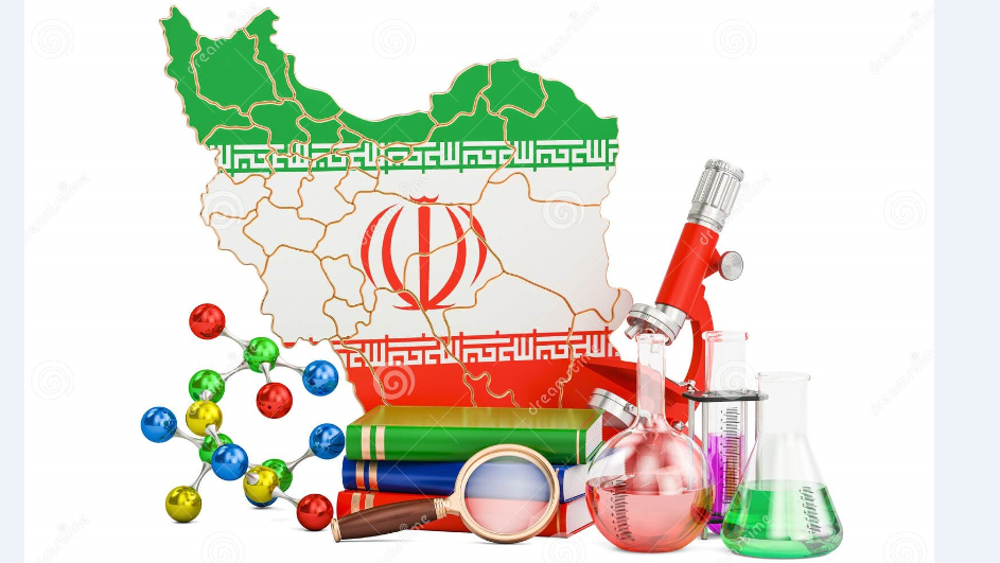
Iran’s pharmaceutical sector has evolved into one of the country’s most vital industries, combining economic importance with strategic significance.
The resilience of the sector was particularly evident during the recent 12-day war in June, when despite minor damages to some companies, production continued uninterrupted.
Companies worked around the clock, rebuilding quickly and ensuring that no firm exited the production cycle. This is more than just a testament to the industry’s technical capacity which underscores the sector’s role as a pillar of national security.
During the war, one medical equipment company suffered a direct missile strike, causing significant damage. Yet even then, the sector demonstrated remarkable self-reliance.
Unlike conventional industries, pharmaceutical production cannot afford interruptions; shortages directly affect human lives. In this sense, Iran’s pharmaceutical industry functions like a defense system, protecting the population as much as any army or military installation.
Iran’s capability in producing generic and biosimilar drugs is now well established. Today, over 98% of pharmaceuticals consumed domestically are manufactured within the country, with only a small proportion of raw materials imported.
Before the 1979 Islamic Revolution, more than 70% of Iran’s pharmaceutical sector was owned by foreign multinational corporations. With their exit, the industry faced significant challenges, particularly during wartime and under sanctions.
Yet through state policies and industry cooperation, Iran rapidly developed domestic production, becoming one of the world’s early producers of generic medicines in the 1980s.
Countries such as India, China, Brazil, Turkey, and Argentina followed similar paths, highlighting that the development of generics can be a strategic economic lever for emerging economies.
Economic analysis shows that the pharmaceutical industry is not just a domestic health necessity; it is a driver of economic self-sufficiency and a hedge against foreign exchange pressures.
Iran currently spends over $1.2 billion on imported raw materials for just 2% of its drugs. Reducing this dependency through investment in domestic production and local research would allow the country to retain capital and reinvest in innovation.
By contrast, maintaining import reliance risks both foreign exchange exposure and supply chain vulnerabilities.
The long-term economic potential of Iran’s pharmaceutical industry is significant. Beyond generics and biosimilars, the global pharmaceutical market is increasingly shifting toward advanced therapies, including gene therapy, cell therapy, targeted therapy, and personalized medicine.
Iran’s current capabilities provide a strong base in generics, but without substantial investment in these high-tech areas, the country risks lagging behind global trends. Investing now in advanced biotechnologies could open lucrative export markets and enhance domestic healthcare outcomes.
The strategic perspective is clear: pharmaceutical production is akin to defense capability. Just as a country must maintain a capable military, it must also ensure reliable, high-quality pharmaceutical output.
The recent war demonstrated this principle, with healthcare teams and production units operating seamlessly even under crisis conditions. Such resilience highlights that the pharmaceutical sector is not merely a commercial activity but a critical component of national security infrastructure.
From an economic standpoint, the industry also supports innovation, employment, and technological development.
Investing in research and development, modernizing production facilities, and training highly skilled personnel would yield multiple benefits, improving domestic health outcomes, reducing import dependence, and potentially generating export revenue.
Nurturing talent in pharmaceutical sciences would also create a knowledge-intensive workforce, fostering innovation spillovers into related sectors such as biotechnology, chemical engineering, and medical devices.
Looking globally, countries such as India and China have shown that modernizing the pharmaceutical sector can accelerate broader economic growth. India’s rise as a global generic powerhouse, for instance, has been accompanied by job creation, technology transfer, and foreign exchange savings.
China’s investment in biosimilars and advanced therapies illustrates that proactive policies and targeted investment can convert domestic capacity into global competitiveness.
Iran, with its educated workforce and established production base, could follow a similar trajectory, provided that strategic investment and regulatory support are aligned.
Iran’s domestic pharmaceutical market is also substantial due to its large population and growing healthcare needs.
Ensuring continuous access to essential medicines while upgrading capabilities in high-tech therapies strengthens domestic health security and positions the country to participate more actively in global markets.
With careful policy design, the sector can transform from a defensive necessity into a driver of economic growth, innovation, and international engagement.
In conclusion, Iran’s pharmaceutical industry represents both a strategic asset and an economic opportunity. Its proven resilience during wartime, coupled with near-complete self-sufficiency in drug production, underlines its role as a pillar of national security.
Economically, the sector offers enormous potential for reducing import dependence, saving foreign currency, creating jobs, and fostering technological innovation.
Moving forward, investment in advanced therapies, research and development, and human capital will be crucial to ensure that Iran’s pharmaceutical industry not only maintains its defensive role but also emerges as a competitive force in the global market.

BRICS paving way for alternative world order, not a war machine against West: Analyst
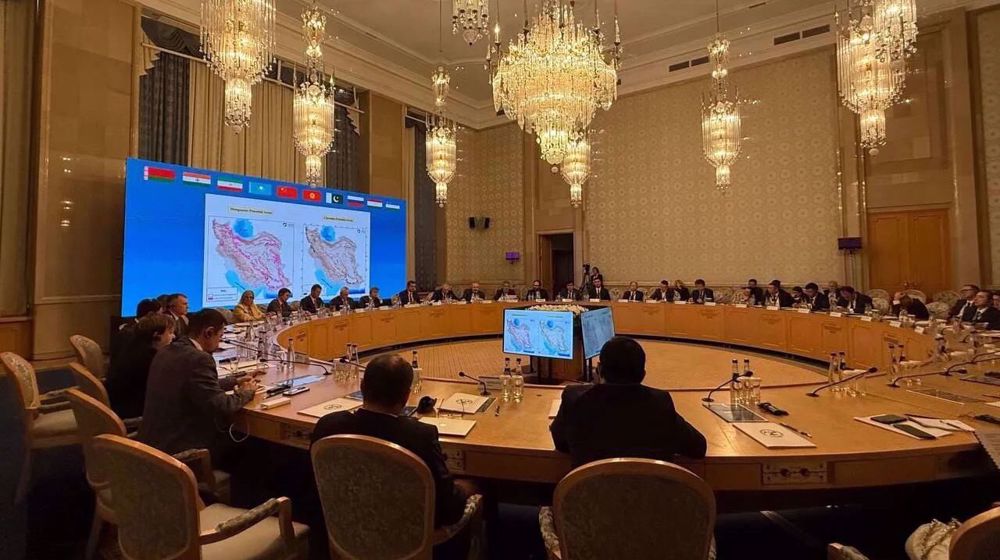
Iran finds new platform in SCO to develop its rare-earth potential
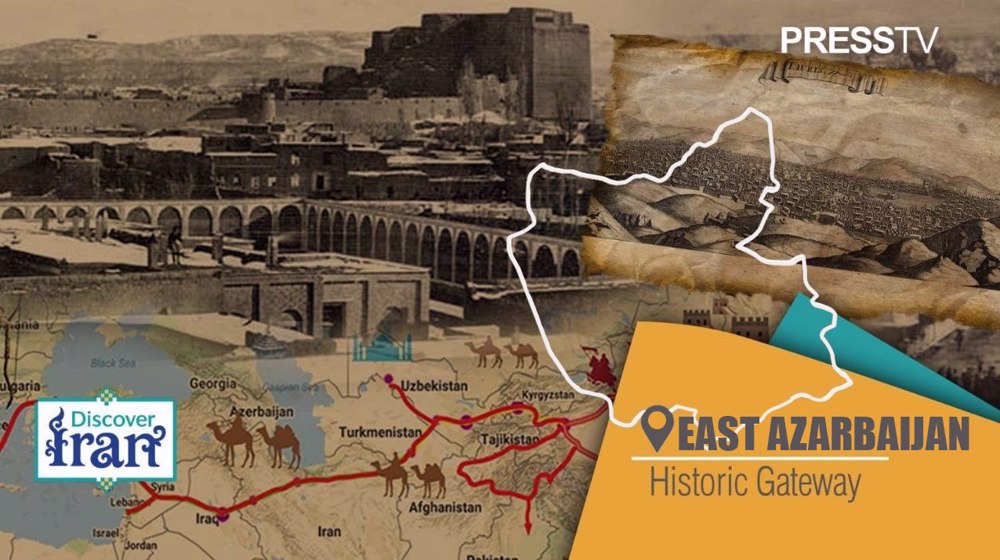
Discover Iran: Tabriz, where Iran’s Silk Road legacy meets industry, trade and a new economic future



VIDEO | Pakistan, China co-chair historic SCO bank framework talks
VIDEO | Press TV's news headlines
VIDEO | News Review: US accused of understating troop deaths in war on Iran
Trump’s ‘war of choice’ against Iran ‘a disaster’: House Democratic leader
Iran’s nuclear doctrine not changed, but NPT withdrawal possible: Top security official
Blast rocks military site in Syria’s Dayr al-Zawr, killing 11 HTS forces
EU urges US to reconsider visa denial for Palestinian UN delegation
Iran dismisses White House accusations as ‘flight from reality,’ ‘act of projection’


 PressTV NEWSLETTER
now
PressTV NEWSLETTER
now
 This makes it easy to access the Press TV website
