Discover Iran: The gardens of Shiraz that whisper history, poetry and timeless grandeur
By Ivan Kesic
- Beneath the shade of ancient cypress trees in Shiraz lies the legacy of a 2,500-year-old architectural blueprint for paradise, first sketched in stone at nearby Pasargadae.
- The city's gardens, like Eram and Delgosha, are not merely natural attractions but places where greenery and geometry combine to create a symbol of cosmic order.
- Each garden serves as a living manuscript, narrating tales from the Sassanid to the Qajar dynasties, while enchanting with the enduring perfume of orange blossoms.
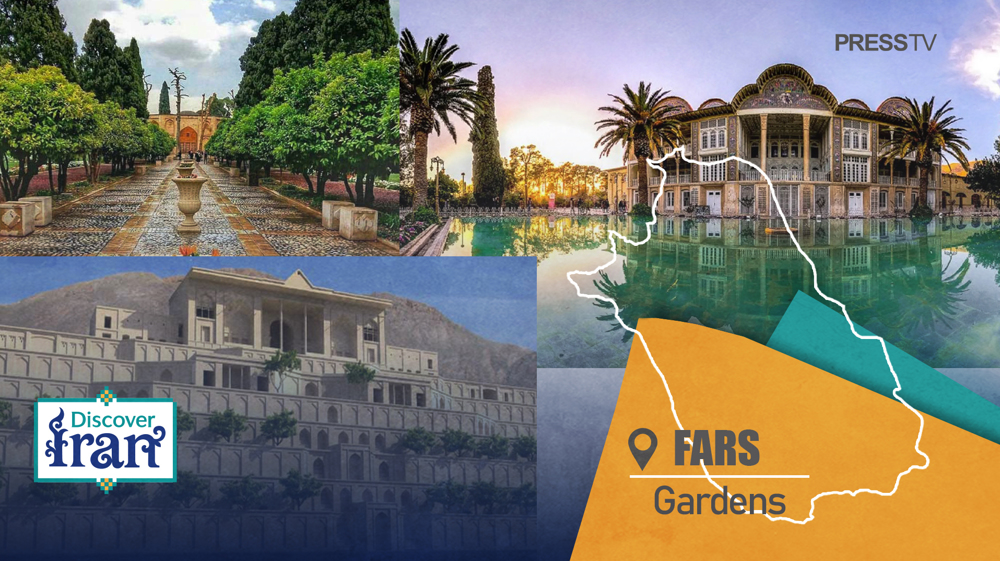
The city of Shiraz, a radiant jewel of Iran’s rich heritage and a beacon of poetry and literature, is also known for its picturesque gardens that draw visitors from both inside and outside the country.
These gardens are not mere collections of plants but the very embodiment of a design philosophy that dates back to the dawn of the Persian Empire, a tradition that found one of its most beautiful and enduring expressions in the soil of Fars province in southern Iran.
The fragrant alleyways lined with orange blossoms and the serene symmetry of cypress trees against colorful flowerbeds are the legacy of an ancient architectural vision.
The origins of this verdant vision are found in the royal gardens of Pasargadae, where the concept of the formal Persian garden was first invented, its geometric principles and profound symbolism establishing a blueprint for eternity.
From this ancient genesis, the tradition blossomed into a magnificent tapestry in Shiraz, where celebrated gardens like the timeless Delgosha and the world-renowned Eram weave together scientific ingenuity, historical narrative, and botanical splendor.
To walk through these spaces is to embark on a journey through the soul of vibrant Persian culture, a living testament to humanity's enduring desire to imprint order, beauty, and a reflection of paradise itself upon the natural world.
Royal genesis at Pasargadae
The most enduring innovation at Pasargadae was not in its stonework but in its landscaping with the creation of the royal garden, the first known example of the formal chaharbagh, or fourfold garden.
Since the first millennium BC, the garden has been an integral part of Persian architecture. Archaeologists uncovered a network of stone water channels and basins at Pasargadae that defined two adjoining rectangles, a layout that divided the garden into four precise quarters.
This design was almost certainly an architectural evocation of Cyrus’s Mesopotamian-derived title, "King of the Four Quarters," transforming the very earth into a symbol of his universal dominion.
Achaemenids had a keen interest in horticulture and agriculture, and their administration greatly encouraged the efforts of the satrapies toward innovative practices in agronomy, arboriculture, and irrigation.
The central location of a throne base in the "garden portico" of Palace P provided the king with an unobstructed vista down the central axis of this planted paradise, a place where he could hold court amid the beauty of a controlled nature.
Aside from the practical aspects of the garden and its sensual pleasures, royal gardens also incorporated political, philosophical, and religious symbolism, representing the idea of the ruler creating a fertile garden out of barren land and bringing symmetry and order out of chaos.
Discovering Shiraz: Iran's Cultural Gem
— Press TV 🔻 (@PressTV) October 14, 2025
Shiraz is renowned for its rich literary heritage, having been the birth and inspiration ground for legendary poets such as Hafez, and Saadi.
Follow https://t.co/B3zXG73Jym pic.twitter.com/k894aM9e7e
This concept of the royal garden as a planted, watered, and symmetrically ordered paradise, a pairidaēza from which the word "paradise" itself is derived, became a fundamental prototype.
What made gardens special during the Achaemenid reign was that for the first time, the garden became not only an integral part of the architecture but was also the focus of it, a powerful statement symbolizing authority, fertility, and legitimacy.
The Four Gardens design invented at Pasargadae would be replicated and refined, its influence flowing far beyond the bounds of the Near East to become a cornerstone of garden design in the Islamic world and beyond.
The typical garden estate during the Islamic period appears to have been a rectilinear enclosure, surrounded by a wall with one or more prominent gates and normally containing one or more pavilions.
Water channels intersected the garden following an orthogonal or geometric pattern, and the plantings combined shade, fruit, and ornamental trees with flower beds, designed so that the garden was continually in bloom.
The great wealth required to finance the acquisition, development, and maintenance of a formal garden, especially in the Persian arid landscape, made this type of holding a symbol of power and prosperity, a tradition continued by successive dynasties from the Buyids and Ghaznavids to the Timurids and Safavids.
Henceforth, gardens were an integral part of Persian culture, and successive generations of European and Asian monarchs and garden lovers copied the concept and design of Persian gardens, making it one of Iran's most significant contributions to world culture.
Flourishing gardens of modern Shiraz
The soul of the city of Shiraz is linked to poets and writers, which is why it has been named the city of poetry and literature, a character deeply reflected in its serene and contemplative gardens.
Delgosha Garden is one of the oldest and most beautiful gardens in Shiraz, a site that has witnessed three periods of rule by the Sassanids, Safavids, and Qajars, with a mansion whose architecture still shows evidence of the Sassanid period.
The beauty and astonishment of Delgosha Garden were such that Timur Gorgani ordered a garden similar to it to be created in Samarkand, demonstrating the widespread influence of Shiraz's horticultural artistry.
The Delgosha Garden is characterized by a high density of bitter orange trees (Citrus × aurantium), which during the spring bloom in April release a potent concentration of aromatic compounds, defining the garden's primary sensory atmosphere.
Eram Garden, a UNESCO World Heritage site, presents an unparalleled collection of spring orange, cypress, and rose trees alongside a historic and amazing building, its history dating back to the Seljuk period with subsequent restoration during the Zand dynasty.
Located on the beautiful Eram Street, the garden is known as a de facto botanical garden due to its incredibly diverse vegetation, a status formalized after the 1979 Islamic Revolution when Shiraz University decided to turn the expropriated private garden into a scientific resource with plants scientifically labeled for public display and educational purposes.
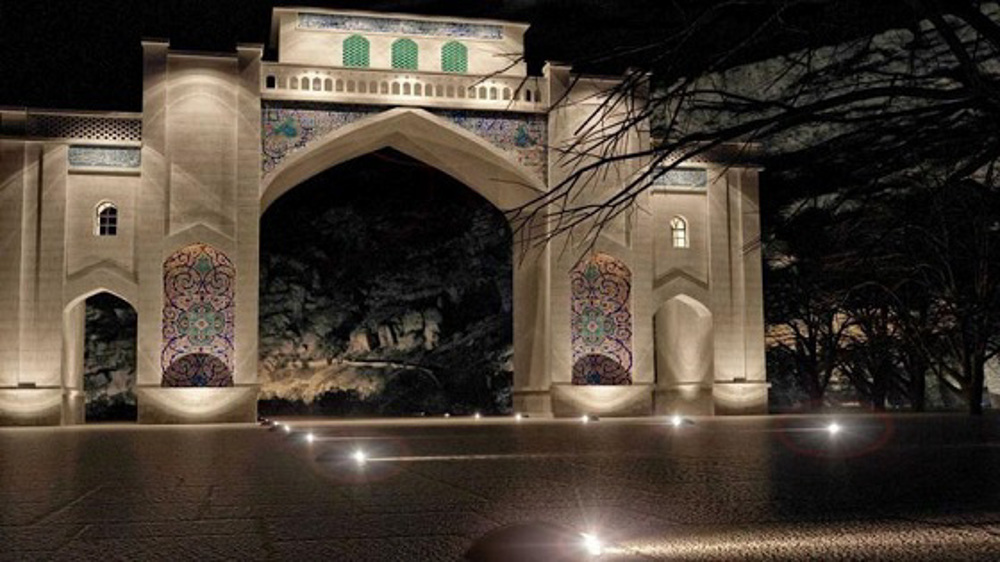
The Narenjestan-e Qavam, or Orange Garden, was built during the Qajar period by order of Ali Mohammad Khan Qavam, its name derived from the vast number of bitter orange trees that fill the space, while its interior mansion, known as the Zinat al-Molk House, dazzles visitors with mirrored halls and intricate carvings.
Afif Abad Garden, another of the oldest gardens dating to the Safavid period, was once called Golshan Garden due to its colorful and diverse flowers and served as a recreational destination for kings, now housing the Ebrat Museum and the largest military weapons museum in the region within its old mansion.
Jahan Nama Garden, over 700 years old, was once called the ornament of the world for its beauty, suffering destruction after the fall of the Safavid dynasty, before being restored by Karim Khan Zand, who ordered an octagonal building to be constructed within its confines.
Haft Tanan Garden, built before the Zand dynasty but developed by Karim Khan Zand, derives its name from the seven graves of seven mystics buried on its grounds, with Karim Khan ordering a large stone to be placed on each of these graves, adding a layer of spiritual history to the site's natural beauty.
The more modern Shapouri Garden and mansion, built between 1931 and 1936 by architect Abolghasem Memar, represents the architectural style of the modern era, featuring a large pond and tall trees that create a perfect place for photography and relaxation, later purchased and preserved by the cultural heritage authorities.
The integration of water is a constant and vital element in all these gardens, with networks of channels and fountains, such as those in the middle of Delgosha Garden, ensuring both irrigation and aesthetic cooling, while the strategic placement of pavilions and mansions provides vantage points from which to contemplate the harmonious landscape.
These gardens of Shiraz, with their ancient cypress trees, fragrant orange blossoms, and mathematically precise layouts, are not just relics of the past but continue to be vibrant, living spaces that embody the timeless Persian pursuit of creating a symbolic paradise on earth, a perfect fusion of nature, art, and profound cultural meaning.

Discover Iran: Tabriz’s centuries-old trading culture drives carpets, leather, industry and exports
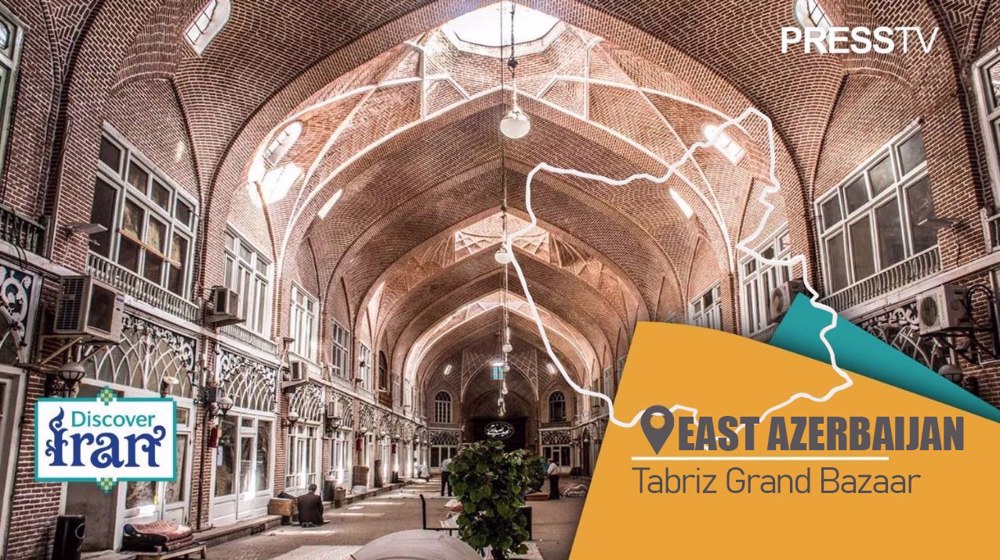
Discover Iran: Tabriz Grand Bazaar, where centuries of trade, culture and craftsmanship still thrive
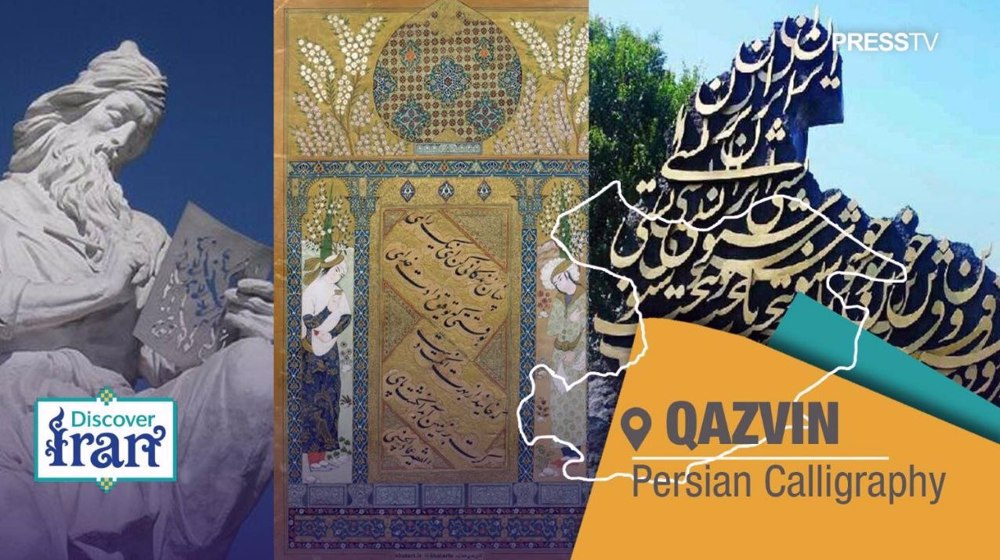
Discover Iran: Qazvin, the beating heart of Iran’s centuries-old calligraphy tradition



Russia, China veto US backed anti-Iran resolution at UN Security Council
Araghchi welcomes Xi’s initiatives, hails China-Iran strategic partnership
VIDEO | Gaza transport crisis deepens as 70% of vehicles remain out of service
VIDEO | Press TV's news headlines
Iran summons German ambassador over Berlin’s hostile positions, interventionist activities
Israeli occupation court extends detention of Press TV journalist Naqaa Hamed
Iran rejects Sweden’s allegations, orders Swedish diplomat to leave within 48 hours
UN fact-finding mission finds ‘reasonable grounds’ US committed war crimes in Iran






 PressTV NEWSLETTER
now
PressTV NEWSLETTER
now
 This makes it easy to access the Press TV website
