Israel defies ceasefire terms, keeps Rafah crossing shut
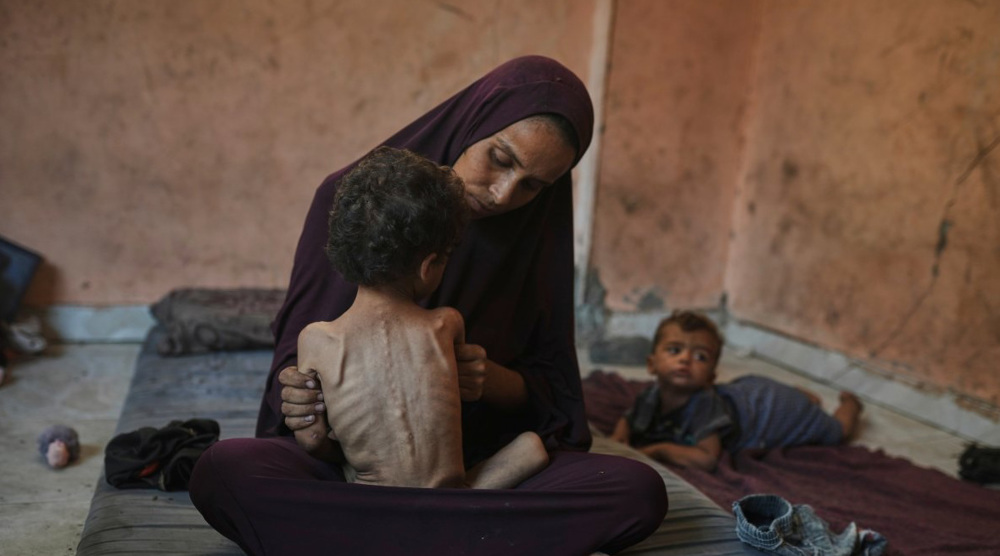
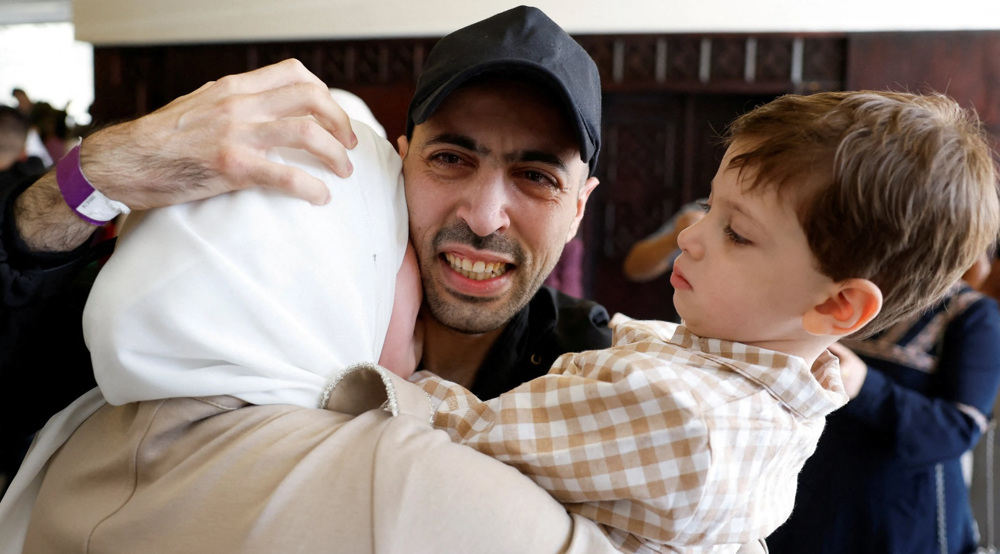
A day after receiving all living Israeli captives, Israel announced that the Rafah crossing would remain closed through Wednesday, restricting the flow of critical humanitarian aid into Gaza in violation of the ceasefire agreement with Hamas.
On Tuesday, Israeli authorities declared they would not uphold ceasefire provisions related to aid delivery, alleging without evidence that Hamas had breached the deal over the return of the bodies of deceased Israeli captives.
The Palestinian resistance movement earlier explained that retrieving all the bodies could take additional time, given the difficulties of finding bodies in Gaza's rubble.
As part of the truce, Hamas handed over the remains of four dead Israeli captives on Monday, along with all 20 living captives previously held in Gaza. The transfer of the remaining 24 bodies is also expected, though the timing remains uncertain.
Supporting Hamas’s statement, the International Committee of the Red Cross (ICRC) acknowledged that recovering the bodies would take considerable time.
“The search for human remains is obviously an even bigger challenge than having the people alive being released. That is a massive challenge,” ICRC spokesperson Christian Cardon said at a Geneva press briefing on Tuesday, adding that the process could take days or even weeks.
Meanwhile, US President Donald Trump took to Truth Social, saying, "All twenty hostages are back and feeling as good as can be expected. A big burden has been lifted, but the job is not done. The dead have not been returned, as promised! Phase two begins right now!!!"
Only 173 aid trucks entered Gaza on Sunday, October 12, three days after the ceasefire took effect, Gaza's Government Media Office said.
The limited convoy included just 3 trucks of cooking gas and 6 carrying solar fuel for bakeries, hospitals, and generators, far below what officials describe as necessary to alleviate the dire shortages in the besieged strip.
Authorities warned that the deliveries were “a drop in the ocean” for more than two million residents suffering from severe hunger and deprivation after months of blockade and bombardment by Israel.
The United Nations Relief and Works Agency for Palestine Refugees (UNRWA) reported that at least 600 trucks per day are required to meet the population’s basic needs.
Consequently, despite the ceasefire agreement, the Israeli regime continues to pursue its policy of enforced starvation.
On Friday, two children died of starvation and malnutrition in the Gaza Strip, raising the death toll from hunger to 457, including 152 children, according to medical sources.
They added that since famine was officially declared in Gaza by the Integrated Food Phase Classification (IPC) on August 22, a total of 179 people, including 37 children, have died from hunger.
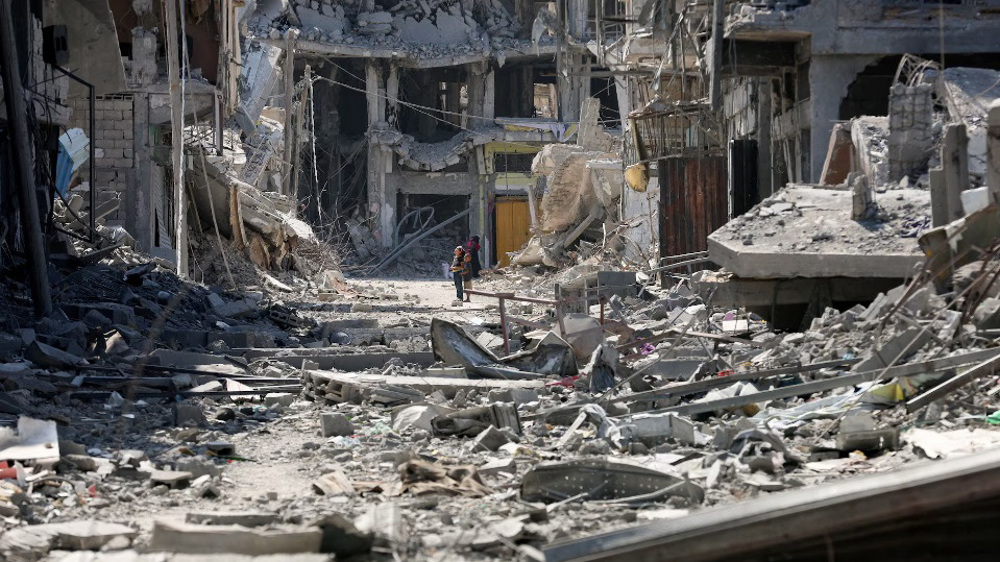
During Israel's genocidal war on Gaza, at least 67,913 Palestinians were killed and 170,134 wounded, most of them women and children
Following the ceasefire’s implementation, the number of casualties has continued to rise sharply as more bodies trapped under rubble are being recovered.
Experts believe the actual death toll could multiply exponentially once the dead bodies buried beneath the debris are counted.

Colombia's withdrawal from ICJ genocide case against Israel ‘source of shame’: Ex-president

Jordan: The Kingdom of Compromise (Part 3)
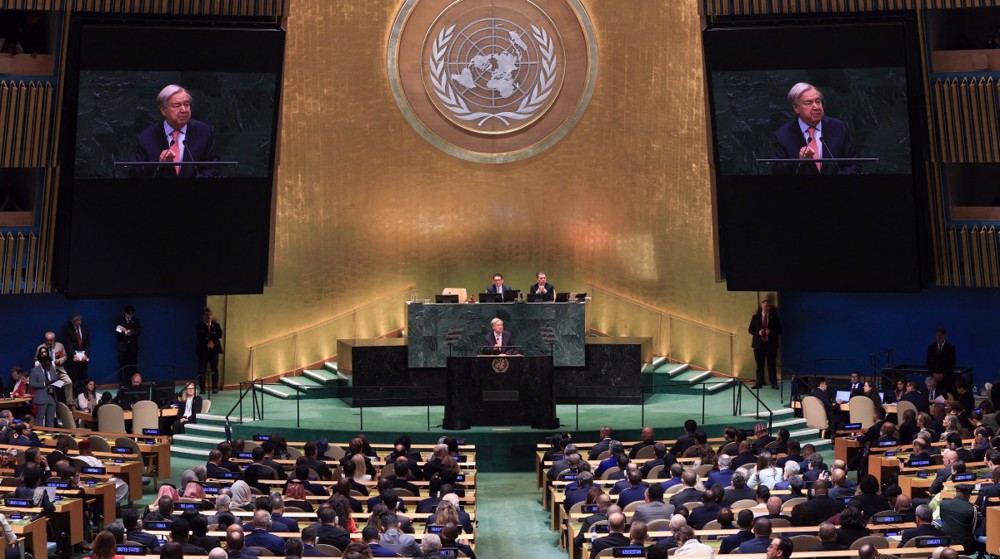
UN chief warns Israeli violence in West Bank raises ‘specter of ethnic cleansing’



Switzerland urges Israel to end 'unlawful occupation' of Palestinian territories
VIDEO | Moscow hosts international forum on how to combat misinformation, fake news
VIDEO | Are rising oil prices pushing Trump to end war on Iran?
VIDEO | Press TV's news headlines
Iran will never forget angelic faces of Minab children: FM spokesman
Yemen warns US against joining Saudi aggression, draws red line at Bab al-Mandeb
Security fears keep Israeli airlines barred from UAE through November
Scraping the bottom of arsenal: MQ-9 losses in war against Iran force US to bring back retired MQ-1




 PressTV NEWSLETTER
now
PressTV NEWSLETTER
now
 This makes it easy to access the Press TV website
