UN migration agency hails Iran’s extensive services to Afghan refugees
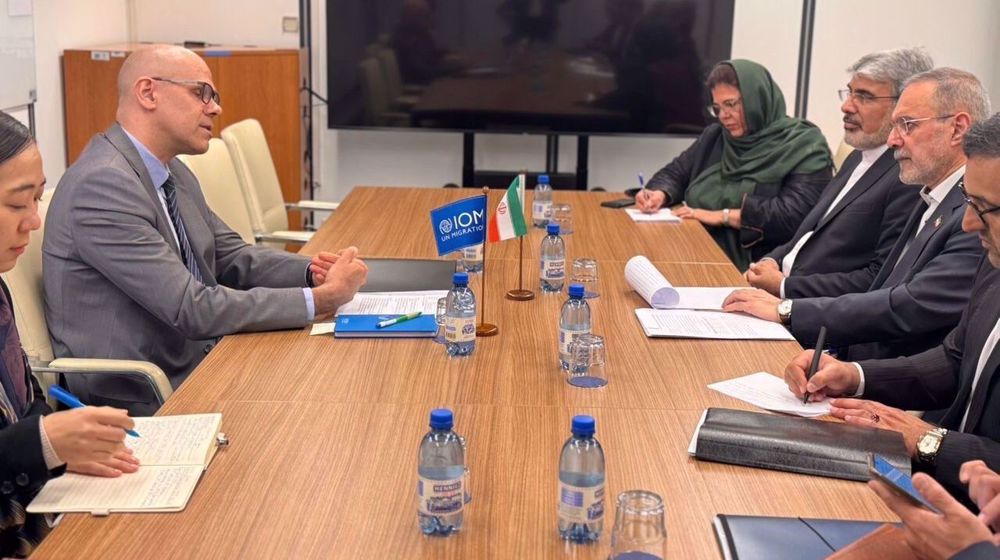
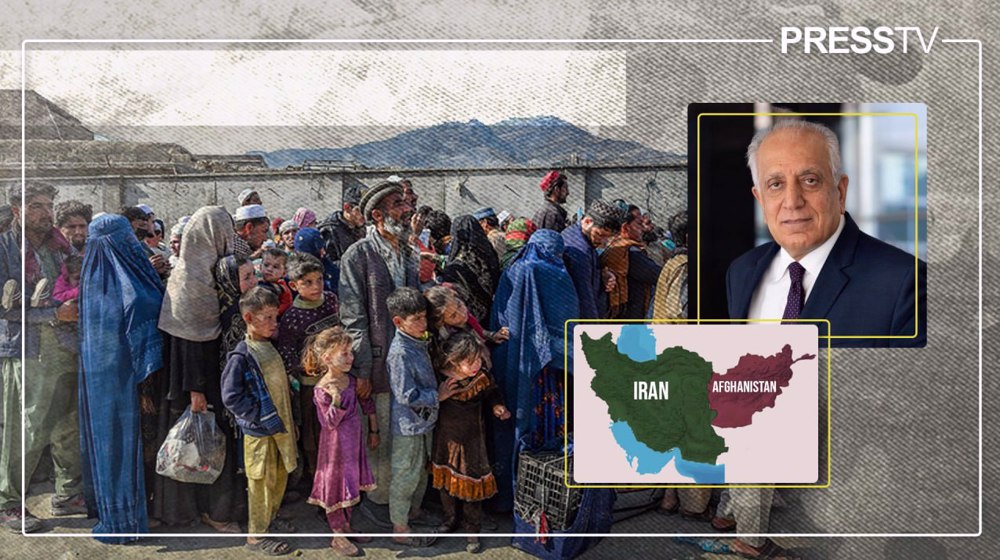
The United Nations migration agency has expressed its appreciation towards Iran over the extensive services that the Islamic Republic has been providing to the millions of Afghan refugees staying in the country.
A senior advisor to the International Organization for Migration (IOM)’s director-general made the remarks to Mohammad Bat’haei, deputy Iranian interior minister, in Geneva on Monday. The officials were meeting on the sidelines of the 76th Annual Session of the Executive Committee of the UN High Commissioner for Refugees (UNHCR).
Kim Eling praised the Islamic Republic’s successful efforts aimed at hosting the Afghan nationals, while regretting the decline in contributions from donor countries.
He identified the decline as one of the main challenges that faced the UN in advancing its projects geared towards accommodating the needs of migrants worldwide.
Bat’haei, who also heads Iran’s Social Affairs Organization, noted how the Islamic Republic has been rendering “remarkable” services to the monumental number of Afghan migrants and individuals from other origins, who have been seeking refuge across the country.
Tehran has been providing the support, despite simultaneously suffering under Western states’ “oppressive unilateral sanctions,” he lamented.
“Iran hopes that donor countries, in accordance with their share of responsibility, will allocate appropriate support to the ongoing projects in Iran,” the official added.
The officials, meanwhile, reviewed the latest status of interactions between the Islamic Republic and the IOM regarding the organization of foreign nationals residing in the country.
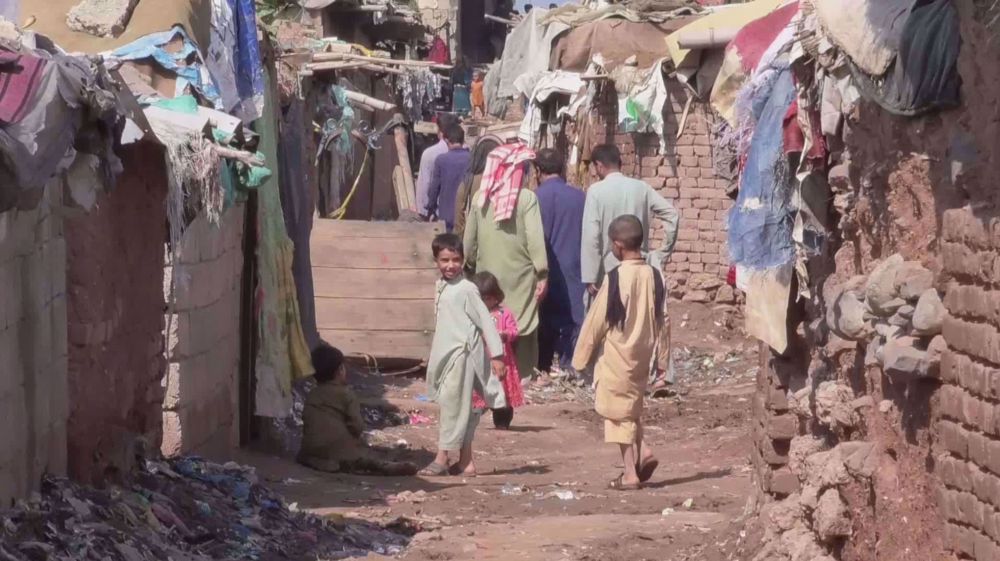
Iran hosts 3.8 million refugees and individuals in refugee-like situations. Afghan nationals comprise the majority of this number.
Only 15% of Afghan refugees deported from Iran: Labor Ministryhttps://t.co/26Q01WNKnC
— Press TV 🔻 (@PressTV) July 13, 2025
The number of refugees began to significantly rise after the 2001 invasion of the Central Asian nation by the United States, which triggered a huge backlash by the Taliban.
The US’s sudden withdrawal from Afghanistan amid a wholesale Taliban offensive in 2021 similarly unleashed another refugee wave onto the country’s neighbors.
Hezbollah MP: Trump unwillingly acknowledged Iran’s key role on global stage
Iran FM discusses regional developments in phone talks with Pakistani, Omani counterparts
Araghchi: Arbaeen is grand display of Iran-Iraq national unity



VIDEO | Gaza buries 112 Palestinians killed by Israel, bodies recovered after nearly three years
VIDEO | Gaza hospitals struggle to treat burn victims amid Israeli attacks, aid restrictions
VIDEO | 'The US cannot teach us about sovereignty': Palestinian political analyst
US-led ‘Board of Peace’ violates terms for Israeli withdrawal from Gaza
Iran-Oman bilateral talks on Strait of Hormuz progressing positively, FM spokesman says
Indian ship hit and sunk after attack off Yemen in Red Sea: Reports
Spain returns 70,000 migrants to Morocco as EU backs Madrid’s response to Ceuta crisis
VIDEO | Press TV's news headlines



 PressTV NEWSLETTER
now
PressTV NEWSLETTER
now
 This makes it easy to access the Press TV website
