E3’s attempt to re-impose UN sanctions on Iran ‘null and void’: FM Araghchi
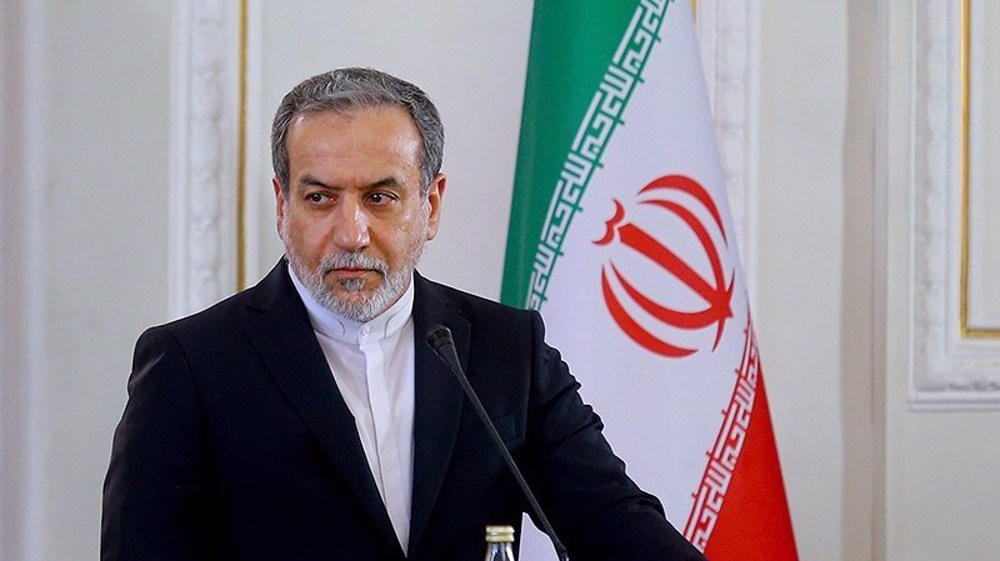
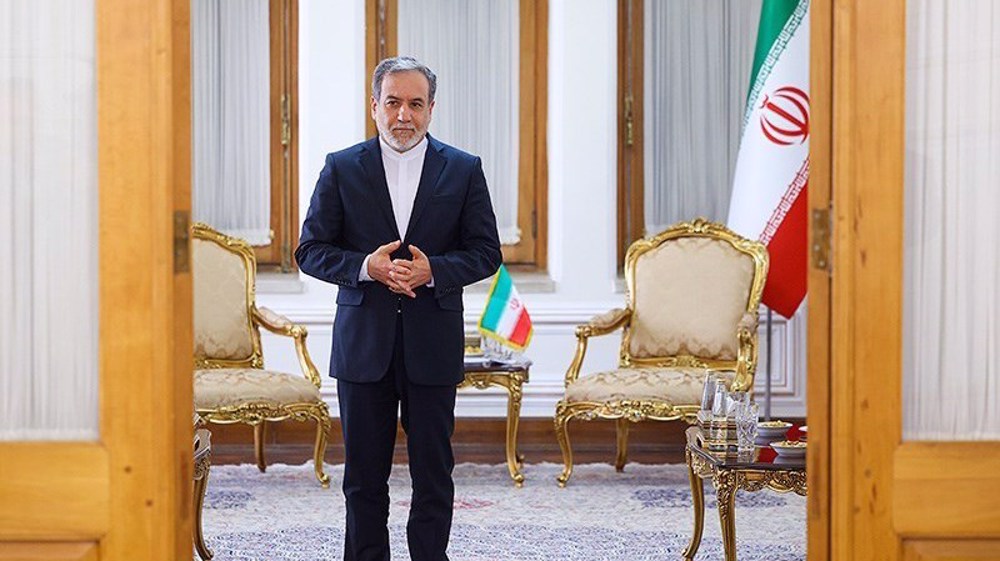
The Iranian foreign minister has denounced as “null and void” attempts by the European signatories to the US-abandoned 2015 nuclear deal to re-impose UN sanctions on the Islamic Republic once lifted under the same agreement.
Abbas Araghchi made the remarks in an X post on Saturday, hours before the 30-day process that Britain, France, and Germany had initiated to restore all UN Security Council (UNSC) sanctions against Iran ended. The anti-Iran bans came via the so-called snapback mechanism included in the Joint Comprehensive Plan of Action (JCPOA).
He said that the European trio violated their obligations under the JCPOA and UNSC Resolution 2231, and thus forfeited any right to trigger the snapback.
“Their (The Europeans’) invocation of the so-called snapback mechanism is nothing but a blatant abuse of process. UNSCR 2231 will expire on October 18, 2025. Terminated sanctions cannot be revived, and any attempt to do [so] is null and void,” he added.
In address before the UN Security Council, I outlined how the United States has betrayed diplomacy and how the E3 have buried it.
— Seyed Abbas Araghchi (@araghchi) September 27, 2025
None of what I have seen in New York suggests that the failure of dialogue is by accident. The U.S./E3 rejection of diplomacy is intent and premised… pic.twitter.com/rBoIn5ur9I
The top Iranian diplomat also noted that the United States “betrayed diplomacy” and the three European countries “buried it.”
“The US/E3 rejection of diplomacy is intent and premised on the miscalculation that ‘might makes right’, and that the Iranian People will give in to bullying,” he emphasized. “Doubling down on faulty assumptions will not resolve the unnecessary crisis at hand.”

Iran regards snapback as ‘not activated’
Also on Saturday, Araghchi made a live interview from New York with the evening news on Iran’s state TV, saying from Iran’s perspective, the snapback is currently not activated; therefore, its consequences should not be taken into account or pursued by the UN chief.
He further pointed to a lack of consensus at the UNSC about the snapback of anti-Iran sanctions, saying two of the body’s five permanent members consider the move illegal and without legal basis.
He was referring to Russia and China, which introduced a draft resolution to the Security Council aimed at giving diplomacy more time to resolve Iran’s nuclear issue.
Temporary Security Council members Pakistan and Algeria joined Russia and China in supporting the resolution, but nine countries voted no and two abstained.
Meanwhile, the foreign minister said that before the activation of the snapback mechanism, the US and the Europeans tried to frighten the Iranian people and pressure the government into making concessions and retreating.
Tehran put forward “constructive and realistic” proposals seeking “fair and rational” solutions to its nuclear issue, but they were all rejected by the opposite parties, he went on to say.
“They expected the Islamic Republic to give up all its nuclear material or hand it over to them, in exchange for delaying the activation of the snapback mechanism by merely three or six months.”
“This was the height of excessive demands, the most irrational behavior, and even the most audacious approach imaginable. We firmly stood against all these demands and pressure that persisted until the very last moment."
Additionally, he reiterated the peaceful nature of Iran’s nuclear program and its readiness to build trust on condition that the nation gets proportionate concessions and its right to uranium enrichment is recognized.
Iran condemns US attacks on oil tankers as violation of international law
Iran military warns US of ‘more severe blows’ to warships if aggression continues
Iran releases details of US bomb used in attack on wedding ceremony



Israel demolishes historic house in fresh attacks on southern Lebanon: Report
VIDEO | Stunning 89% of Americans say government corruption is widespread
Israel’s destruction of Gaza sewage system backfires, triggering water crisis for regime
Yemeni forces deal heavy blows to Saudi mercenaries in Ta’izz, Red Sea coast
Discover Iran: From Alamut Kilims to Pan-Bafi, Qazvin’s crafts carry centuries of living tradition
VIDEO | US attacks against Iranian oil vessels is an act of desperation: Author
IRGC strikes US unmanned vessel in Hormuz, vows ‘decisive’ response to enemy moves
VIDEO | Press TV's news headlines


 PressTV NEWSLETTER
now
PressTV NEWSLETTER
now
 This makes it easy to access the Press TV website
