
By Ivan Kesic
- Isfahan balances rapid urban development with heritage preservation, integrating modern infrastructure, smart city initiatives, and adaptive reuse strategies effectively.
- The city’s Safavid-era sites face strict conservation regulations while metro expansions and smart projects challenge historic aesthetics.
- Smart city initiatives enhance traffic management, civic services, and digital engagement, stressing local innovation, citizen participation, and economic vitality.
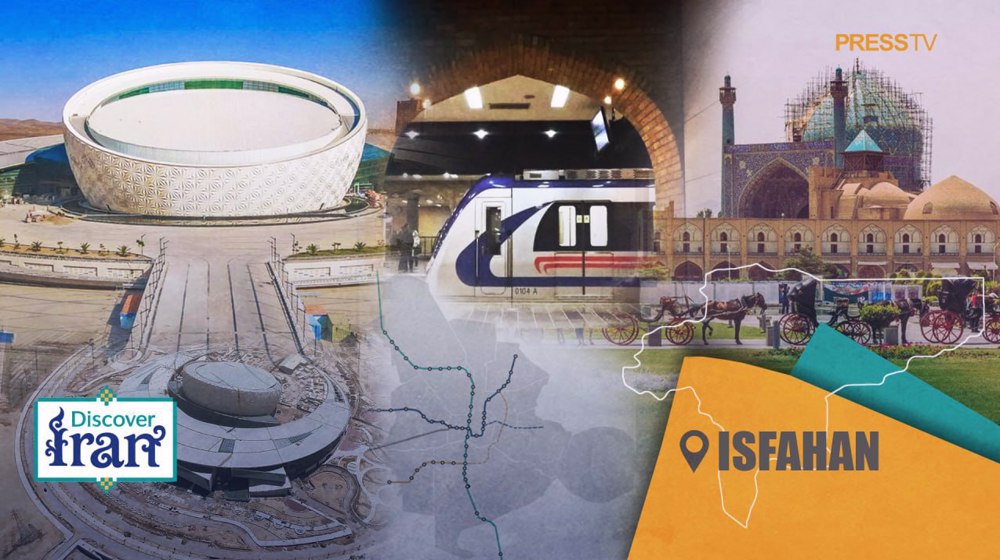
The city of Isfahan in central Iran stands at a crossroads of modernity and tradition, leveraging its rich historical and cultural heritage while pursuing ambitious urban development projects.
From smart city initiatives and metro lines to the restoration of ancient monuments and UNESCO protections, the city’s urban planners and conservationists play a pivotal role in navigating this balance.
Amid rapid urban development, Isfahan, the dazzling "Half of the World," faces a 21st-century dilemma: how to grow without erasing the legacy of its ancient, early Islamic, and Safavid-era splendor.
As cranes punctuate the skyline and smart city initiatives promise digital transformation, urban planners walk a tightrope between modernization and preservation, a challenge manifest in every restored mosque, every new metro line, and every UNESCO negotiation.
With Iran’s urbanization rate exceeding 75 percent, Isfahan's infrastructure strains under population growth and tourism demands.
Conservation efforts
The city’s ambitious metro expansion (slated to cover 75 km by 2030) has unearthed archaeological finds at every turn, forcing engineers to reroute tunnels beneath Naqsh-e Jahan Square's UNESCO-protected perimeter.
Meanwhile, smart city projects—from AI-driven traffic management to solar-powered Wi-Fi plazas—clash aesthetically with the turquoise domes and arabesque facades of the historic center.
"Every new development risks becoming a scar," warns Dr. Parisa Vahdati, an urban historian at Isfahan University. "But stagnation is not an option—our youth demand jobs and connectivity."
Rather than freezing the city in amber, conservationists pursue adaptive reuse. Many Safavid and Qajar buildings, such as mansions and caravanserais, have today been converted into hotels.
Along the Zayandeh Rud, the Khaju Bridge's lower arcades, once Safavid-era tea houses, have been repurposed as artisan co-ops selling Isfahani handicrafts—a model praised by UNESCO for "keeping heritage economically viable."
Isfahan's UNESCO-listed sites, including the iconic Imam Mosque and Ali Qapu Palace, exist in a delicate equilibrium. Strict conservation rules forbid alterations within buffer zones—a challenge when installing earthquake retrofitting or accessibility ramps.
The city's 2023 bid to expand protections to the entire Safavid urban fabric remains contentious, as it could freeze thousands of residential properties in time.
"UNESCO status is both shield and straitjacket," admits city planner Amirhossein Nazemi. "We’ve had to innovate—like using traditional lime mortar in metro station walls so modern additions ‘breathe’ like historic structures."
The blueprint for Isfahan’s future may lie in its past. The "Isfahan 2035" master plan mandates that all new constructions within the historic core use local materials and adhere to Safavid proportions (height limits, courtyard-centric designs).
Even the metro's upcoming Line 3, connecting the southwestern side of the city to the southern outskirts, will feature tilework by master artisans from renowned Isfahan art schools.
As the sun sets over the Si-o-se-pol Bridge, casting shadows on restored stonework and LED-lit bike lanes, the city's duality feels palpable.
Here, a 400-year-old hydraulic structure shares the river with solar-powered water sensors—a metaphor for Isfahan's precarious, yet hopeful, equilibrium.
Smart city projects
Isfahan has also embraced smart city initiatives to address urban challenges like traffic congestion, air pollution, and service delivery, accelerated by the COVID-19 pandemic.
Isfahan's "City with a Few Clicks" initiative represents a key step in this transformation. While earlier smart city models focused heavily on technology, today's approach integrates infrastructure, public participation, and cultural context—a shift that Isfahan must navigate carefully.
The "City with a Few Clicks" project belongs to the second generation of smart cities, where digital platforms facilitate civic engagement rather than just delivering services.
Initiated 15 years ago with digitization, the project evolved into a smart city framework, leveraging existing infrastructure to streamline operations. It utilizes IoT sensors, AI for traffic optimization, and a centralized data platform.
Launched to provide 134 municipal services online, reducing the need for in-person visits. This includes digital payment systems, traffic management, and waste collection scheduling.
The impact of the project is significant, with over 2 million residents benefiting, and a 30 percent reduction in traffic trips reported by 2023. The initiative supports social equality by enhancing access for marginalized communities.
Funding constraints and reliance on domestic innovation hinder scalability; however, urban planners like Ali Rezaei, head of Isfahan's Smart City Task Force, emphasize local R&D to overcome these barriers.
Projects like the "Isfahan Nama" website mark progress, but urban designers caution that technology alone cannot create a smart city, highlighting that it must work alongside citizen involvement, economic vitality, and intelligent urban design.
 This makes it easy to access the Press TV website