Discover Iran: Isfahan’s timeless musical legacy lives on through Bayat-e Isfahan
By Humaira Ahad
- Isfahan’s Bayat-e Isfahan mode, romantic and continuous, forms the emotional core of Persian classical music tradition.
- The city’s music reflects centuries of cultural devotion, blending courtly life, regional melodies, and artistic storytelling techniques.
- Masters like Taj Esfahani preserved and taught Isfahan’s musical heritage, ensuring its survival and contemporary relevance today.
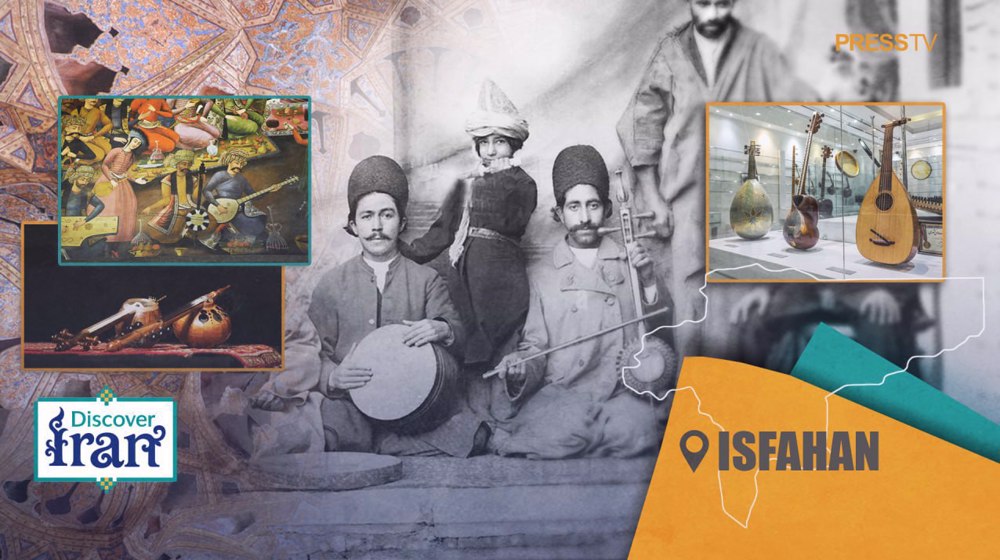
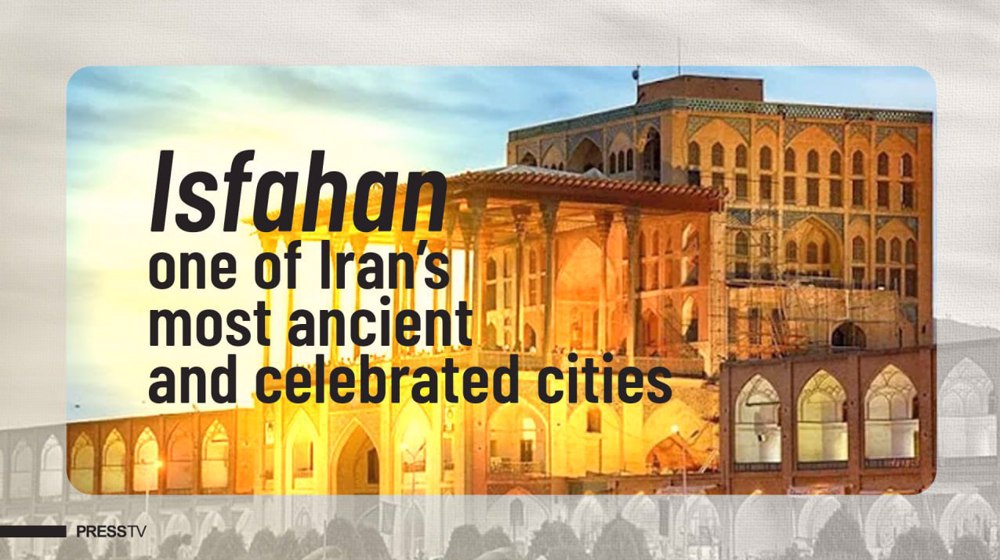
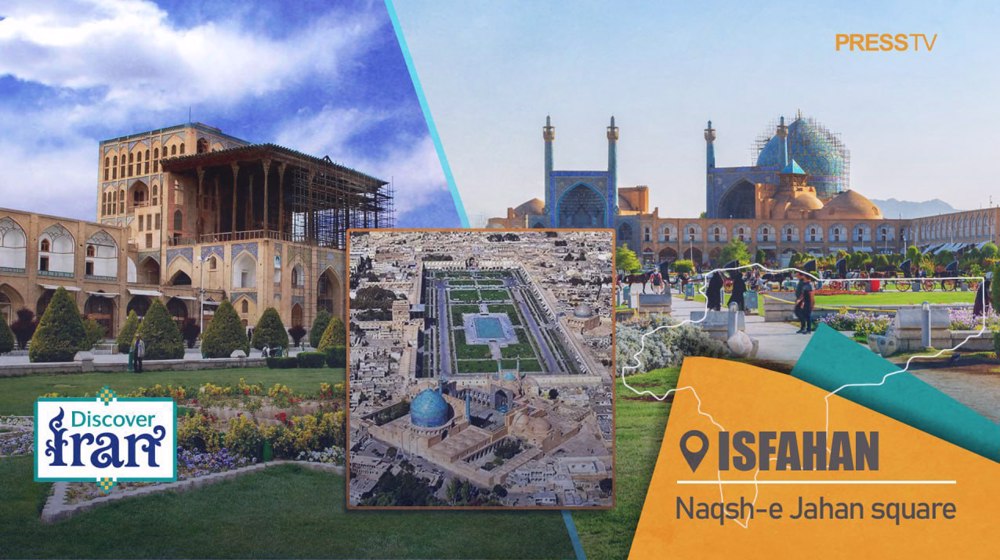
In the heart of Iran, Isfahan, celebrated mostly for its turquoise domes and Safavid-era architecture, is also home to a musical tradition that has defined Iran’s soundscape for centuries.
From the mystical ney of Hassan Kassai to the golden voice of Taj Esfahani, Isfahan has been a stage and a sanctuary for masters of Persian classical music.
In 2011, the Isfahan school of traditional music was officially recognised in Iran’s National List of Intangible Cultural Heritage, affirming its role as a cornerstone of Persian culture.
At the heart of this musical heritage lies the Bayat-e Isfahan vocal mode, one of the most beloved in Persian canon.
Known for its romantic traits, Bayat-e Isfahan is often described as a mode of longing, a musical journey that carries listeners into a realm of tender melancholy, much like the arc of a romantic drama that never breaks its mood.
The soul of Isfahan’s music
Bayat-e Isfahan is born from the Homayoun Dastgah, one of the primary frameworks of Persian classical music.
Often described as the most romantic mode in Iran, it conveys a sort of delicate and profound love. Unlike other modes that shift between moods, Bayat-e Isfahan maintains a continuous emotional thread, drawing listeners into a world where every note narrates a story.
Its melodies are immediately recognisable, even to those not familiar with Eastern music, echoing the minor scale with a subtle microtonal shifts that give it a uniquely Persian flavour.
The mode unfolds across eight notes and seven intervals, and its performances often reach their emotional peak in the Gusheh Oshagh, the section evocatively named “Lovers.”
More than notes on a scale
However, Isfahan’s role in Iranian music is not only about technical modes. It is about the city’s centuries-long devotion to melody and songs.
During the Safavid period, when Isfahan was the capital of Iran, music was woven into courtly life. Princes were expected to master it, and musicians of the city were entrusted with their training.
Some researchers even maintain that the city’s connection to music predates the Safavid era by millennia, rooted in Isfahan’s position at the heart of Iran’s cultural crossroads.
What makes Isfahan’s music endure is its ability to embody the city’s spirit: romantic, reflective, and deeply tied to memory.
In the Isfahan music school, the instrumentalist mirrors the singer in a technique known as Monaseb-Khani, creating a delicate conversation between voice and music.
Ornamentation, or Tahrir, is applied to enhance the emotional beauty of the poetry itself, a refinement that has come to define the school
Its repertoire also embraces melodies from neighbouring communities, Qashqai, Boyer-Ahmadi, and Dezfuli, making it a testament to Isfahan’s cultural diversity.
Over the decades, countless compositions in Bayat-e Isfahan have entered the Iranian musical imagination.
Classics such as Ghoghaye Setaregan (Tumult of the Stars), Bahar Delneshin (Pleasant Spring), and Migzaram Tanha (I Pass Alone) have become benchmarks of emotional expression. These songs, whether performed in traditional style or adapted into pop arrangements, continue to reflect the city’s enduring musical spirit.
Some melodies, like the Gusheh Darvish Hassan, tell stories that reach back to Isfahan’s Qajar-era gardens, where singers would call on visitors to protect the flowers, blending art, nature, and city life in a single note.
Preserving the tradition
The Isfahan school of music owes much of its survival to dedicated masters and musicians who preserved the oral tradition for generations.
During the Qajar era, ta’ziyeh performers, actors who chanted religious plays especially during the month of Muharram, brought Isfahan’s distinctive style to Tehran, influencing a new generation of musicians.
Figures such as Seyed Rahim Esfahani, Taj Esfahani, and many others painstakingly recorded and taught these melodies, ensuring that even centuries later, the city’s music would remain alive.
Seyed Abdolrahim Esfahani (1853–1939) was a master Rouzeh-Khan, whose students included Taj Esfahani, Adib Khansari, and Habib Shaterhaji.
Known for his lyrical voice and encyclopaedic memory of melodies, he shaped the skills of an entire generation.
Abdolhossein Barazandeh (1893-1971) was a master of tar, violin, and santur. He collaborated with poets and musicians of his time to create works that remain milestones in Persian opera and operetta.
He staged works like Zal o Rudabeh, Leyli o Majnun, Kheir o Shar (Good and Evil), Shabneshini Hafez o Sa’di (Evening with Hafez and Sa’di), Mardan o Shahrbanudar Botkadeh Somnat (Men and Shahrbanu in the Temple of Somnath), etc.
His compositions contained nearly 300 pieces, though only 30 were ever performed.
Jalal Taj Esfahani (1903-1981), a pivotal figure of the 20th century, revived the Maktab-e Avaz-e Esfahan (the School of Isfahan Singing) and trained luminaries such as Mohammad Reza Shajarian and Hossein Khajeh Amiri.
One of Taj Esfahani’s hallmarks was his mastery of Monaseb-Khani. His renditions emphasised friendship and poetic elegance, echoing Sa’di Shirazi’s timeless verses. Among his most enduring works is Atash-e Del (Fire of the Heart).
Today, Dr. Mohammad Mahdi Vaezi Esfahani, widely known as Mohammad Esfahani, carries forward the rich musical legacy of Isfahan.
Born on July 5, 1966, into a family steeped in religious and cultural values, he has performed both sacred and classical Persian melodies.
He blends traditional sounds with modern pop, showcasing his mastery of classical singing while reaching new audiences and keeping Isfahan’s musical heritage alive.
Across Iran, musicians continue to draw inspiration from the city’s rich musical heritage, keeping its melodies alive and vibrant.
Persian musical experts like Hassan Mansouri argue that the Isfahan school deserves global recognition as intangible cultural heritage, a testament to the music in which every note carries centuries of history, emotion, and artistry.
Isfahan’s music remains the city’s heartbeat, echoing through its gardens, its courtyards, and its people.
Discover Iran: Tabriz’s ‘Mausoleum of Poets,’ where centuries of Persian literary history live on
Discover Iran: Tabriz’s Blue Mosque, where glorious history meets timeless Iranian architecture
200 nights, one resilient nation: Iranian people’s epic in defense of homeland and Revolution



US visa ban on Iranian president’s media team is bid to hide the truth: FM spokesman
US aggression, economic warfare amount to crimes against humanity: Iran's UN envoy
Protests erupt in US as ICE agent shoots Venezuelan driver
US pressure fuels cooperation among Muslim states: Pezeshkian
Major TV networks suspend White House pool coverage after Trump ban
US visa ban on Palestinian UN delegation violates international agreements: Hamas
VIDEO | Press TV's news headlines
Iran calls on France to respect law after suspending French cultural institute in Tehran


 PressTV NEWSLETTER
now
PressTV NEWSLETTER
now
 This makes it easy to access the Press TV website
