‘The Voice of Hind Rajab’: Docudrama on slain Gaza girl stuns Venice, resonates globally
By Humaira Ahad
“I am so scared, please come.
Please call someone to come and take me.
What time is it?
How far is your home from me? Come and take me.
It is getting dark, and I am afraid of the dark.
Take me.
Come take me, will you come and take me?”
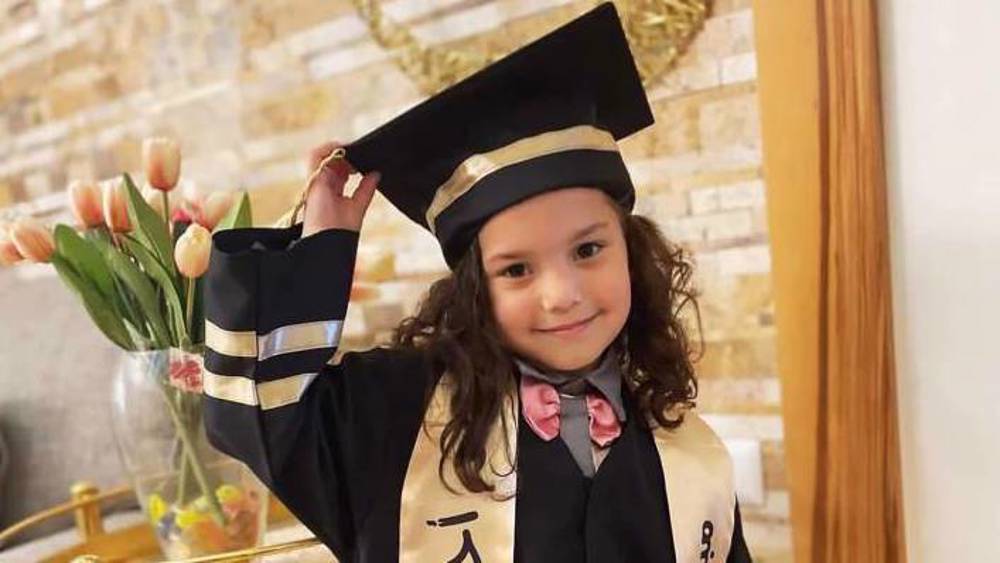
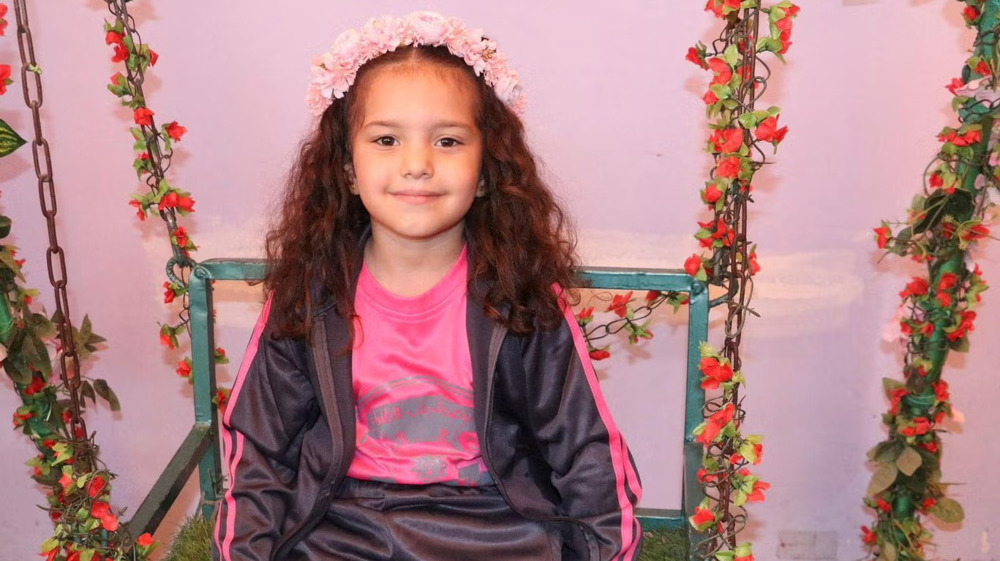
This was the heartrending refrain of six-year-old Hind Rajab’s three-hour call with a Palestinian Red Crescent Society (PRCS) dispatcher in Gaza, before she was killed in cold blood, alongside her family members, in the Gaza Strip.
Hind’s voice, trembling with terror as Israeli tanks encircled her, became one of the most haunting testimonies of Israel's genocidal war on the Palestinian territory.
Clips of her phone calls have been given permanence in the docudrama The Voice of Hind Rajab, directed by Tunisian filmmaker Kaouther Ben Hania.
The movie, which chronicles Hind’s final hours, earned the prestigious Silver Lion award at this year’s Venice Film Festival.
It received an unprecedented 23 minutes and 50 seconds of standing ovation from festival veterans, who were moved by the plight of the little Palestinian girl.
Following the screening of the film at Venice, people could be seen sobbing, some too distraught to even speak.
Film preserves Hind's voice
Accepting the award, Ben Hania dedicated the prize to the PRCS, praising its first responders as “heroes.” “Hind’s voice was a cry for rescue that the entire world could hear, but no one answered. Her voice will continue to echo until accountability and justice are served,” she told the festival audience.
Highlighting the archival power of cinema, Ben Hania added, “Cinema cannot bring her back, nor can it erase the atrocity that was committed against her. But cinema can preserve her voice.”
The director made clear that this was not just the story of one child, but a collective tragedy: “It is the story of an entire people enduring genocide, and also the story of the criminal Israeli regime that acts with impunity.”
She called on world leaders to take action, emphasising that Hind’s family and countless others across Gaza continue to endure relentless fear, hunger, and bombardment.
“May Hind rest in peace, may the eyes of her killers never sleep, and free Palestine,” the Tunisian director said, her voice heavy with grief.
Gaza war docudrama ‘The Voice of Hind Rajab’ wins 2nd prize at Venice festival https://t.co/fW6frk4Rk9
— Press TV 🔻 (@PressTV) September 7, 2025
Palestinian flags in the gallery
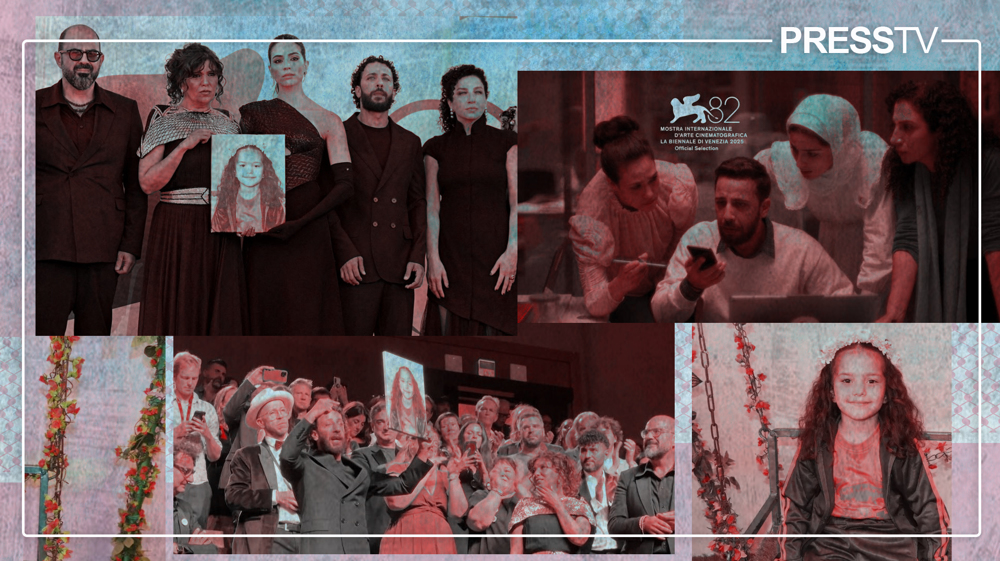
After the screening, as chants of “Free Palestine” reverberated through the Venice theatre, docudrama actor Motaz Malhees raised a Palestinian flag in the gallery.
The gesture ignited the crowd, prompting many audience members to wave flags in a show of solidarity with the people of Palestine and Gaza amid the Israeli-American genocidal war.
The film captured international attention after several Hollywood A-listers came on board as executive producers just a week earlier, including Brad Pitt, Joaquin Phoenix, Rooney Mara, Alfonso Cuaron, and Jonathan Glazer.
Phoenix and Mara were in Venice for the film’s photo call and premiere, where the cast held aloft a portrait of the 6-year-old Hind during the ovation.
At the press conference, the cast and crew walked into the room to yet another standing ovation.
“Enough of the mass killing, the starvation, the dehumanisation, the destruction, and the ongoing occupation. This film is not an opinion or a fantasy. It is anchored in truth,” said Saja Kilni, the Palestinian-Canadian actress who delivered a pivotal performance in the film.
She added with a visible emotion, “Hind’s story carries the weight of an entire people. Her voice is one among tens of thousands of children who were killed in Gaza in the last two years alone. It is the voice of every daughter and every son with the right to live, to dream, to exist in dignity. Yet all of it was stolen in front of our unblinking eyes.”
The film’s structure
The Voice of Hind Rajab unfolds largely in the offices of the PRCS, 52 miles away from Gaza City.
Actors play the volunteers, based closely on the real first responders who spoke to Hind. But the film’s most tragic choice is that Hind’s voice is not acted. It is real. The crackling audio we hear is from the actual phone calls made in January 2024.
The setup resembles an urgent thriller, a race against time, volunteers scrambling, desperate phone calls, and blocked negotiations. But the child’s voice transforms it into something rawer, unbearable. “Please come get me,” she says. “I’m scared.” The audience knows she was killed, yet her pleas make it feel as though rescue is still possible, just out of reach.
An ambulance was waiting, only eight minutes away from Hind, but the PRCS could not dispatch it without Israel's approval for a route through the rubble. And since the rescue organisation could not contact the Israeli army directly, they were forced into a labyrinth of negotiations via the Red Cross and other intermediaries, but did not receive permission from the regime to save the young Palestinian girl.
Ben Hania avoids showing Hind’s actual killing by the Israeli forces.
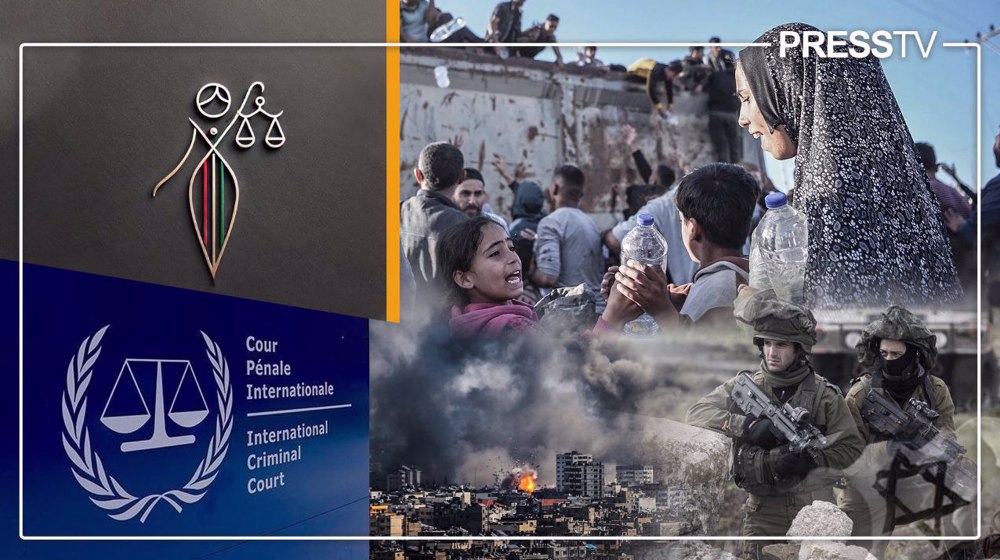
Seeking justice: The Hind Rajab Foundation's bold move
— Press TV 🔻 (@PressTV) May 4, 2025
The Hind Rajab Foundation says it has filed a war crimes complaint with the International Criminal Court against the Israeli soldier responsible for the murder of Palestinian girl, Hind Rajab. pic.twitter.com/hC33yT6gES
The movie focuses on the unbearable distance where the volunteers are helpless, unable to alter what is happening. They try to call everyone they can think of, come up with alternative plans, but minutes tick by as Israel bars them from reaching the young girl.
PCRS volunteers try to comfort Hind with small talk. She tells them her class is called Butterfly. Her school is named A Happy Childhood. Then she describes the Israeli tank, "it is beside the car, and it is getting closer."
The final act shifts abruptly from dramatisation to documentary. The audience sees footage of Hind’s mother, speaking through grief. Home videos show Hind alive, playing by the sea.
The audience was left visibly shaken, carrying Hind’s voice and the story with them long after the film ended.
The real tragedy behind the voice
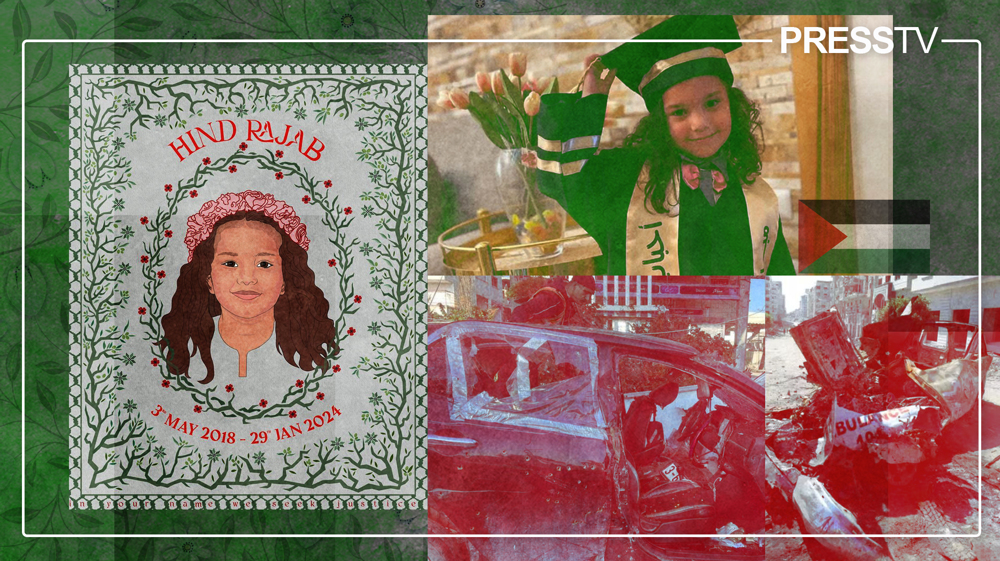
The docudrama is closely linked to the broader tragedy that took place on 29 January 2024.
Hind's uncle, Bashar Hamada, had decided to flee southern Gaza with his family to escape Israel’s bombardment. Driving toward what was designated a “safe zone", they were stopped by the Israeli forces in the Tal Al-Hawani neighborhood.
The regime's troops opened fire on the car, killing Bashar, his wife, and three of their children instantly. Only two children survived the attack: Hind and her 15-year-old cousin, Layan.
Layan’s courage in that moment was extraordinary. With her family murdered beside her, she found the strength to call the PRCS for help.
Her last recorded words were: “They are shooting at us, the tank is next to me, we are in the car next to the tank.” The call ended in screams, gunfire, then silence. She, too, was killed by Israel.
Then Hind, alone, remains in the vehicle, surrounded by corpses and Israeli military tanks. For hours, she clung to the voice on the other end of the line.
A PRCS worker later said Hind’s case was one of the most painful of her career, a situation that made her feel utterly helpless. The thought of a child trapped with six dead bodies, whispering for rescue, was unbearable.
By the following Monday, the Red Crescent confirmed that Israeli forces had confined Hind inside a vehicle at the Fares Gas Station area in Gaza City, after murdering her family. Finally, she was also killed by the regime’s forces. Days later, her body was recovered.
Anniversary of Hind Rajab's martyrdom
— Press TV 🔻 (@PressTV) January 31, 2025
@HamdounRachel reports from New York. pic.twitter.com/xRTFN3thAF
A mother’s cry
While Hind’s story has moved the world, her family’s suffering continues. Her mother remains in Gaza with her surviving five-year-old son.
Tanks surround their neighbourhood while hunger and bombardment have become part of daily life, with no food or water.
Hamada issued an urgent plea: “This could be my last cry for help. I am begging every influential person, every celebrity, every connection to save me… Tanks have surrounded our neighbourhood. We must leave, but we have nowhere to go… I want to live. I want to protect my family. Please save us.”
Her words echo Hind’s cries for help in a world bearing witness to the ongoing genocide.
In Venice, as audiences wept, one truth was unmistakable: Hind’s voice has outlived her killers. It has reached the world’s most prestigious stages, resonating with actors, critics, and festival juries alike.
While cinema cannot bring Hind back, it can amplify what the world has failed to address. It ensures her voice is not silenced, her pleas continue to confront consciences, and her story embodies the suffering of Palestine’s children who have been denied a safe childhood.
Arbaeen 2026 becomes statement of unity and resilience amid US-Israeli war on Iran, resistance axis
First black stork spotted in Western Iran’s Zaribar Wetland, marking an environmental milestone
Old playbook, new 'victim': Iranian woman declared ‘killed’ appears alive, foiling unrest plot



VIDEO | Gaza buries 112 Palestinians killed by Israel, bodies recovered after nearly three years
VIDEO | Gaza hospitals struggle to treat burn victims amid Israeli attacks, aid restrictions
VIDEO | 'The US cannot teach us about sovereignty': Palestinian political analyst
US-led ‘Board of Peace’ violates terms for Israeli withdrawal from Gaza
Iran-Oman bilateral talks on Strait of Hormuz progressing positively, FM spokesman says
Indian ship hit and sunk after attack off Yemen in Red Sea: Reports
Spain returns 70,000 migrants to Morocco as EU backs Madrid’s response to Ceuta crisis
VIDEO | Press TV's news headlines


 PressTV NEWSLETTER
now
PressTV NEWSLETTER
now
 This makes it easy to access the Press TV website
