Revealed: How Iran unmasked Israeli drone operators, downed costly UAVs during war
By Masoud Khalili
While hiding behind technology and secrecy to run their flying death machines, Israeli drone operators were being quietly watched by Iranian intelligence operatives all along.
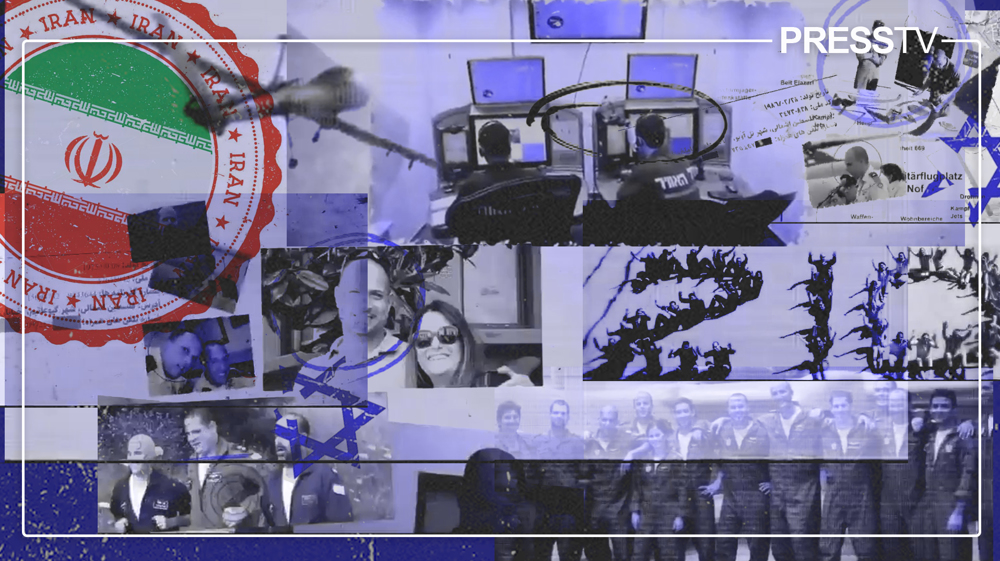
In a stunning revelation on Saturday, Iranian national television detailed the most recent coup by the intelligence apparatus – the uncovering of comprehensive dossiers on Israeli drone operators during the recent 12-year war, including their exact whereabouts and personal details.
The report showed how Iranian intelligence operatives had penetrated so far and so deeply into the regime’s unmanned aerial vehicle (UAV) command and control system that they became capable of sending warning text messages directly to the operators themselves.
“Your professional identity has been exposed. Cooperate with us and be rewarded, or be killed,” read one such message sent to operators during the regime’s unprovoked and illegal war on the Islamic Republic in June.
The SMS bore a sender ID from inside the occupied Palestinian territories. Zionist media outlets, including Yedioth Ahronoth, quickly published detailed reports on these messages, which also contained the recipients’ personal data.
Targeted individuals included Ofir Tseler and Eden Berter, a settler from Tel Aviv, whose full profiles, including phone numbers, had been revealed.
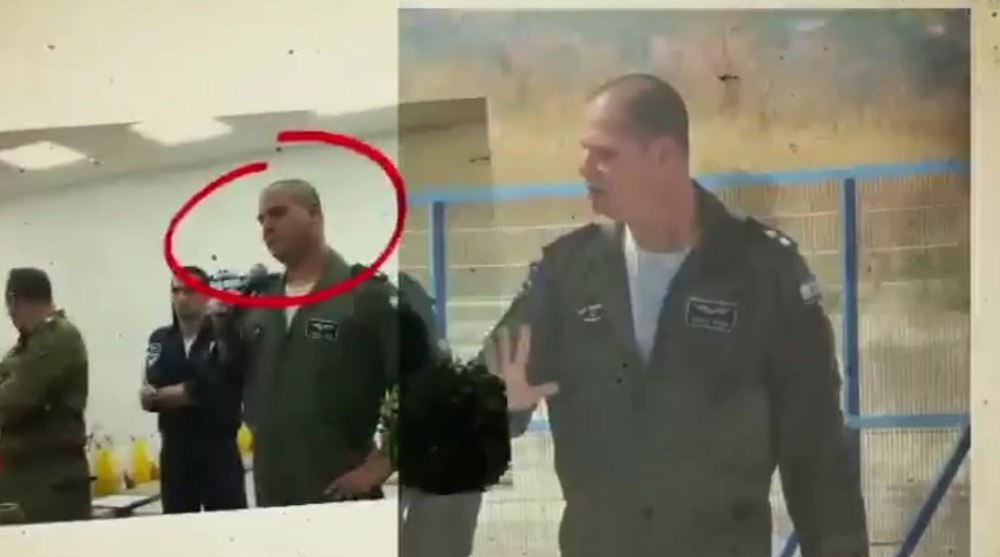
Another was Ofir Eisler, whose name, date of birth, private numbers, and residence in the occupied city of Giv’atayim, east of Tel Aviv, had also been exposed to Iranian operatives.
Other examples included details of the Israeli Air Force’s Squadron 210 at the Tel Nof Airbase, the regime’s oldest and main outpost. Information on their operations, the meetings they had held, images of drone assembly processes, and close-up photos of engines and internal technology were obtained from vantage points Tel Aviv had never imagined.
Equally visible were aerial shots of hangars, multiple angles of shelters, visits by commanders, operator reports to commanders, flight engineers, and operational histories.
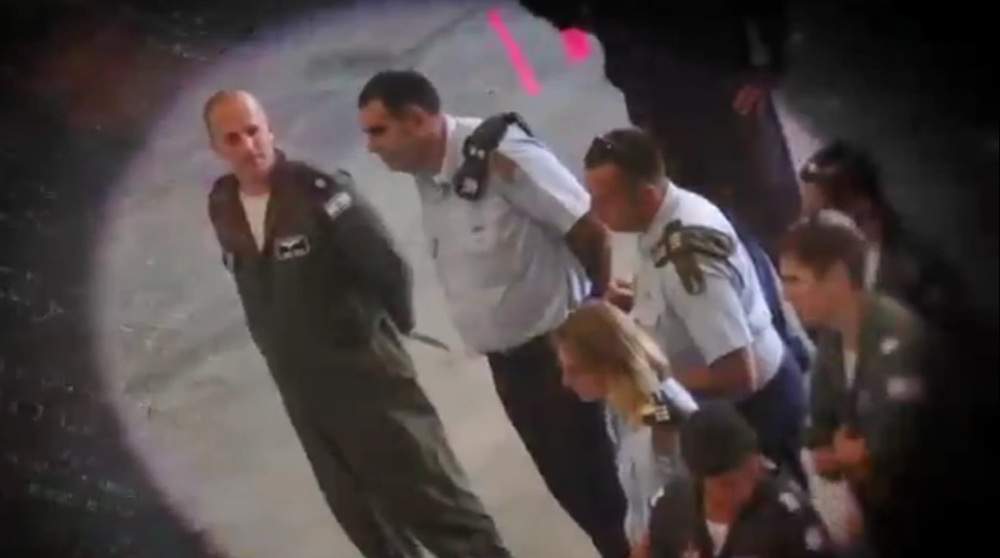
The faces behind the Israeli regime’s drone warfare have now come to light, with uncovered details even including the number of operators’ children, if any, and pictures of their celebratory posing for photographs inside their bases.
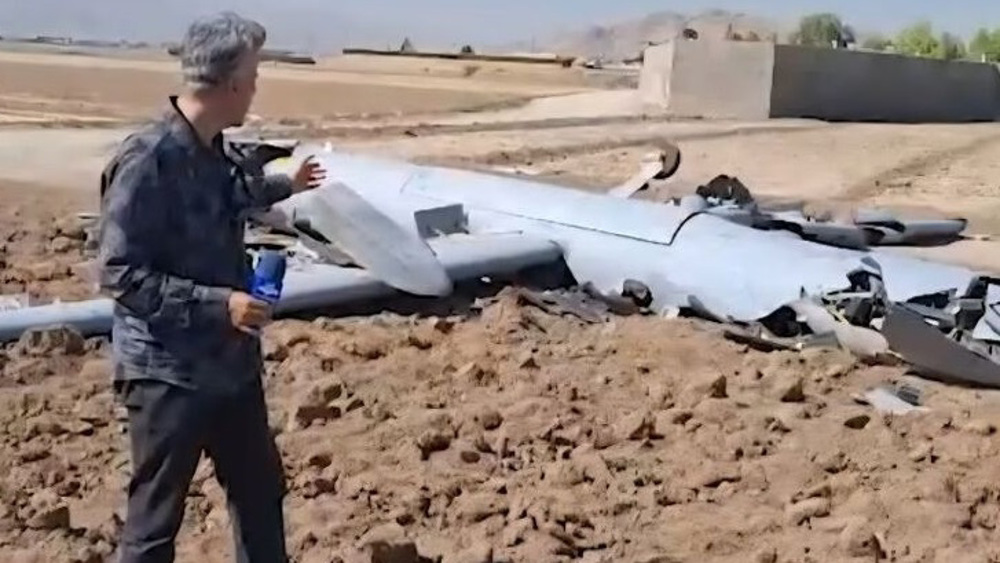
The broadcast came on the heels of footage of downed Israeli Hermes drones. Both the harbingers of death – deployed to ensure zero human losses for the aggressor while guaranteeing maximum death and destruction for the victims – and those operating them are now sitting targets.
The TV broadcast, meanwhile, carried a chilling piece of information that the regime could perceive as the most uncomfortable revelation to land on its lap following the humiliating defeat.
It noted that some of the intelligence that aided the Iranian ministry of intelligence in its latest breakthrough had been “leaked by pilots who opposed Israeli Prime Minister Benjamin Netanyahu’s policies and had found their lives ruined” by his decisions.
After helping the Zionist entity force itself upon the Palestinian territories in 1948, its Western allies, especially the United States and the United Kingdom, have continued to provide unwavering financial, military, and political support.
These allies have flooded the regime with arms and lethal technology. The sheer extent of this arms support drove the regime to attempt to outpace even its Western sponsors in the field of death technology.
In 1973, it operated the Tadiran Mastiff, a battlefield UAV sometimes billed as the world’s first modern military surveillance drone. The aircraft was powered by a German-made Limbach Flugmotoren two-cylinder, two-stroke engine, driving a two-blade propeller crafted in San Clemente, California.
From then on, the occupying entity has rushed to arm itself with cutting-edge drone technology, including models like the Hermes 900, used for both surveillance and targeted strikes.
The same killing machine, with a staggering \$10-million price tag, was, however, downed during the 12-day war between June 13 and 25 by Iranian armed forces, further empowered in their defensive prowess by the nation’s powerful intelligence apparatus.
Israeli official admits Iranian capture of drones worth ‘hundreds of millions’ of dollars https://t.co/tBal5Jo4zb
— Press TV 🔻 (@PressTV) June 30, 2025
The aircraft was shot down in mid-June at the height of the war in the central city of Isfahan, which hosts critical nuclear and military infrastructure.
Overall, such wartime triumphs saw Iranian forces bring down, by Israeli officials’ own admission, drones worth hundreds of millions of dollars in total.
As portrayed in the broadcast itself, these drones have become subjects of reverse engineering – an experience Iran had already demonstrated with the American RQ-170.
The counter-warfare feat stands as the culmination of the Islamic Republic’s determined struggle since 1979 to resist the regime’s barbaric war methodology.
The Islamic Republic has developed and deployed advanced air defense systems, such as the Bavar-373, to intercept and destroy hostile UAVs. It has also conducted cyber and intelligence operations to infiltrate Israeli military networks and retrieve sensitive information, enabling it to unveil further masterstrokes.
✍️ Viewpoint - ‘No longer safe’: Iran’s new intelligence breakthrough exposes Israel’s 'flying assassins'
— Press TV 🔻 (@PressTV) August 3, 2025
By Masoud Khalili https://t.co/tkGatfLFfK
These include retrieving troves of intelligence on critical Israeli nuclear, military, and industrial infrastructure, as well as exposing full profiles of air force pilots and commanders.
The dissemination of drone operators’ personal data is not merely an intelligence victory; it is also a psychological maneuver, sending a clear message to Israeli personnel: “Your actions have consequences.”
This, in turn, sets off a series of implications across the global balance of power, with the Islamic Republic now capable of striking fear into the Zionist entity about the future of its carefully groomed or otherwise concealed war machine masterminds and operators.
Iran's Parliament speaker vows ‘no self-restraint’ in any future war https://t.co/5fPXKQLqLr
— Press TV 🔻 (@PressTV) August 26, 2025
These implications were clearly echoed in remarks made by Speaker of Iran’s Parliament, Mohammad-Baqer Qalibaf, on August 26, when he vowed that the Islamic Republic would not observe self-restraint in any future war imposed on the country.
“In case of any [renewed] enemy encroachment, [Iran’s retaliation would cause] warfare to transcend into new regions and areas, such as economic and political spheres,” he warned.
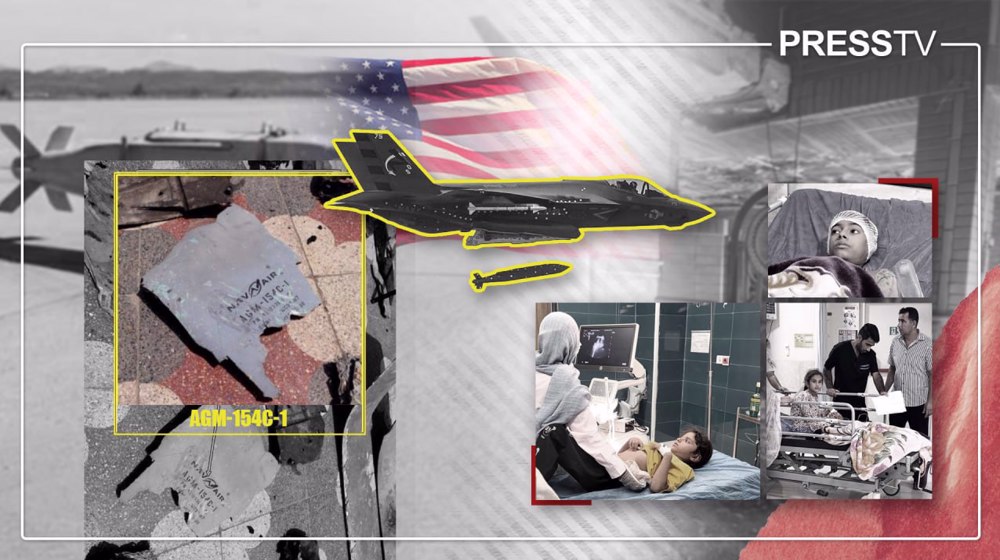
Art of killing innocents: How US ‘precision’ missiles turned southern Iran wedding into a massacre
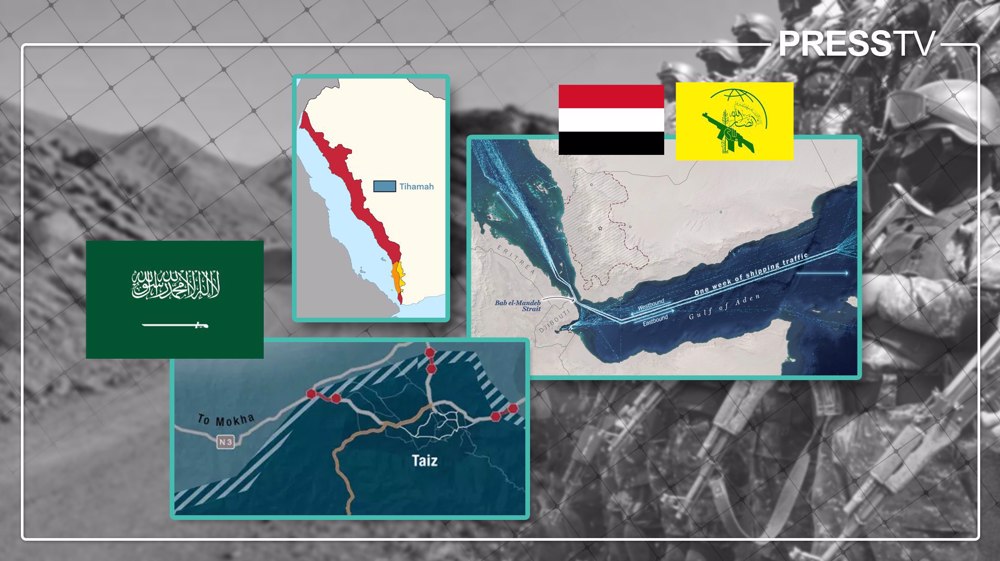
Sana’a strikes back: How Yemeni military’s lightning advance redrew the Red Sea's strategic map
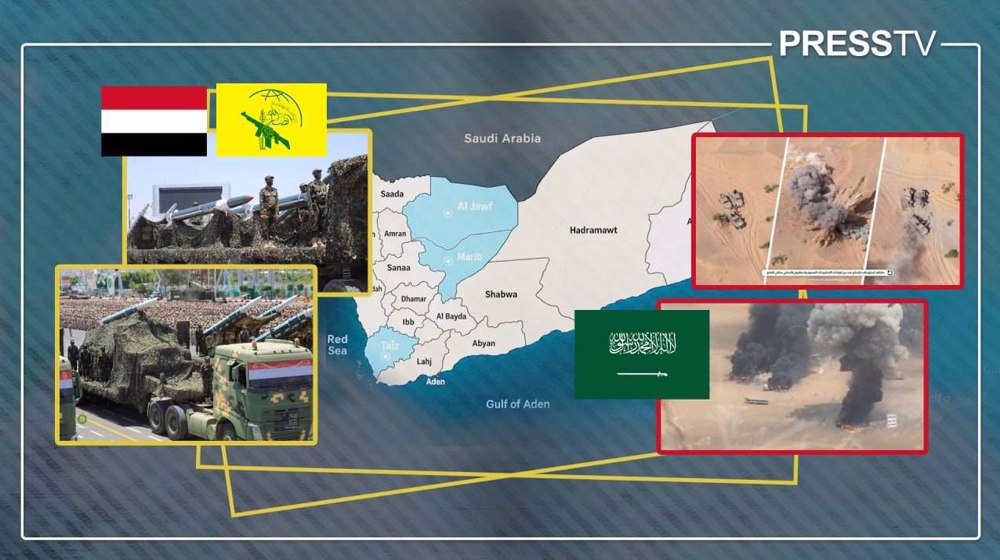
Inside Yemen’s new warfront: Ground advances, precision strikes, and a rising cost for aggressor



VIDEO | Press TV's news headlines
Iran FM hails China consultations as ‘successful’
VIDEO | 200 nights: Streets never emptied
VIDEO | Washington's war of contradictions
VIDEO | Bessent proves US is the outcast
VIDEO | US grappling with rising cost of war on Iran
‘The American age is over’; Iran war exposes limits of US global military power: US magazine
Ansarullah: Yemenis are the true defenders of holy sites


 PressTV NEWSLETTER
now
PressTV NEWSLETTER
now
 This makes it easy to access the Press TV website
