Pentagon drone-swarm program aimed at countering China faces setbacks: Report
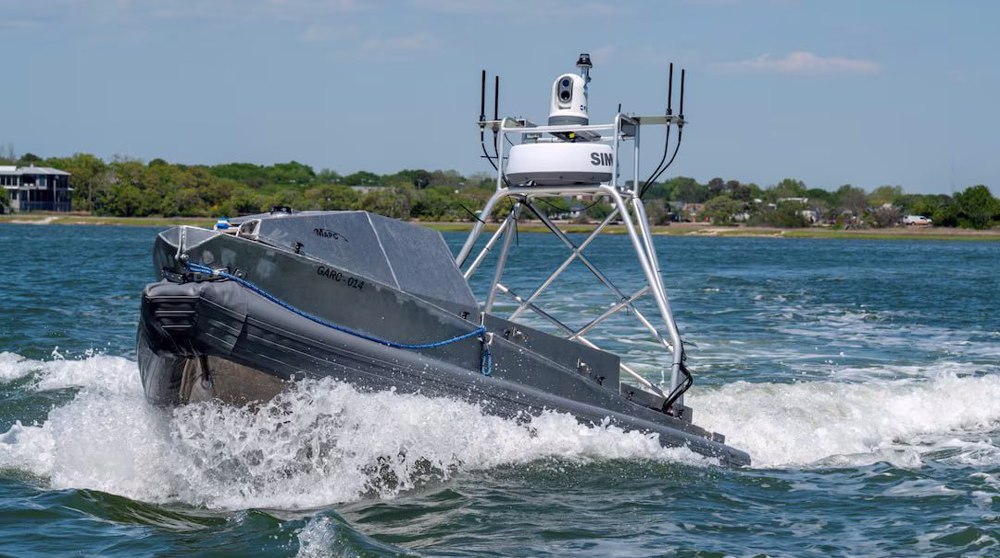
The US Navy has been pouring billions of dollars into a fleet of autonomous drone boats to counter China, but recent tests have ended in crashes and chaos, a new report has revealed.
US military leaders have repeatedly said they need to build an autonomous naval fleet to hinder a potential advance by China across the Taiwan Strait.
Citing people familiar with the program, Reuters said that the ambitious program is "not going well."
During a test off California last month, one of the Navy’s top prototype drone vessels stalled mid-ocean before another slammed into it, vaulted over its deck, and crashed back into the water, according to videos seen by Reuters.
Weeks earlier, another drone suddenly accelerated while being towed, capsizing a support boat and tossing its captain into the water.
Both incidents were caused by software breakdowns and operator errors, people familiar with the program said.
Since the most recent mishap, the Pentagon has indefinitely paused a $20 million contract with defense giant L3Harris, one of the companies providing autonomous software for the vessels.
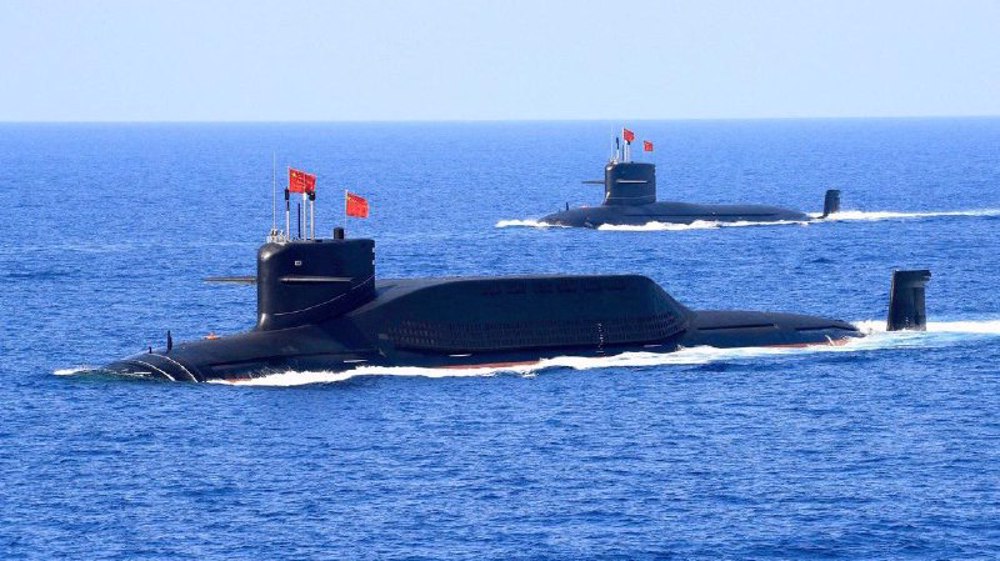
Despite the setbacks, Washington continues to promote these costly drone swarms as what it calls essential for future conflict.
Since returning to office in January, President Donald Trump has made the program a top military priority, with his latest defense bill allocating nearly $5 billion for maritime autonomous systems.
While the US struggles to get its drone fleet working, China’s drone swarms are becoming “smarter, faster, and harder to shoot down,” according to a report earlier this month.
The South China Morning Post reported that Chinese aerospace engineers have proposed a breakthrough upgrade for the army's drones.
The research introduces a “terminal evasion” system that equips small to medium-sized drones with compact, side-mounted rocket boosters, allowing them to execute abrupt, high-G maneuvers in the final seconds before missile impact, disrupting tracking algorithms and causing incoming warheads to detonate in empty space.
Military experts say the upgrade could redefine swarm warfare. By transforming individual drones from expendable units into more resilient strike platforms, China could field swarms capable of overwhelming advanced air defenses.
The improvements could turn China’s previously cheap, disposable drones into durable strike formations, raising doubts about whether the US Navy can keep pace.

Iranian armed forces inflicted ‘serious damage’ on US warships: Senior commander
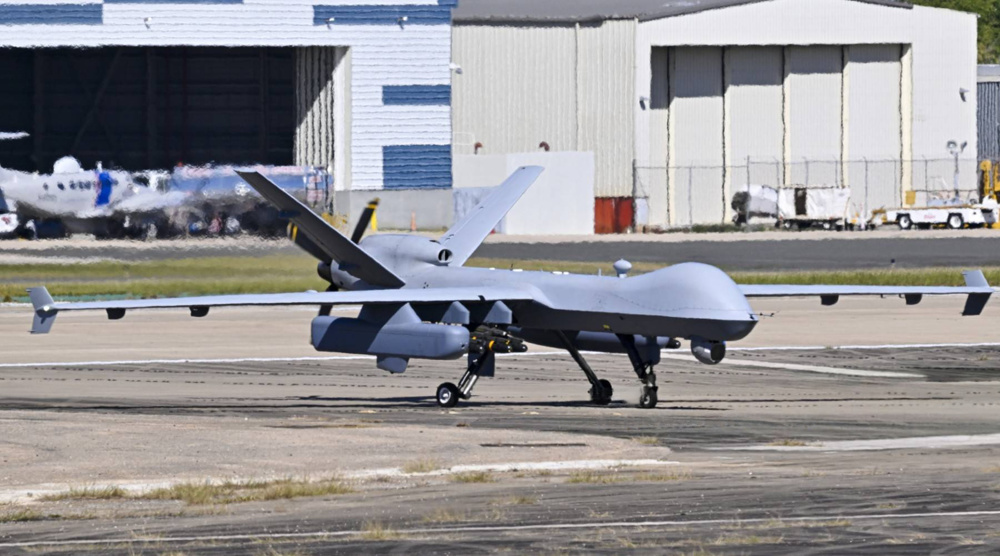
Iran downs 52nd US MQ-9 drone over Qeshm Island in latest blow
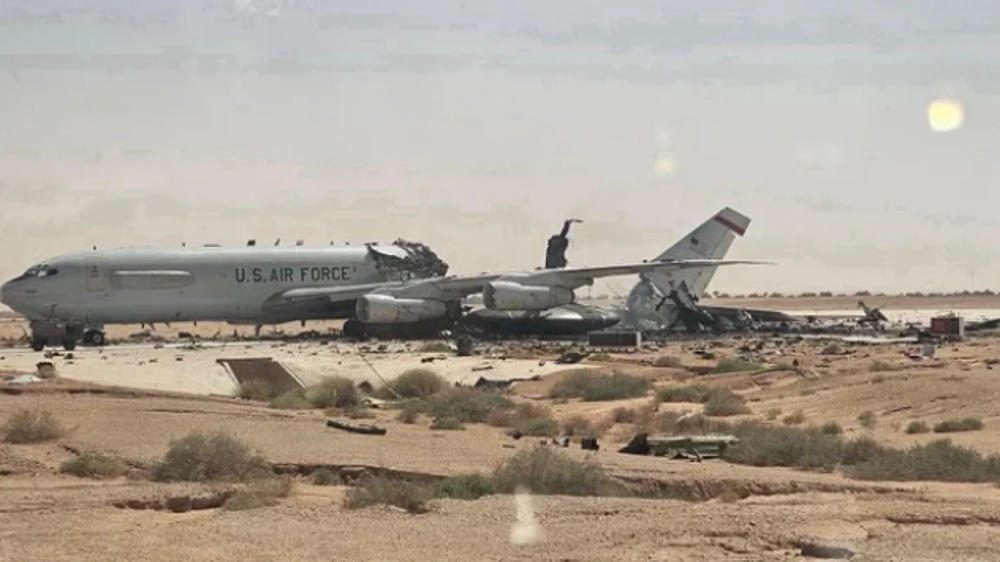
New photos reveal Iranian strikes inflicted extensive damage to US targets in West Asia



VIDEO | Press TV's news headlines
Israel seeks US 'compensation' over Saudi F-35 deal: Report
Saudi Aramco halts European crude supplies amid disruption to key oil route
VIDEO | Venezuelan protesters demand transparency over oil deal with US
Appeal filed for Press TV's Naqaa Hamed as Israel prolongs her unlawful detention
15 nations reject attacks, threats against safeguarded nuclear facilities
VIDEO | Tabriz hosts 26th Iranian annual nuclear medicine congress
Two years after Israel’s pager terrorism in Lebanon: Scars, loss, and the will to carry on




 PressTV NEWSLETTER
now
PressTV NEWSLETTER
now
 This makes it easy to access the Press TV website
