‘In Tehran’s ruins, I found resilience’: A US journalist-activist’s firsthand post-war account

By Calla Mairead Walsh
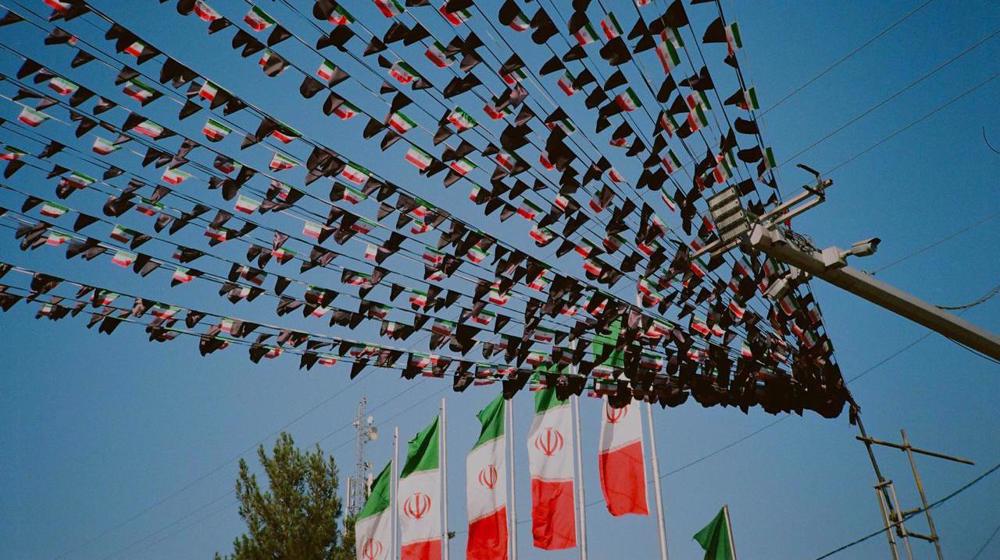
"The war has made us stronger than before" was the prevailing sentiment echoing through the streets of Tehran while I was there in mid-July 2025.
I was a member of the first group of foreign journalists that entered Iran after the 12-day imposed war, to bear witness to the destruction caused by the unprovoked Israeli-American aggression, and the resiliency of an undefeated people.
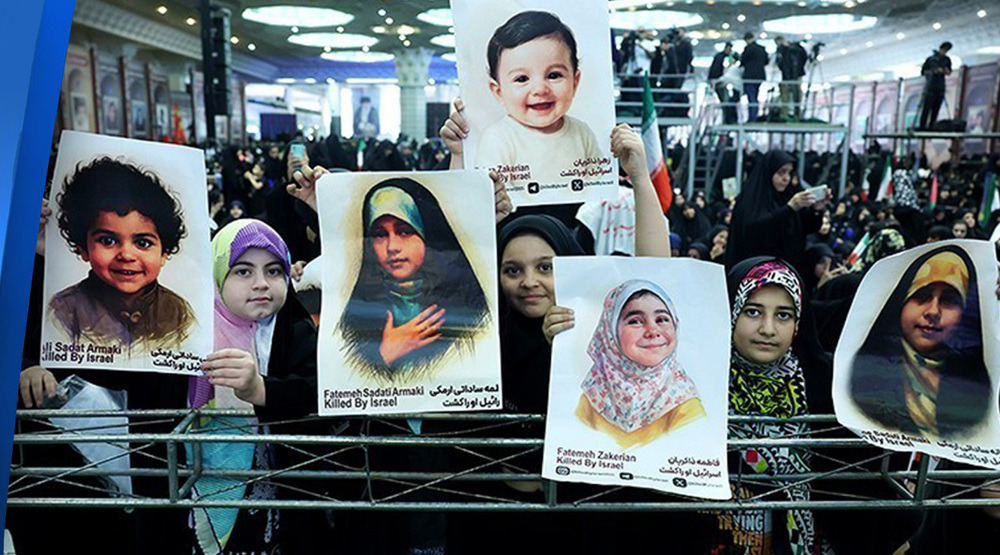
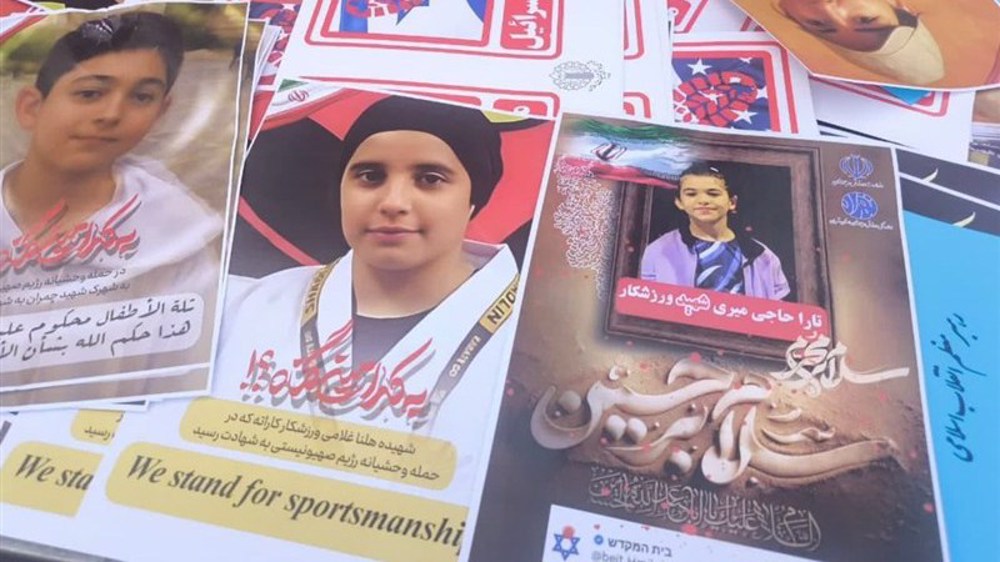
The aggression, launched in the middle of sham nuclear negotiations, martyred 1200 Iranians and wounded 4000 others, mostly civilians, but also off-duty senior military commanders and nuclear scientists who were targeted in the first wave of airstrikes.
Iran quickly recuperated, then launched its stunning response, dubbed Operation True Promise III, with a barrage of ballistic missiles and drones overwhelming the much-hyped Israeli air defense systems and striking key military, intelligence, industrial, and energy targets in the heart of the Zionist entity.
On June 21, the US intervened with airstrikes on three Iranian nuclear enrichment facilities, which US President Trump ridiculously said "completely and totally obliterated" those sites, a claim rebuked even by US intelligence.
On June 24, Trump announced a unilateral ceasefire on behalf of the Israeli regime, which was accepted by the Iranian government.
Visiting the ruins of targeted buildings
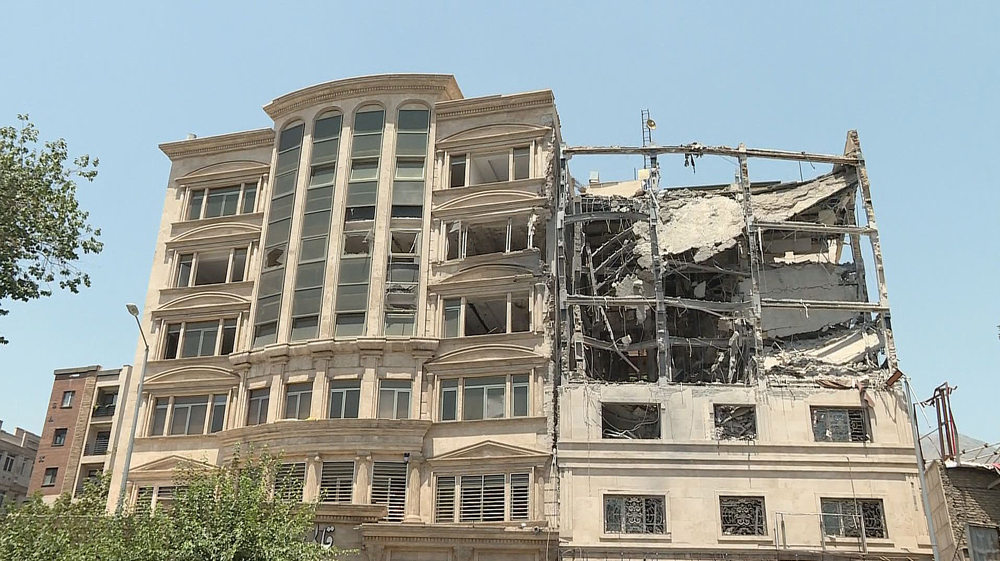
We visited the ruins of the IRIB news building, struck by eleven missiles while reporters were live on air, and the Evin Prison and its hospital, where 79 people were killed in one attack.
We saw the wreckage of an Iranian Red Crescent ambulance in Haft-e Tir Square, targeted in a massacre of three paramedics, and the rubble of several nuclear scientists' apartment buildings where they, their families and neighbors were martyred.
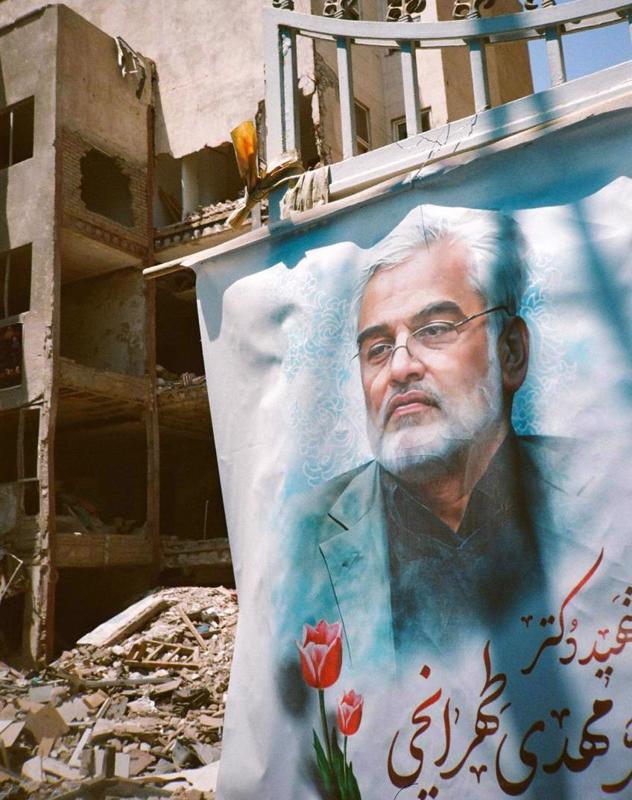
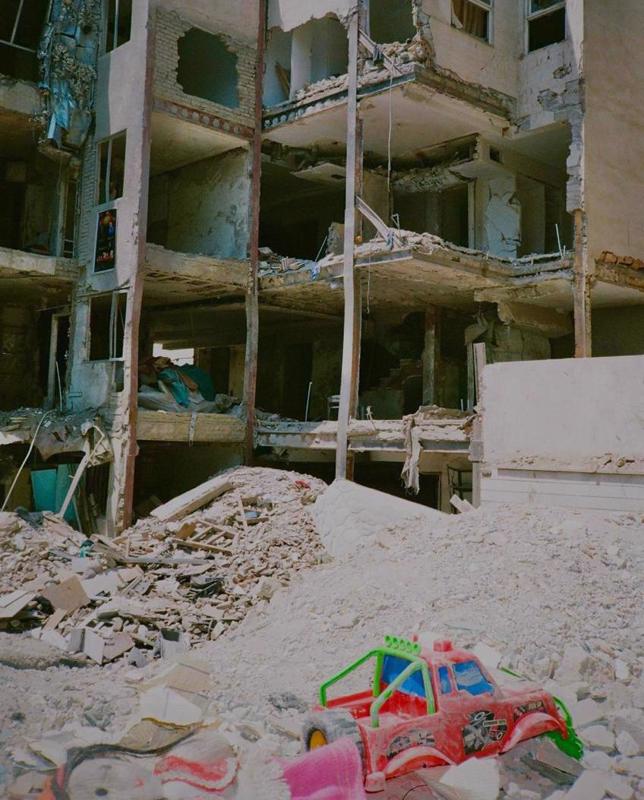
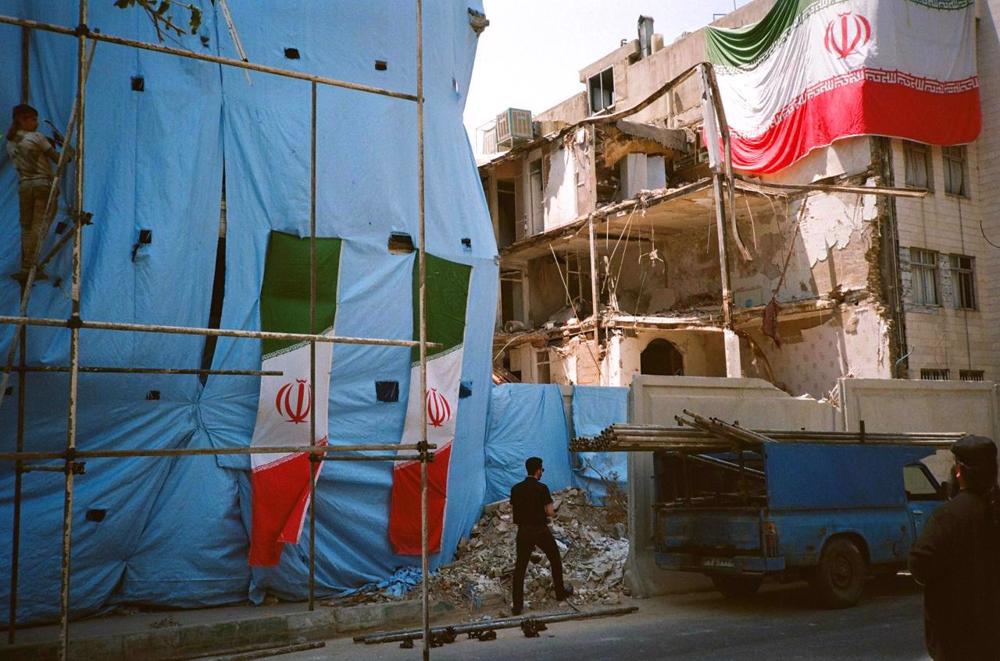
Upon our arrival, I was surprised to see how many people were going about their daily lives as usual, so soon after horrific Zionist war crimes struck the heart of the capital.
Streets, museums and shopping centers were not paralyzed but bustling with activity. After living through a neocolonial dictatorship, the 8-year imposed war with Western-backed Iraq, and decades of Western sanctions, sabotage attacks, cowardly assassinations, and “regime change” attempts, the Iranian people are undoubtedly resilient in the face of imperialist warfare.
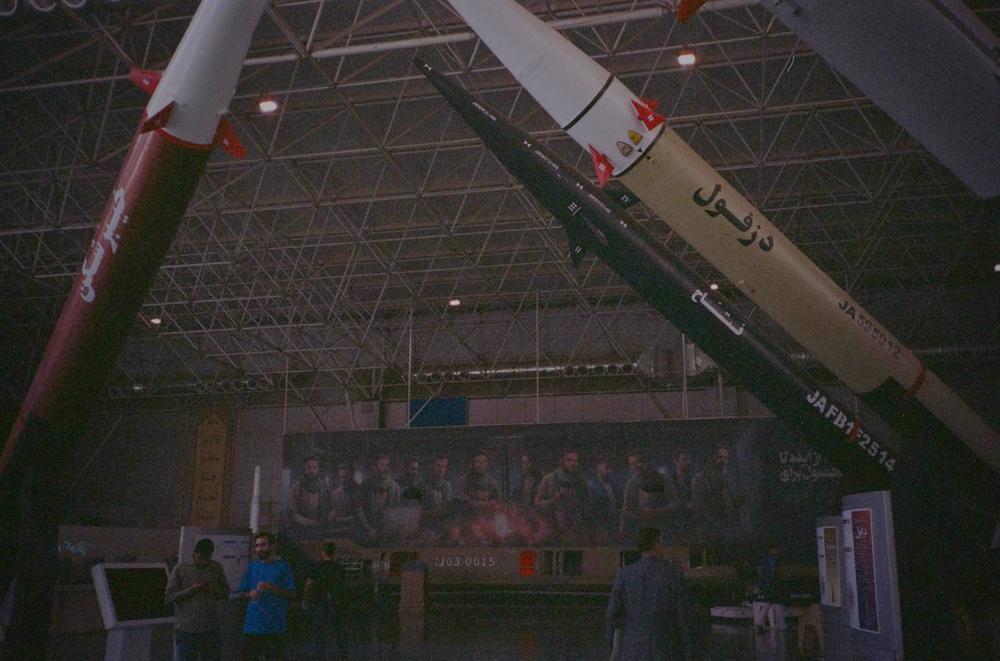
Iran's national pride and revolutionary optimism regarding the future is best symbolized in the Islamic Revolution Guards Corps (IRGC) Aerospace Park, exhibiting the country’s indigenously-produced missiles, air defense systems, drones, and space technologies, where we stopped on the first day of our trip.
Some of these missiles were debuted in Operation True Promise III, but the most powerful and advanced are yet to be used. Many Iranian drones have been reverse-engineered, the remnants of which are also displayed in the exhibition hall.
Recent reports indicate the tables have turned, and the US is now copying Iran's Shahed-136 suicide drone. Trump was also recently heard praising Iran's progress in the drone industry.
Another symbol foreshadowing imperialism's inevitable casting away into the dustbins of history is the former US Embassy in Tehran.
Now called the Den of Espionage Museum, with a room honoring anti-imperialist heroes ranging from Malcolm X, Mao Zedong, and Che Guevara to Qassem Soleimani, Yahya Sinwar, and Sayyed Hassan Nasrallah, it is more like stepping inside the future these men sacrificed their lives for than the past.
Coming from the US, I couldn't help but think about what a major oversight it is that the Western student movement doesn't study or uphold the Islamic Revolution, especially the 1979 student takeover of the US Embassy, given that it was one of the most successful resistance actions ever taken by any student movement, and Ayatollah Seyyed Ali Khamenei repeatedly addressing Western youth in his letters.
As a young journalist and anti-imperialist organizer, I was most interested in learning about the sentiments of Iranian society — the popular cradle of resistance — and also how to dismantle the pervasive, Orientalist misunderstandings of Iran held by people in the West, including some anti-Zionist activists.
With the mainstreaming and defanging of the pro-Palestine position in the West, and the NGO-ization of the Palestine solidarity movement, unfortunately, it has not only been imperialist governments, but also some people within the solidarity movement, reinforcing a rhetoric that justifies Iran's state collapse.
During the war, many Western-based activists and organizations released statements condemning only the attacks on Iranian civilians, or condemning what they called "Israeli and Iranian fascism," which in itself is a genocidal equation.
This rhetoric is not far off from that of the wanted war criminal, Zionist Prime Minister Benjamin Netanyahu, who broadcast a message to the "Iranian people" soon after launching the attack, calling for Iranians to take to the streets, citing the "Women, Life, Freedom" slogan.
The Zionist entity also attempted to hack the Iranian TV to broadcast footage of the 2022 Western-backed riots. Netanyahu claimed, "Israel's fight is not against the Iranian people. Our fight is against the murderous Islamic regime that oppresses and impoverishes you," all while indiscriminately massacring Iranian civilians.
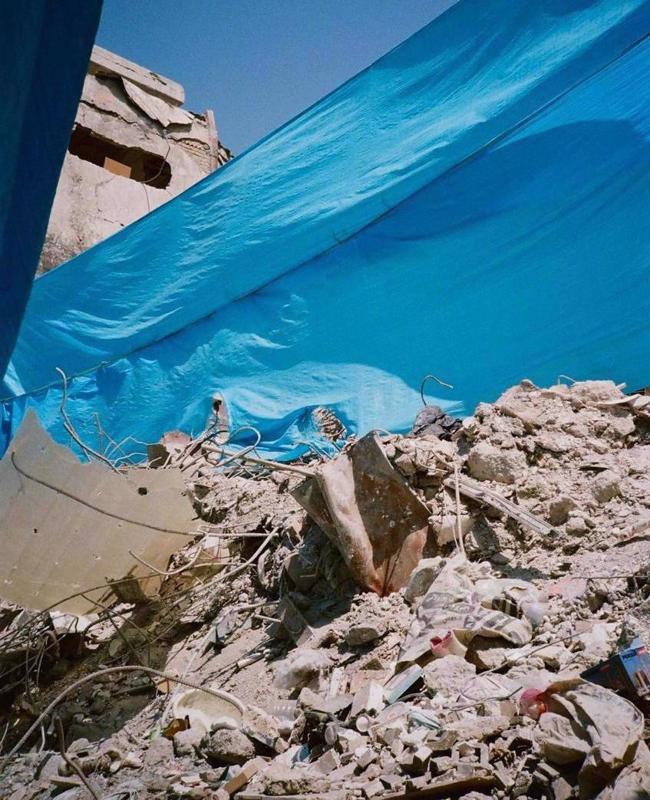
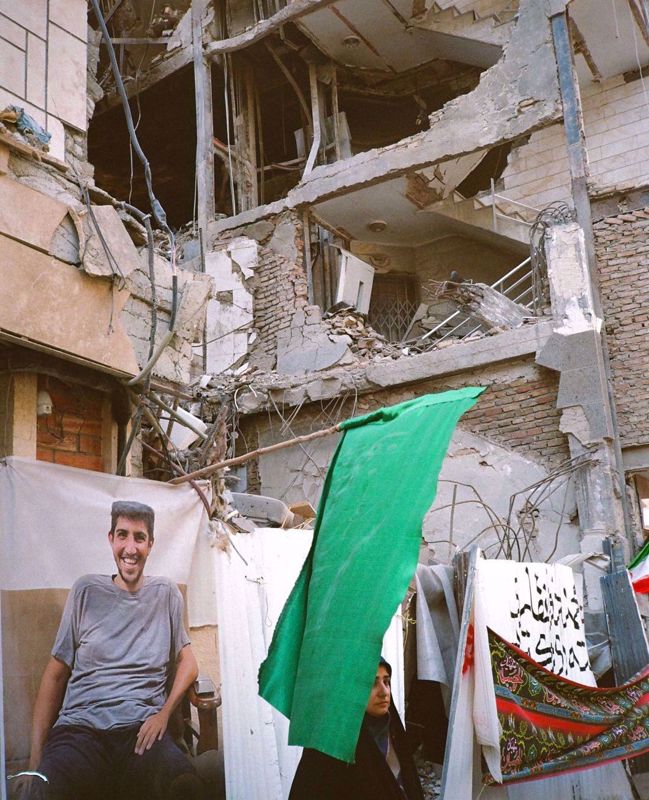
However, it is not only the direct attacks on civilians, but also every attack on non-civilian infrastructure, on military personnel and nuclear facilities, that represents violence against the entire Iranian people, and deserve to be condemned, because the Iranian state and its military apparatus are the main bulwark defending its population, and the entire region, from Zionism, imperialism, and Arab reaction.
This is why Iran is rightfully viewed as such an existential threat by the West.
The US and the Zionist entity are illegitimate fascist entities built through the same settler colonial blueprint, whose continued existence is predicated on endless war and genocide, whereas the Islamic Republic of Iran, and its allies in Palestine, Yemen, Lebanon, and Iraq (and, until recently, Syria) are the only forces in the world militarily resisting them.
These West Asian societies date back thousands of years, while "Israel" (77 years old) and the "United States" (249 years old) are ugly specks of pestilence in history that can and will be defeated.
Iran is the only country in the world whose constitution explicitly requires it to support Palestine and resist Zionism. The anti-Iran position held by some in the Palestine solidarity movement is ahistorical, unaligned with the stances of the armed Palestinian resistance, and a result of the liberal siloing of Palestine into a single issue, severed from any analysis of its position in the global system of US-led imperialism.
Another result of this liberal siloing and lack of a broader geopolitical analysis is the dangerous notion that this attack was somehow the Zionist entity going rogue or defying the US; that it is "Israel" controlling the US, and not the other way around.
The entire attack was facilitated with not just US backing but its direct participation, using the Zionist entity once again as its attack dog in the region.
Standing in the rubble, I could only think about how the weapons causing this destruction are built by people in factories in our neighborhoods in the US, Canada, and the UK, which is why continued direct action by groups like Palestine Action is so necessary — to open up fronts against imperialism wherever it rears its head.
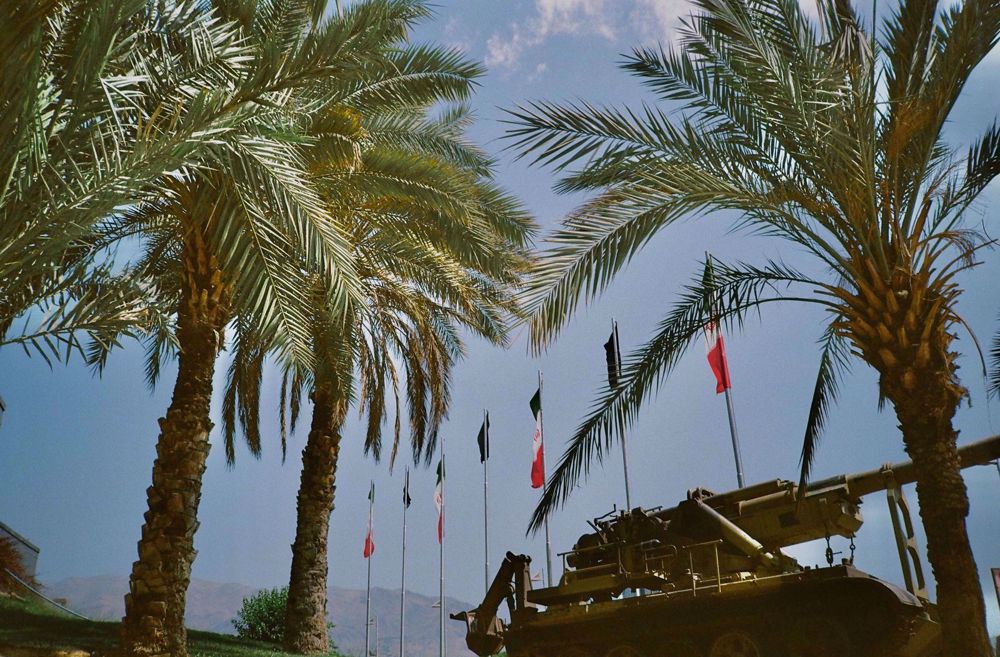
The pockets of destruction I saw in Tehran are what the entirety of Gaza looks like today. Just like they have in Gaza and Lebanon, they want to massacre Iranian journalists, medics, civilians, and resistance fighters.
More precisely, though, it is the Syria playbook — fueling regime change, sectarian violence, and the total gutting of state sovereignty — that the US-NATO-Zionist axis of imperialism wishes to apply to Iran, to fulfill their ultimate goal of collapsing the entire Axis of Resistance, its supply chains, and networks of coordination, expanding the "Greater Israel" project, and crushing any and all alternatives to imperialist hegemony.
However, I left Iran feeling more confident that this attempted collapse would fail, and instead only backfire and bring about Zionism’s ultimate downfall, which has already been catalyzed by the earth-shattering Operation Al-Aqsa Flood.
Iran is an incredibly complex and debative society that, like every society, contains its own contradictions, but the resounding message I heard was that Iranian society is stronger and more unified than ever before — unified in defense of its sovereignty, self-determination, and gains made by the Islamic Revolution, unified in resistance to Zionism and US-led imperialism.
In the ruins of Tehran, I found incredible resilience and hope.
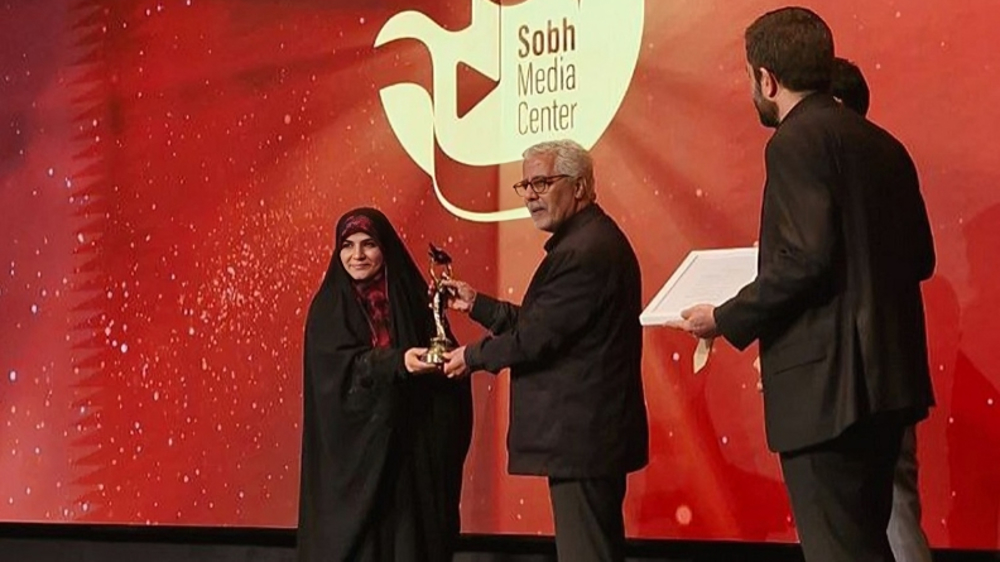
Calla Mairead Walsh is an American journalist and activist who recently visited Tehran as part of a foreign media delegation invited by the Sobh Media Center.
How Iran turned US military and economic aggression into strategic leverage to dictate terms
Remembering Sabra and Shatila massacre: Why memory is the ultimate shield against erasure
200 nights, one resilient nation: Iranian people’s epic in defense of homeland and Revolution



Iran’s military warns of ‘unpredictable blows’ in response to US threats
VIDEO | US economic war on Iran
Iran FM meets with US envoy on UN meeting’s sidelines at American side’s insistence: Report
UN chief warns Israeli violence in West Bank raises ‘specter of ethnic cleansing’
VIDEO | ‘Korea gets nothing, loses everything, with Hormuz deployment’
Iran parliamentary commission approves penalties for violators of Hormuz laws
VIDEO | Trump’s war disrupts the world
Araghchi urges world to hold US accountable for ‘war crimes’ at UNGA


 PressTV NEWSLETTER
now
PressTV NEWSLETTER
now
 This makes it easy to access the Press TV website
