Brazil, China call for stronger push against US tariff-led unilateralist onslaught
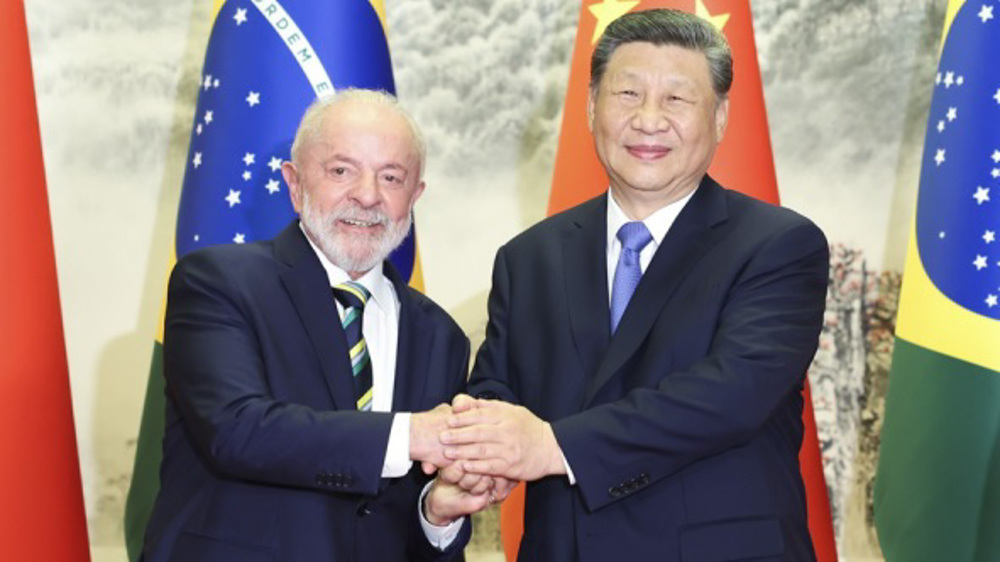
The Brazilian and Chinese leaders have held a high-stakes phone call as part of what observers call efforts to further empower the Global South’s fight against the US tariff-led unilateralist onslaught.
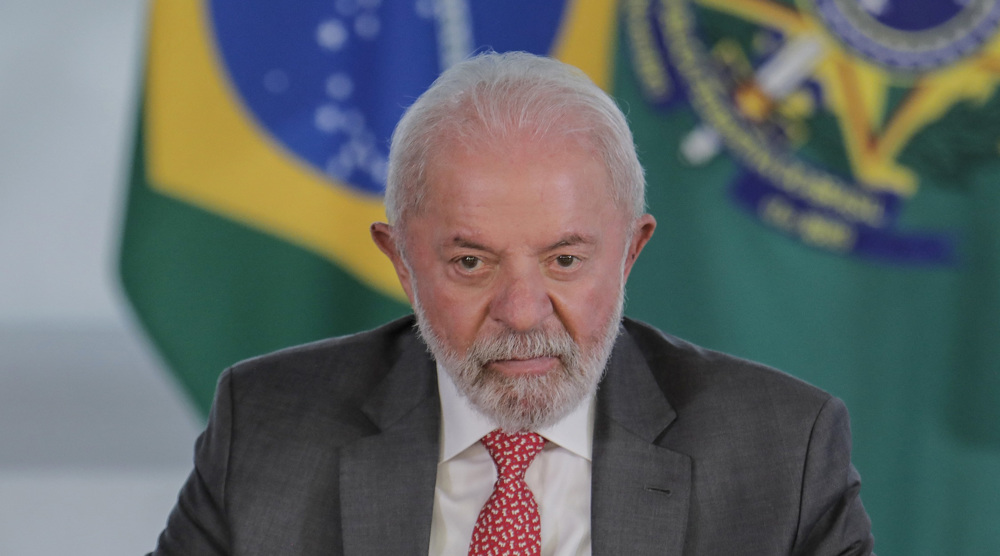
During the conversation that took place on Tuesday, Brazilian President Luiz Inacio Lula da Silva and his Chinese counterpart Xi Jinping mapped out deeper economic cooperation and vowed to wield the BRICS intergovernmental organization and the G20 international forum as spearheads in defending multilateralism.
Renewing tariff threats, Trump claims BRICS would end if it forms meaningfully https://t.co/nHqggxeFb6
— Press TV 🔻 (@PressTV) July 19, 2025
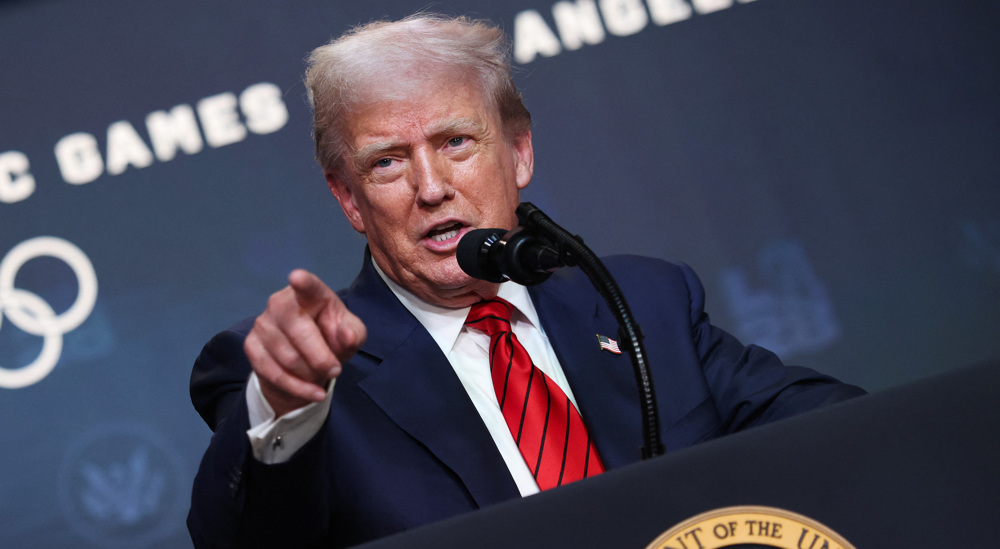
Xi made indirect references to the United States' accelerated push under Donald Trump to impose a unilateralist chokehold on the international community.
The drive has seen the American president issue an avalanche of heavy-handed tariffs against numerous countries, even Washington’s own traditional allies, threaten even heftier tariffs, and smear the BRICS as an “anti-American” bloc.
Lula, who had already begun rallying the BRICS nations to confront Trump’s tariff threats – including through a recent similar phone call with Indian Prime Minister Nrendra Modi – made it clear that Brazil would not stand idle amid the situation.
Modi and Lula discuss Trump's tariffs amid strained trade relations with US https://t.co/EBANRrL0mz
— Press TV 🔻 (@PressTV) August 8, 2025
Xi, for his part, told Lula that Beijing and Brasília could “set an example of unity and self-reliance among major countries in the Global South,” and work together to “build a more just world and more sustainable planet.”
Beyond trade: Building a Global South power axis
Both leaders underscored that “all countries should unite and firmly oppose unilateralism and protectionism,” a statement widely read as a direct challenge to Trump’s protectionist crusade.
Lula’s office said the call also spanned issues far beyond tariffs, including climate change and joint ventures in health, oil and gas, the digital economy, and satellite technology.
Experts described the call as a sign of enhanced rapport built up between the BRICS member states, chief among them their main constituent nations – Brazil, Russia, India, China, and South Africa – to cement their alliances to try to rewrite the rules of global power in favor of the Global South.
They also noted that the optimized interaction signaled that any attack on one BRICS member would be met with a coordinated and strategic pushback on the part of the entire bloc.
Araghchi welcomes Xi’s initiatives, hails China-Iran strategic partnership
Russia, China veto US backed anti-Iran resolution at UN Security Council
China rejects US ‘long-arm jurisdiction,’ says trade ties must not face third-party coercion



Persian Gulf markets plunge as Yemeni forces strike Riyadh
VIDEO | Iran war will break America
Iran Open RoboCup brings together 700 teams and around 2,000 young robotics innovators
VIDEO | News Review: Trump’s move to ban several media outlets from WH draws condemnation
VIDEO | US uses threat of drug cartels to justify Venezuela invasion: Commentator
VIDEO | Police clash with far-right protesters in The Hague
How Iran turned US military and economic aggression into strategic leverage to dictate terms
‘No restraint’ against any aggression: Iran's top military command warns US, its regional allies


 PressTV NEWSLETTER
now
PressTV NEWSLETTER
now
 This makes it easy to access the Press TV website
