How Sangan Steel embodies Iran’s industrial future
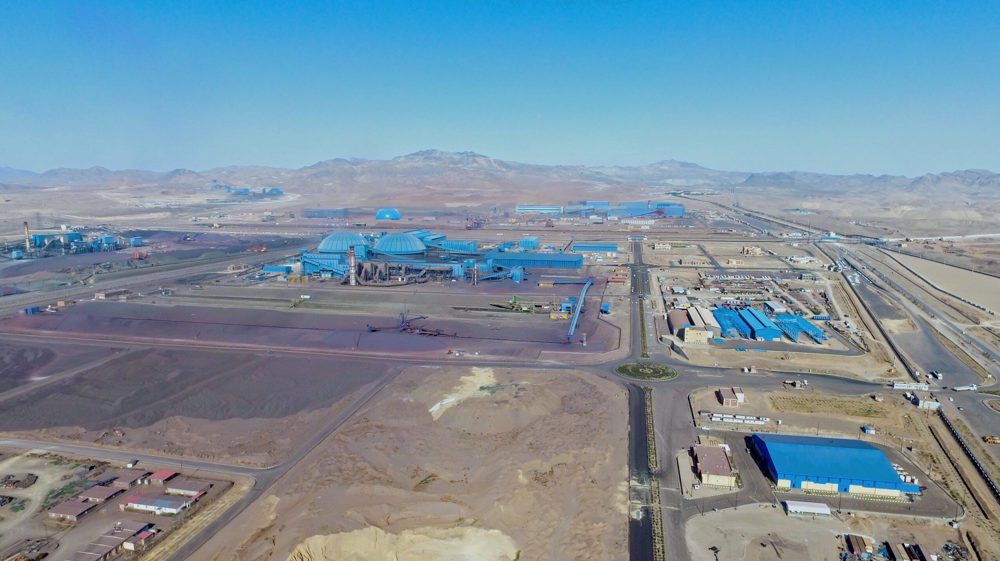
In the rolling hills of North Khorasan province, the Sangan Steel Complex quietly underpins one of Iran’s most ambitious industrial endeavors.
Sitting atop vast iron ore deposits—some of the richest in West Asia—Sangan is far more than just a mining operation. It embodies Iran’s broader aspirations for industrial self-reliance amid a complex landscape of economic sanctions.
The region is home to iron ore reserves estimated in the billions of tonnes, providing an abundant raw material base critical to the complex’s production.
Sangan manages the entire supply chain—from extraction to the production of iron ore concentrates, pellets, and ultimately steel.
Currently, the complex produces around five million tonnes of iron ore concentrate annually, feeding a domestic steel sector eager to expand.
Steel is indispensable to any developing economy, forming the backbone of essential infrastructure such as roads, buildings, and vehicles.
For Iran, developing a robust steel industry takes on added significance as the country seeks to diversify its economy beyond oil exports, which have long been hampered by sanctions.
The growth of the steel sector represents a crucial step in reducing reliance on hydrocarbons and tapping into the country’s vast mineral wealth.
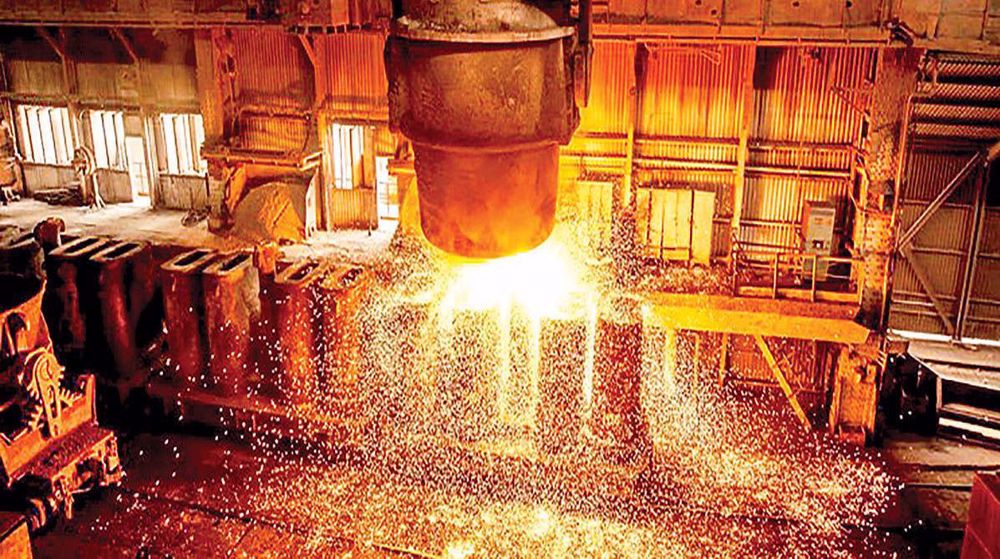
As a major employer in a region historically marked by economic underdevelopment, Sangan directly provides thousands of jobs and indirectly supports many more through a web of local suppliers and service industries.
The economic ripple effects are vital for North Khorasan’s socio-economic growth, contributing to regional stability and reducing unemployment in an area that has long faced economic challenges.
The complex also signifies a strategic pivot in Iran’s economic policy, moving away from an overwhelming dependence on oil revenues towards mineral extraction and industrial exports.
This transition aligns with Tehran’s broader vision of enhancing the non-oil sectors to bolster foreign exchange earnings and insulate the economy from sanctions that primarily target the petroleum industry.
By emphasizing metals and minerals, Iran hopes to develop industries that are less vulnerable to international restrictions and geopolitical shocks.
Yet, the road ahead for Sangan is far from smooth. Steelmaking is inherently energy-intensive, requiring steady and reliable access to electricity and natural gas.
Interruptions in energy supply have led to production disruptions and increased costs. In response, Sangan has undertaken substantial investments aimed at modernizing its operations.
Perhaps the most transformative development at Sangan is its embrace of digital technology.
The integration of artificial intelligence into daily operations marks a significant revolution in Iran’s heavy industry. Real-time monitoring helps avoid costly downtime, while AI-powered workforce training programs sharpen employee skills and adaptability.
These innovations position Sangan at the forefront of a new industrial era where smart technology meets traditional mining and steelmaking processes.
Energy insecurity remains one of the most daunting challenges, but Sangan is pioneering initiatives to address it through renewable energy. The complex is planning a 200-megawatt wind farm intended to supply part of its electricity needs. This is a bold and forward-looking move in a country long dependent on fossil fuels.
If successful, such projects could stabilize energy costs, reduce greenhouse gas emissions, and help Iran comply with increasingly stringent environmental regulations.
On the commercial front, Sangan’s iron ore concentrates and pellets primarily feed domestic steel mills but also have significant export potential. Neighboring countries in Central Asia and the Persian Gulf offer sizable markets for raw materials, often at competitive prices.
However, navigating these export opportunities is complicated by international sanctions and logistical constraints. Despite these hurdles, Sangan’s focus on product quality and reliability has helped maintain and even expand trade partnerships.
Nevertheless, Sangan’s growth prospects are tempered by underdeveloped transport infrastructure in North Khorasan, limiting the efficient movement of heavy goods critical to mining and steel production.
Iran’s plans to expand its railway network offer hope for easing these bottlenecks. Still, sanctions continue to restrict access to advanced steelmaking technologies and international financing.
In many ways, the Sangan Steel Complex embodies the broader economic picture of Iran, endowed with abundant natural resources, supported by a motivated workforce and government policies, yet constrained by external sanctions and infrastructural shortcomings.
Its investments in digital technology and renewable energy represent savvy moves that could yield significant dividends economically and environmentally.
Ultimately, Sangan is a barometer of Iran’s industrial resilience and adaptability in a challenging global environment. If the complex can harness its resources, it will not only sustain Iran’s steel ambitions but also drive regional economic development and contribute meaningfully to the nation’s efforts to diversify its economy beyond oil.
The future of Sangan Steel Complex, therefore, is closely intertwined with the broader trajectory of Iran’s industrial and economic evolution in the 21st century.

BRICS paving way for alternative world order, not a war machine against West: Analyst
Iran finds new platform in SCO to develop its rare-earth potential
Discover Iran: Tabriz, where Iran’s Silk Road legacy meets industry, trade and a new economic future



Saddam's fate awaits Trump and Netanyahu: IRGC commander
Hamas condemns Netanyahu’s illegal entry into Al-Aqsa Mosque
Iran dismantles terrorist cells in three provinces
VIDEO | Claim that new deal won’t undermine Greenland sovereignty is a lie: Author
VIDEO | Press TV's news headlines
Iranian lawmakers push for NPT withdrawal, submit bill to Parliament's Presiding Board
Persian Gulf markets plunge as Yemeni forces strike Riyadh
VIDEO | Iran war will break America


 PressTV NEWSLETTER
now
PressTV NEWSLETTER
now
 This makes it easy to access the Press TV website
