War on academia: Billion-dollar funding freeze hits US universities over pro-Palestine protests
By Humaira Ahad
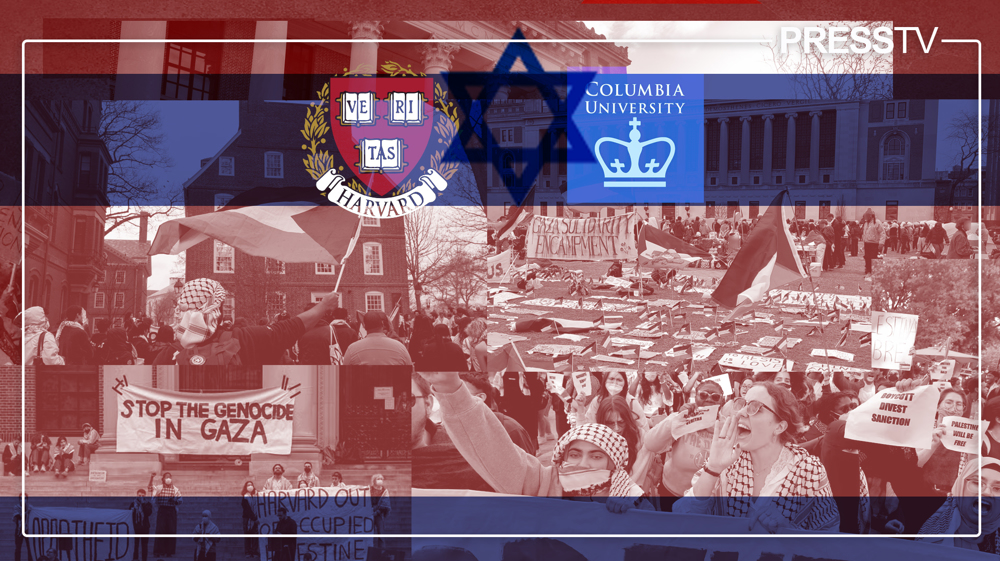
Once seen as the gold standard for academic vibrance and intellectual freedom, several of America’s top universities now find themselves entangled in unprecedented federal investigations and concessions to the Trump administration.
The issue centers on billions of dollars in federal research funding and mounting political pressure that critics warn could fundamentally reshape higher education in the United States.
A turning point came in late July, when Columbia University reached a $200 million settlement with the Trump administration. The deal restored more than $400 million in previously frozen research grants but imposed sweeping conditions that have alarmed legal scholars and education advocates alike.
As part of the deal, Columbia not only agreed to pay the fine but also accepted the appointment of a government-approved monitor with authority over its admissions processes and academic departments, including West Asian studies, under the pretext of addressing “antisemitism” on campus.
The deal gives "legal form to an extortion scheme," said David Pozen, a professor at Columbia Law School, who has emerged as one of the deal’s most vocal critics.
“Higher education policy in the United States is now being developed through ad hoc deals, a mode of regulation that is not only inimical to the ideal of the university as a site of critical thinking but also corrosive to both academic freedom and the rule of law.”
A new enforcement model
The Trump administration has cast elite institutions as bastions of "liberal ideology" and has accused them of fostering environments "hostile to Jewish students."
Since January, the White House has partnered with agencies including the Departments of Education, Health and Human Services, and Justice to pressure dozens of universities over unfounded allegations of "antisemitism, civil rights violations, and discriminatory admissions practices."
US President Donald Trump demanded a 1-billion-dollar settlement from the University of California over pro-Palestine protests there.
— Press TV 🔻 (@PressTV) August 9, 2025
Follow: https://t.co/B3zXG73Jym pic.twitter.com/Z1k5cJg5UV
More than 60 colleges received formal warnings from the US Department of Education in March this year, instructing them to “take steps to protect Jewish students or face potential enforcement actions.”
For many institutions, the financial implications were immediate and shocking.
In April, the Trump administration froze more than $1 billion in research funds earmarked for Cornell University, Brown University, and other Ivy League institutions in the US.
Recently, Brown University agreed to pay $50 million to workforce development programmes in Rhode Island to resolve government investigations and regain access to federal grants.
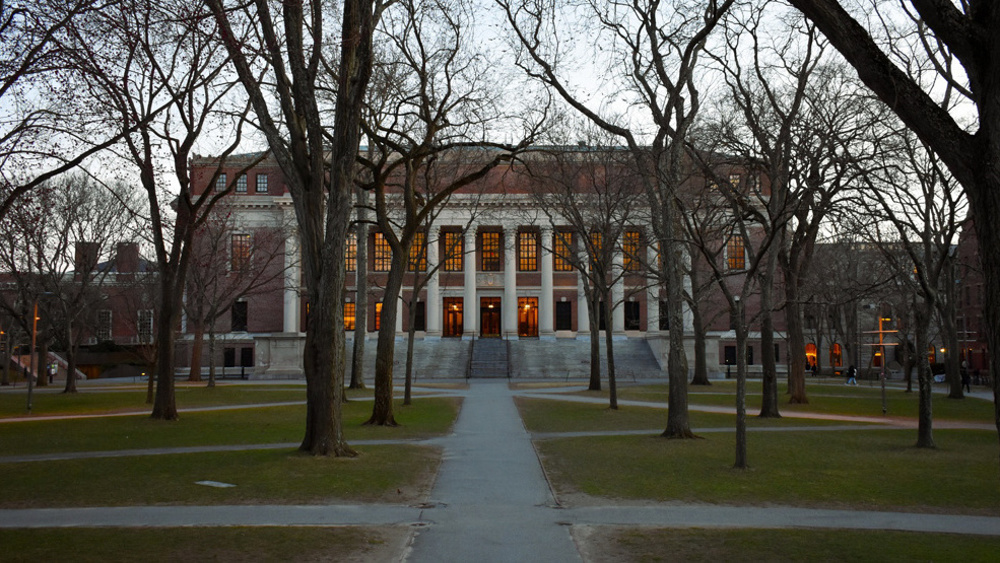
Harvard University, whose West Asian Studies Center has come under fire for alleged anti-Israel bias, continues to negotiate with federal agencies, as it challenges the loss of research funding in court.
“The deal we reached with Columbia provides a road map for how other institutions can come into compliance,” a White House spokesperson told reporters in late July.
Behind the government’s stance is a broader political strategy of compliance. Experts have warned that the legal framework used against Colombia will be applied to target departments, faculty members, or student groups that challenge government policies.
The Columbia crackdown
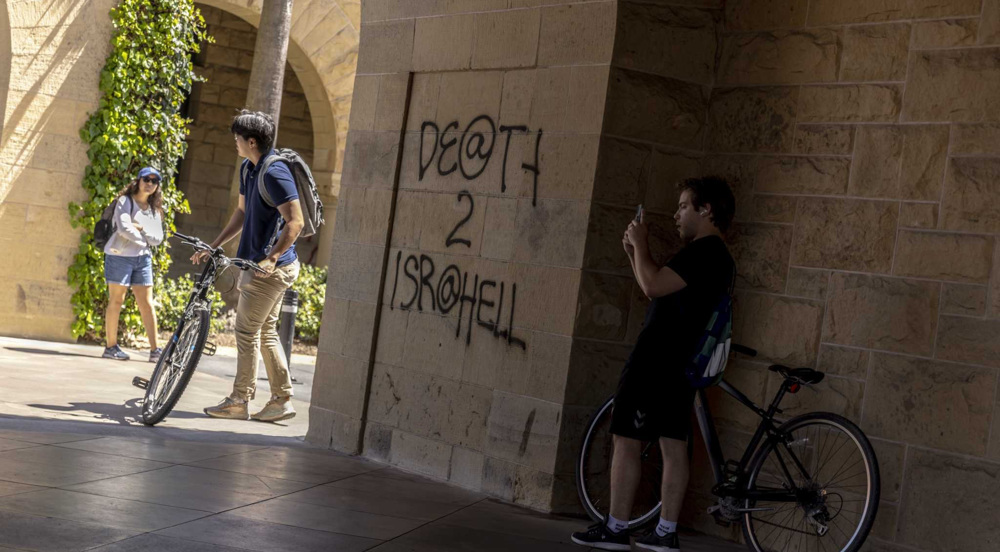
Columbia became a national flash point earlier this year when student protests over Israel's genocide in Gaza escalated into campus-wide protests. Students and faculty demanded that the university sever ties with Israeli institutions and divest from companies supplying arms to the Israeli military.
As the protests grew, right-wing politicians accused the university of fostering "antisemitism". In response, the university took a hard-line stance, inviting police onto campus, arresting student demonstrators, and shutting down pro-Palestine events.
Following the crackdown, the federal investigation into the university’s handling of these incidents intensified. When funding was cut off, Columbia began negotiations with the Trump administration, a process that insiders describe as anything but voluntary.
The agreement,” writes Pozen, “gives legal form to an extortion scheme. The process was something akin to a mob boss demanding protection money from a local business.”
Columbia University in the US has imposed punitive measures on dozens of students over their participation in pro-Palestine protests amid the genocide in Gaza.
— Press TV 🔻 (@PressTV) July 23, 2025
Follow: https://t.co/mLGcUTS2ei pic.twitter.com/RjEHke4vd4
The Trump administration threatened the university indirectly, saying it would be "a shame if something were to happen to it.”
Under the terms of the deal, the university will now be subject to ongoing federal oversight. A monitor will have access to admissions records to enforce compliance with the US Supreme Court’s recent ban on affirmative action, a move that some fear will disproportionately affect foreign students, especially from Asian and African countries.
Academic departments perceived as critical of US foreign policy, particularly those focused on West Asia, are also under review following the deal.
Academic freedom under threat
Legal scholars warn that these settlements between the administration and universities represent a dangerous precedent for federal overreach into academic governance.
It may enable the US government to influence university curriculum, admission practices, and internal governance by tying compliance to the continuation of research funding, raising concerns about institutional independence in higher education.
For universities that rely heavily on federal grants to fund everything from medical research to technological innovation, the stakes are existential. Columbia alone received over $650 million in federal research grants in 2022, much of it for programs in science, health, and engineering.
Experts say that by linking such funding to political demands, the administration is effectively turning research into a tool of partisan enforcement.
Universities in the US now face a tough choice: either comply with federal demands and jeopardize their academic integrity, or resist and risk losing vital funding that supports their research and operations.
Trump bars CNN, MS NOW and Politico from White House as they question his pro-war policies
US leaves UN Human Rights Council after probe finds possible American war crimes in Iran
Yemen dismisses Mecca drone allegation, says kiswa donors to Epstein target sanctities



Iranian lawmakers push for NPT withdrawal, submit bill to Parliament's Presiding Board
Persian Gulf markets plunge as Yemeni forces strike Riyadh
VIDEO | Iran war will break America
Iran Open RoboCup brings together 700 teams and around 2,000 young robotics innovators
VIDEO | News Review: Trump’s move to ban several media outlets from WH draws condemnation
VIDEO | US uses threat of drug cartels to justify Venezuela invasion: Commentator
VIDEO | Police clash with far-right protesters in The Hague
How Iran turned US military and economic aggression into strategic leverage to dictate terms



 PressTV NEWSLETTER
now
PressTV NEWSLETTER
now
 This makes it easy to access the Press TV website
