Crushing blow: How Iran’s intelligence outmaneuvered Zionist regime during 12-day war
By Masoud Khalili
Last month, during the war of aggression by the Israeli regime and the United States, Iran dropped a thunderbolt – not from its missile silos, but from its intelligence command centers.
Iran’s intelligence ministry on Monday provided details of the counterintelligence coup it scored during the 12-day unprovoked war, which came as a surprise to many.
In a statement, the ministry laid bare the full scale of its counterintelligence victories.
What unfolded was a revelation: While hostile enemy forces were trying to infiltrate Iran during the war, they themselves were infiltrated. The hunter was, in fact, being hunted all along.
In response to the Zionist regime’s creeping intrusions – a shadow war in and of itself – Iran struck back with precision, launching deep counter-espionage operations across the occupied Palestinian territories.
The message was unmistakable: Infiltration would not go unanswered. Those who lent themselves to the enemy – collaborators embedded in the folds of betrayal – were unmasked and detained. Even the Israeli spy agency Mossad’s carefully groomed assets, operating under layers of secrecy, were hunted down, their missions disrupted, and their networks dismantled.
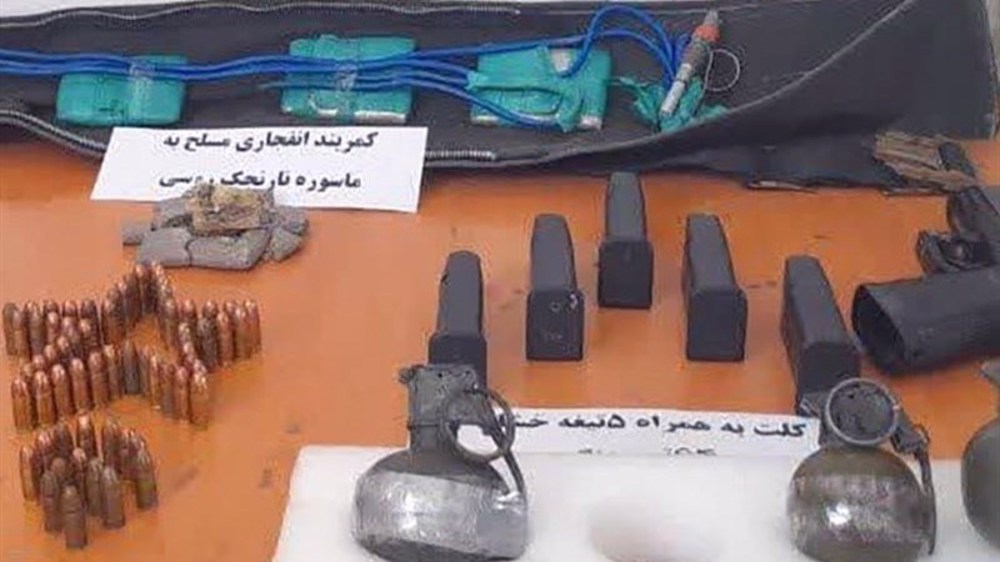
By the time the dust settled, 20 Mossad-linked operatives had been arrested in 13 Iranian provinces.
Even during the course of the warfare itself, signs had already begun to emerge – signs that, in retrospect, vindicate the ministry’s successes.
Reports of the war show how, as Iranian missiles flew, the country’s internal security apparatus was active as well. On June 16, the intelligence ministry and the Islamic Revolution Guards Corps (IRGC) units downed three hostile drones near Malayer in western Iran, protecting critical infrastructure.
A day later, it was revealed that 28 Zionist-linked operatives had been arrested with explosives and surveillance equipment in the capital, Tehran.
Iran’s Intelligence Ministry details counterintelligence masterstroke during Israeli-US war https://t.co/4gkC55F8wP
— Press TV 🔻 (@PressTV) July 28, 2025
Now, back to the ministry’s statement: The Zionist entity and its American patrons further sought to destabilize Iran from within by sowing sectarian divisions, reviving the corpse of monarchist nostalgia, and unleashing Takfiri death squads along the borders.
But none of those worked either.
With remarkable precision, Iranian intelligence forces dismantled the operational cores of Daesh and other Takfiri factions, arrested dozens of their foot soldiers, and neutralized their terror plots before they could swing into action and shed innocent blood.
Alongside them, monarchist operatives linked to the former dictator’s irrelevant son, Reza Pahlavi, were caught red-handed, and their delusional campaign to revive tyranny was thwarted.
These efforts were not organic opposition. They were purchased through subversion, imported through the backchannels of Mossad and other spy agencies, and injected like a virus.
It didn’t stop there. The enemy’s digital armies also waged a psychological war to fracture Iranian unity, using social media as a battlefield to foment despair and division.
Yet again, Iranian operatives were two steps ahead, tracing, identifying, and dismantling digital agitator bands and cyber sabotage groups before they could harm the country's tech infrastructure.
Perhaps most chilling was the foiled plot to assassinate 35 senior Iranian officials. That these conspiracies were discovered and neutralized before a single bullet was fired speaks to the vigilance of a system under Western siege, but undefeated.
In an era where warfare transcends borders, bullets, and bombs, the Islamic Republic’s defense doctrine has evolved, and it was for all to see during these 12 days of aggression.
It no longer ends at the frontline. It burrows deep into minds, networks, and intentions. The intelligence coup pulled off by Iran reminds us that the real war is not always televised.
Key takeaways from it:
1. The Islamic Republic may be watched, but it is also watching. And it never blinks.
2. Even when the Islamic Republic bleeds, it does not break. Even when attacked on every front – militarily, culturally, psychologically – it adapts, responds, and prevails.
3. In these quiet victories lie the true strength of a nation rooted in faith, history, and the unyielding will to resist.
It should, meanwhile, be noted that the roots of such successful counteroffensives run deep: Iran’s counterespionage operations against the Zionist entity.
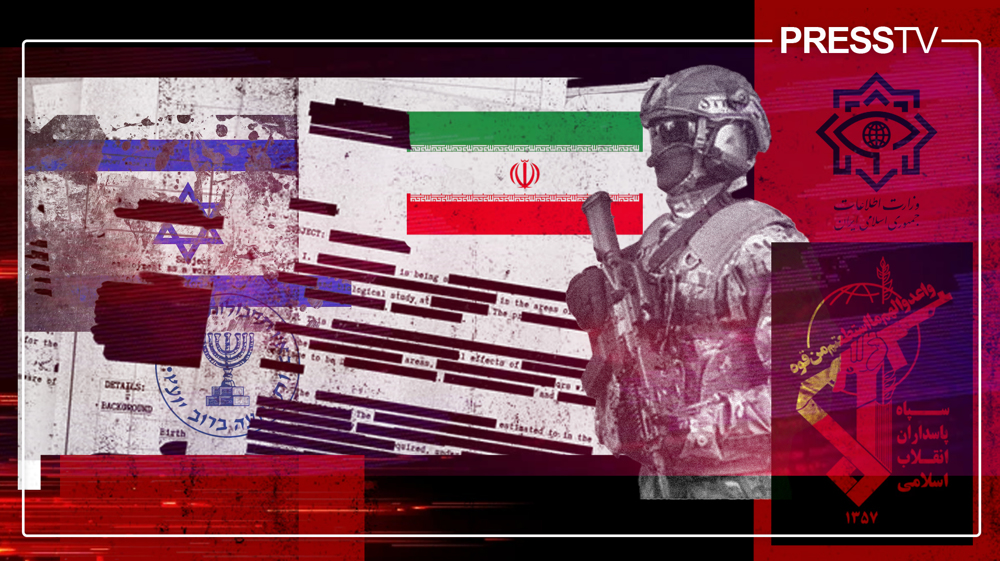
Iran’s intelligence obtains large trove of sensitive Israeli nuclear, strategic documents
— Press TV 🔻 (@PressTV) June 8, 2025
Follow Press TV on Telegram: https://t.co/mLGcUTS2ei pic.twitter.com/OMxdcSY7gU
Those operations had reached a crescendo in June.
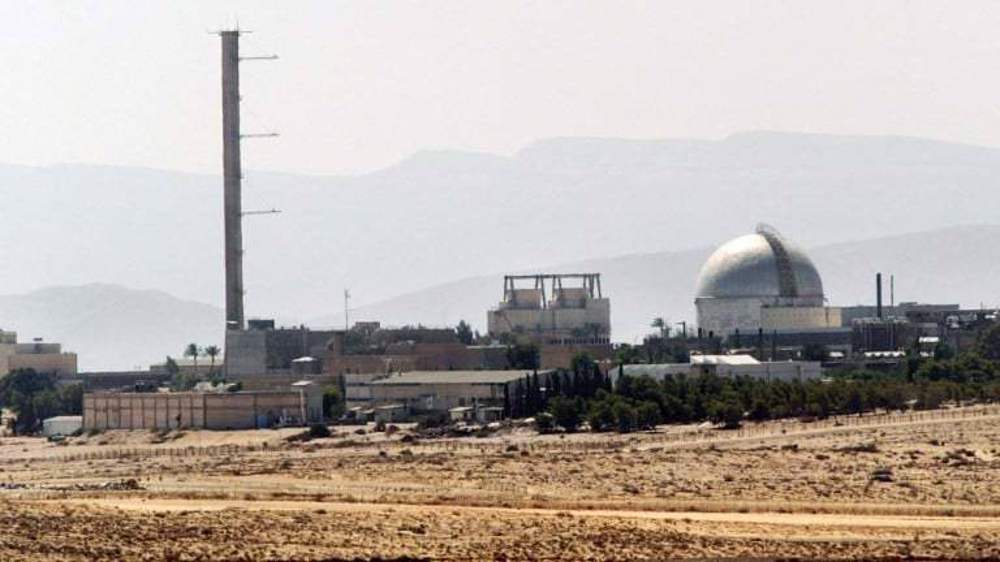
Just weeks before the war, Iranian intelligence operatives pulled off an “intelligence masterpiece”: the seizure of a vast archive of Israeli nuclear and strategic documents.
The trove included sensitive data from the Dimona complex, effectively exposing the nerve center of the entity’s undeclared nuclear arsenal.
It signaled to Tel Aviv and its patrons in Washington that Iran no longer waits to be struck. It operates within enemy territory, within their thoughts, their war rooms, and their illusions of safety.
Iran’s leadership didn’t need to flaunt it. The documents spoke for themselves.
On June 9, Iran’s Supreme National Security Council (SNSC) declared that it now possessed a “bank of Zionist targets”: not rhetorical threats, but mapped-out coordinates, compiled from the enemy’s own files.
For years, Western think tanks and Israeli generals would paint Iran’s intelligence community as rigid, reactive, and bureaucratically overburdened. That lie can now be buried.
The Iranian grassroots’ contribution to the victories should not be either underestimated or understated by any measure.
They were not conscripted into vigilance. They volunteered for it. They alerted authorities, resisted psychological warfare, and became the eyes and ears of a nation under siege.
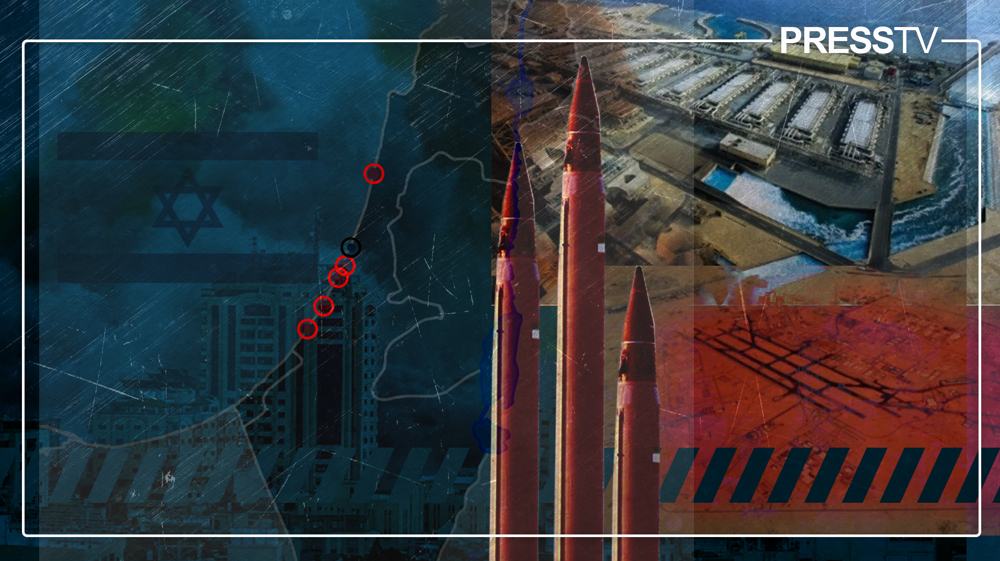
On the defensive and retaliatory front, too, the country acted unprecedentedly. Hundreds of ballistic missiles, including hypersonic variants, and hundreds of drones were fired toward the occupied Palestinian territories, piercing the Israeli regime’s much-vaunted missile systems.
There are wars of missiles and there are wars of minds. Iran has decisively won both.
Masoud Khalili is a Tehran-based writer and strategic affairs commentator.
(The views expressed in this article do not necessarily reflect those of Press TV.)
Israel's Ali al-Taher ‘operational control’ claim aims to shape perceptions than reflect reality
BRICS must break its silence and confront Washington’s illegal military aggression against Iran
From Minab school to Kouhestak wedding hall: US war machine and its crimes against Iranian people



IRGC ballistic missile retaliation forces US aircraft carrier, destroyer to flee
VIDEO | ‘US escort a big lie’: IRGC unveils decisive targeting of non-compliant vessels in Strait of Hormuz
IRGC strikes 3 US-linked vessels, 3 trespassing oil tankers in retaliation for American attacks
VIDEO | Trump downplays costs, consequences of war on Iran
VIDEO | News Review: Trump downplays war on Iran, calling it 'small potatoes'
Iran condemns US attacks on oil tankers as violation of international law
VIDEO | News Review: US attacks Iran oil tankers
VIDEO | Nuclear madness: Who can stop Trump?


 PressTV NEWSLETTER
now
PressTV NEWSLETTER
now
 This makes it easy to access the Press TV website
