Discover Iran: Zinegan Cave, an oasis of canyons, streams and ecotourism in Ilam
By Ivan Kesic
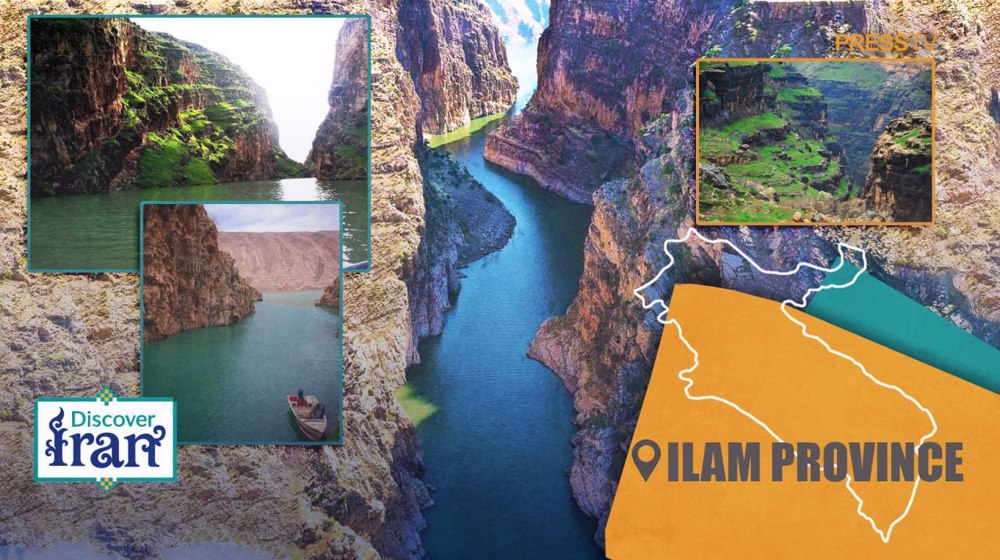
- The geological formation is a combination of a cave and a canyon because it is open from above, but contains cave formations such as stalactites and stalagmites.
- The relief shape and the permanent presence of water in the interior have developed a specific microclimate with a temperature 20–30°C lower than the surrounding area, creating conditions for a unique flora.
- Called a "hidden gem" due to its inaccessibility, the Zinegan Cave is one of the most spectacular canyons in Ilam Province, along with Bahram Chobin, Khazineh, Shirz, Vizhdarvan and Zarangush canyons.
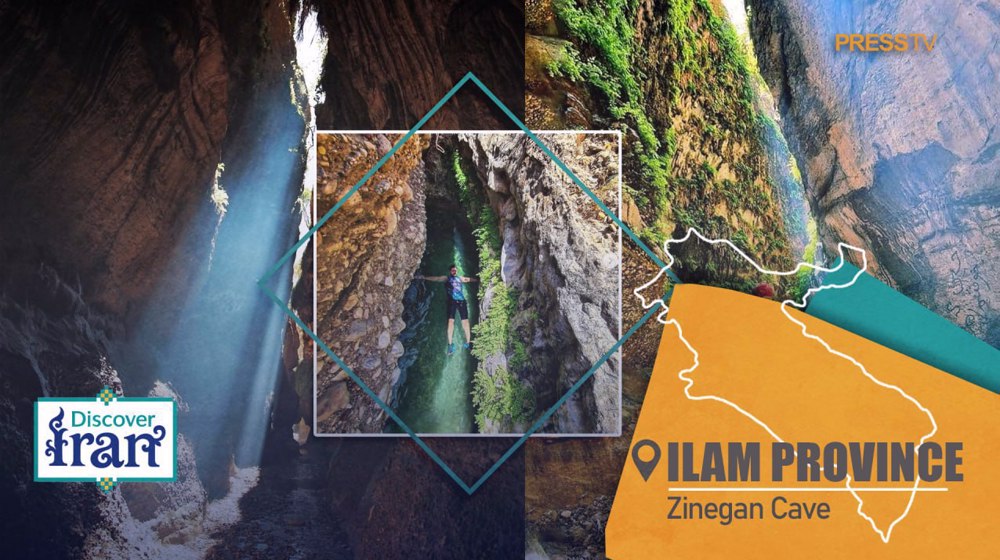
The Zinegan Cave (also spelled Zinehgan and Zingan), located in Iran’s western Ilam province, is a remarkable natural attraction known for its unique geological features, cool microclimate, and ecotourism potential.
Situated near the town of Salehabad, it is often referred to as the "Behesht Cave" (Paradise Cave) due to the significant temperature difference between its interior and the surrounding hot plains.
It extends for about six kilometers along the Cham-e Sorkh stream between the Khalifeh (1025 m) and Sorkh (850 m) mountains, part of the Zagros Mountains, about five kilometers southwest of Salehabad and 10 kilometers east of the border with Iraq.
The natural phenomenon is a combination of a cave, slot canyon, and gorge, as it is an open, elongated formation with entrances at both ends, unlike enclosed caves.
Still, it features numerous cave formations such as stalactites, stalagmites, vestibules, halls, and icicles formed by water seepage through limestone.
The Zinegan Cave does not represent a linear structure, as the main part is connected by dozens of other smaller canyons with tributary streams, creating a spectacular labyrinth.
Discovering Iran: Ilam's canyons, castles and fire temples
— Press TV 🔻 (@PressTV) July 31, 2025
Follow Press TV on Telegram: https://t.co/LWoNSpkc2J pic.twitter.com/79jER7u3tP
Its narrow passages, some so tight that only two people can pass, as well as low erosive halls where visitors must bend, add to its mystique and adventurous appeal.
The cave’s interior maintains a cool, humid environment, with temperatures significantly lower (20–30°C difference) than the surrounding semi-arid, hot plains of Mehran, which can exceed 40°C in summer.
This specific microclimate with humidity supports a unique ecosystem, with water flowing through the cave year-round.
The damp conditions foster a natural forest-like environment within the cave, supporting plants typical of humid habitats, such as ferns, algae, and lichen. This contrasts sharply with the arid surroundings, creating a biodiversity hotspot.
No significant permanent fauna is reported, but due to its vertical accessibility, abundance of water and isolation from human settlements, it is a favorite resting place for all species of local mammals and birds.
One of the reasons the cave has retained its pristine nature is that the location has remained spared from mass tourism, as it is located in the peripheral part of Ilam province, itself a peripheral administrative unit of Iran.
The nearby town of Salehabad and its surroundings has a population of only 2,000, and tourism in this area is primarily focused on receiving pilgrims to the Imamzadeh Ali Saleh shrine.
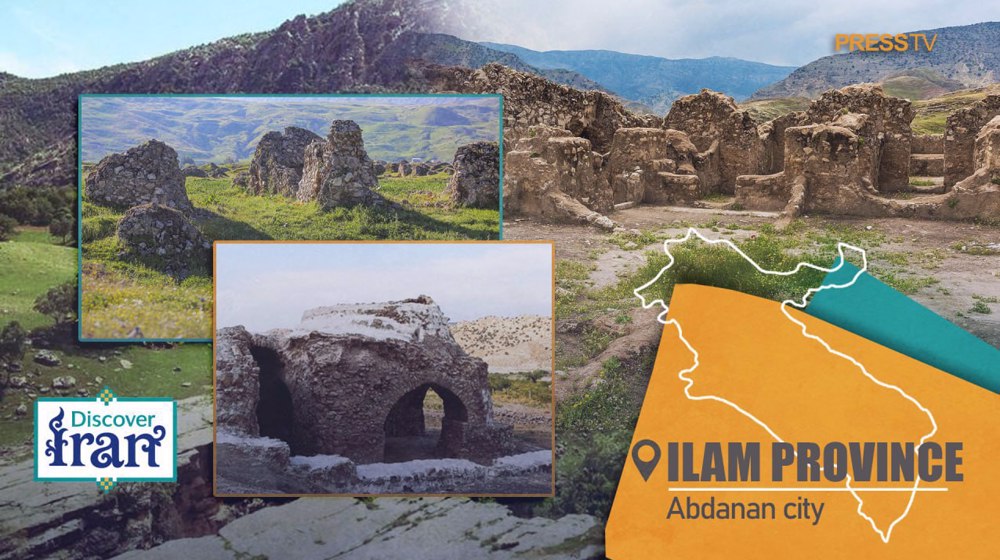
Discover Iran: Abdanan, Ilam's wonderland of ancient fortresses, lakes and Zagros mystique
— Press TV 🔻 (@PressTV) August 1, 2025
By @HumairaAhad_83 https://t.co/AO785GgQI5
Visitors access the cave via the town or state Road 17, on the segment between the provincial capital Ilam in the northeast and Mehran in the south.
From there, a 5 km dirt road leads to the cave’s entrance, which is not suitable for all vehicles and may require a 40-minute walk or 4x4 transport. A sign near the Imamzadeh Ali Saleh shrine directs visitors to the cave.
The cave is non-technical, requiring no special equipment, making it accessible to most visitors. The low water levels allow walking along the canyon, though two small waterfalls must be navigated.
The average duration of a visit to the cave is approximately 4–5 hours. Although a provincial scenic spot, it does not have any facilities, including a restroom or a small stall to buy water or food.
Alongside Bahram Chobin, Khazineh, Shirz, Vizhdarvan and Zarangush canyons, the Zinegan Cave is one of Ilam province’s most prominent canyon attractions.
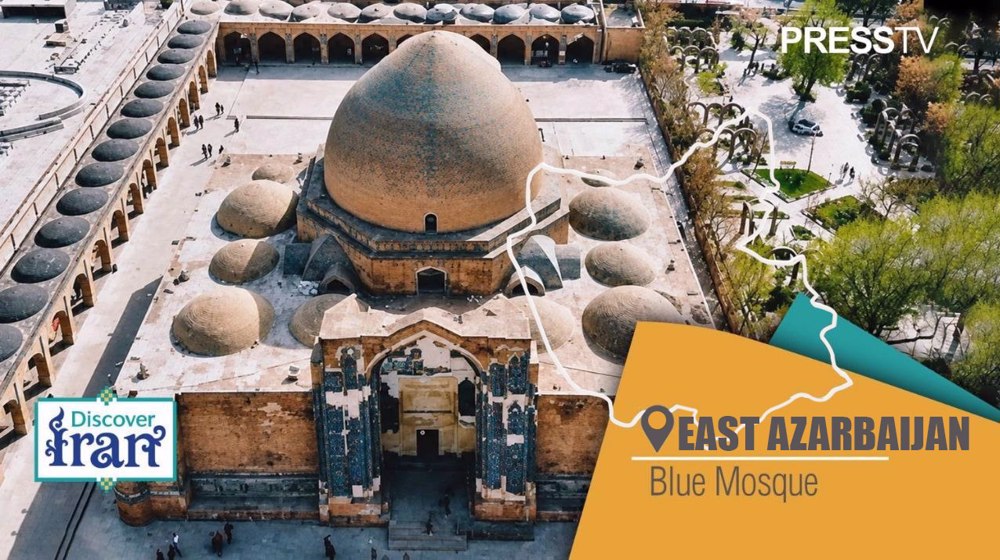
Discover Iran: Tabriz’s Blue Mosque, where glorious history meets timeless Iranian architecture

Discover Iran: Tabriz’s centuries-old trading culture drives carpets, leather, industry and exports
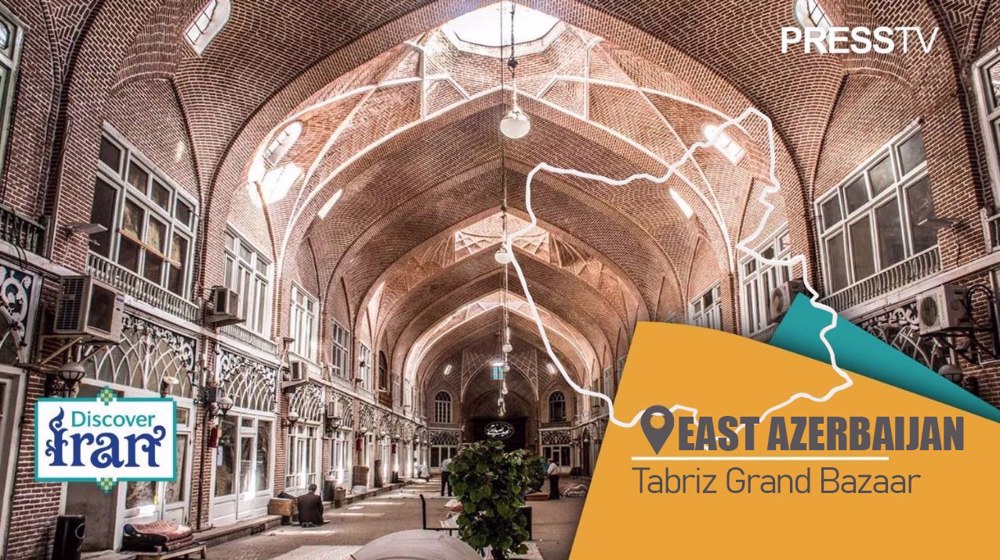
Discover Iran: Tabriz Grand Bazaar, where centuries of trade, culture and craftsmanship still thrive



German chancellor says era of unconditional US friendship is ‘probably over’
VIDEO | Iran presents joint statement on attacks against nuclear facilities to IAEA conference
VIDEO | Pakistan and China secure strategic trade corridors via new border mechanism
VIDEO | Russian probe rejects Western-Ukrainian ‘fabrication’ over Bucha killings in 2022
71% of US voters say Trump lacks strategy to end war on Iran: Fox News poll
VIDEO | Press TV's news headlines
Israel seeks US 'compensation' over Saudi F-35 deal: Report
Saudi Aramco halts European crude supplies amid disruption to key oil route


 PressTV NEWSLETTER
now
PressTV NEWSLETTER
now
 This makes it easy to access the Press TV website
