Discover Iran: Ilam, a frontline of faith, honor and unyielding resistance during 1980s war
By Ivan Kesic
- Ilam province, bordering Iraq, was a vital frontline during the 1980s Imposed War, enduring major battles, invasions, and extensive civilian and military casualties.
- Iranian counteroffensives from Ilam, including Operations Samen-ol-A’emeh and Fath ol-Mobin, were pivotal in regaining lost ground and repelling Iraqi advances.
- Commanders like Mallahi, Bastami, and Esmaeili exemplified faith, sacrifice, and leadership, leaving lasting legacies in Ilam’s resistance and collective memory.
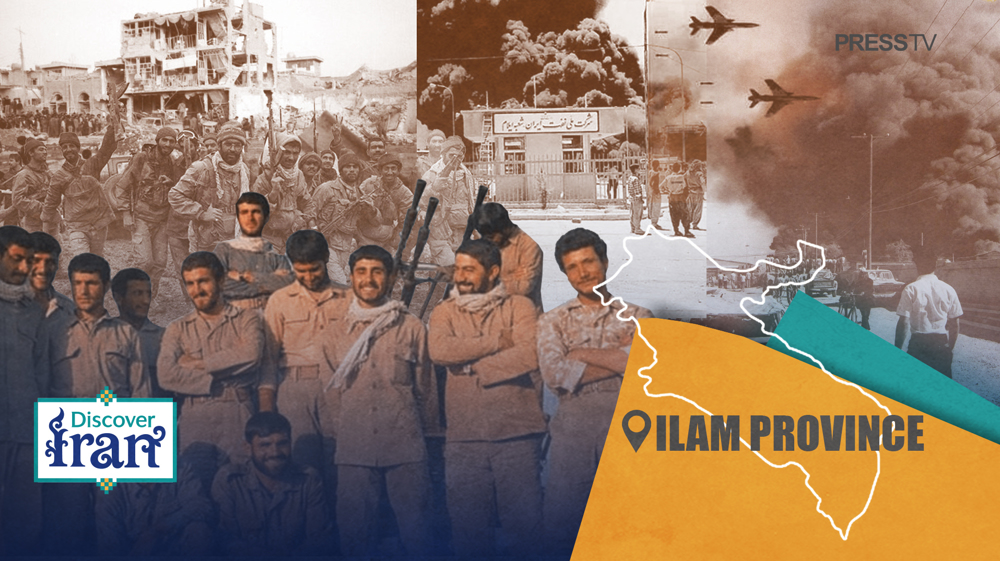
Ilam province in western Iran, bordering Iraq, played a critical role during the 1980s Imposed War, serving as the site of major battles and military operations against aggressors.
Its strategic border position led to intense fighting and significant casualties, including many notable martyrs, during the eight-year war imposed on Iran by the West-backed Ba’athist regime
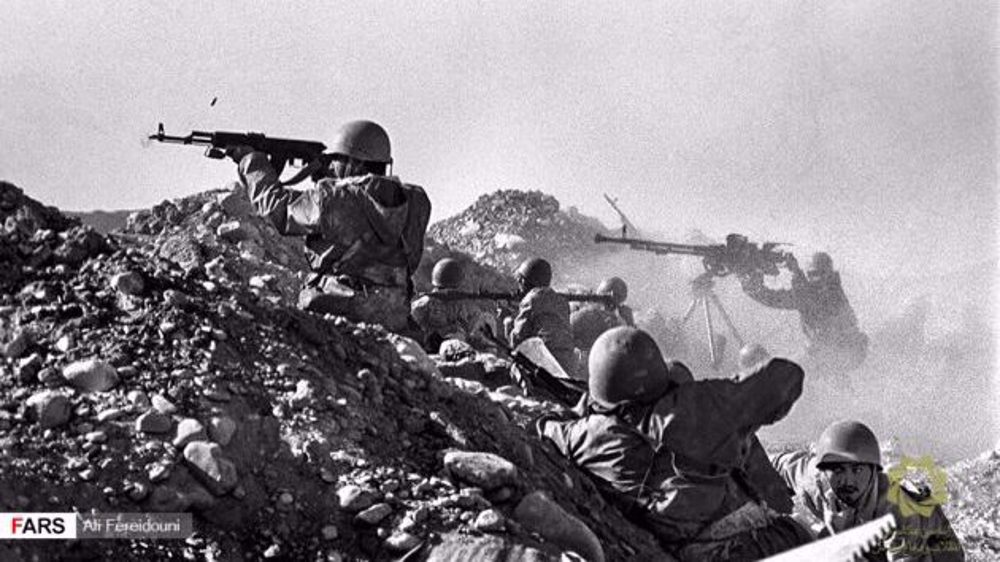
The Imposed War (1980–1988), also known as the Sacred Defense or the Iran-Iraq War, had a profound impact on Ilam province, the effects of which are still visible nearly four decades later.
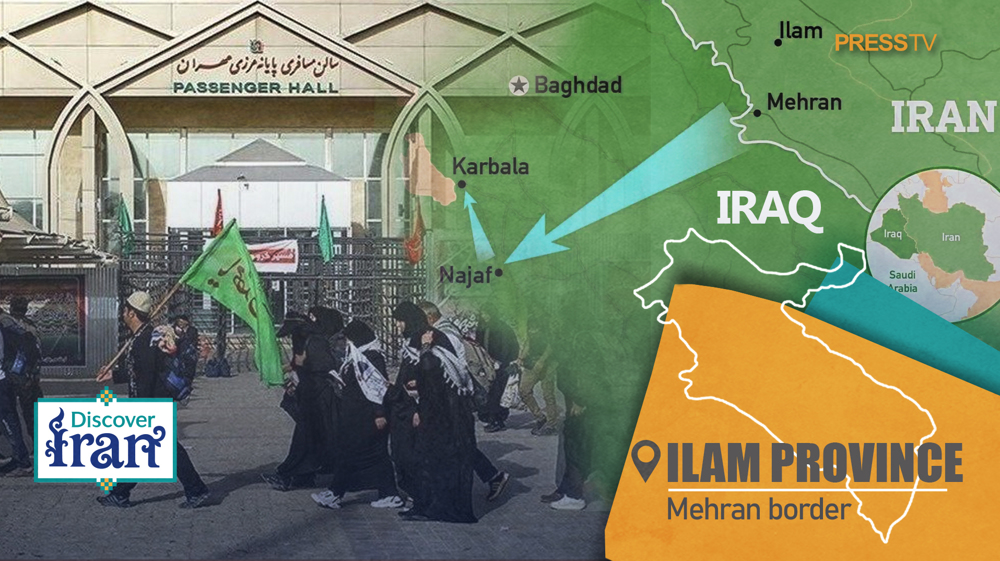
Sharing a 425-kilometer border with Iraq, Ilam’s proximity to Iraqi governorates such as Maysan and Wasit made it a vital frontline during the war in which the West backed Saddam Hussein.
The province’s mountainous landscape, including parts of the Zagros range, and key towns like Mehran, Dehloran, and Ilam city, became focal points for military engagements.
Here’s a polished version of your text with minimal but meaningful edits to enhance clarity, flow, and consistency while preserving your original structure and tone:
The war began on September 22, 1980, with Ba'athist Iraq’s invasion of Iran, and Ilam was among the first regions targeted due to its strategic border position.
Fighting continued throughout the eight-year war, with major operations occurring between 1980 and 1982, and sporadic engagements persisting until the ceasefire in August 1988.
Ilam as the frontline
Ilam served as both a staging ground for Iranian counteroffensives and a defensive line against Iraqi incursions, particularly in the early stages when Iraq aimed to annex Khuzestan and weaken Iran’s western flank.
Iraq launched its offensive with airstrikes and ground incursions into Ilam as part of a broader assault on western and southwestern Iran.
The battle for Mehran, a key border town, began shortly thereafter, with Iraqi forces attempting to secure a foothold. They initially advanced, capturing parts of Mehran and Dehloran.
However, Iranian resistance, bolstered by Islamic Revolution Guards Corps (IRGC) units and local Basij volunteers, slowed the enemy’s advance. By late 1980, Iran had regained control over most of the border province.
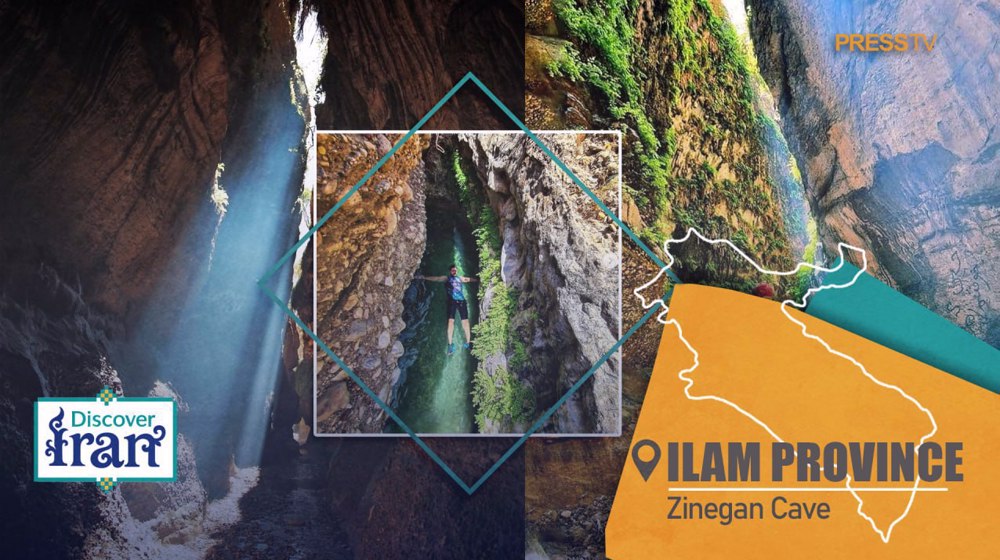
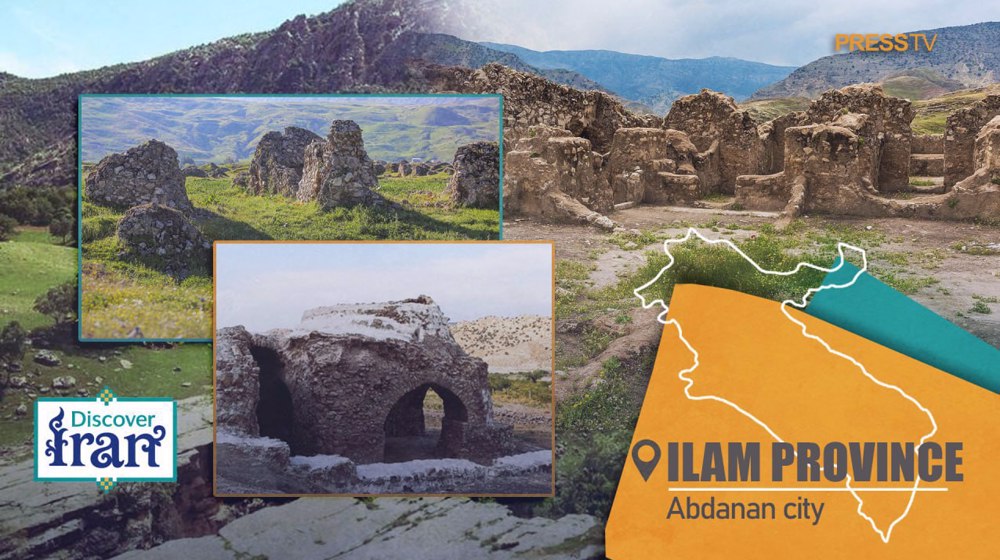
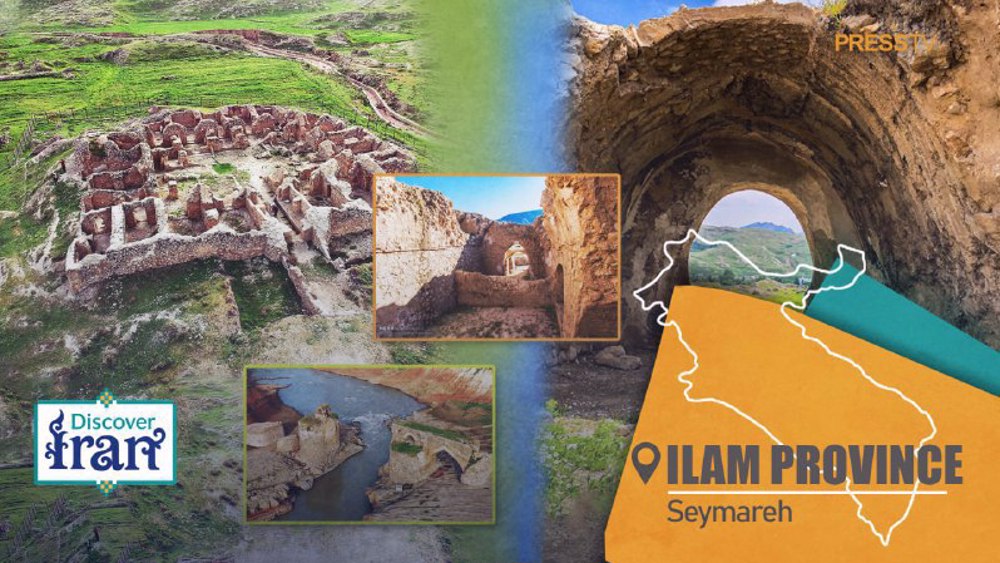
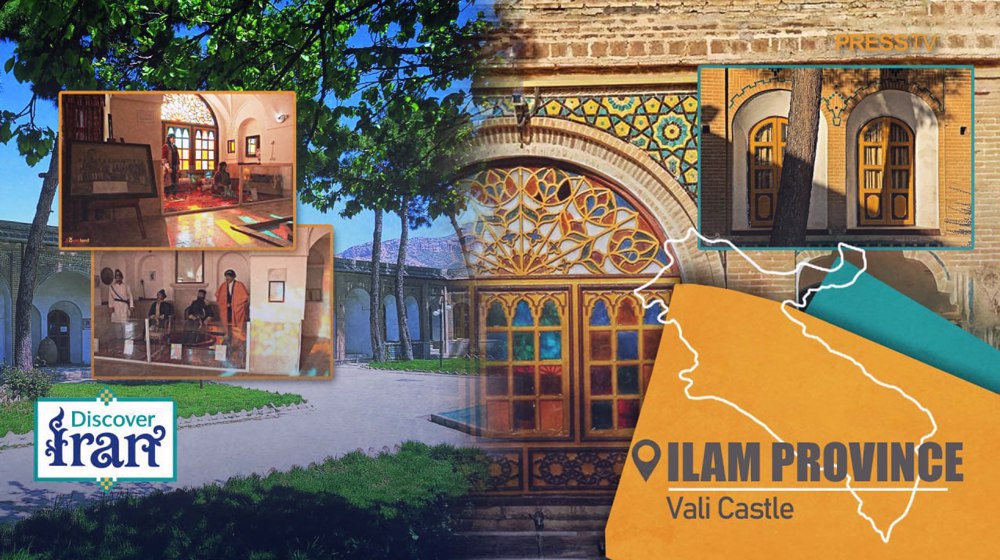
Discovering Iran: Ilam's canyons, castles and fire temples
— Press TV 🔻 (@PressTV) July 31, 2025
Follow Press TV on Telegram: https://t.co/LWoNSpkc2J pic.twitter.com/79jER7u3tP
One of Iran’s first major counteroffensives, Operation Samen-ol-A’emeh in October 1981, aimed to recapture lost territory in Ilam and neighboring Kermanshah Province.
Iranian forces, including the IRGC and Basij forces, targeted Iraqi positions near Mehran and the Dehloran plains, successfully reclaiming ground, including parts of Mehran.
A larger Iranian offensive, Operation Fath ol-Mobin, launched in March 1982, aimed to push Iraqi forces out of Khuzestan and western provinces, including Ilam.
The battle extended into Ilam’s border areas, with intense fighting around Dehloran and Shush. Iran achieved a decisive victory, driving Iraqi forces from Dehloran and nearby regions.
Following Fath ol-Mobin, Operation Beit ol-Moqaddas sought to liberate Khuzestan, with Ilam serving as a critical supply route and secondary frontline. Fighting intensified near Mehran and along the Iraqi border.
Iran liberated Khorramshahr in May 1982, marking a turning point in the war. Ilam’s border regions stabilized, though intermittent skirmishes continued.
After 1982, Ilam witnessed fewer large-scale battles but remained a frequent target of Iraqi artillery and air raids. Operations such as Kheibar (1984) and Karbala-5 (1987) involved Ilam as a logistical hub, with occasional cross-border clashes.
Throughout the war, Ilam is estimated to have lost between 20,000 and 30,000 lives – both soldiers and civilians – based on provincial records and extrapolations from national data.
Iran’s total military deaths are estimated at around 200,000 to 300,000, with Ilam bearing a disproportionate share due to its frontline status.
The civilian population of Ilam suffered severely from bombings and displacement. The province’s economic infrastructure was devastated, and thousands were injured or forced to flee their homes.
In 1986, a chemical attack by Iraqi forces on Mehran using mustard gas killed hundreds and injured thousands. While exact figures are uncertain, local estimates suggest 500 to 1,000 deaths.
Today, the region hosts numerous war cemeteries and memorials, reflecting its sacrifice. Mehran’s designation as the “City of Martyrs” underscores the human cost borne by Ilam during the war.
Martyr Gholam Mallahi
Born in 1962 in Ilam, Martyr Gholam Mallahi was a devout follower of the Ahl al-Bayt (Holy Prophet (pbuh) progeny) from a young age and would go on to become a distinguished commander of the 11th Division during the Imposed War.
A bright and promising young man, he joined the IRGC at the age of 20, serving for five years across various frontlines. At 23, he married Nahid Safarlaki, and the couple had a daughter before Mallahi returned to active combat duty.
As operations commander of the 11th Division, Mallahi played a vital role in key engagements, including the Karbala and Valfajr operations during the early and middle phases of the war.
In 1988, upon receiving reports of enemy activity near the Godarkhosh Bridge, Mallahi and his deputy, Khosrow Payanda, rushed to the front lines. Both were martyred during fierce fighting in the Golam Zard heights. Their loss was a devastating blow to the 11th Division during a critical phase of the conflict.
Mallahi’s burial became a somber symbol of wartime hardship. As Iraqi forces advanced on Ilam, his body had to be interred hastily at night in Salehabad Cemetery under heavy artillery fire, without the honors of a formal ceremony.
In a moment of urgency and sorrow, the burial party was forced to lay the tombstone directly on his body as Iraqi tanks closed in from multiple directions—leaving the brave commander to rest in darkness, amidst the encroaching enemy.
Martyr Ali Bastami
Born in 1963 to a devout family in Arqaz, Malekshahi, Ali Bastami embodied the spirit of resistance from an early age. Following the Islamic Revolution, this self-taught warrior mastered advanced military tactics and rose through the ranks to become deputy operations commander in the 11th Division.
Bastami fought in some of the eight-year war’s most critical battles, seamlessly balancing courage on the battlefield with deep spiritual devotion. He was known not only for his tactical brilliance but also for his unwavering commitment to Islamic principles.
As an elite operations and intelligence officer in the 11th Division, Bastami was tasked with inspecting the volatile Mehran front. On his final mission in 1988, he led a team toward the border embankments near Mehran.
After instructing his team to stay back, he advanced with three fellow soldiers. Moments later, an explosion shattered the silence; a Valmara mine had detonated. Mortally wounded by shrapnel to the head, Bastami fell into nearby bushes.
Despite his own critical injuries, his comrade Mahmoud Pirnia crawled back, crying out, “Save Bastami!” – pleading for help for his commander rather than himself. The blast claimed the lives of Bastami, Pirnia, and Gholam Rezaienejad, while Ebrahim Mohammadzadeh was severely wounded.
Ali Bastami is buried beside Imamzadeh Ali Saleh (AS), his memory preserved as a lasting symbol of faith, leadership, and sacrifice.
Martyr General Abdolreza Esmaeili
Martyr General Abdolreza Esmaeili was a courageous and selfless commander during the Imposed War, remembered as the first organized battalion commander of the Amir al-Momenin (AS) Corps in Ilam province.
Renowned for his unwavering faith, leadership, and spirit of sacrifice, Esmaeili played a vital role in defending Iran during the early and most critical stages of the conflict. Before joining the IRGC, he served as a ranger in the Iranian Army.
Despite facing financial hardship, Esmaeili was known for his remarkable generosity. He often shared his salary with fellow soldiers, saying:
"You can give it back whenever you can. Even if you're martyred, it will be more halal than your mother’s milk."
One of the most defining moments of his service came during Operation Bazi Deraz ("Long Game"). Surrounded by Iraqi forces and under relentless enemy fire, Esmaeili attempted a daring helicopter rescue to extract trapped soldiers.
The helicopter was hit and exploded mid-air. Against all odds, Esmaeili survived, though gravely injured; a bullet had passed through his mouth, shattered his jaw, and exited through his shoulder. Despite these life-threatening wounds, he continued to fight until reinforcements arrived.
After recovering, Esmaeili left the regular army and joined the IRGC in Ilam, quickly becoming a central figure in organizing regional resistance. As commander of the 501st Miqdad Battalion, he inspired deep loyalty and unity among his troops.
One of his comrades recalled how Esmaeili insisted on personally selecting trusted fighters to serve under his command, ensuring cohesion, discipline, and morale in the heat of battle.
Martyr Esmaeili was ultimately martyred in the line of duty, leaving behind a legacy of valor, faith, and selfless leadership. He is buried in the Martyrs’ Tomb near the shrine of Imamzadeh Ali Saleh (AS) in Salehabad, where his memory continues to inspire future generations.
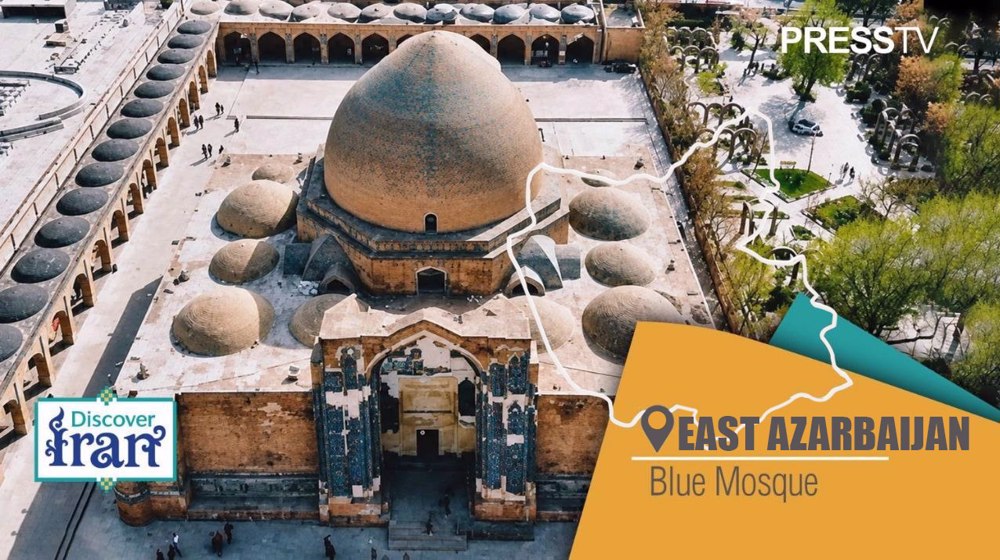
Discover Iran: Tabriz’s Blue Mosque, where glorious history meets timeless Iranian architecture
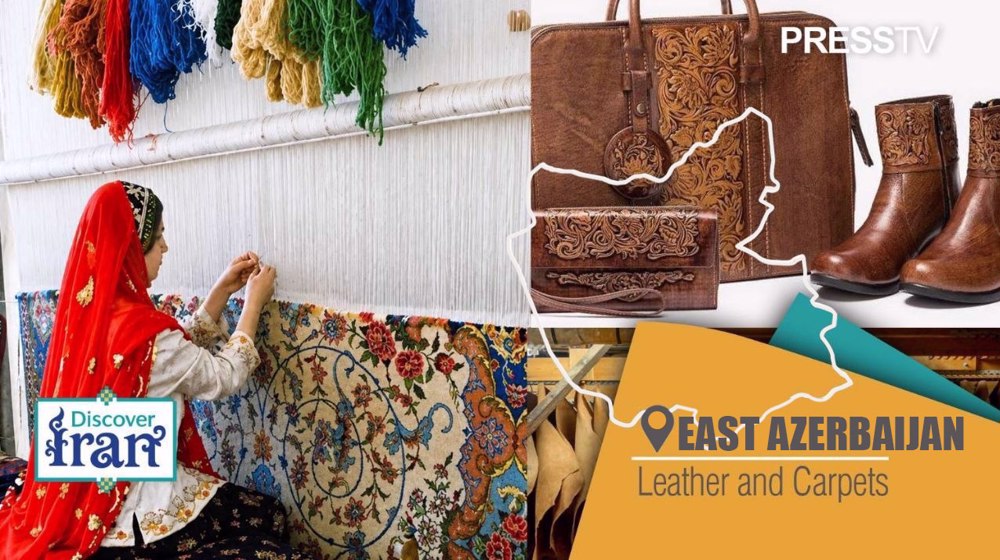
Discover Iran: Tabriz’s centuries-old trading culture drives carpets, leather, industry and exports
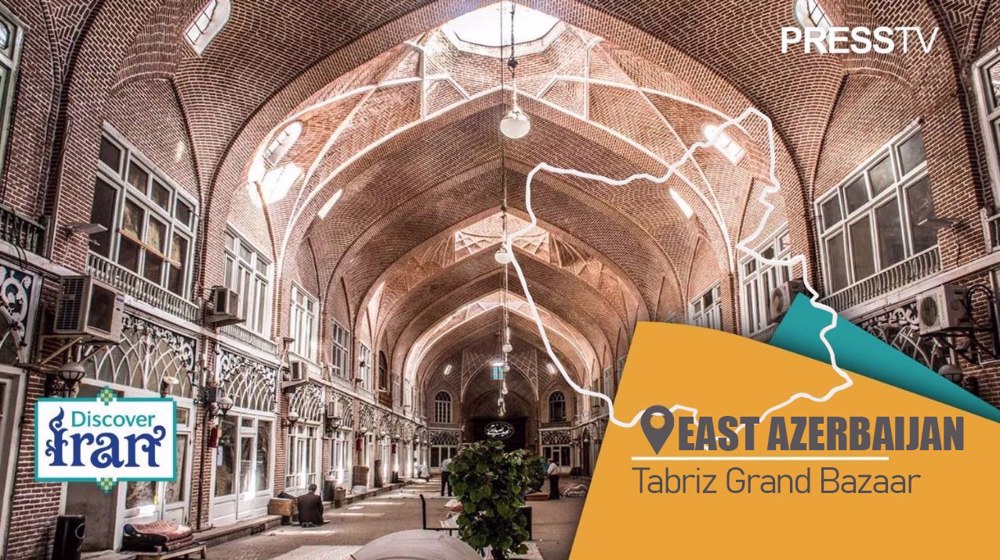
Discover Iran: Tabriz Grand Bazaar, where centuries of trade, culture and craftsmanship still thrive



Israel seeks US 'compensation' over Saudi F-35 deal: Report
Saudi Aramco halts European crude supplies amid disruption to key oil route
VIDEO | Venezuelan protesters demand transparency over oil deal with US
Appeal filed for Press TV's Naqaa Hamed as Israel prolongs her unlawful detention
15 nations reject attacks, threats against safeguarded nuclear facilities
VIDEO | Tabriz hosts 26th Iranian annual nuclear medicine congress
Two years after Israel’s pager terrorism in Lebanon: Scars, loss, and the will to carry on
Three students killed, eight wounded in Philippines school shooting


 PressTV NEWSLETTER
now
PressTV NEWSLETTER
now
 This makes it easy to access the Press TV website
