Explainer: How Iranian-made human-tissue heart valves are reshaping global healthcare
By Ivan Kesic
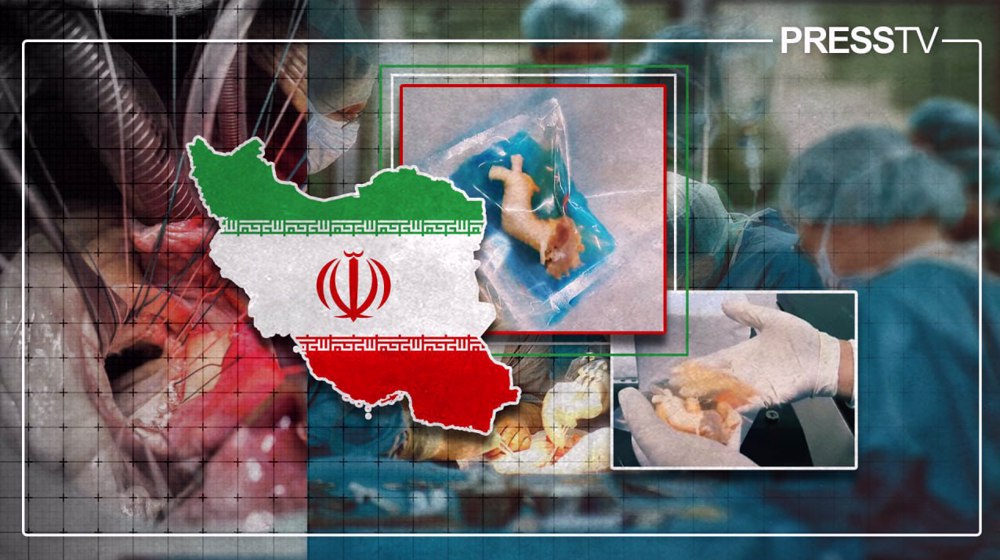
Iran has reached a significant milestone in medical innovation, ranking among the world’s top ten producers of human-tissue heart valves.
This breakthrough positions the country at the forefront of cardiac care, offering life-saving solutions for patients requiring valve replacements.
Spearheaded by experts at Tehran University of Medical Sciences’ Iranian Tissue Bank and Research Center (ITBRC), the project blends cutting-edge science with rigorous quality control.
Small-caliber tissue-engineered conduits, precursors to heart valves, have already been clinically applied, delivering safe and functional results.
The center produces both aortic and pulmonary valves in sterile, ISO-standard cleanrooms, ensuring compliance with international medical benchmarks.
Tehran University of Medical Sciences (TUMS) and the Royan Institute are key contributors to tissue engineering and valve development.
The Iranian Ministry of Health has pledged continued support for this sector, emphasizing the importance of accessible healthcare solutions for all citizens.
Iran’s production capacity reduces wait times and costs, aligning with its broader strategy of biomedical self-reliance amid sanctions. This progress carries significant economic implications, positioning Iran as a competitive player in the global medical device market.
🇮🇷 Iran ranks among world’s top 10 producers of human-tissue heart valves
— Iran First (@IranFirst_PTV) July 28, 2025
The breakthrough shortens wait time for transplant patients and curbs foreign currency outflow.#IranFirst🇮🇷 pic.twitter.com/9iB2dLEqxe
What are human-tissue heart valves?
Human-tissue heart valves, also known as allografts or homografts, are heart valves sourced from deceased human donors and used to replace diseased or damaged heart valves.
These valves are one of two types of biological or bioprosthetic heart valves, alongside xenografts, which are derived from animal (usually porcine or bovine) tissue and chemically treated (often with glutaraldehyde) to reduce immunogenicity and minimize calcification.
In addition to bioprosthetic options, artificial heart valves include two more categories:
- Mechanical valves, made from durable synthetic materials
- Tissue-engineered valves, an emerging technology involving the in vitro growth of heart valves using human cells, designed to integrate long-term with the patient’s body
Human-tissue heart valves closely mimic the natural behavior of the mitral, aortic, tricuspid, or pulmonary valves, providing more physiological blood flow than mechanical alternatives.
A key advantage is the reduced need for lifelong anticoagulation therapy, particularly beneficial for patients with bleeding risks. Their more natural performance also contributes to improved quality of life.
These valves are especially valuable for specific patient populations, such as:
- Children and young adults with aortic valve disease
- Patients suffering from infective endocarditis
However, they do come with challenges:
- Limited durability (typically 10–20 years), with faster degeneration in younger patients
- Scarcity of donor tissue for allografts
- Complex manufacturing processes and regulatory hurdles for tissue-engineered alternatives
Ultimately, the choice between tissue and mechanical valves depends on various factors, including patient age, medical condition, and lifestyle.
For older patients, bioprosthetic options, particularly human-tissue valves, are often preferred.
🇮🇷 Iran ranks among world's top 10 producers of human-tissue heart valves#IranFirst pic.twitter.com/XzSWkVK0SK
— Iran First (@IranFirst_PTV) July 28, 2025
What are the market potentials of these technologies?
The global heart valve devices market was valued at US$10.9 billion in 2023, with bioprosthetic valves driving growth due to a shift away from mechanical options.
It is projected to reach US$38.2 billion by 2034, with a compound annual growth rate (CAGR) of 11.7 percent from 2024 to 2034, fueled by aging populations and technological innovations.
North America held the largest market share in 2023. However, the Asia-Pacific region, including Iran's emerging role, is expanding rapidly due to increasing healthcare investments.
Valvular heart disease (VHD) is a growing global health concern, particularly as aging populations rise alongside related conditions such as calcific aortic valve disease (CAVD).
VHD affects millions worldwide, an estimated 74 million people in 2019, with rheumatic heart disease (RHD) posing serious challenges in low- and middle-income countries, while CAVD remains common in wealthier nations.
The global burden is considerable, contributing to morbidity, mortality, and reduced quality of life, and demanding new innovations and expanded production of existing solutions.
Major companies like Edwards Lifesciences, Medtronic, and Boston Scientific dominate the market through xenografts and transcatheter technologies.
Emerging players, including Iran’s domestic producers, are gaining traction by offering cost-effective, locally developed alternatives.
Although Iran ranks among the top 10 producers, its output remains modest compared to leaders like the United States and Germany, with current production primarily serving domestic needs. Nonetheless, Iran’s success holds potential for export growth, particularly to neighboring countries.
To date, over 1,000 heart valves have been produced by the Iranian Tissue Bank and Research Center (ITBRC), with more than 100 patients receiving transplants using these valves each year.
In Western markets, heart valve replacements typically cost between $2,000 and $10,000, with most falling between $5,000 and $7,000 per valve. Transcatheter aortic valve replacement (TAVR) procedures can exceed $30,000.
According to ITBRC officials, imported valves in Iran generally range from $6,000 to $12,000, while domestically made versions are available for approximately $200.
These drastic price differences offer Iran an opportunity to challenge Western dominance in the global market and expand its role in medical tourism by attracting foreign patients seeking affordable treatment.

Iran Open RoboCup brings together 700 teams and around 2,000 young robotics innovators

Iranian CO2 recovery project named a finalist of 2026 WPC Energy Excellence Awards

Meet the 7-year-old Iranian prodigy who won gold at 2026 International Junior Informatics Olympiad



VIDEO | Trump's America is dying for Israel
US visa ban on Iranian president’s media team is bid to hide the truth: FM spokesman
VIDEO | Iran fully prepared to respond to new aggression
US aggression, economic warfare amount to crimes against humanity: Iran's UN envoy
Protests erupt in US as ICE agent shoots Venezuelan driver
US pressure fuels cooperation among Muslim states: Pezeshkian
Major TV networks suspend White House pool coverage after Trump ban
US visa ban on Palestinian UN delegation violates international agreements: Hamas




 PressTV NEWSLETTER
now
PressTV NEWSLETTER
now
 This makes it easy to access the Press TV website
